
Best Castles to Visit in England: A Complete 2026 Guide
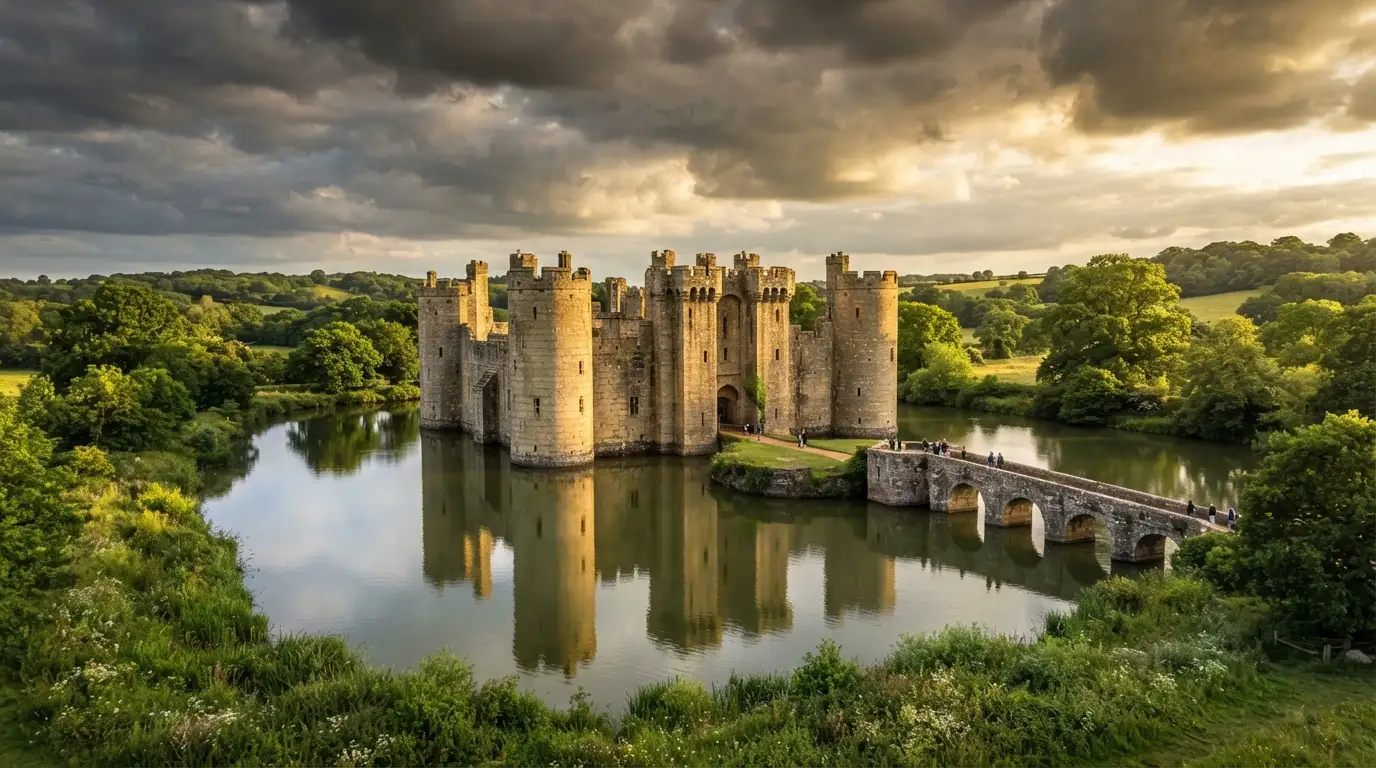
The best castles to visit in England include Windsor Castle, the Tower of London, Warwick Castle, Dover Castle, Leeds Castle, and Alnwick Castle. Each offers a different kind of history, from working royal residences to ruined medieval fortresses, so the right pick depends on your budget, travel time, and whether kids are coming along.
If you’ve ever tried to plan a castle trip around England, you know the problem. Every list looks the same, Windsor, Warwick, Leeds, repeat. Nobody tells you what a ticket costs, whether a membership is worth it, or which castles are just a pile of stones you’ll be glad you skipped. This guide fixes that with real prices, real timing, and honest opinions.
What Counts as a Castle in England? Castle vs Palace vs Fortress vs Abbey
A castle was built for defense first, with thick walls, a moat, a keep, and battlements designed to keep enemies out. A palace, like Buckingham Palace, was built for comfort and prestige rather than war. A fortress leans even harder into military function, with little interest in looking pretty. An abbey, such as Tintern Abbey, was a religious building, not a defensive one, though its Gothic ruins get lumped into castle lists anyway because they photograph so well. Knowing the difference helps you pick a site that matches what you actually want to see.
How Many Castles Are There in England?
Nobody can give an exact number. English Heritage manages just under 100 castles, the National Trust looks after around 14, and researchers estimate roughly 900 more survive in a recognizable state of repair, with thousands more reduced to ruins or lost under fields and hillsides. Some of the confusion comes from follies, ornamental fake castles wealthy Georgians and Victorians built purely for show, which some lists count and others don’t.
What Are the Best Castles to Visit in England?
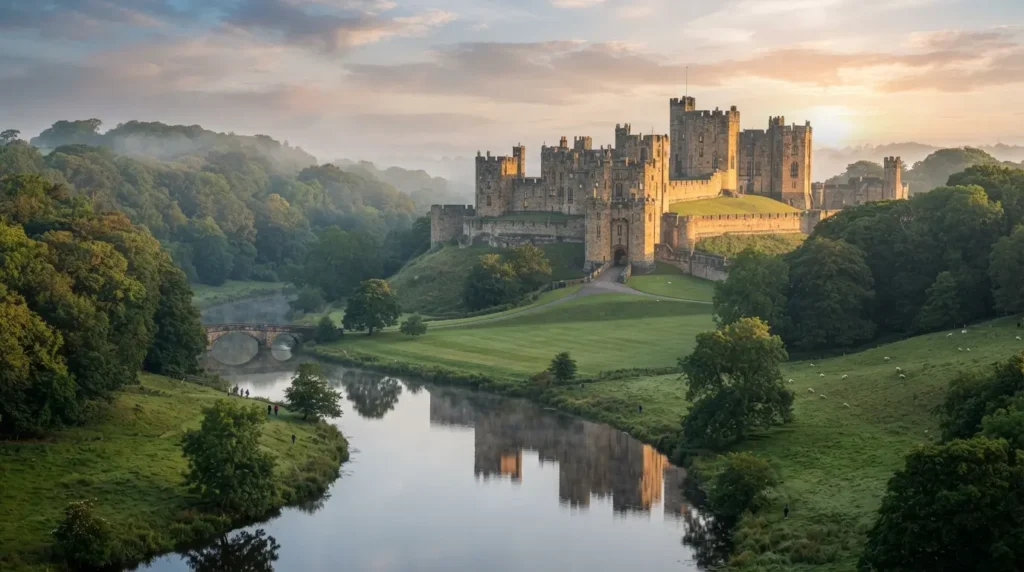
Across every major roundup, six castles come up again and again: Windsor Castle, the Tower of London, Warwick Castle, Dover Castle, Leeds Castle, and Alnwick Castle. Between them they cover a working royal residence, a fortress with underground WWII tunnels, and a castle that doubled as Hogwarts. If you only have time for one, Windsor Castle is the closest thing to a can’t miss, since it’s still an active royal residence and the largest occupied castle in the world.
Which Castles Near London Are Best for a Day Trip?
Windsor Castle, Leeds Castle, Hever Castle, Dover Castle, Arundel Castle, Rochester Castle, and Warwick Castle all work as day trips from London, though “near London” stretches the truth for a couple of them.
Windsor Castle is genuinely close, about 40 minutes by train from London Paddington. Plan for two and a half to three hours inside, and note St George’s Chapel is closed on Sundays. Leeds Castle and Hever Castle sit in Kent, roughly an hour by train plus a taxi or bus, so they eat up more of your day than the map suggests. Dover Castle runs closer to 90 minutes each way by high speed train from St Pancras, but it pairs naturally with a stop at the White Cliffs. Warwick Castle takes about an hour from London Euston and is the most activity heavy option, built around jousting, a maze, and a birds of prey display across 64 acres of grounds.
A common mistake first timers make is stacking two “near London” castles into one day. Most travelers find one castle plus its town makes a fuller day than rushing two.
Which English Castles Are Best to Visit With Kids?
Warwick Castle, Hever Castle, Alnwick Castle, Bodiam Castle, and the Tower of London consistently top family recommendations. The pattern is clear. Kids do better with hands on activities than roped off rooms.
Warwick Castle leans hardest into this with jousting, a trebuchet, and costumed characters. Hever Castle has a water maze and a walled garden kids can run through. Alnwick Castle offers broomstick training on the exact lawn used for the Harry Potter flying scenes. Bodiam Castle is small enough to explore in an hour or two, with a moat and murder holes that make medieval life feel real. The Tower of London balances dark history with the Crown Jewels and resident ravens, though queues run heavier here than almost anywhere else on this list.
Which Castles Are Best for Norman and Medieval History Lovers?
Rochester Castle, Dover Castle, Corfe Castle, Framlingham Castle, and Lincoln Castle offer the strongest Norman architecture, several tied directly to William the Conqueror’s building campaign after the Battle of Hastings in 1066.
Rochester Castle’s keep is one of the best preserved examples of Norman architecture in England, and the story of its near destruction by burning pig fat during a 13th century siege is one of the better tales in English castle history. Dover Castle layers medieval towers over WWII tunnels, so you get two very different eras in one visit. Lincoln Castle holds one of only four surviving original copies of the Magna Carta, displayed in a purpose built vault. For siege history, these five beat the more polished palace style castles.
Which English Castles Appear in Harry Potter, Downton Abbey, or Other Films?
Alnwick Castle doubled as Hogwarts in two Harry Potter films, and its broomstick lessons remain the most requested activity on site. Highclere Castle is the real life setting of Downton Abbey, with rooms like the library and drawing room recognizable straight from the show. Dunluce Castle on the Antrim coast inspired the ruined stronghold of Pyke in Game of Thrones, and Chepstow Castle appeared in a 50th anniversary Doctor Who episode.
Film fame has a downside. Highclere Castle opens to the public only a handful of weeks a year, so check the official calendar months ahead rather than assume you can turn up. Alnwick Castle also closes seasonally over winter, which surprises visitors planning around summer photos.
Which Castles in England Have the Best Gardens or Grounds?
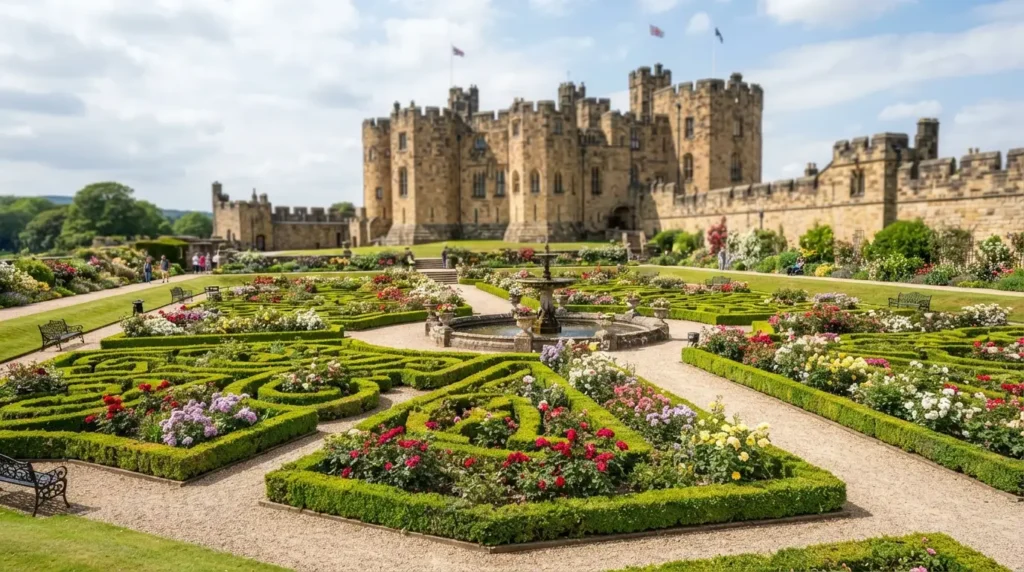
Blenheim Palace’s gardens were designed to echo the Palace of Versailles, worth the extra ticket if landscaping matters as much as the building. Hever Castle pairs a lake and Italian inspired terraces with a genuinely fun water maze. Leeds Castle sits reflected in its own moat with peacocks wandering the lawns, one of the most photogenic stops on this list even though its interior is less dramatic than Windsor’s. Sissinghurst Castle’s garden was laid out by Vita Sackville-West to feel like separate outdoor rooms and remains one of England’s most influential garden designs.
Is an English Heritage or National Trust Membership Worth It?
This depends on how many member sites you’ll actually visit, a calculation most guides skip.
An individual English Heritage membership runs roughly £80 to £95 a year, covering free entry to around 400 sites including Dover Castle, Kenilworth Castle, and Tintagel Castle. National Trust membership runs somewhat higher, close to £100 a year, and covers different properties, including some castle grounds rather than every interior.
Do the math first. If a single English Heritage ticket averages £15 to £20, you’d need roughly five to six visits a year to break even. A one week trip covering three or four English Heritage castles can make membership pay for itself on the spot, especially with the 25 percent off codes English Heritage often runs for new members. For a single trip to Windsor Castle, not covered by either membership since it’s run by the Royal Collection Trust, skip both and buy a standard ticket.
How Much Do Castle Tickets Cost in England?
Prices vary by castle and by how far ahead you book.
- Windsor Castle standard adult admission runs about £32 in advance or £36 on the day, under 5s free
- Warwick Castle tickets vary by season, with an annual pass from around £49 and day tickets higher in summer
- Most English Heritage sites like Dover Castle or Kenilworth Castle charge £12 to £22
- Cadw sites in Wales, including Caernarfon Castle and Conwy Castle, sit at the lower end of that range
Booking online is almost always cheaper than paying at the gate, sometimes by £4 or more per adult, and it guarantees a slot when on the day tickets sell out.
How Many Days Do You Need to See the Best Castles in England?
A London based long weekend comfortably covers two to three castles, such as Windsor Castle plus Leeds Castle or Hever Castle, without feeling rushed. A proper multi region tour through Kent, the Cotswolds, and Northumberland realistically needs seven to ten days factoring in driving time. Covering southern England, Wales, and Scotland’s castles in under two weeks usually means more time in the car than inside any castle.
What’s the Best Time of Year to Visit English Castles?
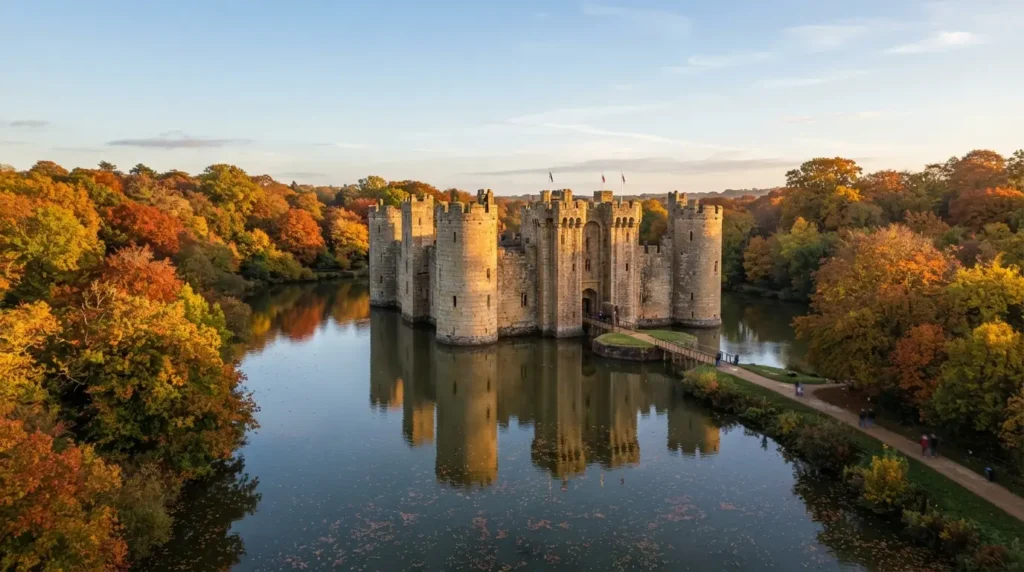
Late spring through early autumn, roughly May through September, brings the fullest experience, with gardens in bloom at Hever Castle and Sudeley Castle and events like jousting and falconry at full schedule. It’s also when crowds peak at Windsor Castle and Warwick Castle, so early entry within the first hour makes a real difference to queue times.
Several castles scale back over winter. Alnwick Castle typically shuts for the season and reopens in spring. Windsor Castle’s Semi-State Rooms only open from late autumn through early spring, so a winter visit unlocks rooms summer visitors never see. Locals recommend weekday mornings in shoulder season, April or October, for the best mix of weather and thin crowds.
Which Castles in England Are Ruins vs Fully Furnished Inside?
Corfe Castle, Tintagel Castle, Dunstanburgh Castle, and Framlingham Castle are genuine ruins, better suited to imagination and photography than a rainy day. Windsor Castle, Warwick Castle, and Hever Castle, by contrast, offer fully furnished interiors with state rooms and period decoration intact. If the forecast looks bad, book a furnished castle. Ruins have little real shelter, so a downpour can cut a visit short fast.
Windsor Castle vs Warwick Castle vs Leeds Castle: Which Should You Visit?
Windsor Castle suits travelers who want genuine, unscripted royal history, since it’s still an active residence rather than a museum piece. Warwick Castle suits families who want activities layered onto history, from jousting to a maze to a full day of entertainment. Leeds Castle suits anyone who wants a slower, scenic day built around gardens, a lake, and peacocks. History first, choose Windsor. Kids along, choose Warwick. Relaxed afternoon, choose Leeds.
Conclusion
The best castles to visit in England aren’t just the famous names you already know. They’re the ones that match what you actually want from the day, whether that’s Windsor Castle’s living royal history, Warwick Castle’s family friendly chaos, or a quiet ruin like Corfe Castle with nobody else around. Start with one or two castles near your base, check opening days and seasonal closures before you book, and build the rest of your trip around them.
FAQs
Can you visit castles in England for free?
Some exteriors and grounds can be viewed without paying, including parts of Ogmore Castle and the outer walls at Conwy Castle, but stepping inside almost always requires a ticket.
What is the oldest castle still standing in England?
Windsor Castle and the Tower of London both date their origins to 1017, among the oldest continuously used castle sites in the country, though both have been rebuilt many times since.
Which castle is closest to London?
Windsor Castle is the closest major castle to central London, roughly 40 minutes away by direct train.
Are English castles dog-friendly?
It depends on the site. Conwy Castle’s café allows dogs even though dogs can’t go inside the castle, and policies like this vary property to property.
Do you need to book castle tickets in advance?
For popular castles like Windsor and Warwick, yes. Advance booking is usually cheaper and guarantees entry, while on the day tickets can sell out during peak summer weekends.


