
Lake Como vs Lake Garda: Which Italian Lake Should You Visit?
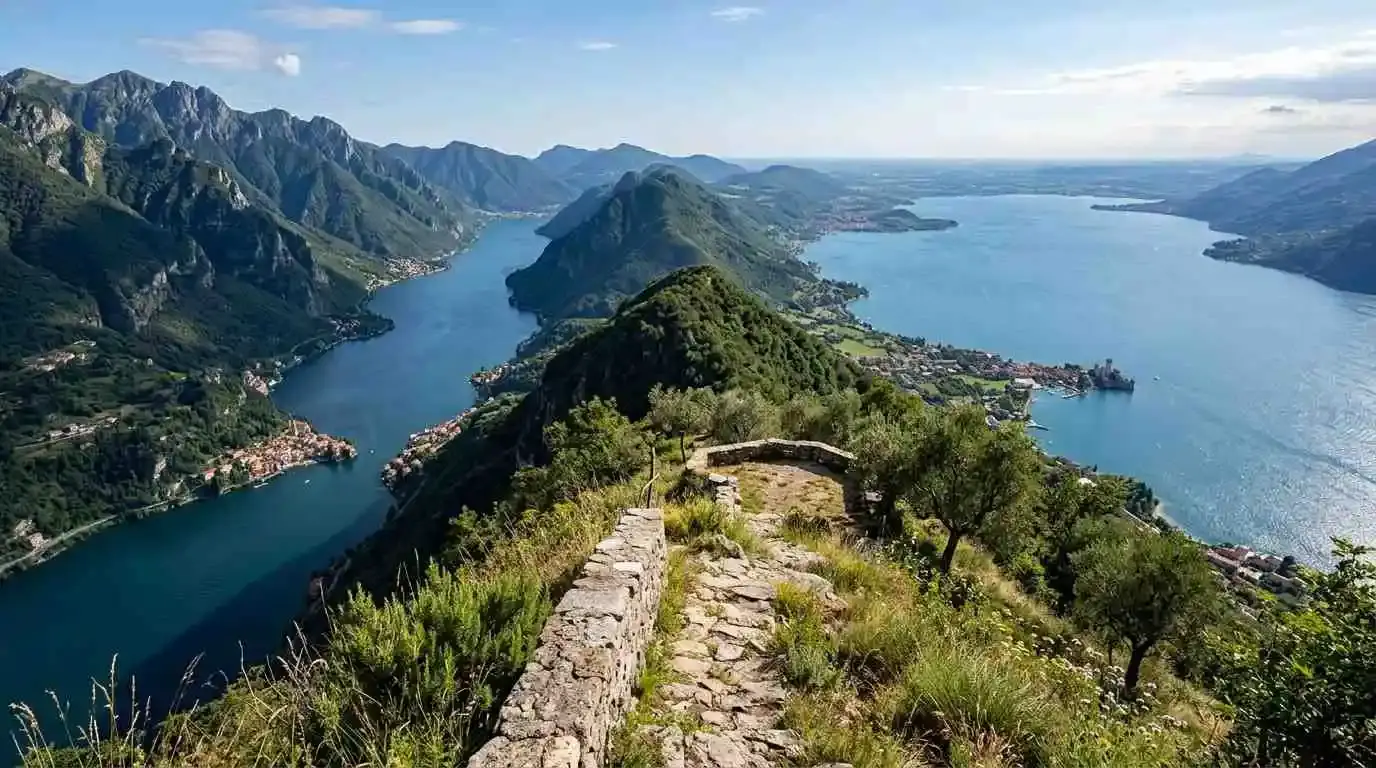
Lake Como suits travelers chasing luxury villas, romance, and celebrity scenery, while Lake Garda suits families and active travelers who want beaches, water sports, and better value for money. Both sit in northern Italy within a few hours of each other, which makes the choice feel harder than it should.
That decision gets confusing fast once you start reading. Every blog seems to pick a favorite, throw out a different price range, and leave you no closer to booking anything. This guide breaks down the real differences between Lake Como and Lake Garda so you can pick the one that actually fits your trip.
What Is the Difference Between Lake Como and Lake Garda?
Lake Como is a smaller, Y-shaped glacial lake near Milan known for luxury villas and celebrity homes. Lake Garda is Italy’s largest lake, spanning three regions with a mix of rugged northern mountains and family-friendly southern beaches and theme parks.
Como feels intimate and vertical, with mountains dropping straight into the water and towns stacked on steep hillsides. Garda feels vast and varied, shifting from windswept Alpine cliffs in the north to gentle vineyard hills in the south.
Lake Como vs Lake Garda at a Glance
| Feature | Lake Como | Lake Garda |
| Size | About 146 square kilometers | About 370 square kilometers |
| Shape | Y-shaped, three branches | Long, elongated basin |
| Regions | Lombardy | Lombardy, Veneto, Trentino-Alto Adige |
| Known for | Villas, luxury, celebrities | Water sports, beaches, theme parks |
| Vibe | Refined, romantic | Lively, family-friendly |
| Closest city | Milan, 1 hour | Verona, Milan, Venice |
Which Lake Is Bigger, Lake Como or Lake Garda?

Lake Garda is significantly bigger, covering about 370 square kilometers as Italy’s largest lake, compared to Lake Como’s roughly 146 square kilometers as the country’s third largest. Garda’s larger size means more diverse landscapes stretched across a much wider area, but it also means longer travel times between towns if you’re trying to see multiple spots in one day.
Which Lake Is Easier to Get to From Milan or Venice?
Lake Como is easier to reach from Milan, with direct trains from Milano Centrale to Como Lago or Varenna taking about an hour. Lake Garda sits roughly between Milan and Venice, with trains to Peschiera del Garda taking about 1 hour 20 minutes from Milan or 2 hours from Venice.
Neither lake puts its best towns right next to the train station, though. The easiest stops to reach, like Como city or Peschiera, tend to be busier hubs rather than the most scenic villages. Reaching Bellagio on Como or Riva del Garda on the northern tip of Garda takes an extra ferry ride or bus transfer, so budget more travel time than the headline train numbers suggest.
Getting to Lake Como vs Lake Garda
| Route | Time | Notes |
| Milan to Como Lago (train) | About 1 hour | Direct, frequent departures |
| Milan to Peschiera del Garda (train) | About 1 hour 20 minutes | Direct from Milano Centrale |
| Venice to Peschiera del Garda (train) | About 2 hours | Departs Venezia Santa Lucia |
| Como city to Bellagio (ferry) | 1 to 1.5 hours | Add extra time in summer queues |
| Lake Como to Lake Garda (car or train) | 2.5 to 3 hours | Via Milan, no direct train |
Is Lake Como or Lake Garda More Affordable?
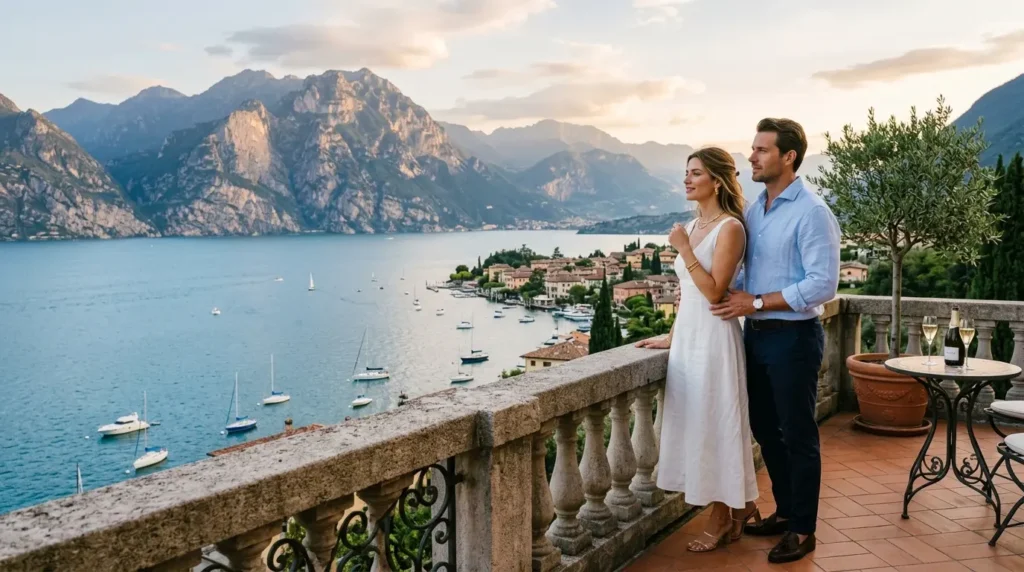
Lake Garda is generally more affordable, with a wider range of budget hotels, campsites, and family accommodations, while Lake Como skews toward mid-range and luxury with genuinely budget stays hard to find, especially in Bellagio and Varenna.
Expect to pay around 15 to 20 euros for a plate of pasta on either lake, compared to 10 to 12 euros in most other Italian cities, so neither destination counts as cheap by national standards. A mid-range hotel in Bellagio during peak season averages around 310 euros a night, which puts real pressure on travelers hoping to keep costs down on Como specifically. Lake Garda’s southern towns offer a noticeably wider spread of two-star pensions, agriturismi, and family hotels at gentler prices.
Daily Budget by Traveler Type: Lake Como vs Lake Garda
| Spending Level | Lake Como | Lake Garda |
| Budget | Around 130 dollars per day | Slightly lower, more hostel and campsite options |
| Mid-range | Around 270 to 300 dollars per day | Comparable, wider hotel variety |
| Luxury | 550 dollars per day and up | High end available, fewer ultra-luxury options |
A common mistake first timers make is assuming Lake Como is only for the ultra wealthy. Staying in Varenna instead of Bellagio, and eating at family run trattorias rather than hotel restaurants, brings costs down considerably while keeping the same scenery.
Is Lake Como Overrated Because of Overtourism?
Lake Como’s popularity has created real strain, with Como province recording 4.8 million overnight stays in 2023, up 25 percent from 2019, and Bellagio ferry queues regularly running 40 to 60 minutes in July and August. Visiting outside midday hours or during shoulder season significantly improves the experience.
This isn’t exaggeration for effect. Bellagio’s narrow streets and small ferry terminal simply weren’t built for the volume of day trippers now arriving from Milan on buses and morning trains. Travelers consistently find that arriving before 9:30am or after 5pm avoids the worst of the crowds, since tour groups tend to cluster around midday. Varenna offers a genuinely calmer alternative with similar views, better ferry access, and lower prices than its more famous neighbor across the water.
Lake Garda deals with crowding too, particularly on its southern shore around Sirmione and Peschiera in peak summer, but the sheer size of the lake spreads visitors out more effectively than Como’s compact, wishbone shaped basin.
Which Lake Is Better for Families?
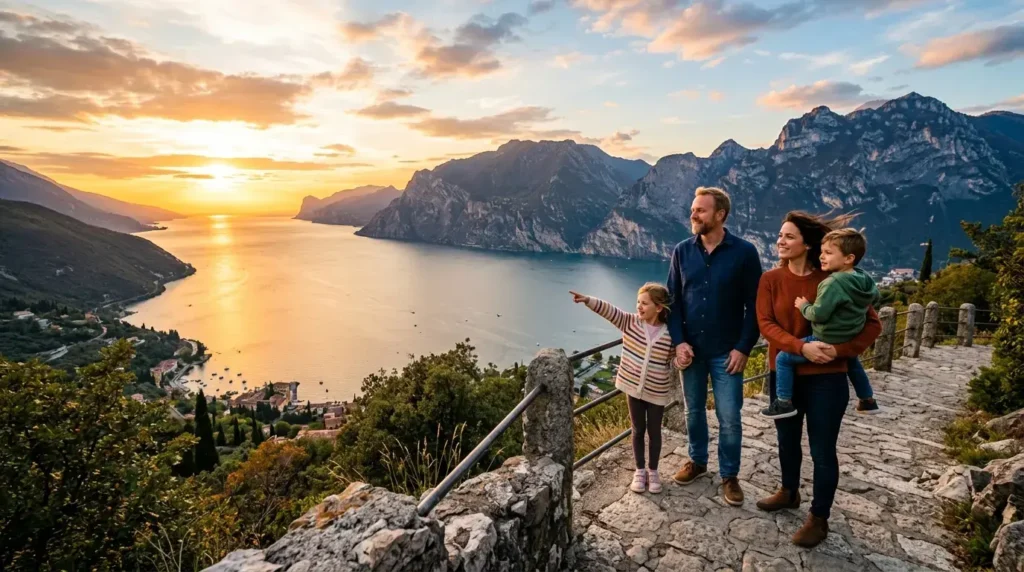
Lake Garda is better for families, thanks to theme parks like Gardaland, flatter and more stroller-friendly southern shore towns, sandy beaches, and a wider range of family-oriented accommodation compared to Lake Como’s hillier terrain and more adult-focused luxury scene.
Gardaland sits near Peschiera del Garda and ranks among Italy’s largest amusement parks, with a companion water park and aquarium nearby for multi-day family stays. Lake Como isn’t impossible with kids, but the steep, stepped streets in towns like Bellagio make strollers genuinely difficult to manage, and the villa focused attractions appeal more to adults than children.
Which Lake Has Better Beaches?
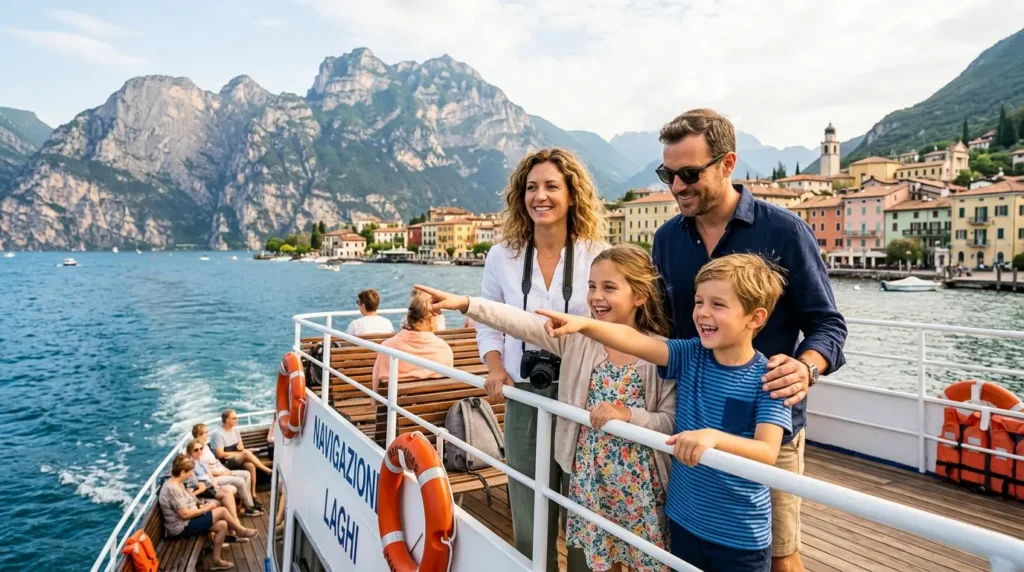
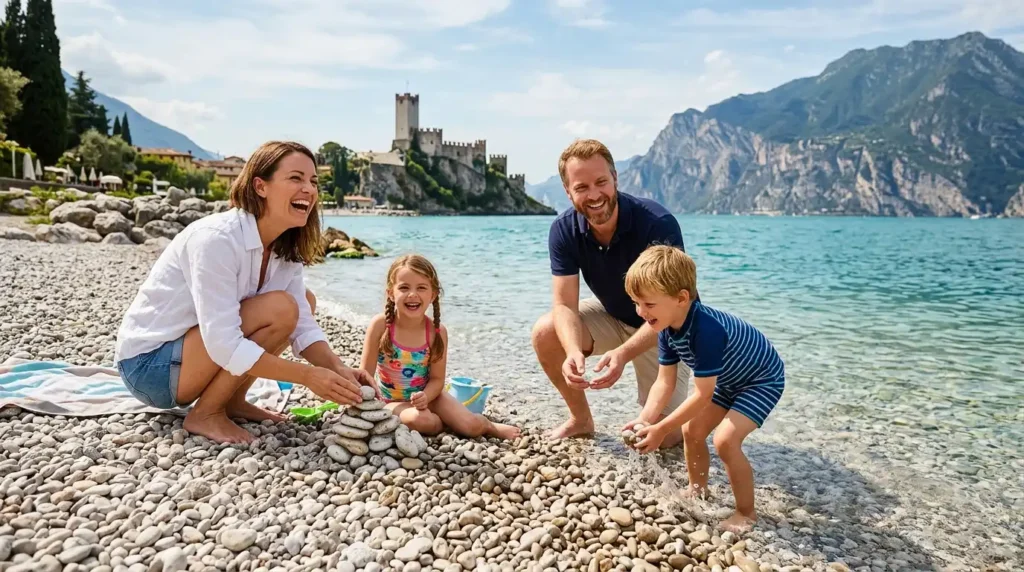
Lake Garda has noticeably better beaches, with sandy and pebbly shores in towns like Limone and Torbole plus amenities like sun loungers and cafes, while Lake Como’s swim spots are mostly small pebbly areas or drop off points with fewer sandy stretches.
Limone’s beach gets sun for most of the day and works well for families wanting a proper beach day. Lake Como does have a handful of options, including a public beach in Bellano and small areas around Como town, but swimmers should expect rocky entry points rather than soft sand, and locals note water quality varies enough that rinsing off afterward is standard practice on both lakes.
Which Lake Is Better for a Honeymoon?
Lake Como is the stronger choice for a honeymoon, with its refined villas, quieter evenings, and romantic promenades in towns like Varenna and Bellagio, while Lake Garda suits couples who want a livelier pace alongside their romance.
The elegant bars, candlelit terraces, and manicured botanical gardens at properties like Villa Carlotta give Como a storybook quality that’s hard to replicate elsewhere. Couples wanting more to do beyond quiet dinners, like windsurfing lessons or a cable car ride up Monte Baldo, tend to find Lake Garda’s northern towns strike a nice balance between romance and activity.
What’s the Best Time of Year to Visit Lake Como or Lake Garda?
Mid April to late May and September through October offer the best balance of good weather and thinner crowds on both lakes, while June through August brings peak heat, peak prices, and the heaviest tourist volume, especially around Bellagio and southern Lake Garda.
Locals recommend late April specifically, when wildflowers are in bloom, villa gardens are fully open, and daytime temperatures sit comfortably between 16 and 22 degrees Celsius. Lake Garda’s northern half sees more seasonal closures in winter, with some hotels and restaurants shutting from November through March, while its southern towns like Sirmione stay open year round thanks to the thermal baths.
Best Months to Visit by Priority
| Priority | Best Months |
| Fewer crowds | April, late September, October |
| Warmest swimming water | Late July, August |
| Best weather for walking | May, September |
| Lowest hotel prices | November to March (limited services) |
Can You Visit Both Lake Como and Lake Garda on One Trip?
Yes, the two lakes sit about 180 kilometers apart, roughly 2.5 to 3 hours by car or train via Milan, making it possible to see both with at least 4 to 5 days, though high season traffic can eat into sightseeing time.
There’s no direct train between the two, so travelers connect through Milan regardless of which direction they’re heading. Most visitors who split their trip recommend spending slightly more time on Lake Garda given its larger size and greater variety, using Varenna or Menaggio as a comfortable home base on the Como side.
Which Lake Is Better for Solo Travelers, Couples, or Backpackers?

Backpackers and budget solo travelers generally do better on Lake Garda thanks to hostels, campgrounds, and free outdoor activities, while couples seeking a quieter, more polished experience tend to prefer Lake Como despite its higher cost.
Best Lake by Traveler Type
| Traveler Type | Better Lake |
| Honeymoon or romantic getaway | Lake Como |
| Family with young kids | Lake Garda |
| Budget backpacker | Lake Garda |
| Outdoor adventure seeker | Lake Garda |
| Luxury or milestone celebration | Lake Como |
| History and architecture lovers | Either, slight edge to Lake Garda for Roman ruins |
Lake Como vs Lake Garda: Which Should You Choose?
Choose Lake Como for luxury, romance, and iconic villa scenery if budget allows and you don’t mind crowds around Bellagio. Choose Lake Garda for better value, more outdoor activities, family-friendly beaches, and a more varied landscape across a larger area.
Neither choice is wrong. The Lake Como versus Lake Garda debate really comes down to what kind of trip you want, slow and elegant or active and varied, rather than one lake being objectively superior to the other.
Final Thoughts
Lake Como and Lake Garda both deliver the mountain backed, waterfront charm that draws people to northern Italy in the first place. Pick Como if a slower, more polished trip with villa gardens and quiet evenings sounds right. Pick Garda if you want beaches, water sports, and more room to roam with the family. Either way, aim for April, May, September, or October to skip the worst of the summer crowds and get the best version of whichever lake you choose.
FAQs
Lake Como or Lake Garda, which is better?
Neither is universally better. Lake Como wins for luxury and romance, Lake Garda wins for value, families, and outdoor activities.
What is the difference between Lake Como and Lake Garda?
Lake Como is smaller and more refined with celebrity villas, while Lake Garda is Italy’s largest lake with beaches, water sports, and theme parks.
Which lake is bigger, Lake Como or Lake Garda?
Lake Garda is bigger, covering about 370 square kilometers compared to Lake Como’s roughly 146 square kilometers.
Can you visit both Lake Como and Lake Garda?
Yes, they sit about 2.5 to 3 hours apart by car or train, making a combined trip possible with 4 to 5 days.
How far is Lake Garda from Lake Como?
About 180 kilometers, with no direct train, so travelers connect through Milan.
Which Italian lake is best for families?
Lake Garda, thanks to Gardaland, sandy beaches, and flatter, stroller-friendly towns.
Is Lake Como or Lake Garda more affordable?
Lake Garda is generally cheaper, with more budget hotels and campsites than Lake Como’s luxury-heavy market.
Is Lake Como overrated because of overtourism?
It has genuine crowd problems in peak season, especially in Bellagio, but visiting early morning or during shoulder season solves most of it.


