Trip to Nicaragua: Itinerary Ideas, Top Places and Practical Guide for 2026
A trip to Nicaragua typically covers colonial Granada, volcano boarding near León, Isla Ometepe and the surf beaches around San Juan del Sur. The country offers active volcanoes, lake islands, colonial streets and Pacific waves within short distances. Most visitors enter via Managua airport and move by shuttle or local transport. Seven to ten days cover the main highlights comfortably. The currency is the Nicaraguan córdoba, though US dollars are widely accepted.
Granada Colonial Centre
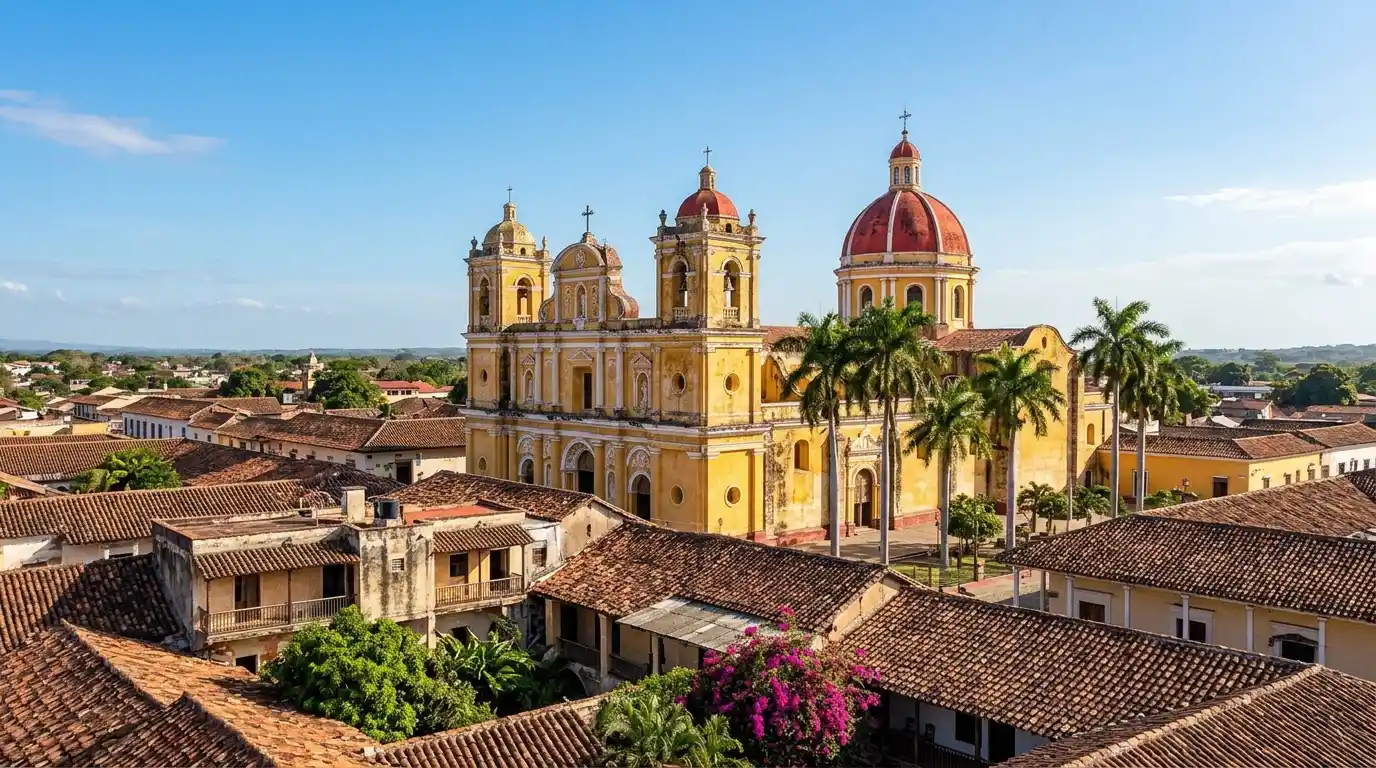
Granada is the oldest colonial city in Central America, with colourful buildings, churches and a lively plaza. The cathedral and surrounding streets form the core. Boat trips to the Las Isletas, a group of small islands in Lake Nicaragua, leave from the waterfront. Laguna de Apoyo, a nearby crater lake, offers swimming and a quieter pace. Allow two to three days. Shared shuttles from Managua take about one hour. The city works well as a base for day trips.
Horse-drawn carriages operate, though many visitors prefer walking. Markets and cafes fill the centre. The setting beside the lake adds open views. Combining Granada with a volcano day and the islets fills the time without rushing. Evening walks along the illuminated streets show a different side.
León and Volcano Boarding
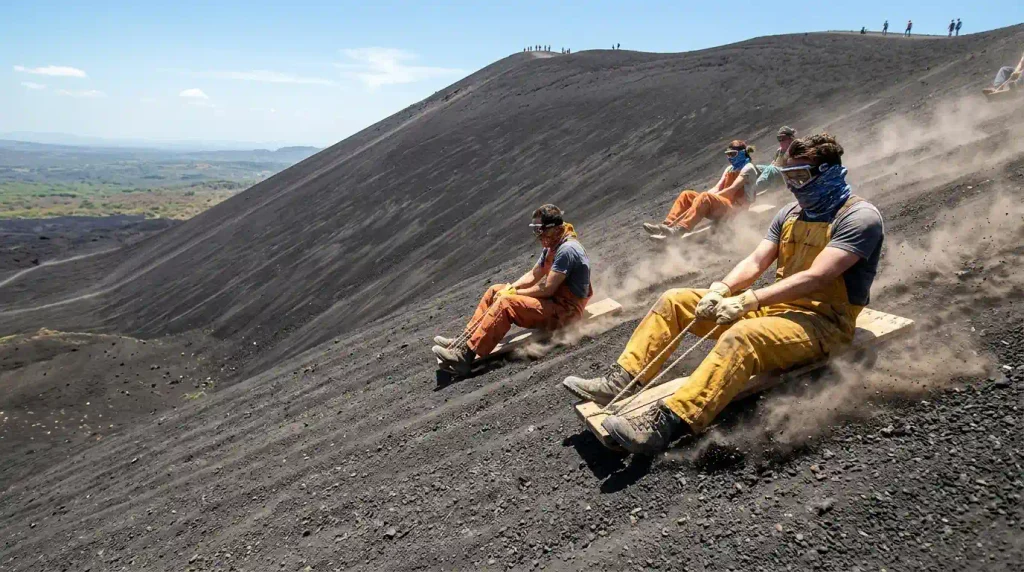
León offers a grittier colonial atmosphere, murals and a large cathedral whose roof can be climbed for views. The main draw for many is volcano boarding down Cerro Negro, an active volcano. Operators provide suits, boards and transport from the city. The activity involves a hike up and a slide down the sandy slope. Allow a full day. León sits northwest of Granada, with shuttles connecting the two in a few hours.
The city has a younger feel than Granada and strong revolutionary history. Walking tours cover the main sites. The volcano experience is unique in the region and attracts adventure visitors. Two days cover the city and the boarding trip. Early starts help with the heat on the volcano.
Isla Ometepe
Isla Ometepe rises from Lake Nicaragua with two volcanoes. Hiking, springs, beaches and a slow pace define the island. Ferries leave from San Jorge near Rivas. Most visitors stay two to four nights. Trails lead up the volcanoes, though guides are recommended for the higher routes. The island feels removed from the mainland pace. Kayaking and cycling are popular low-key options.
Accommodation ranges from simple hostels to eco-lodges. The twin volcanoes dominate the views. Getting there requires planning around ferry times. Many itineraries place Ometepe after Granada. The combination of water, volcanoes and rural life makes it a highlight for many travellers.
San Juan del Sur and Pacific Beaches
San Juan del Sur is the main surf town on the Pacific coast. Beaches nearby such as Maderas and Remanso suit different skill levels. Lessons are widely available. The town itself has a bay, restaurants and a relaxed atmosphere. Allow two to three days. It sits south of Granada and connects easily by shuttle. Popoyo further north offers another surf option with a quieter base.
The Emerald Coast draws visitors for consistent waves. Horseback riding and canopy tours add variety. The area works well at the end of a trip for downtime. Many operators run combined surf and stay packages. The coast provides a contrast to the colonial cities and volcanoes inland.
Masaya Volcano and Markets
Masaya Volcano National Park allows views into an active crater, sometimes with visible lava. The park sits between Granada and Managua. Night visits are possible for the glowing crater. Nearby Masaya town has a large artisan market. The stop fits easily into a transfer day. Entry fees apply and the park is well organised for visitors.
The volcano is one of the most accessible active ones in the region. Combine it with a market visit for crafts. The short distance from Granada makes it practical. Safety rules are enforced around the crater viewpoint. It adds a geological element to the cultural and beach stops.
Getting Around and Transport
Managua airport is the main entry. Shared shuttles link the main towns and cost less than private transfers. Local buses are cheaper but slower and more crowded. Ferries serve Ometepe. Distances are short by Central American standards. Most travellers move every two to three days. US dollars are accepted alongside the córdoba. ATMs are available in cities.
Rental cars are an option for independent travel, though roads vary. Organised tours handle the volcano boarding and some day trips. The network of shuttles makes independent movement straightforward. Planning around ferry and shuttle schedules keeps the itinerary smooth. For other Latin American ideas, see luxury travel Machu Picchu.
Suggested 7-10 Day Itinerary
Days 1-3: Granada, islets and Laguna de Apoyo. Days 4-5: León and Cerro Negro volcano boarding. Days 6-8: Ometepe. Days 9-10: San Juan del Sur beaches. Adjust based on interests. Add Masaya on a transfer day. Ten days allow a more relaxed pace. Shorter trips drop one destination, usually the beaches or a shorter Ometepe stay.
The route moves logically from south to north or vice versa. Many visitors fly into Managua and out the same way. Internal flights are limited, so ground transport dominates. The mix of city, volcano, island and beach covers the main draws. Related adventure travel appears in bucket list travel and New Zealand adventure itinerary.
Budget ranges vary with accommodation style. Hostels and local food keep costs lower. Mid-range hotels and organised activities raise the total. The country remains more affordable than neighbouring Costa Rica for similar activities. Cash is useful for smaller places and buses.
Best Time and Practical Notes
The dry season from December to April is the most popular. The green season brings rain but fewer crowds and lower prices. Both work depending on tolerance for weather. Temperatures stay warm year-round. Mosquito protection is sensible in some areas. Standard travel precautions apply. English is spoken in tourist zones, with Spanish more widely used.
Street food and local restaurants are inexpensive. International options appear in the main towns. The Pacific coast has consistent surf in certain months. Volcano activities run year-round subject to conditions. Planning a mix of active and rest days keeps the trip balanced. Other coastal comparisons include best beach in Aruba.
Food and Daily Costs
Local meals feature gallo pinto (rice and beans), plantains, fresh fish on the coast and grilled meats. Street food and comedores keep prices low. Mid-range restaurants in Granada and León offer more variety. Daily costs for food stay modest compared with many destinations. Markets provide fresh fruit and snacks for day trips.
Coffee is widely available and of good quality. Rum is produced locally and appears in many bars. The combination of affordable eating and active days suits a range of budgets. Tipping is appreciated but not mandatory in most casual places.
FAQs
Trip to Nicaragua
A typical trip covers Granada, León with volcano boarding, Isla Ometepe and San Juan del Sur beaches. Seven to ten days work well. Enter via Managua and use shuttles between stops. The country mixes colonial cities, active volcanoes and Pacific surf.
How many days do I need in Nicaragua?
Seven days cover the main highlights at a steady pace. Ten days allow more time on Ometepe or the beaches. Shorter trips focus on Granada and one other stop. Two weeks permit a slower route including the Corn Islands if desired.
Is volcano boarding safe?
Operators provide equipment and guides. The activity involves a hike and a controlled slide. Follow instructions. It is popular and runs regularly. Check current conditions as the volcano is active.
What is the best time to visit Nicaragua?
December to April is the dry season and most popular. May to November is greener with more rain. Both seasons have advantages. Temperatures remain warm throughout the year.
How do I get around?
Shared shuttles connect the main towns. Local buses are cheaper. Ferries reach Ometepe. Distances are manageable. Private transfers are available for more comfort.
Is Nicaragua affordable?
Yes, compared with Costa Rica for similar activities. Hostels, local food and buses keep costs down. Mid-range options and tours raise the budget. US dollars are widely accepted.
What are the main highlights?
Granada’s colonial streets, volcano boarding at Cerro Negro, Isla Ometepe’s twin volcanoes, Masaya crater and the beaches near San Juan del Sur. The islets of Lake Nicaragua add boat time.
Do I need Spanish?
English works in tourist areas and with shuttle drivers. Basic Spanish helps with local buses and markets. Guides on tours usually speak English. Learning a few phrases is useful.
Can I surf in Nicaragua?
Yes. San Juan del Sur and nearby beaches such as Maderas suit different levels. Lessons are available. Popoyo is another option. The Pacific coast has consistent waves in season.
Is Ometepe worth the ferry?
Yes for most visitors. The island offers volcano hikes, springs and a relaxed pace. Two to four nights are common. Ferry times require planning. The setting is distinctive.
What currency is used?
The Nicaraguan córdoba. US dollars are accepted in most tourist places. ATMs are in cities. Cash is useful for smaller towns and buses.
Are there active volcanoes?
Yes. Cerro Negro is used for boarding. Masaya has a crater viewpoint. Ometepe’s volcanoes can be hiked. Conditions are monitored. The volcanic landscape is a major draw.