Food for the Hungry: What the Organization Does and How It Helps
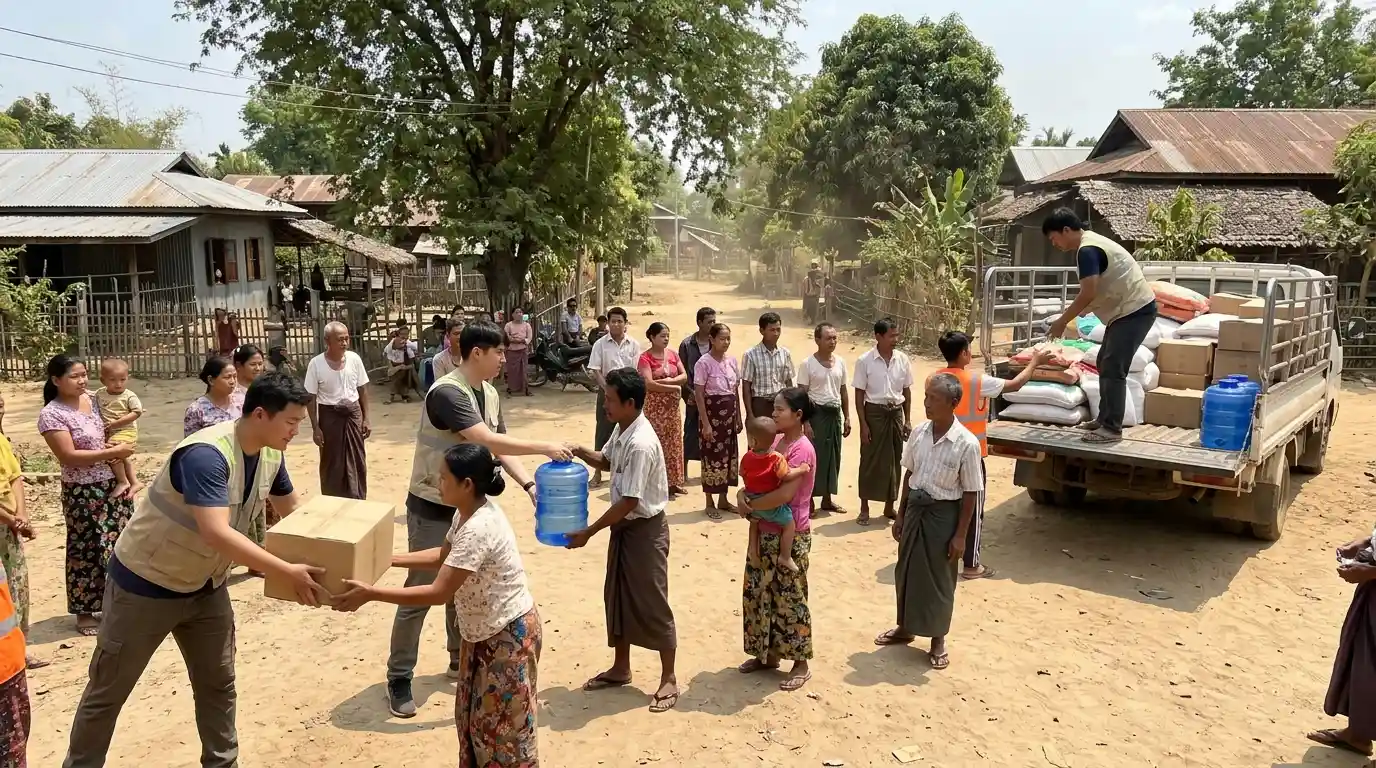
Food for the Hungry is a Christian humanitarian organization founded in 1971 that works to end poverty by supporting communities with food, health, education, and development programs across nearly 20 countries.
History of Food for the Hungry
Larry Ward started Food for the Hungry in 1971 after seeing the need to help children one at a time. The name comes from Psalm 146:7. Early work included aid after the 1972 Nicaragua earthquake and support for Vietnamese boat people. The group moved its headquarters to Arizona in 1974 and began child sponsorship in 1978. Today it remains a charter member of the Evangelical Council for Financial Accountability.
Over five decades the organization has expanded from emergency response to long-term development. It partners with local leaders so communities gain the skills and resources to sustain progress. This approach aims to graduate communities out of extreme poverty within 10 to 15 years.
What Food for the Hungry Does
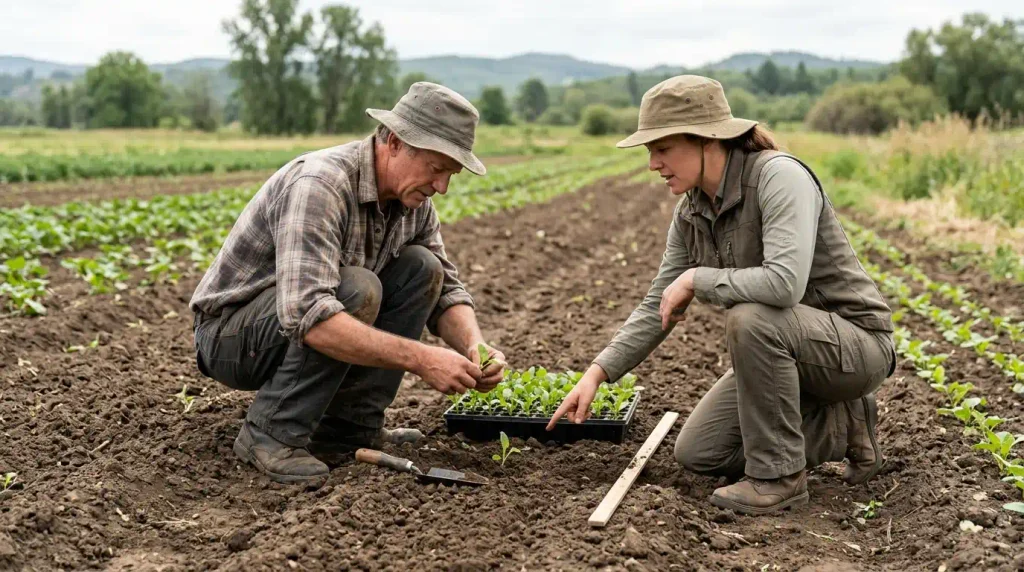
The group designs programs in six main areas: agriculture, health, education, livelihoods, water and sanitation, and emergency response. Farmers learn better growing methods that increase food for families and income at market. Health teams train communities on treatment and clean water access. Education partners help children stay in school. Emergency work provides rapid aid after disasters such as floods or conflict displacement.
In 2026 the organization reported serving more than 10 million people in 17 to 18 countries. Roughly 1.7 million people received life-saving care through emergency response in nine countries. More than one million gained better access to clean water, sanitation, and hygiene.
How Communities Benefit
Programs focus on root causes rather than short-term handouts. Local staff, many working in their home countries, train residents so solutions last after projects end. Child sponsorship connects donors with specific children and supports education and nutrition. Gift catalogs let supporters send items such as livestock or farming tools. Monthly giving funds ongoing work where needs are greatest.
Impact reports show communities growing more food, children attending school longer, and families recovering faster after crises. The model stresses agency so people make their own decisions once they have tools and knowledge.
Where Food for the Hungry Works
Operations cover parts of Africa, Asia, and Latin America. Recent emergency responses include support for flood survivors in Nepal and ongoing work with refugee populations. Headquarters remains in the United States, with most field staff based in the countries they serve. The group collaborates with local governments and other aid organizations when large disasters strike.
Travelers interested in related global topics can read about best places to visit in October or explore things to do in Stuttgart for cultural context.
How to Support the Work
Donors can sponsor a child, give to emergency appeals, or choose items from the gift catalog. Monthly support goes to programs that need funds most. The website lists current campaigns and ways to give. Transparency reports are available through the Evangelical Council for Financial Accountability membership.
Corporate and church partnerships also fund specific projects. Volunteers sometimes join short-term teams, though most development work is led by national staff. Anyone interested in broader travel experiences might check trip to Amalfi Coast or places to visit in Vietnam.
Programs in Practice
Agriculture training covers soil care, seed selection, and market access. Health programs include maternal care and disease prevention. Education efforts focus on teacher support and school supplies. Livelihood projects help families start small businesses. Water projects install wells and teach hygiene. Emergency kits contain food, shelter materials, and medical supplies.
Results are measured by how many communities meet graduation criteria such as stable food supply, school attendance rates, and reduced illness. The approach avoids creating dependency by building local capacity from the start.
Challenges and Future Work
Climate-related disasters and conflict continue to create new needs. The organization adjusts programs as conditions change while keeping the focus on long-term resilience. Funding comes from individuals, foundations, and grants. Public reports track spending so donors can see how money is used.
Looking ahead, Food for the Hungry plans to expand successful models to more communities while maintaining quality. Partnerships with other groups help cover larger areas when needs exceed one organization’s capacity.
Readers exploring related topics can find best fishing towns in Florida, living on a boat, or solo hiking trips for other lifestyle ideas. Additional context appears in pieces on things to do in Trieste and White Beach Moalboal.
FAQs
What is Food for the Hungry?
Food for the Hungry is a Christian relief and development organization founded in 1971 by Larry Ward. It works with communities in about 18 countries to address poverty through agriculture, health, education, and emergency aid.
How does Food for the Hungry help people?
It trains farmers, improves water access, supports schools, and responds to disasters. The goal is to help communities become self-reliant within 10 to 15 years rather than provide only short-term relief.
Where does Food for the Hungry work?
Programs run in parts of Africa, Asia, and Latin America. Recent efforts have included emergency response in Nepal and support for refugee communities in several countries.
Is Food for the Hungry a religious group?
Yes, it is a Christian organization motivated by faith. It serves people of any background and partners with local leaders regardless of religion.
How can someone support Food for the Hungry?
Options include child sponsorship, monthly giving, gift catalog purchases, and emergency donations. Details are listed on the organization’s website.
How many people does Food for the Hungry serve?
Reports from 2026 show more than 10 million people reached across 17 to 18 countries. Millions have gained better water access or received emergency care.
What is the history of Food for the Hungry?
Larry Ward founded it in 1971. Early work included earthquake relief and refugee support. Child sponsorship began in 1978, and the group has focused on long-term development since then.
Does Food for the Hungry only provide food?
No. Food is one part of the work. Programs also cover health, education, livelihoods, water, sanitation, and disaster response so communities can sustain progress.
How does the organization measure success?
It tracks whether communities meet graduation criteria such as stable food supplies, higher school attendance, and lower illness rates after project support ends.
Can volunteers join Food for the Hungry projects?
Most field work is done by national staff. Short-term volunteer opportunities sometimes exist, but long-term impact relies on local leadership and trained residents.
Where is Food for the Hungry headquartered?
Headquarters is in the United States, currently listed in Phoenix, Arizona. The large majority of staff work in the countries where programs operate.