Things to Do in Tunisia: Top Attractions, Sites and Practical Guide for 2026
Things to do in Tunisia include exploring Roman ruins at Carthage and Dougga, walking the medinas of Tunis and Sousse, visiting the blue-and-white town of Sidi Bou Said, and experiencing the Sahara desert around Douz or Tozeur. The country offers Mediterranean coast, ancient history and desert landscapes within short distances. Most visitors base in Tunis for northern sites and add a southern desert extension.
Carthage and the Bardo Museum
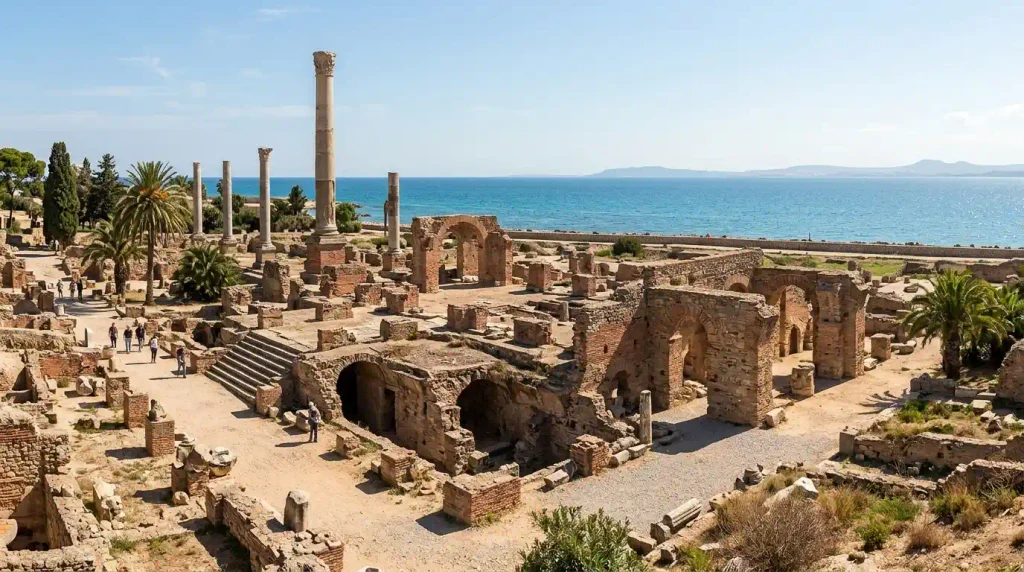
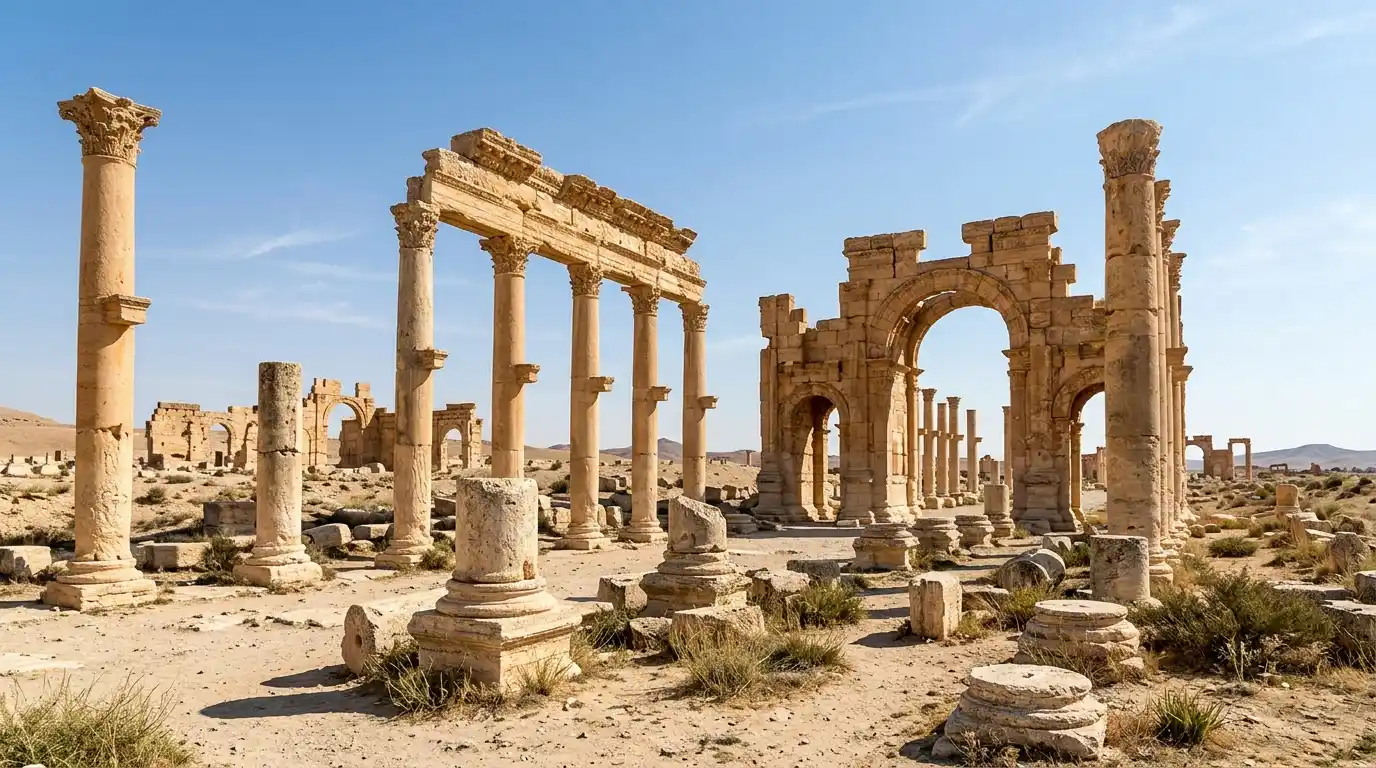
Carthage, a UNESCO World Heritage Site, spreads along the coast north of Tunis with Punic ports, Roman baths and villas. The Antonine Baths rank among the best-preserved Roman remains. The site covers several kilometres, so allow half a day and combine with the nearby Bardo Museum, which holds one of the world’s largest collections of Roman mosaics. Entry fees apply at both, and guided options are available. The location sits a short taxi or train ride from central Tunis.
The Bardo occupies a 19th-century palace and reopened with updated displays. Mosaics from across the country fill the halls. Photography rules vary by section. Pairing the museum with Carthage works well for a single day from the capital. Public transport reaches the area, though taxis offer more flexibility with the heat.
Medinas of Tunis and Sousse
The Medina of Tunis, also UNESCO-listed, contains souks, mosques, palaces and narrow lanes covering hundreds of hectares. Souks operate roughly 9:00 to 18:00 most days. Bargaining is expected for souvenirs. The Great Mosque and several madrasas stand out. Sousse Medina offers a similar atmosphere with a ribat fortress and archaeological museum nearby. Both medinas reward early morning visits before crowds and heat build.
Sfax Medina provides a less touristy alternative with active daily life. All three allow easy walking, though comfortable shoes help on uneven surfaces. Street food such as brik and couscous appears throughout. Respect local customs around mosques and prayer times. The medinas remain the best introduction to traditional urban Tunisia.
Sidi Bou Said and Cap Bon
Sidi Bou Said sits on a cliff above the Gulf of Tunis, known for white buildings and blue doors. Cafes offer sea views and mint tea. The town lies a short drive or train ride from Tunis and makes a pleasant half-day trip. Nearby Cap Bon peninsula features beaches at Hammamet and further coastal scenery. These areas suit visitors seeking a lighter pace after the capital’s intensity.
The blue-and-white palette dates to an early 20th-century artistic community. Narrow streets fill with small shops. Sunset views from the cliff attract locals and visitors. Combine with a beach afternoon if time allows. The short distance from Tunis makes it practical even on a tight schedule.
Dougga and Other Roman Sites
Dougga, northwest of Tunis, preserves a nearly complete Roman town with temples, a theatre and bathhouses. The site requires a day trip, usually by car or organised tour. El Jem’s amphitheatre ranks as the second-largest after Rome and stands remarkably intact. Both sites illustrate the depth of Roman presence in North Africa. Entry is affordable, and the settings remain relatively uncrowded compared with European equivalents.
Bulla Regia adds underground villas with mosaics still in place. These inland sites work best with a private driver or small-group tour due to limited public transport. Spring and autumn avoid the strongest heat for walking the ruins. The combination of Carthage, Dougga and El Jem covers the major Roman highlights.
Sahara Desert and Southern Tunisia
Douz and Tozeur serve as gateways to the Sahara. Camel treks, 4×4 dune drives and overnight camps are standard. Star Wars filming locations appear near Matmata and Chott el Djerid. Chebika Oasis and other mountain spots offer waterfalls and palm groves. Distances from Tunis require flights or long drives, so most visitors allocate at least two nights in the south. Local operators handle logistics.
The desert experience differs sharply from the Mediterranean coast. Temperatures swing widely between day and night. Bring layers and sun protection. Berber villages and ksars (fortified granaries) add cultural stops. The south rewards those with extra days and works well as an extension after northern history.
Ichkeul National Park and Nature
Ichkeul National Park, Tunisia’s only natural UNESCO site, protects a lake that attracts migratory birds. The ecosystem shifts between freshwater and brackish conditions. Birdwatching peaks in certain seasons. The park sits in the north and pairs with a coastal drive. It offers a quieter contrast to the archaeological sites and medinas.
Other natural spots include the palm groves around Tozeur and coastal lagoons on Cap Bon. Hiking remains limited compared with neighbouring countries, but the variety of landscapes within one country stands out. Organised day trips from Tunis reach Ichkeul without difficulty.
Practical Travel Tips for Tunisia
Tunis serves as the main entry point with an international airport. Domestic flights or shared transfers reach the south. The currency is the Tunisian dinar. Bargaining occurs in markets but not in fixed-price shops. Dress modestly in medinas and religious sites. Spring (March to May) and autumn (September to November) provide the most comfortable temperatures. Summers are hot, especially inland and in the desert.
Street food is inexpensive and widely available. Meals at restaurants range from local to international. Public transport works in Tunis, while private drivers suit multi-site days. English is spoken in tourist areas, with French more common overall. For broader travel ideas, bucket list travel and luxury travel destinations cover other regions.
Suggested Itinerary Structure
A week allows Tunis, Carthage, Sidi Bou Said, Dougga and a short southern extension. Ten to fourteen days covers the coast, desert and more ruins comfortably. Base in Tunis for the north, then move to Tozeur or Douz. Day trips from the capital handle most major sites. Organised tours simplify logistics for first-time visitors. Independent travel works with a rental car in the north.
Distances are manageable. Carthage is under 20 kilometres from central Tunis. Dougga requires roughly two hours by road. The south is farther and benefits from a flight or overnight train/bus. Many travellers combine Tunisia with a longer North African or Mediterranean trip. Related coastal ideas appear in Greece must see and beach south France.
Local guides enhance the ruins and medinas with context. Boat trips along the coast add variety. The mix of history, urban culture and desert makes Tunisia distinct. Planning around opening hours and prayer times keeps the schedule smooth. Cash is useful in markets and smaller towns.
Food and Local Experiences
Tunisian cuisine features brik pastries, spicy harissa, couscous with vegetables or meat, and fresh seafood along the coast. Street stalls and small restaurants serve these daily. Markets offer spices and dried fruits. Trying local dishes adds to the cultural side beyond the ruins and desert. Many hotels include breakfast, while evenings suit restaurant meals. The variety reflects Mediterranean and North African influences.
Cooking classes or market tours operate in Tunis and resort areas. These provide hands-on context. Wine from Cap Bon is available in some restaurants. The food scene remains accessible and affordable for most visitors. Pairing meals with the main sites keeps the days balanced.
FAQs
Things to do in Tunisia
Key activities include Carthage ruins, Tunis and Sousse medinas, Sidi Bou Said, Dougga, El Jem amphitheatre and Sahara desert trips from Douz or Tozeur. Most visitors start in Tunis and add southern nights for the dunes. Spring and autumn offer the best weather.
What are the must-see sites in Tunisia?
Carthage, the Bardo Museum, Dougga, El Jem, the medinas of Tunis and Sousse, and Sidi Bou Said top most lists. The Sahara experience around Douz adds a different landscape. Ichkeul National Park suits nature interest.
How many days do I need in Tunisia?
Seven days cover the main northern sites and a brief desert taste. Ten to fourteen days allow a more relaxed pace including the south and additional ruins. Shorter trips focus on Tunis and nearby attractions.
Is Tunisia safe for tourists?
Tourist areas in Tunis, the coast and organised desert tours see regular visitors. Standard precautions apply as in any destination. Check current advice before travel. English and French are useful in main centres.
What is the best time to visit Tunisia?
March to May and September to November provide mild temperatures. Summers are hot, particularly inland and in the desert. Winter is cooler and quieter, with some facilities limited.
How do I get around Tunisia?
Taxis and trains work in Tunis. Organised tours or private drivers suit multi-site days. Domestic flights or long-distance buses reach the south. Rental cars are practical in the north.
What should I wear in Tunisia?
Modest clothing is appreciated in medinas and religious sites. Lightweight layers suit the climate. Beachwear is fine at coastal resorts. Comfortable shoes help on uneven surfaces at ruins.
Are the Roman sites worth visiting?
Yes. Carthage, Dougga and El Jem are well preserved and less crowded than many European equivalents. The Bardo Museum complements them with mosaics. Allow half a day or more for the larger sites.
What is the currency in Tunisia?
The Tunisian dinar. Cash is useful in markets and smaller towns. Cards work in hotels and larger restaurants. ATMs are available in cities.
Can I visit the Sahara easily?
Yes, from Douz or Tozeur. Operators run camel treks, 4×4 drives and camps. Most visitors fly or take a long transfer from Tunis. Two nights allow a proper desert experience.
What food should I try in Tunisia?
Brik, couscous, lablabi and fresh seafood appear widely. Street food is inexpensive. Markets offer local produce. Spice levels vary, so ask if unsure.
Is English widely spoken?
In tourist areas and hotels, yes. French is more common overall. Basic Arabic phrases help in markets. Guides usually speak English on organised tours.