
London Places to Visit: The Complete Guide to Free and Family Friendly Attractions
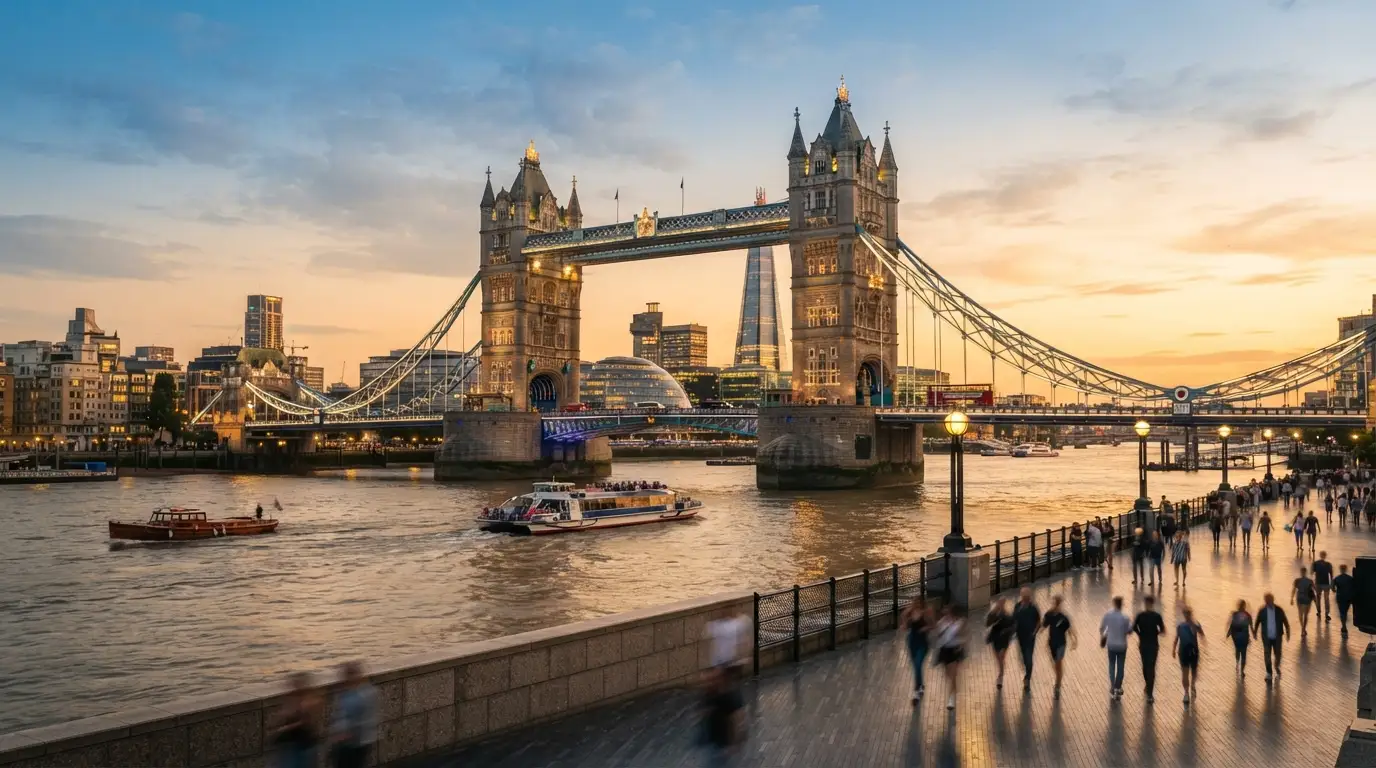
The best London places to visit include free museums like the British Museum and Natural History Museum, viewpoints like Primrose Hill and Sky Garden, and family friendly spots like Richmond Park. London has a reputation as one of the most expensive cities in the world, and that reputation is well earned, but the genuinely good news is how much of the best of it costs absolutely nothing.
What Are the Best Free Things to Do in London?
| Category | Standout Options |
| Museums | British Museum, National Gallery, Natural History Museum, Science Museum |
| Viewpoints | Primrose Hill, South Bank, Sky Garden |
| Markets | Borough Market, Portobello Road, Camden Market |
| Nature | Richmond Park, Hampstead Heath, Kyoto Garden |
Almost all of London’s major museums are free, including the British Museum, National Gallery, National Portrait Gallery, Tate Modern, Tate Britain, the Victoria & Albert Museum, the Natural History Museum, and the Science Museum. Central London is also extremely walkable, so checking whether attractions sit close enough to cover on foot, rather than automatically hopping on the tube, saves both money and time. A common mistake first timers make is trying to fully explore several large museums in one day, when even a single major collection can easily fill an afternoon.
Which Free Attractions in London Need Advance Booking?
Yes, several genuinely free attractions still require reserving a spot ahead of time, which surprises a lot of first timers. Sky Garden, the landscaped rooftop space with panoramic views over the city, only accepts online bookings roughly two weeks before your visit, since any earlier and slots aren’t yet released, any later and they’re gone. The Barbican Conservatory, a tropical garden planted inside the Barbican’s concrete buildings, can be booked up to three weeks ahead through a timed entry slot. Free walking tours booked through community platforms also work on a similar logic, since popular time slots fill up fast during peak season. Locals recommend treating “free” and “walk-up” as two separate things in London and checking each attraction’s booking requirements before finalizing your day’s plan.
What Are the Best London Places to Visit with Kids?
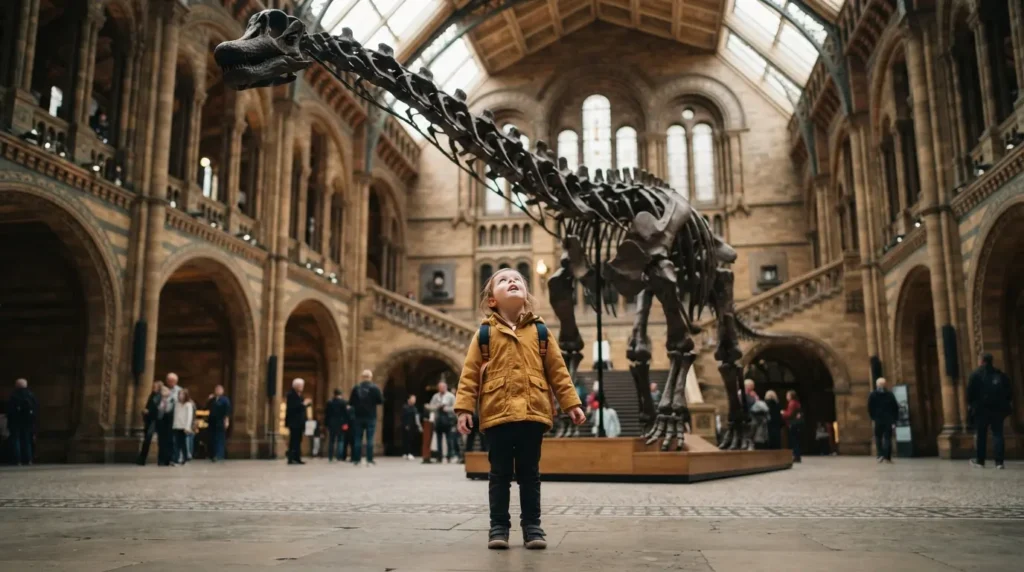
The Natural History Museum and Science Museum both rank among the best London places to visit with kids, offering interactive exhibits and genuinely awe-inspiring displays without costing a thing. Richmond Park adds a completely different kind of family experience, home to wild red and fallow deer that roam confidently around visitors, though keeping a safe distance and never feeding them matters here, since feeding leads to aggressive behavior and the deer remain genuinely wild animals despite their calm appearance. The same no-feeding rule applies to the peacocks that roam freely through Holland Park’s Kyoto Garden, a smaller but beautiful Japanese-style garden that works well for a quieter family stop between busier sightseeing.
Is the Natural History Museum Good for Kids?
Yes, and it’s consistently one of the most recommended free things to do in London for families, anchored by its giant dinosaur skeleton display that draws kids in immediately. The Science Museum next door leans even further into interactivity, with hands-on exhibits genuinely built with kids and young adults in mind rather than a purely academic audience. The Imperial War Museum, by contrast, is a much better fit for older visitors or adults only, since several of its exhibits cover hard-hitting modern conflict content that isn’t appropriate for younger children. Grouping the family-friendly South Kensington museums, Natural History and Science, into the same day makes sense given how close they sit to each other, while saving the Imperial War Museum for a separate, adults-focused visit.
What Are the Best Free Viewpoints in London?
Primrose Hill delivers one of the best skyline views in the city for just a 15 minute uphill walk, with landmarks like the London Eye and Big Ben visible from the top, though it’s worth knowing the hill gets genuinely windy and cold, so dressing warmly and maybe bringing a coffee helps. The South Bank walk stretches from Westminster Bridge past the London Eye, the Tate Modern, and the Globe Theatre before reaching Borough Market near Millennium Bridge, delivering a steady stream of river views and street life the whole way. Trafalgar Square offers a more relaxed, lounge-around kind of viewpoint, best enjoyed on a sunny day away from major events or protests, and it’s worth checking ahead if a busy date like New Year’s or a major holiday might turn it into more of a crowd crush than a relaxing stop.
Is Tower Bridge Free to Visit?
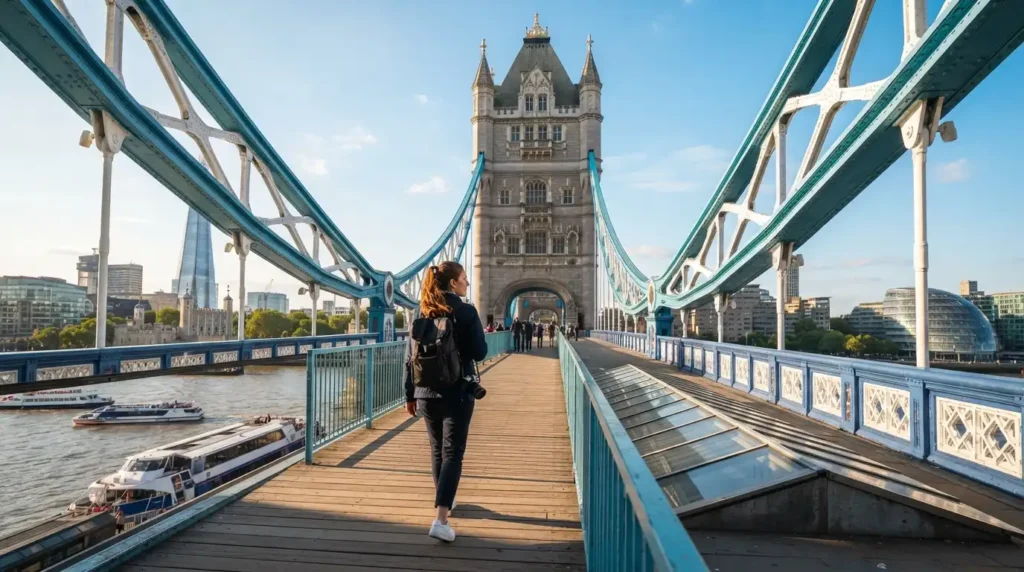
Partly. Walking across Tower Bridge itself on the standard pedestrian walkway costs nothing at all, and simply viewing it from ground level is free too. The paid experience comes from the glass walkway inside the bridge’s towers, which lets visitors look straight down at traffic passing underneath alongside access to the engine rooms and historical exhibits about the bridge’s construction. Tickets run £16 through the official website, though booking through a third-party platform like GetYourGuide or Viator can bring that down to around £13 per person. For budget-conscious travelers, walking across for free delivers most of the iconic photo opportunity, while the glass walkway suits those wanting the fuller, more memorable experience worth the extra cost.
What Markets Are Worth Visiting in London?
Borough Market delivers an unmatched atmosphere near London Bridge, free to walk through with genuinely good value street food available if you skip the most Instagram-famous stalls, since those can charge surprisingly steep prices for small portions. Portobello Road Market rewards antique lovers with a real slice of London history, pairing naturally with a wander through nearby Notting Hill’s colorful streets afterward. Camden Market splits opinion, since its main strip can feel intense and crowded, but continuing on to Camden Lock reveals calmer streets filled with vintage finds and food stalls worth exploring. Columbia Road Flower Market has run every Sunday since the 1980s, with around 60 independent businesses opening their doors for a genuinely vibrant, completely free-to-browse experience. Brick Lane and neighboring Spitalfields round things out with curry houses, street art, and Beigel Bake, a 66-year-old bagel shop worth the detour on its own.
What Free Events and Festivals Happen in London?
The Southbank Centre hosts free concerts and performances year round, picking up considerably in summer, alongside a Christmas market each December complete with mulled wine and gingerbread. The Greenwich+Docklands International Festival runs from late August through early September with large-scale outdoor performances, while the Lumiere Festival, held every two years, transforms central London with elaborate light installations after dark. St Martin in the Fields, the church right on Trafalgar Square, holds a free lunchtime concert most Thursdays at 1pm, a genuinely peaceful escape from the square’s usual chaos, and rehearsals can often be watched for free on other days too.
Where Should You Stay in London on a Budget?
Budget accommodation in London tends to cluster around well-connected but less central neighborhoods, where hostel and budget hotel rates run considerably lower than anything near Covent Garden or Westminster. Locals recommend prioritizing proximity to a tube or overground station over being right in the heart of tourist London, since the city’s extensive transport network makes even a slightly further-out base genuinely convenient. Pairing budget accommodation with a heavy dose of the free attractions on this list, rather than splurging on paid entry everywhere, is consistently the most effective way to keep an entire London trip affordable.
What Are Fun Free Things to Do in London This Weekend?
Leake Street Arches, a graffiti tunnel under Waterloo station, offers London’s longest-running legal street art space, with the artwork changing constantly and even welcoming contributions from visiting artists who follow the posted rules. The British Library, tucked between King’s Cross and Euston stations, houses a free permanent Treasures Gallery displaying everything from ancient manuscripts to handwritten Beatles lyrics, a genuinely underrated stop given how few visitors seem to know about it. The Monument, a 202-foot column built to commemorate the Great Fire of London, offers a paid climb up 311 stairs, but simply standing at its base and admiring the surviving fragments of Roman city wall nearby costs nothing. Free, tip-based walking tours through platforms like Guruwalk round out a solid weekend itinerary, covering everything from general history to food-focused routes with local guides.
Final Thoughts
Deciding which London places to visit really comes down to mixing free museums, viewpoints, and markets with a couple of paid splurges that genuinely earn their price tag. Book Sky Garden and the Barbican Conservatory well ahead since free doesn’t mean walk-up here, pick the South Kensington museums for a family day with kids, and save the Imperial War Museum for when the kids aren’t along. Whether it’s spotting deer in Richmond Park or catching a free Thursday concert at St Martin in the Fields, the best London places to visit consistently prove that this expensive city still rewards a well-planned, budget-conscious trip.
FAQs
Is London expensive to visit?
It has a well-earned reputation for being pricey, but between free museums, free viewpoints, and free markets, a genuinely enjoyable trip is possible while spending very little beyond accommodation and transport.
Are London museums really free?
Yes, nearly all of the major national museums offer free general admission, though many charge separately for special rotating exhibitions, and some, like the British Museum, prompt donation requests at entry that are not mandatory.
What is the Go City Pass?
The Go City Pass bundles discounted entry to several of London’s paid attractions into one purchase, and it tends to offer the best value for travelers planning more than three paid activities during their visit.
Can you see deer for free in London?
Yes, Richmond Park is home to wild red and fallow deer that roam freely and confidently near visitors, though keeping a safe distance and never feeding them is essential, since they remain genuinely wild animals.


