
How Long Does Tretinoin Take to Work? Realistic Timeline for 2026
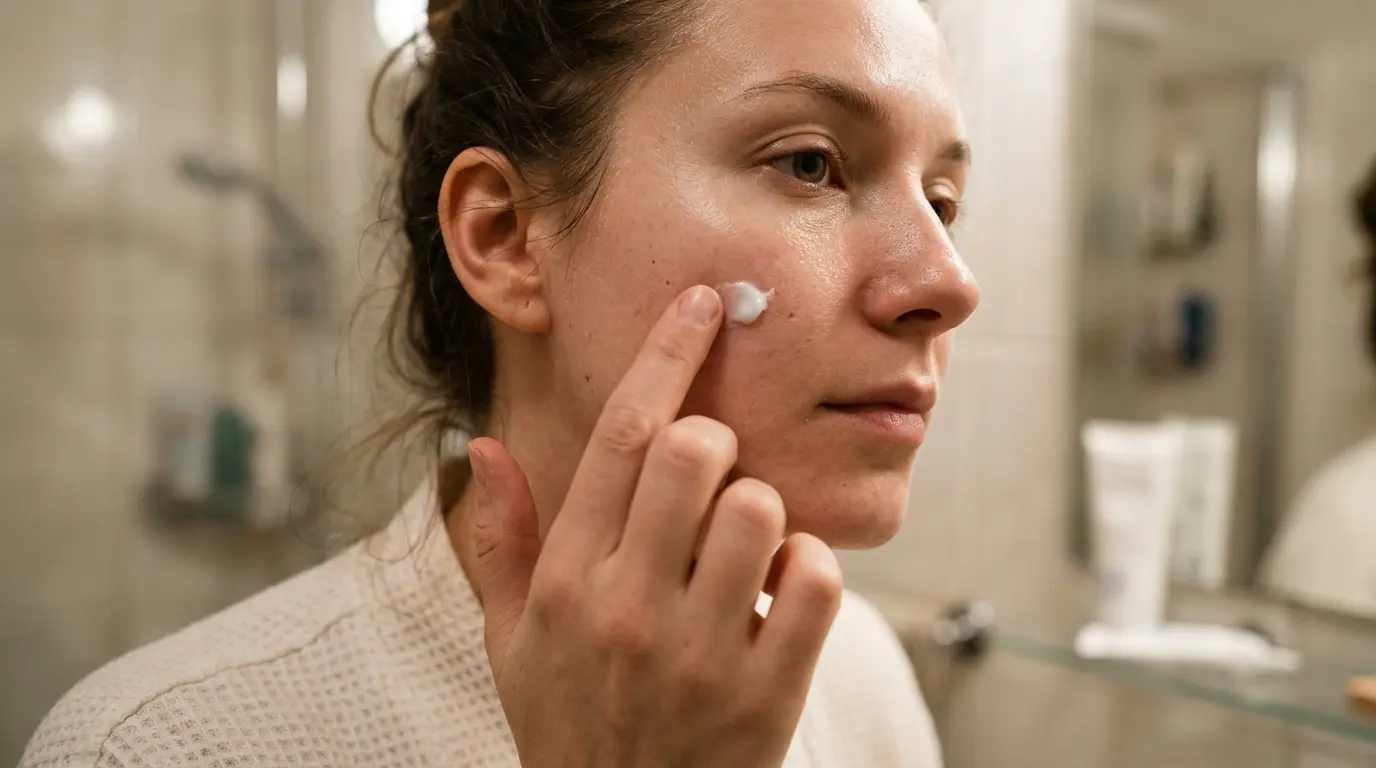
Tretinoin typically shows initial acne improvements in 8 to 12 weeks of consistent use, with finer lines and pigmentation changes taking 3 to 6 months or longer. Early irritation or a temporary purge is common before visible benefits appear. Results depend on the strength, skin type, and whether the goal is acne or anti-aging.
What Tretinoin Does and Why Results Take Time
Tretinoin is a prescription retinoid derived from vitamin A. It increases skin cell turnover, prevents clogged pores, and supports collagen production. These processes start quickly at a cellular level but take weeks or months to become visible on the surface. For acne, clinical trials often measure outcomes at 12 weeks. For photoaging, studies frequently run 24 weeks or more before clear changes in fine lines appear. People exploring related skin concerns can also review how to minimize pores for complementary approaches.
Many people notice dryness or redness in the first weeks. This adjustment phase does not mean the treatment is failing. Consistency matters more than speed. Skipping applications or stopping early reduces the chance of seeing the expected benefits. Pairing tretinoin with a simple moisturizer and daily sunscreen supports better tolerance and protects results from UV exposure. Readers interested in broader eye-area care may check best over-the-counter drops for dry eye relief.
Week-by-Week Timeline for Tretinoin Results
The first two weeks usually bring dryness, flaking, or mild stinging. No clear improvement in acne or texture appears yet. By weeks 3 to 6, some users experience a purge as clogged pores surface. This can look like more breakouts temporarily. Holding steady through this phase allows the skin to clear the deeper congestion.
Weeks 8 to 12 mark the point where many people see fewer new breakouts and smoother texture. Acne frequency often declines noticeably. For fine lines and dark spots, meaningful changes typically start later. Months 3 to 6 bring progressive softening of lines and more even tone as collagen remodeling continues. Beyond six months, results can continue to build with ongoing use.
| Phase | Timeframe | What to Expect |
|---|---|---|
| Adjustment | Weeks 1-2 | Dryness, redness, no visible gain |
| Possible purge | Weeks 3-6 | Temporary increase in breakouts |
| Initial acne improvement | Weeks 8-12 | Fewer active lesions, smoother feel |
| Texture and tone | Months 3-6 | Softer lines, fading spots |
| Continued change | Month 6+ | Stronger anti-aging effects |
Results for Acne Versus Anti-Aging
Acne responds faster for most people. Labels and studies indicate that some notice changes after a few weeks, but definite benefits usually require more than six weeks, with trials assessing at 12 weeks. Inflammatory lesions can drop substantially by that point with regular application. For comparison with other wellness topics, see what is a sedentary lifestyle.
Fine lines, wrinkles, and sun damage take longer. Visible softening often begins around three to six months. Hyperpigmentation and melasma may need six to 12 months. Post-acne marks sometimes fade earlier, around three to four months. Sun protection is essential throughout because UV exposure can reverse pigmentation progress even while tretinoin is used.
Strength affects the pace. Higher concentrations may work faster but also increase irritation risk. Starting lower and increasing gradually often improves long-term adherence. Formulations such as creams, gels, or lotions also influence tolerance. A dermatologist can guide the right strength and frequency for individual skin.
Factors That Change the Timeline
Skin type influences how quickly irritation appears and how fast benefits show. Oily or acne-prone skin may tolerate higher strengths better than dry or sensitive skin. Age and baseline damage matter for anti-aging goals. People with more sun damage often need the longer end of the timeline. Lifestyle factors such as what is a lifestyle business can affect daily routines that support consistent skincare.
Application habits play a large role. Using tretinoin only a few nights a week slows progress. Applying too much or combining with strong acids or benzoyl peroxide early on can increase irritation and lead to stopping treatment. A pea-sized amount for the whole face is usually enough. Waiting until skin is dry before application reduces stinging for many users.
Supporting care speeds comfort and consistency. A bland moisturizer in the morning and evening helps the barrier. Broad-spectrum sunscreen every day prevents new damage and protects collagen gains. Avoiding other strong actives until the skin adjusts also helps. People who stay consistent through the first three months are more likely to reach the clearer, smoother results described in studies.
How to Use Tretinoin for Best Results
Start slowly. Many dermatologists recommend every other night or a few nights a week at first. Increase frequency as tolerance improves. Apply to clean, dry skin at night. Follow with moisturizer if needed. In the morning, cleanse gently, moisturize, and apply sunscreen. Skip tretinoin on nights when skin feels overly irritated. Related health topics include can allergies make you cough.
Do not expect overnight change. The 12-week mark is a common checkpoint for acne. For lines and pigmentation, plan on at least three to six months before judging the full effect. Track progress with photos under the same lighting rather than daily mirror checks. Results reverse gradually if use stops, so maintenance is part of the plan for lasting improvement.
Prescription strength differs from over-the-counter retinol. Tretinoin acts more directly and usually produces stronger results in a shorter window than lower-strength retinol products. However, the same principles of consistency and sun protection apply. Consulting a healthcare provider ensures the product is appropriate and helps manage any side effects.
Common Side Effects and When to Adjust
Dryness, peeling, redness, and temporary stinging are the most frequent early effects. These usually ease after the first few weeks as the skin adapts. A purge can make acne look worse for a short period. This differs from a true allergic reaction, which involves significant swelling or persistent severe irritation. Readers can also explore black seed oil benefits for women for other natural support options.
If irritation remains intense, reduce frequency or use a lower strength. Buffering by applying moisturizer first can help sensitive skin. Some people pause for a few nights and restart more slowly. Persistent problems should be discussed with the prescribing clinician. Most users who adjust their routine continue and eventually see the benefits reported in clinical data.
Comparing Tretinoin to Other Retinoids
Adapalene is available over the counter in some places and is often gentler. It can improve acne but generally requires a similar multi-week timeline. Tazarotene is another prescription option that may work quickly for some concerns but can cause more irritation. Retinol converts more slowly in the skin, so visible changes often take longer than with tretinoin. For additional wellness reading, see what is skin booster treatment.
Choosing among them depends on the specific concern, tolerance, and access. Tretinoin remains a standard choice when faster or stronger results are needed under medical guidance. Combining with other treatments such as topical antibiotics or procedures is sometimes done, but only under professional advice to avoid excess irritation.
Long-term use is common for maintenance. Once initial goals are met, many people continue at a lower frequency to sustain clearer skin and ongoing collagen support. Stopping completely allows the processes to slow again, so results are not permanent without continued care.
Realistic Expectations in 2026
Current labeling and studies still point to the same core timelines. Acne benefits are typically assessed around 12 weeks. Anti-aging and pigmentation changes build over several months. Newer formulations may improve tolerability, but the fundamental time required for cell turnover and collagen remodeling has not changed. Individual variation remains large. Travel and lifestyle content such as how to start a travel blog may interest readers balancing self-care with other pursuits.
Photos and patient reports online often show dramatic before-and-after images after months of use. These reflect consistent application plus sun protection and supporting skincare. Expecting the same outcome in a few weeks leads to disappointment. Planning for at least three months of steady use gives a fair chance to evaluate results. Related practical guides include how to pack a suitcase for those combining skincare routines with travel.
Access and cost vary by location and insurance. Generic tretinoin is widely available where prescriptions are written. Compounded versions or specific brands may differ in base and strength. A clinician can match the product to the skin concern and lifestyle. Follow-up visits help adjust the plan if progress is slower than expected. Broader health topics like how to heal a sprained ankle overnight appear elsewhere on the site.
FAQs
How long does tretinoin take to work?
Most people see acne improvements between 8 and 12 weeks of consistent use. Fine lines and pigmentation changes usually require 3 to 6 months or longer. Early weeks often bring dryness or a temporary purge before benefits appear.
Does tretinoin work faster for acne or wrinkles?
Acne typically responds sooner. Clearer skin and fewer breakouts often appear by 12 weeks. Wrinkles and sun damage take longer, with noticeable softening commonly starting around three to six months of regular application.
What is the tretinoin purge and how long does it last?
The purge is a temporary increase in breakouts as clogged pores surface. It often peaks between weeks 3 and 6 and then settles. Continuing treatment through this phase allows the deeper congestion to clear.
Can I speed up tretinoin results?
Using it consistently, starting at a tolerable frequency, moisturizing, and wearing daily sunscreen support the best timeline. Applying more product or adding strong actives early usually increases irritation without speeding visible gains.
What strength of tretinoin works fastest?
Higher strengths may produce results sooner but increase the chance of irritation. Many start with lower concentrations and increase as tolerance builds. A clinician selects the appropriate strength based on skin type and the concern being treated.
Does tretinoin work for dark spots?
Yes. It speeds turnover of pigmented cells. Post-acne marks may fade in three to four months. Melasma and deeper sun spots often need six to 12 months. Daily sunscreen is required to prevent new pigmentation.
What if my skin is still irritated after a month?
Reduce how often you apply it or ask about a lower strength. Use a plain moisturizer and pause other strong products. Most irritation improves as the skin adapts. Persistent issues should be checked by the prescribing clinician.
Is 4 weeks enough to judge tretinoin?
Four weeks is usually too early. Cellular changes start sooner, but visible improvements in acne or texture typically require 8 to 12 weeks. Stopping at one month misses the window when most people begin to see benefits.
Do results reverse if I stop tretinoin?
Yes. Improvements in acne and collagen support gradually reverse when use stops. Many people continue at a lower frequency for maintenance once initial goals are reached.
How does tretinoin compare to retinol?
Tretinoin is stronger and acts more directly, so results often appear sooner than with over-the-counter retinol. Retinol is gentler but usually needs a longer period of consistent use to show comparable changes.
Should I use tretinoin every night?
Not at the start for most people. Beginning with a few nights a week reduces irritation. Frequency can increase as skin tolerates it. A pea-sized amount for the face is standard once nightly use is comfortable.
What skincare pairs well with tretinoin?
A simple moisturizer and daily broad-spectrum sunscreen work best. Avoid strong acids, benzoyl peroxide, or other retinoids until the skin has adjusted. Gentle cleansers support the barrier without stripping.