
Amour Vert: The Complete Guide to the Sustainable Fashion Brand
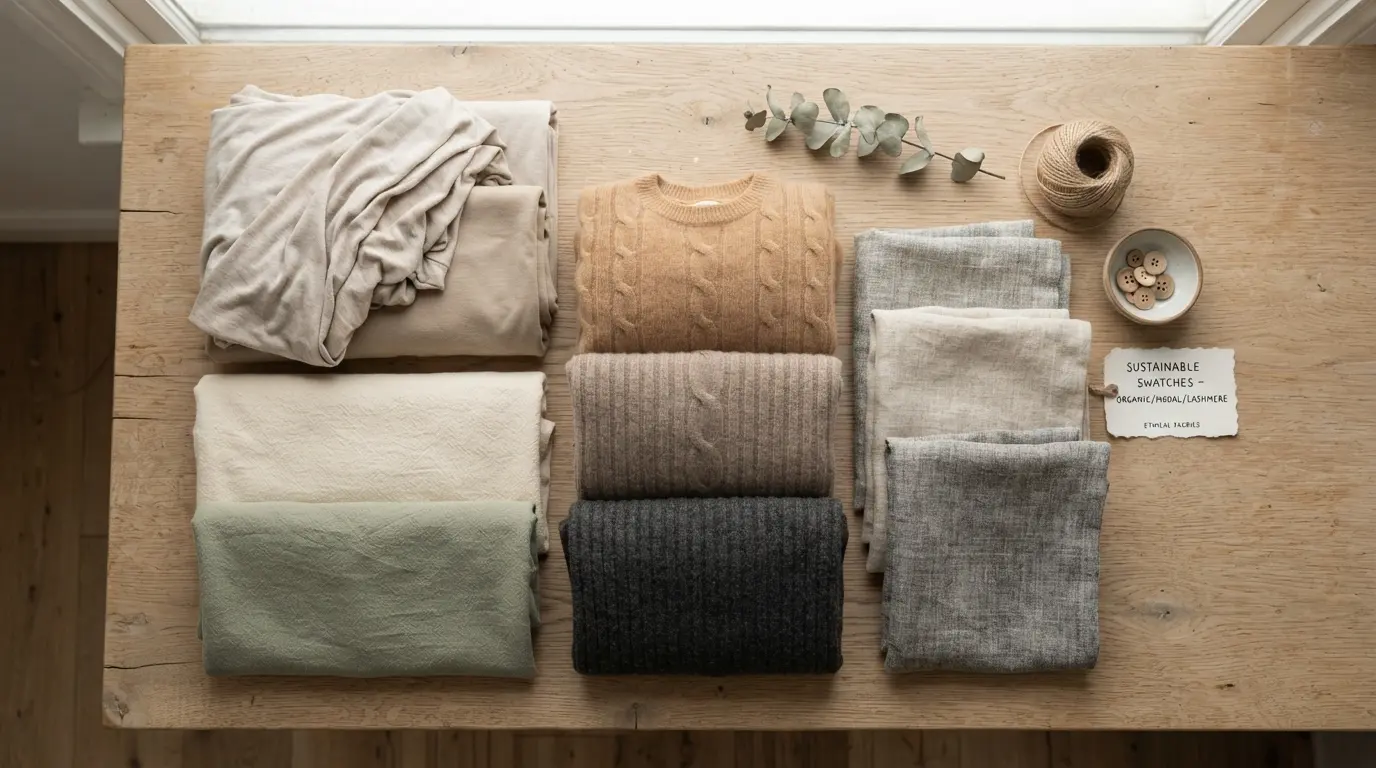
Amour Vert is a sustainable fashion brand founded in San Francisco in 2010 that makes women’s clothing, including dresses, sweaters, and denim, from responsibly sourced fabrics like TENCEL, organic cotton, and recycled cashmere. The name is French for green love, and it fits. Most people searching amourvert or amour vert clothing want the same thing though: proof that the sustainability claims hold up and a clear sense of what things actually cost. That’s exactly what this guide covers.
Sustainable fashion has a trust problem. Plenty of brands slap a green leaf on a hangtag and call it a day. Amour Vert has been making its case since 2010, long before greenwashing became a buzzword people knew to watch for, and the details behind that case are worth understanding before anyone adds a dress to their cart.
Who Founded Amour Vert and Why?
Amour Vert was founded by Linda Balti, a former engineer who once designed fighter jet simulators, and Christoph Frehsee, who studied environmental resources at Stanford and previously ran a company that manufactured landmine-clearing equipment. Their path into fashion started with a single article.
In 2009, the couple read a piece revealing that the fashion industry ranked as the second most polluting industry in the world, right behind oil. That fact stuck with them. Balti had spent time researching sustainable clothing alternatives on her own and kept running into the same two problems: options were either unflattering, think shapeless hemp dresses, or priced far outside what most people could justify, closer to John Patrick or Stella McCartney territory. So they built something in between.
Amour Vert launched in 2010 with a simple premise: a woman shouldn’t have to choose between clothes that are sustainably made and clothes that actually fit her life and her closet. That tension between style and ethics still shapes the brand’s identity today.
Where Is Amour Vert Headquartered Today?
Amour Vert was originally headquartered in San Francisco, but the brand announced a relocation of its headquarters to Los Angeles in May 2024, moving closer to the fashion industry’s resources and talent base.
This is a detail worth knowing if anyone researched the brand a few years ago and assumes it’s still purely a Bay Area operation. The move signals a shift toward LA’s broader design and manufacturing ecosystem, though the brand’s roots and much of its production still trace back to Northern California factories the founders built relationships with over more than a decade.
What Materials Does Amour Vert Use?
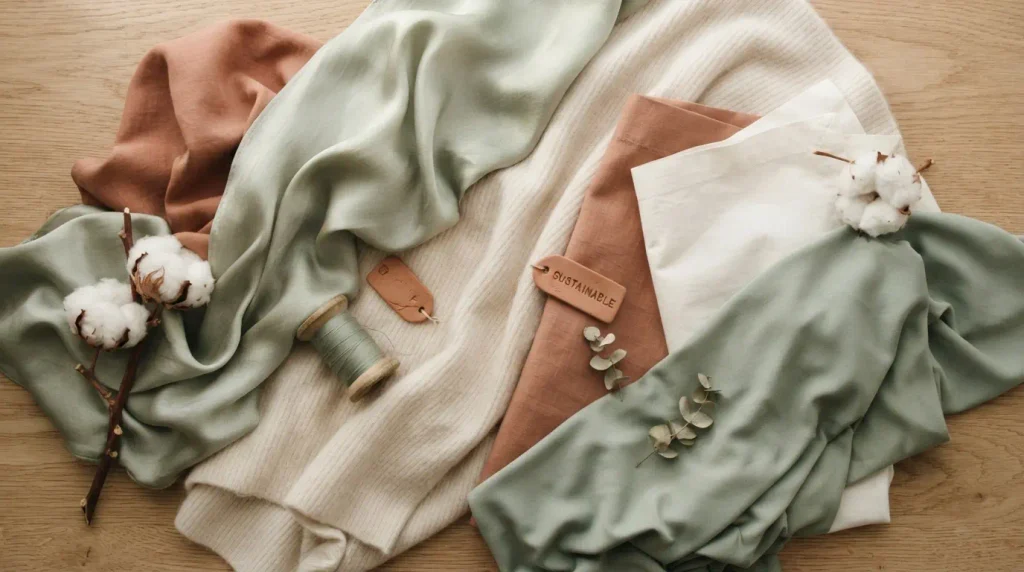
Amour vert clothing is made from TENCEL, beechwood modal, organic cotton, cupro, recycled cashmere, washable silk, recycled sateen, merino wool, and deadstock fabric, all dyed with non toxic dyes through a zero waste manufacturing approach.
Here’s what each of those actually means for the person wearing it:
- TENCEL comes from eucalyptus trees processed in a closed-loop system that reuses most of its water and solvents, and it feels notably soft and drapey compared to standard cotton.
- Beechwood modal is one of the brand’s signature fabrics, described as carbon neutral and machine washable, which matters for anyone who doesn’t want to hand-wash every sweater.
- Cupro is made from the leftover fibers around cotton seeds, essentially turning cotton production waste into a silky, breathable fabric.
- Recycled cashmere and recycled sateen pull directly from post-consumer or deadstock materials rather than requiring new raw resources.
- Washable silk comes from bluesign certified factories, meaning the chemicals and processes used meet strict environmental and safety standards.
- Merino wool is sourced from Woolmark-approved stations in Australia, a certification that verifies humane and traceable sourcing.
A common mistake first-time buyers make is assuming all sustainable fabrics need special dry cleaning. Several of Amour Vert’s core materials, particularly the modal and TENCEL blends, are designed to be machine washed on a gentle cycle, which actually makes the sustainable choice more practical than people expect.
Is Amour Vert Actually Sustainable?
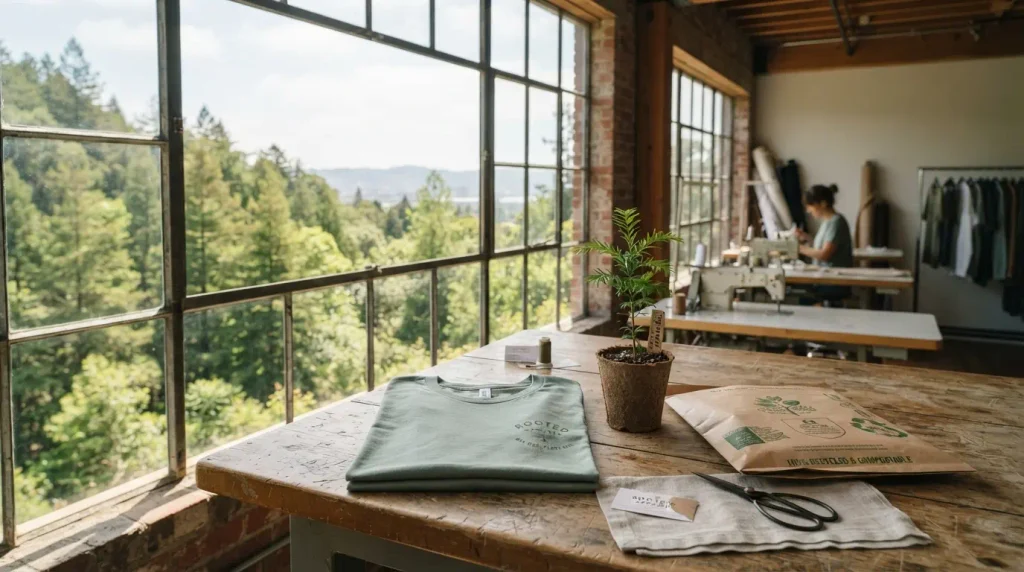
Amour Vert backs its sustainability claims with bluesign certified factories, a Buy a Tee Plant a Tree program with American Forests that has planted over 155,000 trees, compostable packaging, and 97% of garments cut and sewn in Bay Area factories under fair wage practices.
That last point deserves emphasis. Manufacturing locally, within roughly a 20-mile radius of the brand’s original design studio, cuts down significantly on the emissions tied to overseas shipping, something most fast fashion and even many mid-range sustainable brands can’t claim. The company also shifted its business model over time, moving away from a 90% wholesale structure toward a primarily direct-to-consumer approach, giving it tighter control over both quality and environmental impact at every step.
Worth noting honestly: no fashion brand is perfectly sustainable, and Amour Vert doesn’t claim to be. Shipping still happens, packaging still requires resources to produce, and clothing production of any kind carries some environmental cost. What sets the brand apart is transparency about where and how items are made, rather than vague marketing language with nothing behind it.
Where Can You Buy Amour Vert Clothing?
Amour Vert clothing is sold through amourvert.com, a direct to consumer ecommerce model, plus secondhand through resale platforms like ThredUp and Depop, and it previously operated retail stores in cities including San Francisco, Palo Alto, Berkeley, and Santa Monica.
Buying new means the full range of current dresses, sweaters, denim, and accessories with size charts and detailed fabric descriptions on the brand’s own site. Buying secondhand through ThredUp or Depop opens up older or discontinued styles at a fraction of the original price, which appeals to shoppers who want the brand’s quality without the full price tag, and it extends the life of a garment that already exists rather than adding new production to the world.
Does Amour Vert Have Physical Stores?
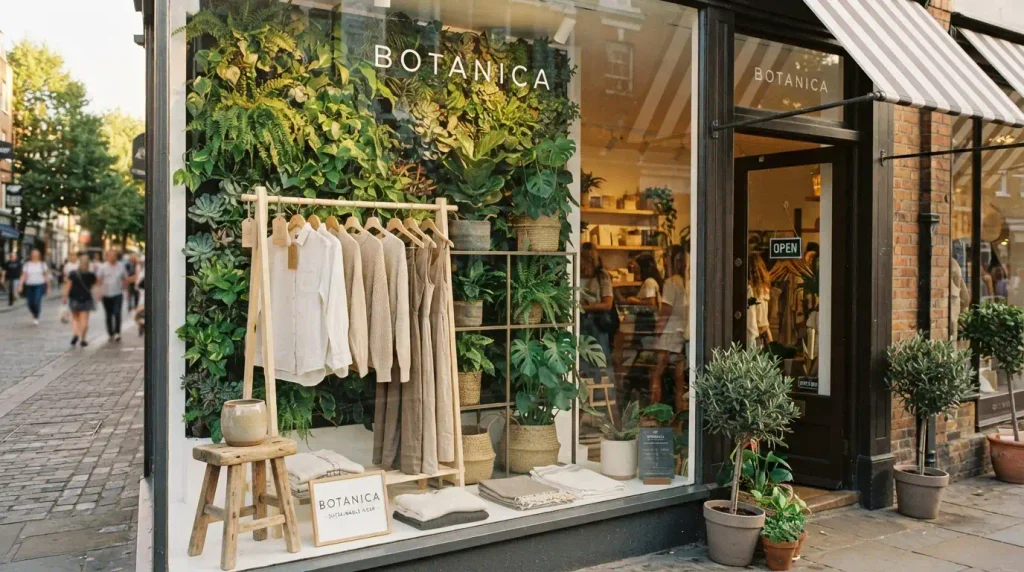
Amour Vert has opened retail locations over the years in Hayes Valley, the Marina District, Palo Alto, Berkeley, Santa Monica, a New York City flagship, a Beverly Hills pop-up at Switch Boutique, and a Westfield Galleria Roseville location, though shoppers should confirm current store status before visiting.
The very first store opened at 437 Hayes Street in San Francisco’s Hayes Valley neighborhood in 2014, right across from Alternative Apparel and next to the French confectioner Chantal Guillon Macarons, a fitting neighbor for a brand built on Parisian sophistication. That store featured a living wall installed with help from local model and philanthropist Lily Kwong. The brand later expanded to a second San Francisco location on Chestnut Street in the Marina District, plus outposts across the Bay Area and beyond. Store footprints for DTC fashion brands shift often, so anyone planning a visit should check current hours directly on amourvert.com or call ahead rather than relying on older articles referencing locations from years past.
What Are Amour Vert Dresses Like?
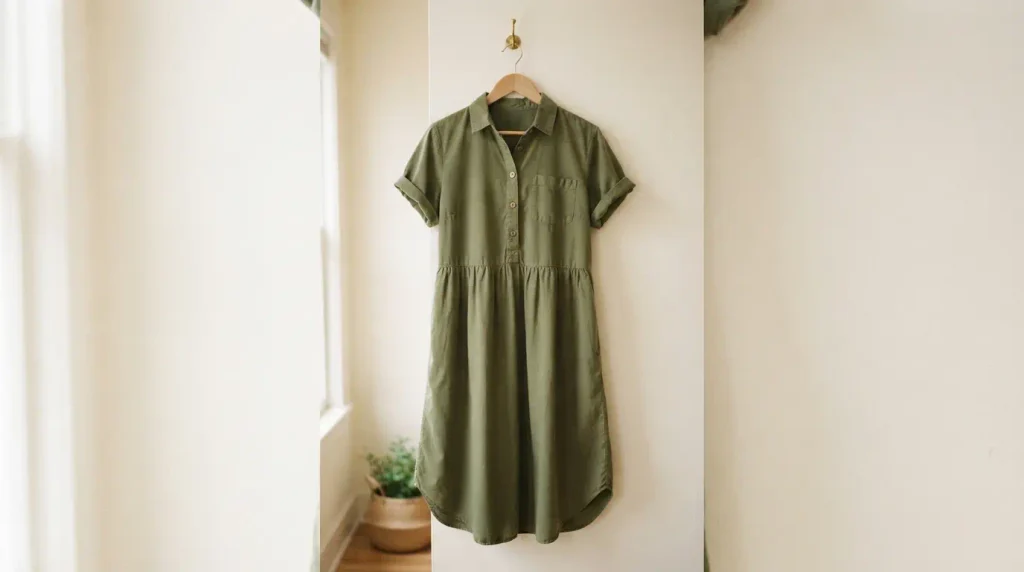
Amour vert dresses are built around organic cotton, modal, and recycled blends, styled with a French inspired design sensibility paired with California made apparel ease, ranging from casual shirtdresses to layered, work-ready silhouettes.
Real shopper feedback describes an olive green organic cotton shirtdress as a strong layering piece for fall and winter, easy to dress up with boots and a jacket or wear alone in warmer weather. The brand’s dress silhouettes tend to favor relaxed, flattering cuts over anything too fitted or fussy, which tracks with the founders’ original complaint about early sustainable fashion looking shapeless or overly precious. Expect open draped fronts, simple full-zip closures, and recurring rose motifs across seasonal collections, along with occasional prints and jumpsuit-adjacent styles that blur the line between dress and one-piece.
How Much Does Amour Vert Clothing Cost?
New Amour Vert clothing typically spans mid-range contemporary pricing, while secondhand pieces on ThredUp and Depop run dramatically lower, often between four and twenty six dollars depending on condition and item type.
| Item Type | New Price Range | Secondhand Price Range |
| Dresses | $128 to $228 | $8 to $26 |
| Sweaters and knitwear | $98 to $228 | $4 to $18 |
| Denim | $118 to $188 | $8 to $16 |
| Tops and blouses | $68 to $128 | $4 to $14 |
| Outerwear and coats | $198 to $398 | $12 to $30 |
These ranges vary by season, fabric, and current promotions, so treat them as a general guide rather than a fixed price list. The gap between new and secondhand pricing also tells its own story: garments holding steady resale demand years after purchase is a reasonably strong signal of build quality, since fast fashion pieces rarely retain enough condition or desirability to resell at all.
Is Amour Vert Worth Buying?
Amour Vert is worth considering for shoppers who prioritize ethically made clothing, fair labor practices, and Made in USA fashion, though the higher price point compared to fast fashion means it suits a buy-less, wear-longer wardrobe strategy rather than trend-chasing.
Worth it if someone wants pieces that hold up over multiple seasons, cares about knowing exactly where and how a garment was produced, or is actively trying to shrink a fast fashion habit. Skip it if the goal is chasing every microtrend on a tight budget, since the price point simply doesn’t compete with $15 fast fashion dresses, nor is it meant to. A common pattern among long-term customers is buying fewer pieces overall but wearing each one across multiple years, pulling sweaters and coats out of seasonal storage and finding they still fit the current wardrobe without feeling dated.
What Is the Amour Vert Discount Code?
New customers can use the code FIRSTORDERAV for 15% off a first purchase at amourvert.com, a detail confirmed through firsthand shopper documentation rather than brand marketing alone.
This kind of first-order discount is fairly standard across DTC fashion brands and offers a reasonable way to test a piece or two before committing to a larger wardrobe investment. Codes and promotions do change periodically, so it’s worth double-checking the current offer at checkout.
Final Thoughts
Amour Vert remains one of the more transparent sustainable fashion brands on the market, backed by real fabric sourcing details, domestic manufacturing, and a tree-planting program that has quietly reached over 155,000 trees. Whether the goal is a single well-made amour vert dress or a full seasonal wardrobe refresh, the brand offers a rare combination of documented ethics and everyday wearability. For shoppers ready to build a smaller, longer-lasting closet, Amour Vert is a solid place to start.
FAQs
Is Amour Vert a real sustainable brand?
Yes. Amour Vert uses certified sustainable fabrics, bluesign certified factories, non toxic dyes, and manufactures 97% of its garments in the Bay Area under fair wage conditions, backed by over a decade of consistent practice rather than a single marketing campaign.
Does Amour Vert clothing run small or large?
Most reviewers describe Amour Vert as fitting true to size in relaxed, flattering silhouettes, though checking the specific size chart on amourvert.com for each item is the safest approach since cuts vary by style and fabric.
What does amourvert mean?
Amourvert, written as one word or two, translates from French to green love, reflecting the brand’s core identity and sustainability mission.
Is Amour Vert still made in the USA?
Yes. The brand reports that 97% of its garments are cut and sewn in Bay Area factories, a practice it has maintained since its founding in 2010.
Where can I buy secondhand Amour Vert?
Secondhand Amour Vert clothing is available through resale platforms like ThredUp and Depop, typically priced between $4 and $26 depending on the item and condition.
Who is Alahna Jade in relation to Amour Vert?
Alahna Jade appears in search queries alongside Amour Vert, though she is not an officially documented founder, spokesperson, or partner of the brand based on current available information. Shoppers encountering this name are best served by verifying any specific claim directly through Amour Vert’s official channels before treating it as brand-verified information.
Is Amour Vert better than Reformation?
Both are considered leaders in accessible sustainable fashion, but they differ in focus. Amour Vert emphasizes domestic Bay Area manufacturing and a tree-planting program, while Reformation is known for a broader size range and trend-forward styling. The better choice depends on whether local manufacturing or style variety matters more to the individual shopper.