
Lonavala Things to Do: Viewpoints, Caves and Treks
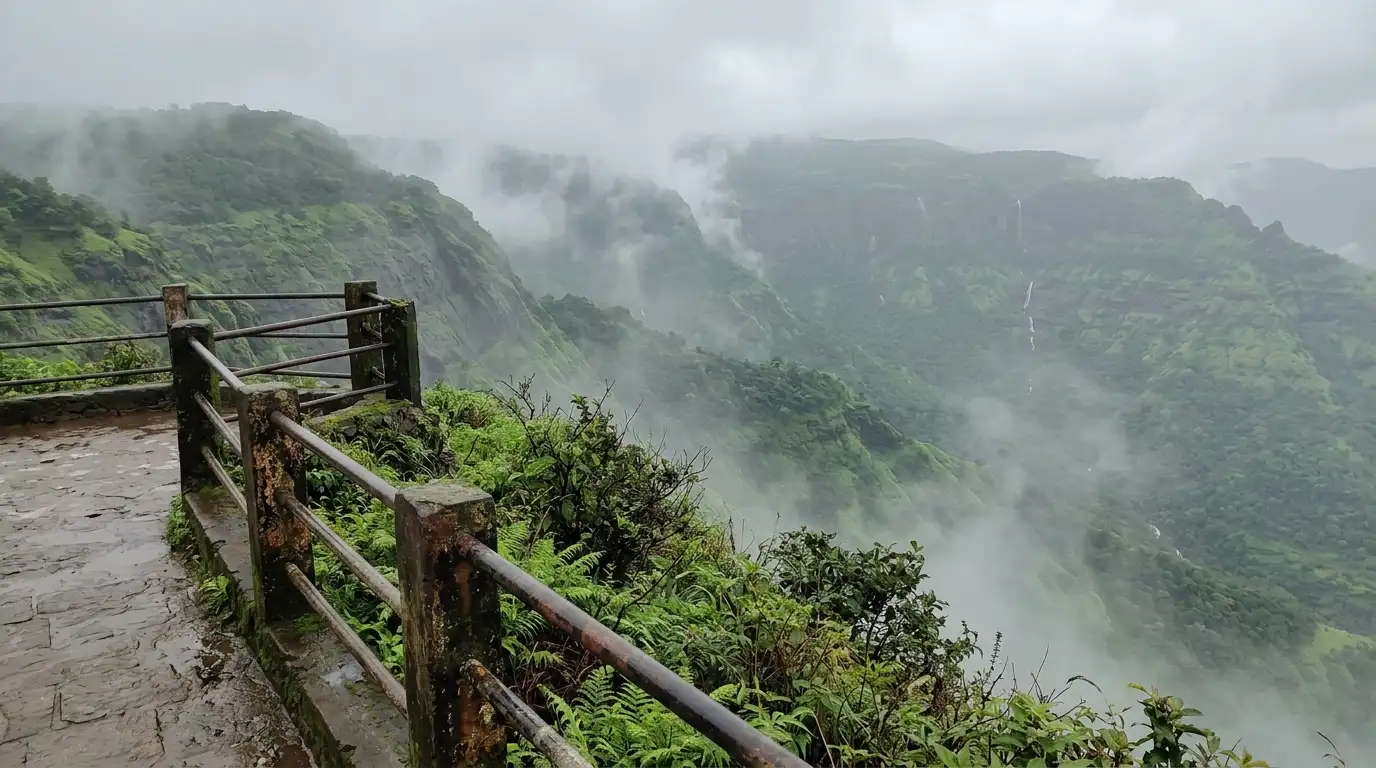
Lonavala things to do center on viewpoints, monsoon waterfalls, ancient caves, and short treks between Mumbai and Pune. Visitors can cover the main highlights in one or two days, with free or low-cost entry at most sites and easy access by car or train.
Best Viewpoints for First Visits
Tiger’s Point and Lion’s Point deliver the classic valley views that define Lonavala. Tiger’s Point sits about 8 kilometres from town and works best in the early morning when mist clears. Lion’s Point offers strong sunset angles over the surrounding hills.
Duke’s Nose provides a steeper cliff profile popular for short hikes and photos. Rajmachi Point gives a clear look toward the fort of the same name. These spots require minimal walking from the road and suit most fitness levels.
Travelers who enjoy mountain viewpoints will find similar clear-day rewards here, especially outside peak monsoon crowds.
Waterfalls and Lakes
Bhushi Dam becomes the main attraction during the June to September monsoon when water cascades over the steps. The site lies roughly 3-5 kilometres from the market and draws large weekend crowds. Outside monsoon, Lonavala Lake offers a quieter walk instead.
Kune Falls provides a multi-tier drop with less congestion than Bhushi. Pawna Lake nearby supports camping and evening views. Most water spots stay free to enter, though parking fees may apply.
Historical Caves and Forts
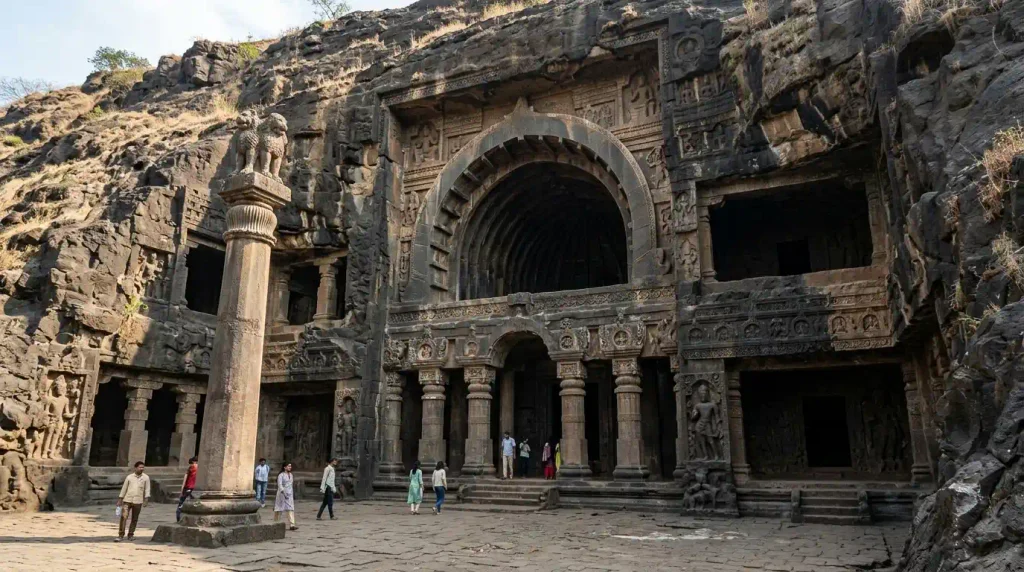
Karla Caves date back centuries and feature a large chaitya hall with carved pillars. The complex sits about 11 kilometres from Lonavala and pairs easily with nearby Bhaja Caves. Both require a short climb of stairs.
Rajmachi Fort involves a longer trek of several kilometres from the base village. Lohagad Fort offers another popular half-day hike with fort walls and valley overlooks. These sites add history without long travel times.
Visitors planning cultural stops on other trips can compare the rock-cut architecture here to later monuments.
One-Day and Two-Day Plans
A one-day trip from Mumbai or Pune typically starts early to beat traffic. Visit one or two viewpoints in the morning, stop at Bhushi Dam or the lake, then finish with the caves before returning by evening. Total driving stays under three hours each way on the expressway.
A two-day plan allows a fort trek on the second morning and more time for local chikki shopping. Stay options range from budget guesthouses to mid-range hotels near the market.
| Day | Morning | Afternoon |
|---|---|---|
| 1 | Viewpoints | Bhushi Dam or Lake |
| 2 | Fort trek | Caves and market |
Getting There and Around
The Mumbai-Pune Expressway makes Lonavala a straightforward drive of roughly two hours from either city. Trains stop at Lonavala station with frequent service. Local taxis and auto-rickshaws handle short distances between sites.
Parking fills quickly at popular viewpoints on weekends. Arriving before 9 am reduces wait times. Monsoon roads can turn slippery, so check conditions before setting out.
Food and Local Shopping
Lonavala is known for chikki, a peanut brittle sold at many roadside stalls. Local restaurants serve Maharashtrian thalis and simple snacks. Most sites have basic eateries nearby, though packing water and snacks helps on longer treks.
The main market area offers souvenirs and more chikki varieties. Prices stay modest compared with larger cities.
Best Time to Visit
Monsoon months bring the greenest landscapes and active waterfalls but also heavy crowds and wet trails. October through February delivers clearer views and cooler temperatures for hiking. Summer can feel warm at midday, so early starts work better.
Weekends see the highest visitor numbers from Mumbai and Pune. Mid-week visits feel noticeably quieter at the main viewpoints.
Safety and Practical Notes
Trails grow slippery in rain, so wear proper shoes. Follow marked paths at viewpoints and avoid edges. Mobile coverage exists in town but can weaken on remote fort trails.
Entry remains free or very low cost at most natural sites. Carry cash for parking and small purchases. Those who like short outdoor escapes will appreciate the quick access from major cities.
FAQs
What are the best things to do in Lonavala?
Top activities include viewpoints like Tiger’s Point and Lion’s Point, Bhushi Dam in monsoon, Karla and Bhaja Caves, and short fort treks such as Rajmachi or Lohagad.
How many days do you need in Lonavala?
One day covers the main viewpoints and one other site. Two days allow a fort trek and more relaxed pacing without rushing.
Is Lonavala good for a weekend trip?
Yes, its location between Mumbai and Pune makes it ideal for weekend escapes. Traffic is the main challenge on Fridays and Sundays.
What is the best time to visit Lonavala?
Monsoon for waterfalls and greenery, or October to February for clearer weather and hiking. Avoid peak summer heat for longer outdoor time.
Are the caves worth visiting?
Karla Caves feature impressive ancient architecture and pair well with Bhaja Caves nearby. Both require a short climb but reward with history.
How far is Lonavala from Mumbai and Pune?
Roughly two hours by car on the expressway from either city. Trains also run regularly to Lonavala station.
Is Bhushi Dam open all year?
The dam is accessible year-round, but the cascading water effect happens mainly during monsoon months from June to September.
Can you do a day trip from Mumbai?
Yes, many visitors do. Start early, focus on two or three sites, and return by evening to avoid late traffic.
What should I eat in Lonavala?
Local chikki is the signature sweet. Restaurants also serve Maharashtrian meals and snacks near the main sites.
Are there entry fees for the main attractions?
Most viewpoints, the dam, and lakes are free. Caves and some parking areas may charge small fees.
Is Lonavala safe for solo travelers?
Popular sites stay busy and generally safe during daylight. Stick to marked trails and avoid isolated areas after dark.


