
Puerto Rican Food: Traditional Dishes, Ingredients and How They Are Eaten
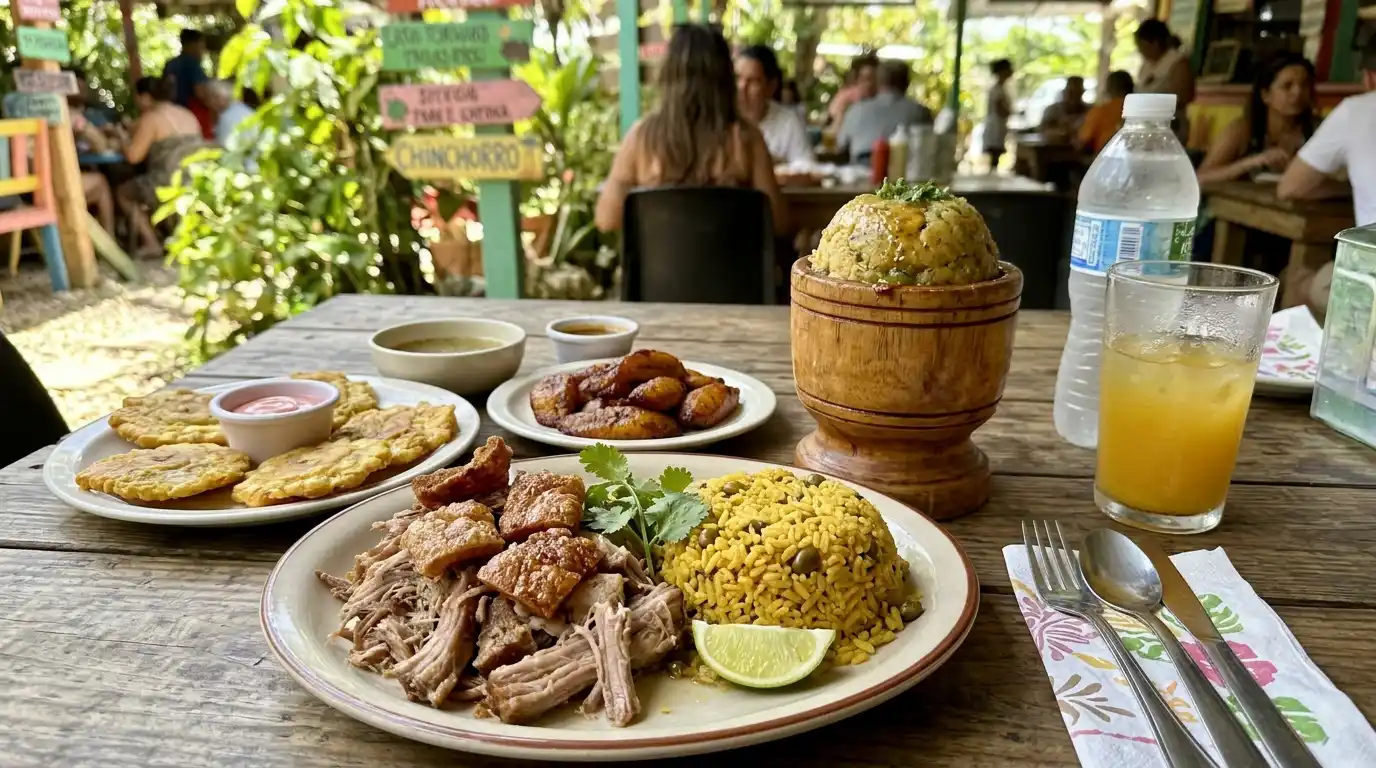
Puerto Rican food blends Taíno, Spanish and African roots into dishes built on sofrito, plantains, rice, beans and pork. Arroz con gandules, mofongo and pernil rank among the most recognized plates. Meals are often shared, with garlic, herbs and slow cooking defining the flavor.
Origins and Core Ingredients of Puerto Rican Food
The cuisine developed from three main influences. Taíno people contributed root vegetables such as yuca and yautía plus the concept of slow roasting. Spanish settlers brought pork, rice, olive oil, garlic and salt cod. African cooking methods added deep flavor techniques and the use of plantains in many forms. These elements combine in home kitchens and restaurants across the island and in Puerto Rican communities abroad.
Sofrito, also called recaíto, forms the green base for most savory dishes. It combines culantro (recao), ají dulce peppers, onion, garlic and mild peppers. Achiote or annatto gives yellow-orange color to rice and stews. Adobo seasons meats. Alcaparrado (olives, capers and pimientos) adds briny notes. Plantains appear green for savory preparations or ripe for sweeter ones. Gandules (pigeon peas) star in the national rice dish. These pantry staples appear in nearly every traditional meal.
Readers interested in other regional cuisines can explore traditional Polish food or Costa Rican food for comparisons.
Arroz con Gandules: The National Dish
Arroz con gandules is rice cooked with pigeon peas, sofrito, pork or ham, tomato, olives and sazón in a caldero pot. The grains turn golden and absorb the seasonings fully. It appears at holidays, birthdays and Sunday lunches, often beside roast pork. Fresh gandules taste nuttier than canned, though both work. Many families have their own ratio of sofrito to rice.
The dish is eaten as a side or main, scooped onto plates with a serving of meat. Leftovers reheat well and are common the next day. It represents the everyday and festive table equally. Variations exist, but the combination of rice, legumes and savory base remains constant. Travelers planning trips can also review places to visit in Nashville.
Mofongo and Plantain Preparations
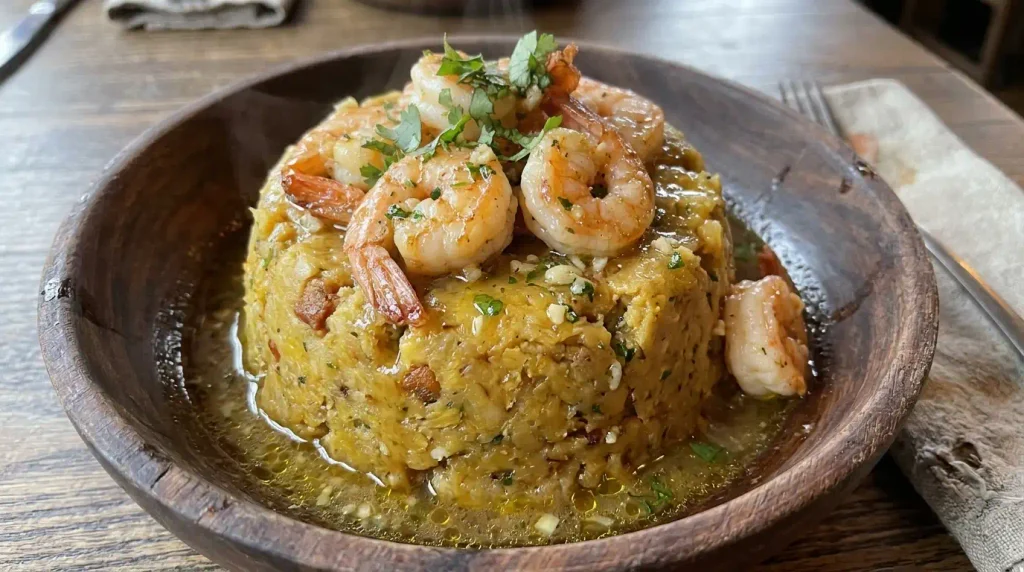
Mofongo uses green plantains that are fried or boiled, then mashed in a wooden pilón with garlic and pork cracklings or oil. It is shaped into a mound or bowl and often topped with chicken, shrimp, pork or a garlic broth. The texture is dense and garlicky. It is a comfort food served in homes and restaurants, sometimes stuffed.
Other plantain dishes include tostones (twice-fried green slices), amarillos (fried ripe plantains) and pastelón (a layered casserole with sweet plantains and picadillo). Alcapurrias are fritters of grated green banana, yuca and plantain filled with meat. These show the range from crispy snacks to hearty mains. Plantains replace potatoes or bread in many meals.
For more food explorations, see best foods in Singapore and best food in Dublin.
Pernil, Lechón and Pork Dishes
Pernil is a slow-roasted pork shoulder or leg marinated in garlic, oregano, vinegar or citrus and spices. The skin becomes crisp while the meat stays juicy. It is a centerpiece at Christmas and family gatherings. Lechón asado is the whole pig roasted over coals, common at roadside stands especially in Guavate. Both are served with rice and beans or mofongo.
Picadillo is seasoned ground beef with sofrito, olives and raisins, used as a filling for pastelón or empanadas. Morcilla is blood sausage with rice. Pork appears in stews and as cracklings. The preference for pork reflects Spanish influence and the island’s agricultural history. Portions are generous and meant for sharing. Related destination ideas include must do Rome.
Rice, Beans and Everyday Stews
Arroz con habichuelas is rice with stewed beans, often pink or red, cooked with sofrito, ham hock, calabaza and tomato. It is a daily staple alongside or instead of gandules. Asopao is a soupy rice dish with chicken or seafood, thickened by the starch of the grains. Guisados are braised meats or vegetables in a savory sauce served over rice or mofongo.
Sancocho is a hearty stew with root vegetables, meat and corn. These dishes stretch ingredients and feed groups. They are eaten with a spoon or fork, often with tostones on the side. Leftovers form the next day’s lunch. The combination of rice and beans provides balance and appears on nearly every table.
Travelers comparing Caribbean plates may also look at things to do in Bacalar or what to do in Oaxaca Mexico.
Snacks, Fritters and Street Food
Bacalaítos are cod fritters made from salted cod mixed with flour and fried. Alcapurrias and pastelillos (turnovers) appear at kiosks. Pinchos are grilled meat skewers, sometimes with fried plantain. These are eaten by hand, often as afternoon snacks or at festivals. They use the same sofrito and seasoning base as larger meals.
Street food is practical and flavorful. Many items are portable and pair with a cold drink. They show the African and Spanish frying traditions adapted to local ingredients. Finding them is easy in markets, at beaches and along roadsides.
Desserts and Drinks
Tembleque is a coconut pudding set with cornstarch, often dusted with cinnamon. Tres leches cake appears at celebrations. Flan and rice pudding are also common. Coquito is a coconut-based holiday drink similar to eggnog. Piña colada, created on the island, is the national cocktail. These finish meals or stand alone at parties.
Sweets balance the savory garlic and herb flavors of the main dishes. Coconut appears in both sweet and savory contexts. Desserts are typically made in large batches for sharing. They require few ingredients beyond pantry staples and tropical produce.
Related reading includes Dairy Queen ice cream cakes for other dessert ideas and is imitation crab healthy for seafood discussions.
Where to Find and How Puerto Rican Food Is Eaten
On the island, home cooking, family restaurants and lechoneras serve the classic plates. In the mainland United States, Puerto Rican neighborhoods in New York, Florida and elsewhere have bakeries and restaurants. Markets sell sofrito, plantains and gandules for home preparation. Meals are communal; plates are passed and seconds are expected.
Eating style is informal. Rice and beans form the base, meat or mofongo the center, plantains the side. Pique (hot vinegar sauce) is added at the table. Portions are large. The food is meant to be filling and flavorful rather than delicate. Understanding the base ingredients helps when ordering or cooking at home.
FAQs
What is Puerto Rican food?
Puerto Rican food is a Caribbean cuisine mixing Taíno, Spanish and African influences. It centers on sofrito, plantains, rice, beans and pork. Signature dishes include arroz con gandules, mofongo and pernil.
What is the national dish of Puerto Rico?
Arroz con gandules, rice with pigeon peas, is widely regarded as the national dish. It is cooked with sofrito, pork and seasonings and served at holidays and everyday meals.
What is mofongo made of?
Mofongo is mashed green plantains mixed with garlic and pork cracklings or oil. It is often topped or stuffed with meat, seafood or broth and served as a main or side.
What is sofrito in Puerto Rican cooking?
Sofrito (recaíto) is a green paste of culantro, ají dulce, onion, garlic and peppers. It is the flavor base for rice, beans, stews and most savory dishes.
How is pernil prepared?
Pernil is a pork shoulder or leg marinated in garlic, oregano, citrus or vinegar and spices, then slow-roasted until the skin is crisp and the meat tender. It is a holiday centerpiece.
What are common plantain dishes?
Tostones are fried green plantain slices. Amarillos are fried ripe plantains. Pastelón layers ripe plantains with picadillo. Alcapurrias are filled fritters. All appear regularly on the table.
Is Puerto Rican food spicy?
Most dishes are savory and garlicky rather than hot. Heat comes from pique, a vinegar-based hot sauce added at the table according to preference.
Where can I try authentic Puerto Rican food?
On the island at home-style restaurants and lechoneras, especially in Guavate for whole roasted pig. In the United States, look for Puerto Rican restaurants in cities with large communities.
What is arroz con habichuelas?
It is rice served with stewed beans, usually pink or red, cooked with sofrito, ham and vegetables. It is an everyday staple alongside or instead of arroz con gandules.
What desserts are typical?
Tembleque (coconut pudding), tres leches cake, flan and coquito (coconut holiday drink) are common. They use coconut, milk and simple pantry ingredients.
How is Puerto Rican food different from Cuban or Dominican?
All three share rice, beans and plantains, but Puerto Rican cooking emphasizes sofrito with culantro and ají dulce, gandules and specific seasoning blends. Each has distinct preparations.
Can I make Puerto Rican dishes at home?
Yes. Sofrito can be blended and frozen. Plantains, rice, beans and pork are widely available. Many recipes require a caldero or heavy pot and basic seasonings such as adobo and sazón.