
Must See Gran Canaria: The Complete Guide to the Canary Island
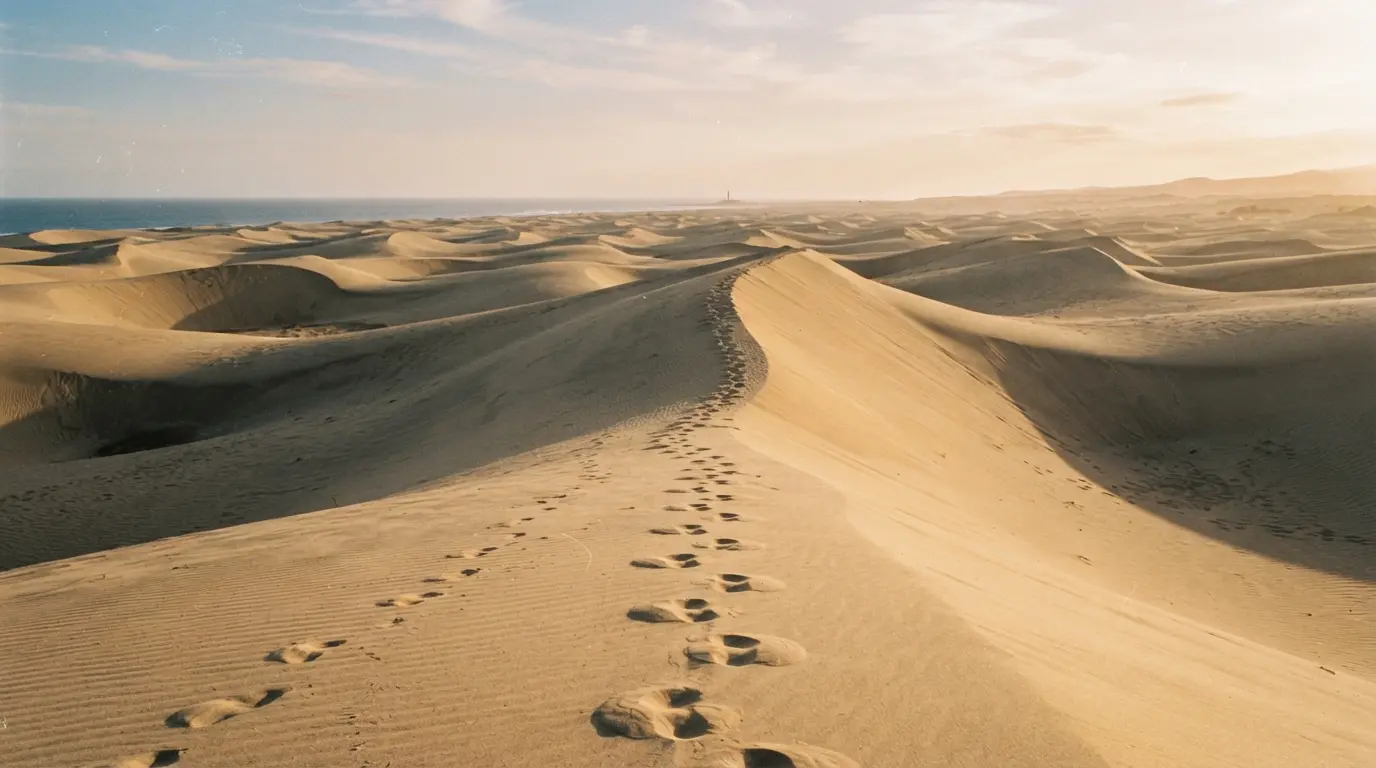
Must see Gran Canaria destinations span the colonial streets of Las Palmas, the mountain villages of Tejeda and Teror, and the dramatic Maspalomas Sand Dunes. Most travelers arrive expecting a cheap and cheerful package holiday island built purely around Playa del Ingles and Puerto Rico, and while those resort towns genuinely deliver on sun and nightlife, the real surprise is how much mountainous, tropical, and culturally rich terrain sits just a short drive away.
Is Gran Canaria a Good Winter Sun Destination?
Yes, and this is genuinely one of the island’s strongest selling points. Gran Canaria, the third largest of the eight Canary Islands, sits closer to West Africa than mainland Europe, meaning sunshine is virtually guaranteed year round along the coast. This makes it a genuinely reliable winter escape, and many hotels along the popular resort areas keep their pools heated specifically for cooler months. One honest caution worth knowing regardless of season: Gran Canaria’s proximity to the equator means the sun’s intensity catches first timers off guard, so taking extra care with sunscreen matters more here than on many other European beach destinations.
What Is There to See in Las Palmas?
The island’s capital city rewards a slow, unhurried stroll, particularly through Vegueta, the old town where Las Palmas was founded back in the 15th century. This is genuinely the most atmospheric part of the city, retaining much of its original colonial character across colorful, historical streets. The Santa Ana Cathedral, which famously took 350 years to build, stands as the neighborhood’s centerpiece and is well worth stopping to admire. A genuinely useful budget tip: museums across the city open free of charge on the first Sunday of every month, making that timing worth building into your itinerary if it lines up with your travel dates.
Should You Visit Tejeda and Teror?
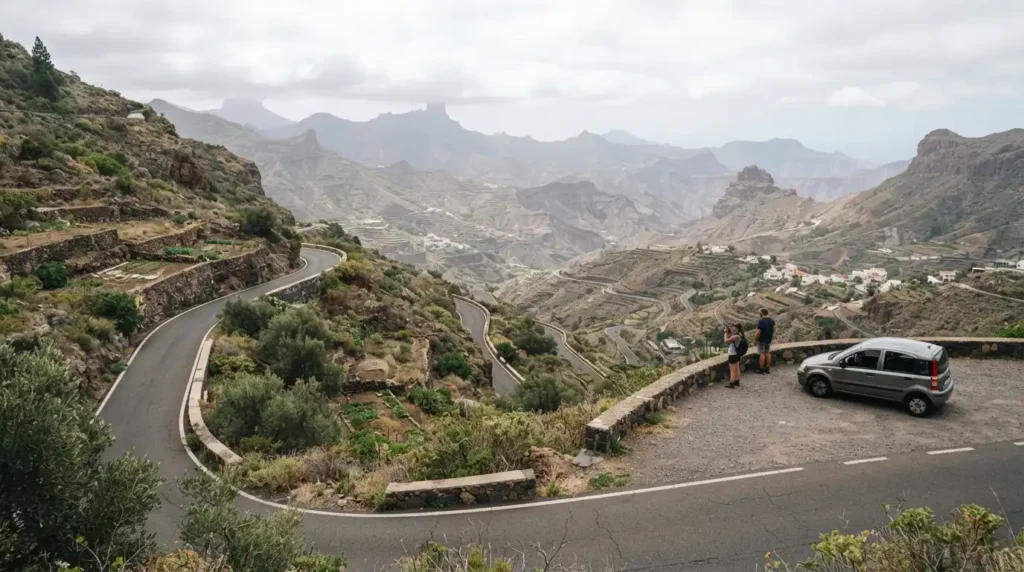
Yes, and this is where Gran Canaria’s mountainous beauty genuinely comes into its own. Tejeda, a village high in the middle of the island, delivers sweeping vistas and hiking opportunities that make hiring a car genuinely worthwhile for the drive alone. Further along sits Teror, a historic town and the island’s religious centre, once the capital of Gran Canaria, known for its lovely architecture, local donuts, and spring water. One honest weather note worth knowing before you go: Tejeda and the nearby village of Arnetara run genuinely cold and chilly during winter months given their altitude, with a higher chance of rain than the sunnier south and west coasts, while these same high areas turn uncomfortably hot come summer. The winding mountain roads demand slow, careful driving, but the scenery along the way genuinely justifies the extra time.
Is Maspalomas Sand Dunes Worth Visiting?
Yes, and this protected nature reserve delivers one of the most striking landscapes on the entire island, with dramatic dunes that genuinely feel transported straight from the Sahara Desert. Reaching the dunes on foot from Playa del Ingles takes roughly 30 minutes, and the drifts themselves prove deceptively hard work to climb, steeper and more tiring than they first appear. One genuinely important heads-up for travelers with kids: several designated nudist zones exist along this vast beach, and it’s entirely possible to wander unknowingly into one while exploring, so families wanting to avoid that situation should stick closer to the more clearly marked public sections nearer Playa del Ingles itself.
Playa del Ingles or Puerto de Mogán: Which Should You Visit?
| Destination | Vibe | Best For |
| Playa del Ingles | Lively, LGBT friendly, nightlife | Party atmosphere, beach days |
| Puerto de Mogán | Classy fishing town | Quieter charm, authentic tapas |
| Amadores Beach | Sheltered swimming | Families, calmer swimming conditions |
Playa del Ingles ranks among the most popular LGBT friendly resorts in Europe, anchored by the Yumbo Centre, a four-floor complex of nightclubs, bars, restaurants, and markets that comes genuinely alive after dark, with a lively beachfront promenade lined with bars for daytime tanning and nighttime partying. Puerto de Mogán offers a completely different pace, a genuinely pretty fishing town with a classy vibe, often compared to Marbella on mainland Spain, where residential streets behind the harbour are draped in vibrant bougainvillea and market days bring a mix of tourist stalls and decent artisan crafts. Amadores Beach rounds out the comparison as a sheltered, family-friendly option specifically good for swimming, though it does get genuinely busy during peak season. Travelers wanting nightlife and energy should choose Playa del Ingles, while those wanting a quieter, more authentic Spanish atmosphere with good food should head to Puerto de Mogán or the calmer waters of Amadores Beach instead.
Do You Need a Car to See Gran Canaria’s Must See Attractions?
Genuinely yes, particularly if the mountain villages of Tejeda and Teror are on your list. Renting a car opens up the winding roads leading into the island’s interior, and while the drive itself demands patience given how much slower travel becomes on these routes, the vistas along the way are exactly why hiring a car is consistently recommended by travelers who’ve explored beyond the coastal resorts. Travelers sticking exclusively to beach resorts like Playa del Ingles or Puerto Rico can get by without one, but reaching the island’s more dramatic scenery genuinely requires your own transportation.
What Should You Eat in Gran Canaria?
Papas Con Mojo stands as the island’s signature tapas dish, small potatoes boiled in salty sea water and served alongside either a red mojo sauce, made from pepper and garlic, or a green version built around coriander and garlic. Aioli, a garlic mayonnaise served with fresh rustic bread, appears widely across Spain and pairs naturally with the same tapas spread. In the mountain town of Teror, seeking out the local donuts alongside a taste of the town’s famous spring water rounds out a genuinely different food experience compared to the coastal resort dining scene.
What Other Attractions Are There in Gran Canaria?
Guayadeque Ravine, on the eastern side of the island, holds a genuinely sleepy cave village worth the detour for travelers interested in a different side of Canarian history and culture. Golf enthusiasts have eight courses to choose from across the island, several set against genuinely striking mountain and coastal backdrops. Dolphin and whale watching cruises depart regularly in search of the pods that live year round around the Canary Islands, offering a memorable half day out on the water for travelers wanting to add wildlife spotting to their itinerary.
Final Thoughts
Building the right must see Gran Canaria list really comes down to balancing the island’s famous beach resorts against its genuinely underrated mountainous interior. Rent a car to properly reach Tejeda and Teror, choose your coastal base based on whether you want Playa del Ingles’s nightlife or Puerto de Mogán’s quieter charm, and time a Las Palmas visit for the first Sunday of the month if free museum entry appeals. Whether it’s hiking the Maspalomas Sand Dunes or sampling Papas Con Mojo in a mountain village, must see Gran Canaria experiences reward travelers who venture past the resort strip into the island’s genuinely diverse landscape.
FAQs
Is Gran Canaria good for a family holiday?
Yes, particularly around sheltered beaches like Amadores Beach that suit calmer swimming, though families should note that Maspalomas Sand Dunes includes designated nudist zones that are worth being aware of before wandering the full length of the beach with kids.
What is the best time to visit Gran Canaria?
The coastal resort areas deliver reliably warm, sunny weather nearly year round given the island’s proximity to West Africa, making it a genuinely strong winter sun destination, though travelers heading up into the mountains around Tejeda should expect colder, wetter conditions in winter and uncomfortable heat in summer.
Is Amadores Beach good for swimming?
Yes, this sheltered beach in the southwest of the island offers genuinely calm swimming conditions, though it does get busy during peak season, so arriving earlier in the day helps secure a spot on the sand.
Should you book all-inclusive or half board in Gran Canaria?
Half board is genuinely worth considering over all-inclusive, since it encourages getting out to eat at local tapas restaurants in towns like Puerto de Mogán rather than staying confined to the resort’s dining room for every meal.


