
Must See Rocky Mountain National Park: The Complete Guide
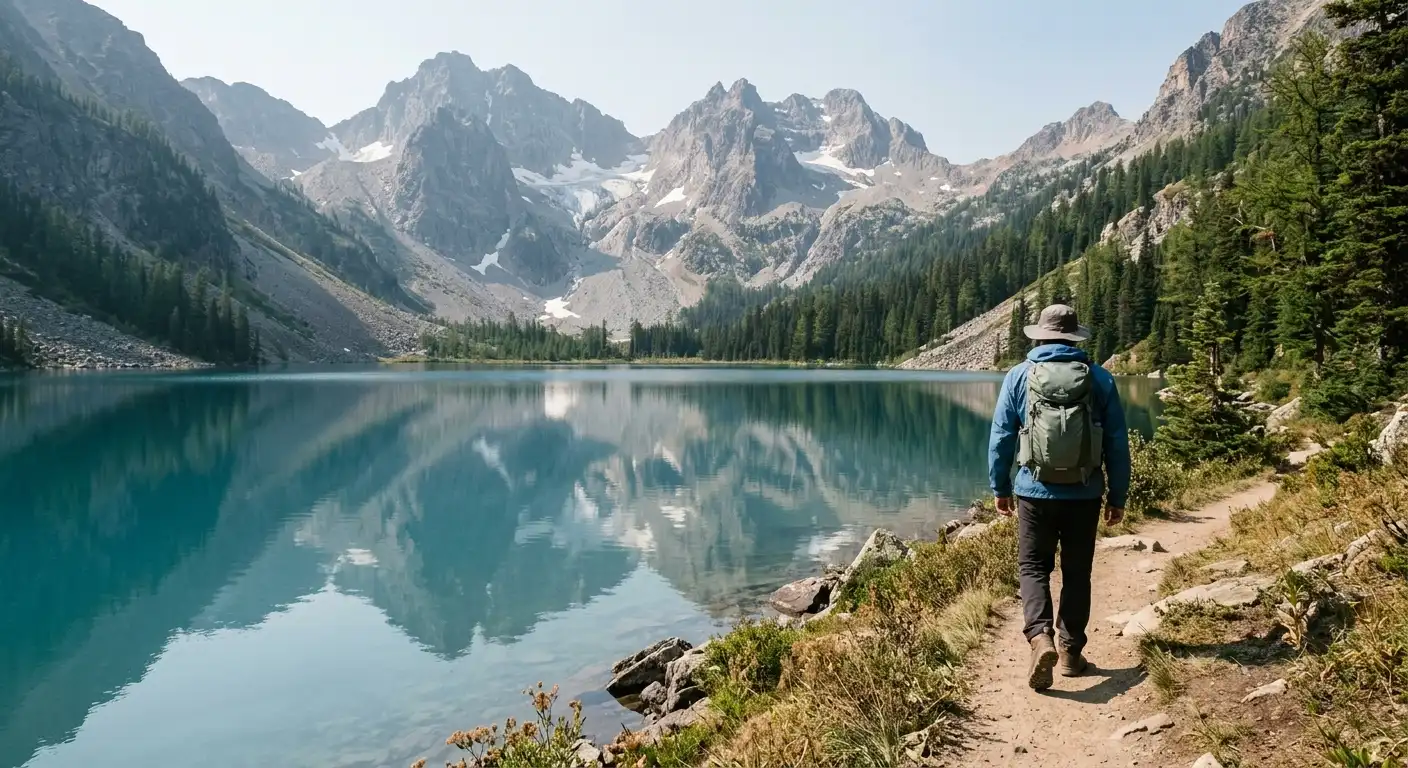
Must see Rocky Mountain National Park experiences include hiking the Bear Lake Corridor to Dream Lake or Emerald Lake, driving Old Fall River Road, and visiting the Alpine Visitor Center. With more than 350 miles of trails and a genuinely dramatic elevation range packed into one park, most first timers underestimate how much a single mandatory reservation shapes the entire visit.
Do You Need a Reservation for Rocky Mountain National Park?
Yes, and this is the single most important planning fact for any first-time visit. Rocky Mountain National Park runs a timed entry reservation system, meaning no reservation genuinely means no park entry, with only limited exceptions. The system exists specifically to reduce entrance wait times, cut down on internal traffic, and ease parking pressure at the park’s most popular spots. Reservations are booked directly through the National Park Service’s official recreation system, and a common mistake first timers make is assuming they can show up and figure out entry once they arrive, when the reservation genuinely needs to be secured well before your trip, especially if your visit falls during the busy June through September window.
What Is the Best Hike in the Bear Lake Corridor?
| Hike | Distance | Elevation | Difficulty |
| Bear Lake | 0.7 miles loop | Minimal | Easy |
| Nymph Lake | 1.2 miles roundtrip | 9,900 feet trail elevation | Easy |
| Dream Lake | 2 miles roundtrip | Slight gain | Easy to moderate |
| Emerald Lake | 3.2 miles roundtrip | About 700 feet gain | Moderate |
The Bear Lake Corridor holds some of the most popular and rewarding hikes in the entire park, and travelers who’ve hiked the full circuit consistently name Dream Lake their personal favorite for its scale and steady stream of great photo spots along the trail. Bear Lake itself sits just steps from the main parking area, with a nearly flat, well-maintained 0.7-mile loop delivering views of prominent Hallett Peak over the treeline, making it a strong starting point for any visit. Nymph Lake follows shortly after at 1.2 miles roundtrip, with a slight elevation gain that can make breathing noticeably harder given the trail’s roughly 9,900-foot elevation, though it remains genuinely welcoming for hikers of any skill level. Emerald Lake demands the most effort at 3.2 miles roundtrip with around 700 feet of elevation gain, but the trail passes right by Bear, Nymph, and Dream Lakes along the way, meaning a single morning hike delivers four distinct mountain lakes in one outing. A common mistake first timers make is saving their longest hike for day one, when acclimating to Estes Park’s own 7,522-foot elevation for a day or two first genuinely makes longer trails like Emerald Lake feel more manageable.
How Do You Get a Parking Spot at Bear Lake?
Honestly, plan for a real challenge here. Even with a valid timed entry reservation covering Bear Lake Corridor access, arriving even 30 to 60 minutes after your entry window can mean finding the main lot already full, with rangers actively directing cars to an overflow lot down the road that connects via shuttle instead. Getting a spot in the actual Bear Lake lot often comes down to genuine luck and arriving as close to your reservation window’s opening as possible. Travelers not fortunate enough to snag direct parking shouldn’t be discouraged, since the shuttle from the overflow lot still delivers you to the same trailhead, just with a short wait built into the start of your hike.
Should You Drive or Hike to Chasm Falls?
Drive it. Chasm Falls sits directly beside Old Fall River Road, and pulling off to walk down to its viewing platform delivers views of the waterfall in one direction and the stream downstream in the other, making it a genuinely worthwhile pitstop for anyone already driving the road. A separate hiking option exists too, starting from the Endovalley picnic area and covering roughly 2.5 miles roundtrip with about 500 feet of elevation gain, but this route isn’t particularly recommended, since the falls themselves aren’t large or dramatic enough to justify the extra hiking effort when driving delivers essentially the same view with far less work. Travelers specifically wanting to see Chasm Falls should build it into an Old Fall River Road drive rather than treating it as a standalone hike.
What Is the Alpine Visitor Center?
The Alpine Visitor Center sits along Trail Ridge Road at an elevation of 11,796 feet, making it the highest visitor center anywhere in the entire US National Park system. The panoramic views alone justify a stop here even for travelers who typically skip visitor centers, and the building includes a large souvenir shop, a restaurant, restroom facilities, and direct access to the nearby Alpine Ridge Trail. One honest downside worth knowing: the restaurant gets genuinely crowded during peak lunch hours given how limited food options are elsewhere in the park, so building in extra time or planning to eat slightly earlier or later avoids the longest waits.
Is Old Fall River Road Worth Driving?
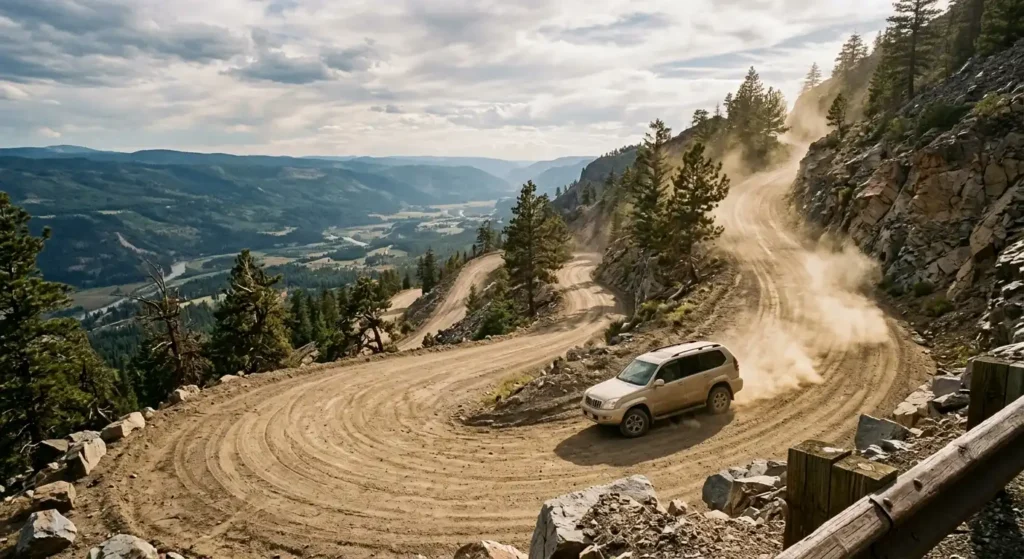
Yes, and it delivers an experience that genuinely sets Rocky Mountain apart from other national parks. This 11-mile, one-way dirt road climbs from the park’s eastern side up to the Alpine Visitor Center, and while a vehicle with higher ground clearance is nice to have, it isn’t strictly required, since plenty of standard cars make the drive successfully. The road does carry a real risk of kicked-up rocks and debris potentially damaging tires or paint, a fair tradeoff for travelers considering the drive worthwhile for its access to both Chasm Falls and the Chapin Creek Trailhead along the way. The exhilarating, winding nature of the drive rewards travelers with mountain and off-road driving experience the most, though cautious, attentive drivers without that background can still handle it comfortably at a slower pace.
Should You Stay in Estes Park or Grand Lake?
| Town | Best For | Consideration |
| Estes Park | Convenience, closer to Bear Lake Corridor | Closer to Denver, more amenities |
| Grand Lake | Boating on Grand Lake itself | More driving required, quieter |
Estes Park consistently earns the stronger recommendation as a home base, sitting closer to both the Bear Lake Corridor and the starting point of Old Fall River Road, while also being a somewhat shorter drive from Denver for travelers flying into the region. Grand Lake offers a genuinely different experience centered around its own massive lake, appealing specifically to travelers interested in renting a boat and spending time on the water. Travelers staying in Grand Lake should simply expect more driving overall to reach the park’s most popular hiking areas, though the scenery along the way rarely feels like wasted time. Splitting a stay between both towns works well too for travelers with enough days to enjoy each one’s distinct character.
What Should You Know About Food and Water Inside the Park?
Food and water options inside Rocky Mountain National Park are genuinely limited, so stocking up before entering from either Estes Park or Grand Lake matters more here than at many other national parks. The Alpine Visitor Center offers the only real restaurant option inside the park itself, along with bottled water for sale, but its central location and popularity mean genuine crowds and wait times during peak lunch hours. Packing enough snacks, meals, and water for a full day of hiking before you enter avoids being caught without options partway through your visit.
What Wildlife Can You See in Rocky Mountain National Park?
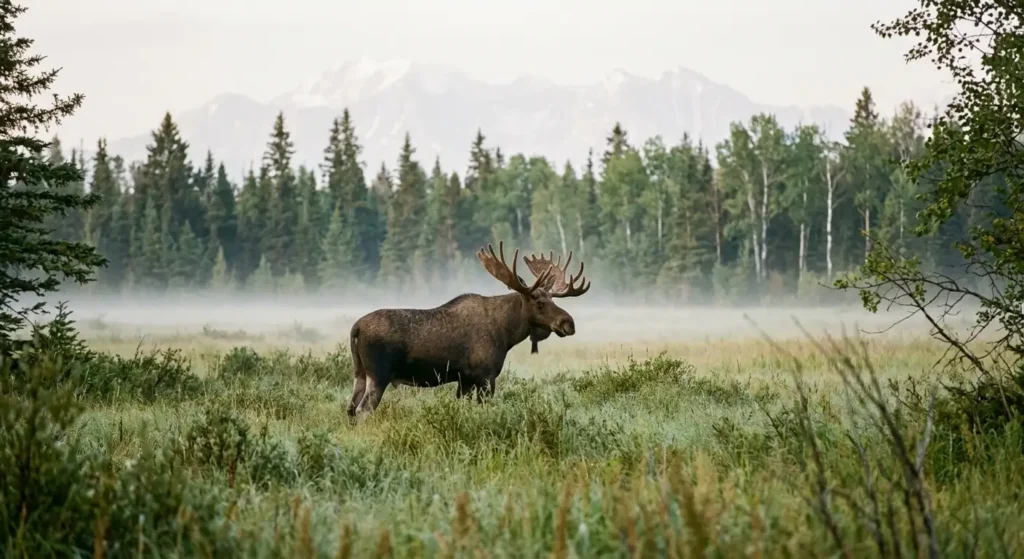
Wildlife encounters rank among the most memorable parts of any visit here, and moose, elk, and marmots all appear regularly throughout the park. Lower elevation areas near Estes Park and the Fall River Entrance Station offer particularly strong odds for spotting moose, while herds of elk numbering into the dozens are commonly seen on the Grand Lake side of the park. Marmots turn up frequently along many of the park’s trails as well. Keeping a genuinely safe distance from any wildlife encounter matters enormously, since these are wild animals regardless of how calm or approachable they might look, and approaching too closely for a photo, particularly with something as large as a moose, is a genuinely bad idea.
Is Lake Irene Worth Visiting?
For travelers with time to spare, yes, but it’s fair to call this one skippable if your schedule is tight. A short 10-minute stroll from the parking area leads down to a path circling the lake, a peaceful, low-key spot popular for picnics, and continuing another 10 minutes reaches an overlook above a large grassy field that local rangers point to as a genuinely good wildlife viewing area. That said, if you’re working with limited time in the park, Lake Irene reasonably falls lower on the priority list compared to the Bear Lake Corridor hikes or a drive down Old Fall River Road.
How Many Days Do You Need in Rocky Mountain National Park?
Two days covers a genuinely busy itinerary hitting the Bear Lake Corridor hikes, a drive along at least part of Trail Ridge Road, and a stop at the Alpine Visitor Center, while three days allows for a more leisurely pace with room to also drive Old Fall River Road and explore either Estes Park or Grand Lake properly. Serious hikers or backcountry enthusiasts interested in longer routes should budget additional time beyond what a standard sightseeing itinerary requires.
Final Thoughts
Checking off the real must see Rocky Mountain National Park list comes down to locking in a timed entry reservation well before your trip, arriving early for Bear Lake parking, and skipping Lake Irene if your schedule genuinely doesn’t have room for it. Drive Old Fall River Road rather than hiking to Chasm Falls, pack food and water before entering given how limited options are inside the park, and give yourself two to three days to properly experience both the hiking trails and the scenic drives. Whether it’s spotting a moose near the entrance station or reaching Emerald Lake after passing three others along the way, the best must see Rocky Mountain National Park experiences reward travelers who plan around the reservation system and the park’s genuine elevation-driven quirks.
FAQs
What is the best time to visit Rocky Mountain National Park?
May through October offers access to the park’s full road network, with June through September representing the ideal window, since Trail Ridge Road and the Alpine Visitor Center sit high enough in elevation to remain snow-covered and inaccessible outside of summer.
What should you wear to Rocky Mountain National Park?
Dressing in layers matters enormously given how much temperatures swing between cold mornings, hot sun-exposed middays, and quickly dropping evenings, alongside genuinely unpredictable mountain wind and precipitation.
Is there cell phone service in Rocky Mountain National Park?
Service is unreliable through much of the park, with the most consistent signal found closer to Estes Park, Grand Lake, or the highest elevation points, making a physical park map worth picking up at the entrance in case GPS navigation struggles.
How long is Trail Ridge Road?
Trail Ridge Road spans 48 miles connecting Estes Park to Grand Lake, serving as the park’s primary scenic drive, though sections of the road close seasonally due to high mountain snow outside the summer months.


