
Dental Implants: A Patient-Friendly Roadmap From First Visit to Long-Term Care
Key Takeaways
- Dental implant treatment is planned around oral health, jawbone condition, medical history, bite, and the final replacement tooth.
- The process may include preparation, implant placement, healing, and the placement of a final crown, bridge, or denture.
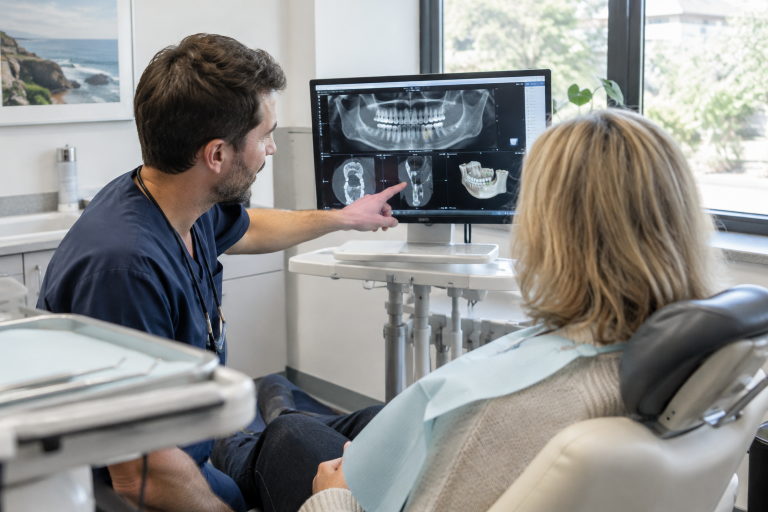
- Digital scans and imaging can help a dental team assess bone, nearby teeth, nerves, and available space.
- Consistent home care and professional maintenance help protect the gums and bone around an implant.
- A written treatment plan should explain the timeline, materials, expected visits, costs, and possible additional procedures.
Dental implants can be a practical option for replacing one missing tooth, several teeth, or supporting a larger restoration. A well-planned dental implant procedure is not simply about filling a visible gap. It considers how the replacement will look, feel, function, and fit into long-term oral health.
Every patient’s situation is different. The condition of the gums, remaining teeth, jawbone, bite, and general health can all affect whether implants are appropriate and how treatment should proceed.
Why People Consider Dental Implants
A missing tooth may affect chewing, speech, confidence, or the way the teeth meet when biting. Depending on the location and number of missing teeth, possible replacements can include an implant-supported crown, a bridge, or a removable partial or full denture. Options for replacing missing teeth should be discussed in light of a person’s health, goals, treatment preferences, and budget. Implants require surgery and healing, so they are not a quick cosmetic solution.
Who May Be a Candidate?
Age alone does not determine candidacy. A dental professional will usually review gum health, tooth decay, bone volume, bite forces, and the stability and management of medical conditions. Tobacco use, vaping, certain medicines, grinding habits, and the ability to attend follow-up visits can also affect planning. If bone or gum support is limited, treatment may still be possible, but it may require additional procedures or a different replacement option.
What Happens During the First Visit?
A consultation typically starts with a review of dental and medical history, followed by an examination of the teeth, gums, bite, and jaw. The care team may take photographs, digital impressions, X-rays, or three-dimensional imaging. This visit should also include a conversation about goals, alternatives, estimated timing, risks, and costs. Patients should feel comfortable asking questions before committing to treatment.
How Treatment Planning Works
Implant planning often begins with the final restoration in mind. The planned crown, bridge, or denture influences where an implant should be positioned. The team evaluates bone height and width, gum thickness, spacing between teeth, sinus areas, nerve pathways, smile line, and bite pressure. Digital tools can assist in reviewing images and planning positions, but they support, rather than replace, clinical judgment.
Important Planning Details
- The health of the surrounding gums and remaining teeth.
- The amount and shape of the available jawbone.
- Whether a temporary tooth is needed during healing.
- The intended material and appearance of the final restoration.
- How the new tooth will contact opposing and neighboring teeth.
The Main Stages of Treatment
The exact sequence varies, but many treatment plans follow a similar path:
- Preparation: Active decay, gum disease, infection, or damaged teeth are addressed first.
- Extraction or grafting: A tooth may be removed, and bone or soft tissue may need support before or during implant treatment.
- Implant placement: The implant is placed in the jawbone during a surgical appointment.
- Healing: Bone and soft tissues recover while the implant becomes stable.
- Restoration: A connector, called an abutment in many cases, and the final crown, bridge, or denture are fitted and adjusted.
Healing and Recovery
Tenderness, swelling, minor bruising, and temporary dietary changes can occur after surgery. Recovery varies with the extent of treatment, the need for grafting, and individual health factors. Follow the dental team’s instructions for medication, oral hygiene, food choices, and activity. Contact the office promptly for worsening pain after initial improvement, persistent bleeding, fever, severe swelling, drainage, numbness, or a loose temporary or final restoration.
Costs, Insurance, and Financing Questions
There is no single price for implant treatment because plans can differ substantially. Costs may include consultations, imaging, extractions, sedation, grafting, implant placement, temporary teeth, laboratory work, and the final restoration. Insurance coverage also varies by plan and may apply differently to surgical care, restorations, or preparatory treatment.
What to Request in Writing
- An itemized estimate showing included services and possible additional fees.
- The anticipated number of visits and general treatment timeline.
- Which provider handles surgery, restoration, and follow-up care?
- A clear distinction between the treatment estimate, insurance estimate, and financing agreement.
Possible Risks and Warning Signs
Like other surgical dental procedures, implants involve potential risks. These may include infection or inflammation around the implant, delayed healing, lack of stability, gum changes, damage to nearby structures, or wear or loosening of the final restoration. An individual risk discussion should account for medical history, oral hygiene, bite habits, and the complexity of the planned procedure.
Long-Term Care and Maintenance
An implant restoration cannot develop a cavity, but the surrounding gums and bone still require daily care. Brush twice daily, clean between teeth and around the implant using the tools recommended by the dental team, and attend regular examinations and cleanings. Report bleeding, swelling, discomfort, a bad taste, or changes in how the restoration fits. A night guard may be recommended for people who grind their teeth, and implants should not be used to open packages or bite very hard objects.
Questions to Ask Before Treatment
- What replacement options fit my current oral health and goals?
- Do I need treatment for gum disease, decay, infection, or bone loss first?
- Will I need a graft, extraction, or temporary tooth?
- How many visits and healing periods should I expect?
- What materials are planned for my final restoration?
- Which risks are most relevant to my health history?
- What does the written estimate include and exclude?
- How should I clean and maintain the implant over time?
Final Thoughts
Dental implant treatment is most successful when health, function, appearance, timing, and maintenance are considered together. A thorough evaluation and clear conversation about alternatives can help patients make an informed decision that fits both their current needs and long-term oral health goals.