
New Zealand Adventure Itinerary: How to Plan Your 2026 Trip

A New Zealand adventure itinerary usually splits time between the North and South Islands, mixing a rental car or campervan road trip with activities like bungy jumping, glacier hiking, and a Milford Sound cruise. Budget on $195 to $258 NZD a day, and expect the planning itself to be half the challenge.
Between choosing an island, working out visa fees, and figuring out how many adventure activities you can realistically fit into two weeks, most people end up more overwhelmed than excited by the time they start booking. Here’s what matters most, based on how the trip really unfolds once you land.
How Many Days Do You Need for a New Zealand Adventure Itinerary?
A South Island road trip alone needs at least 10 days to do justice. Covering both islands comfortably takes 14 to 21 days. Shorter trips are possible, but they mean longer driving days and less time to enjoy each stop rather than just passing through it.
Should You Visit the North Island or South Island?

If adventure is the priority, the South Island wins. Queenstown, Fiordland National Park, and Aoraki Mount Cook National Park sit within a few hours of each other, and the concentration of adrenaline activities there is hard to match. The North Island suits travelers drawn to Māori culture, beaches, and geothermal activity around Rotorua, but it’s a gentler kind of trip.
Travelers with only 10 days should pick one island rather than rush both. Two weeks is the realistic minimum for seeing meaningful chunks of each, and even then, an internal flight between Rotorua and Christchurch or Auckland and Queenstown saves real time compared to the ferry crossing.
What Visa and Fees Do You Need Before Your Trip?
Most visitors need a New Zealand Electronic Travel Authority, known as an NZeTA, which costs 17 NZD and should be applied for at least 72 hours before departure. Bundled into that same application is the International Visitor Conservation and Tourism Levy, currently 100 NZD per person since it tripled from 35 NZD in October 2024. Neither fee is refundable if your application is declined, so apply early and double check your details.
A common mistake first timers make is underestimating New Zealand’s biosecurity rules. Customs officers use detector dogs and random bag checks, and an undeclared apple or leftover snack can trigger an on the spot fine of 400 NZD. Declare any food, hiking boots, or camping gear so it can be inspected rather than risking the fine.
Should You Rent a Car or a Campervan?
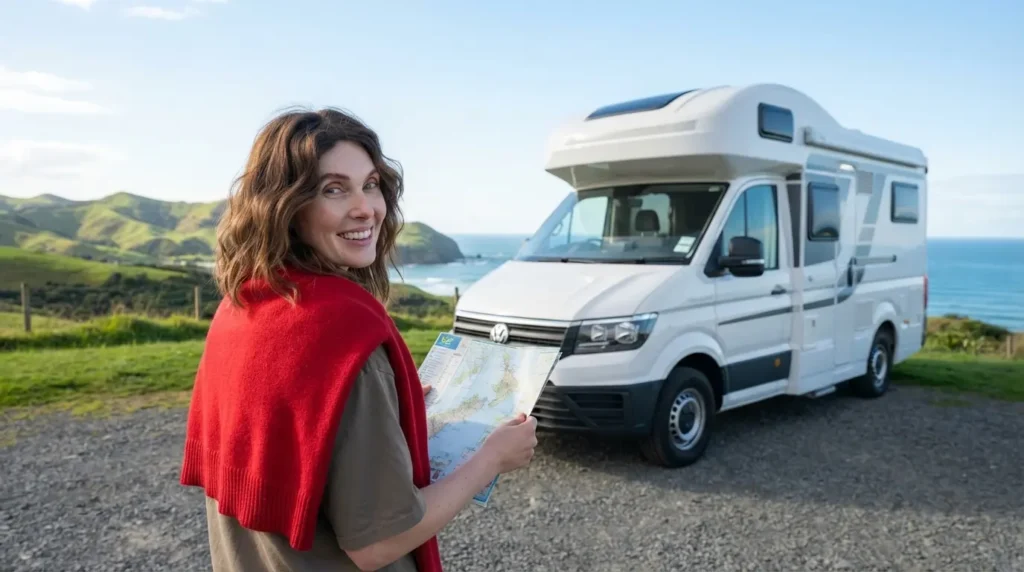
A rental car is usually cheaper and easier to handle on New Zealand’s narrow, winding roads, with a wider selection of vehicles at most pickup points. A campervan costs more upfront, often $1,000 to $2,000 NZD for ten days, but it saves money on accommodation since you can stay at DOC campsites for around $8 to $15 per person a night, or freedom camp for free in a self contained vehicle.
If you’re torn, your accommodation style should decide it. Prefer hotels and B&Bs, rent a car. Comfortable sleeping in a van at holiday parks, go with a campervan.
What Are the Best North Island Stops for an Adventure Itinerary?
Rotorua is the North Island’s most useful adventure base, combining geothermal parks like Waimangu Volcanic Valley with Māori culture experiences. Venues like Te Pā Tū pair a hangi meal with haka performances, and while these evenings are somewhat commercialized, they remain a genuine introduction to Māori customs for travelers on a tight schedule. White water rafting on the Kaituna River, home to the world’s largest commercially rafted waterfall at 7 meters, is another Rotorua highlight that needs zero experience.
Further north, the Bay of Islands offers parasailing over turquoise water dotted with small islands, while Ninety Mile Beach allows off road driving toward Cape Reinga, New Zealand’s northernmost point. Most rental companies restrict driving on the beach itself due to tide and safety risks, so check your contract before planning this detour.
For hikers, the Tongariro Alpine Crossing is worth building a full day around. This roughly 19 kilometer trek crosses active volcanic terrain past the Red Crater and Emerald Lakes, and since the trail starts and ends in different spots, pre-arranged shuttle transport is essential.
What Are the Best South Island Stops for an Adventure Itinerary?
Aoraki Mount Cook National Park, Wanaka, Queenstown, and Milford Sound form the backbone of nearly every South Island itinerary, and for good reason. This stretch delivers New Zealand’s highest peak, its most famous fjord, and its adventure capital, all within a few hours’ drive of each other.
Milford Sound is the more accessible fjord and arguably the more dramatic one, but it’s also busy, with tour boats following the same route in close succession. Doubtful Sound requires a longer drive and often a boat transfer just to reach the water, but travelers who make the effort typically report seeing barely another boat all day. An overnight cruise on Doubtful Sound, including kayaking and meals, tends to leave a stronger impression than a rushed Milford Sound day trip from Queenstown.
Queenstown earns its reputation as New Zealand’s adventure capital. Bungy jumping at Kawarau Bridge runs 205 to 275 NZD, the Shotover Jet costs around 149 NZD, and the Skyline gondola plus luge combo is roughly 46 to 61 NZD. Wanaka, about an hour away, offers a calmer alternative with lake swims at Lake Hāwea, hiking trails like Roy’s Peak, and wine tasting without Queenstown’s crowds or price tags.
Aoraki Mount Cook National Park rewards a full day, with the Hooker Valley Track offering an accessible three hour return hike to a glacial lake. Rooms in Mount Cook Village book out months in advance, so Twizel, about an hour away, makes a reliable backup base.
What Adventure Activities Should You Add to Your Itinerary?

Beyond the big three of bungy jumping, skydiving, and jet boating, several activities deserve a spot on any New Zealand adventure itinerary:
- Heli-skiing near Methven, with access to more than 250 backcountry runs, typically built around five guided runs per trip
- Black water rafting through the Waitomo glow worm caves, floating on an inner tube through total darkness lit only by thousands of glow worms
- Glacier hiking or ice climbing at Fox Glacier or Franz Josef, usually beginning with a scenic helicopter flight, though weather cancellations happen often enough that building in a buffer day is smart
- Funyaking or packrafting in Mount Aspiring National Park, a gentler paddling alternative to a full day hike
- Skydiving above Abel Tasman National Park, with freefalls of up to 70 seconds over turquoise coastline
Expect to pay 300 NZD or more for skydiving in Queenstown, roughly 10 percent less in Wanaka, and up to 25 percent less at Lake Taupo on the North Island, so location genuinely affects the price of the same adrenaline rush.
How Much Does a New Zealand Adventure Itinerary Cost Per Day?
Budget travelers hiring a car and tent camping should expect to spend around 195 NZD per person per day, covering fuel, campsite fees, and basic meals. A campervan trip mixing free freedom camping with the occasional paid holiday park runs closer to 258 NZD per day. Neither figure includes the pricier adventure activities, so add those separately based on what’s really on your list.
Fuel remains one of the biggest variables, and prices fluctuate enough by region and season that it’s worth checking current rates rather than relying on older estimates, since even a modest road trip can burn through 300 to 400 NZD in petrol alone.
When Is the Best Time to Visit New Zealand for an Adventure Itinerary?
Summer, December through February, brings the longest days and the widest range of open tours and attractions. Shoulder season travel from September to November or March to April costs less, sees fewer crowds, and often delivers better weather for road tripping than peak summer, when accommodation books out fastest.
One detail that catches first timers off guard: even at the height of summer, South Island nights in the mountains can drop to 5 degrees Celsius, with daytime temperatures swinging from warm sunshine in town to biting wind on an exposed ridge. Pack layers regardless of which month you travel.
Final Thoughts
A great New Zealand adventure itinerary comes down to picking one island properly rather than rushing both, and building your budget around the visa fees, fuel costs, and activity prices that actually apply in 2026. Start with Queenstown and Milford Sound if adventure is the goal, or Rotorua and the Bay of Islands if culture and beaches matter more. Whichever route you choose, book your Great Walks and glacier flights early, pack for cold nights even in summer, and leave a little room in the schedule for the weather to have its say.
FAQs
How many days do you need in New Zealand?
At least 10 days for one island, and 14 to 21 days to comfortably cover both the North and South Islands.
Is it better to rent a car or a campervan?
A car is cheaper and easier to drive; a campervan saves on accommodation but costs more to hire.
Do I need a visa to visit New Zealand?
Most visitors need an NZeTA, which costs 17 NZD, plus a 100 NZD International Visitor Conservation and Tourism Levy.
Should I visit the North Island or South Island first?
Most itineraries start in Auckland on the North Island since international flights land there, then head south.
Is Milford Sound or Doubtful Sound better?
Milford Sound is more accessible and dramatic but busier; Doubtful Sound is quieter and better for an overnight cruise.
How much does bungy jumping cost in Queenstown?
Expect to pay between 205 and 275 NZD at Kawarau Bridge, depending on the operator and package.
Do I need to book Great Walks in advance?
Yes, huts on popular tracks like the Routeburn and Milford often book out months ahead during peak season.
How much does a New Zealand road trip cost per day?
Budget around 195 NZD per day tent camping with a car, or 258 NZD per day traveling by campervan.


