
Things to Do in Columbia River Gorge: The Complete 2026 Guide
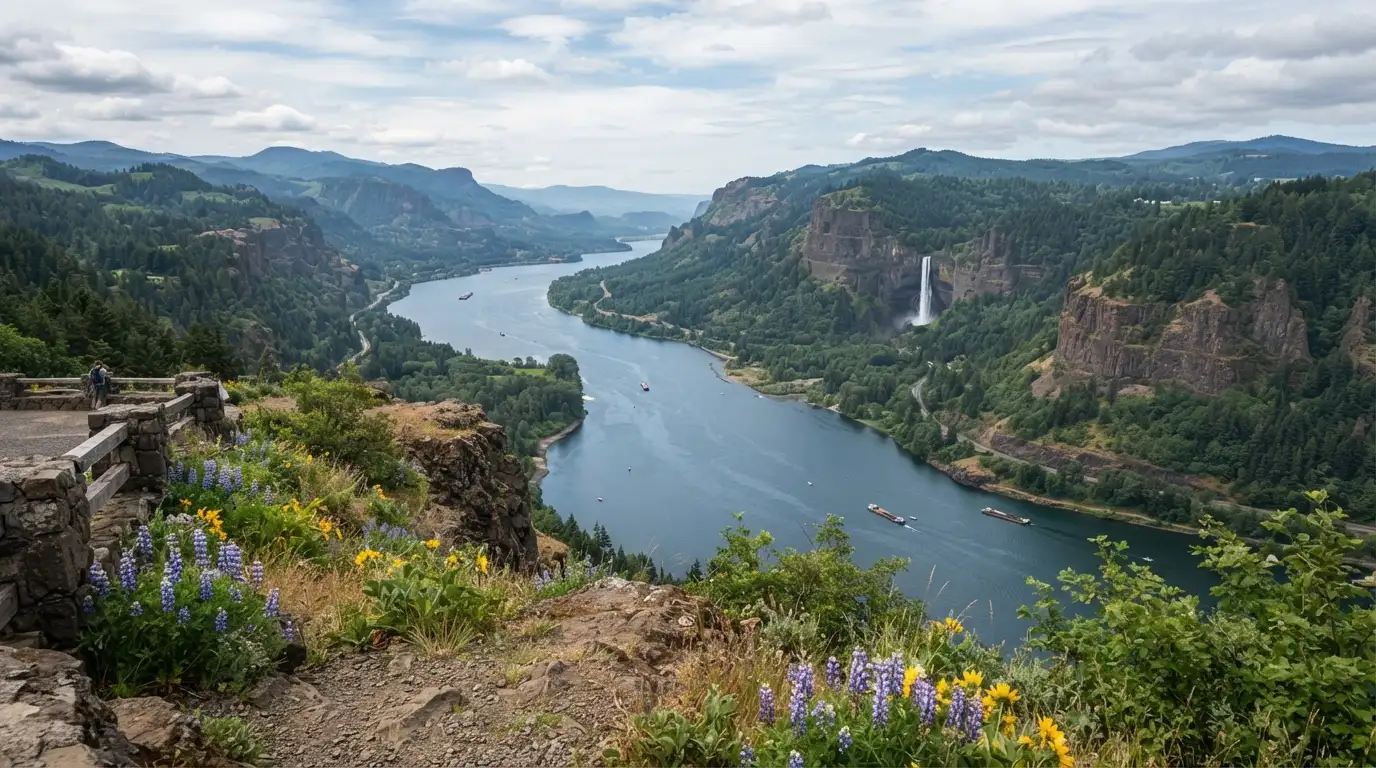
Things to do in Columbia River Gorge include chasing waterfalls like Multnomah Falls, driving the Historic Columbia River Highway, wine tasting along the Fruit Loop, and hiking wildflower trails like Dog Mountain, spread across both the Oregon and Washington sides. With more than 80 named waterfalls packed into one stretch of river, the hardest part of planning is usually deciding what to skip.
Is the Columbia River Gorge Worth Visiting?
Yes, and it earns its reputation as one of the most concentrated outdoor playgrounds in the Pacific Northwest. The Gorge protects roughly 80 miles of the Columbia River, carved into a dramatic V shape by ice age flooding thousands of years ago, and it packs waterfalls, wineries, windsurfing, and mountain views into a drive that starts less than an hour from Portland International Airport. Travelers consistently find that even a short visit delivers more variety than expected, from a full scale Stonehenge replica near Maryhill to salmon migrating past an underwater viewing window at Bonneville Fish Hatchery. A common mistake first timers make is treating this as a single afternoon stop when locals with 30 or more visits still find new spots every trip.
How Many Days Do I Need for Columbia River Gorge?
Two to three days covers the highlights well, giving enough time to see Multnomah Falls, drive the scenic byway, and fit in a wine tasting or two without rushing. A single day works if you’re passing through and sticking mostly to the main highway, since the drive itself takes under two hours without stops. Outdoor enthusiasts who want to hike, fish, and bike through the region should plan closer to a full week, since the Gorge stretches across both Oregon and Washington with separate scenic drives on each side.
How Far Is Columbia River Gorge from Portland?
The western edge of the Columbia River Gorge starts about a 20 minute drive from Portland near the town of Troutdale, making it one of the most accessible natural attractions near a major U.S. city. The full scenic route runs roughly 85 miles on the Oregon side along the Historic Columbia River Highway and around 102 miles on the Washington side, so even a day trip from Portland comfortably covers the western half of the Gorge.
Do I Need a Reservation for Multnomah Falls?
Yes, Multnomah Falls requires a timed entry reservation from early May through Labor Day, running daily from 9am to 6pm, and the reservation itself costs around $2 per vehicle. This system exists specifically to manage crowds at what remains the most visited natural site in the Pacific Northwest, and parking fills up fast even with the reservation system in place.
| Detail | Info |
| Reservation required | Early May through Labor Day, 9am to 6pm |
| Cost | Around $2 |
| Height | 620 feet, tallest year round waterfall in Oregon |
| Short hike option | 0.2 to 0.25 mile paved trail to Benson Bridge |
| Longer hike option | 1.2 miles one way to the top of the falls |
Outside that reservation window, entry is free and open, though the falls still draw heavy crowds year round. A common workaround locals recommend is arriving right at opening or visiting in the late afternoon, since midday consistently sees the longest lines and fullest parking lot.
What Is the Best Waterfall to See If Multnomah Falls Is Too Crowded?
Several nearby waterfalls deliver a similar payoff with a fraction of the crowds. Latourell Falls, a short walk from its parking lot in Guy W. Talbot State Park, drops 249 feet past a historic 1914 bridge and moss covered cliffs. Wahkeena Falls, just half a mile from Multnomah, translates to “most beautiful” and offers a 242 foot tiered cascade with a nearby picnic area that rarely feels crowded. Horsetail Falls sits 2.5 miles east of Multnomah and drops 176 feet almost directly beside the highway, making it one of the easiest waterfalls in the Gorge to see without any hiking at all. For something more remote, Wahclella Falls follows a narrow gorge trail that isn’t too long or too short, and it consistently rewards the effort with fewer people around.
Which Side of the Columbia River Gorge Is Better, Oregon or Washington?
Both sides offer real advantages, and the right choice depends on what you’re prioritizing.
| Side | Highway | Highlights | Crowd Level |
| Oregon | Historic Columbia River Highway | Multnomah Falls, Vista House, Hood River, Timberline Lodge | Busier, especially on weekends |
| Washington | Highway 14 | Beacon Rock, Stonehenge Replica, Goldendale Observatory, Skamania Lodge | Quieter, fewer named waterfalls |
The Oregon side concentrates the most famous stops, including Multnomah Falls and the Vista House at Crown Point, which explains why it also carries the heaviest traffic, particularly on the Historic Columbia River Highway during summer weekends. The Washington side moves at a slower pace with fewer crowds, and Highway 14 offers sweeping views without the same bottlenecks. Many travelers solve this by looping through both sides, crossing at the Bridge of the Gods and driving one direction on each state’s highway.
What Is the Best Hike in Columbia River Gorge?
Dog Mountain consistently ranks as the most famous hike in the Gorge, especially for spring wildflowers, though it’s genuinely tough, gaining about 2,800 feet of elevation in under four miles. On busy spring weekends, a parking permit or the free CAT Bus shuttle is required, so checking availability ahead of time saves a wasted trip. Rowena Plateau offers a gentler alternative, short and easy with sweeping views of the river and a spring wildflower display that rivals Dog Mountain without the brutal climb. Beacon Rock State Park, home to the second largest monolith in North America, features a hiking trail with switchbacks and railings drilled directly into the rock face, delivering dramatic views for a moderate effort. Families or anyone wanting a shorter payoff should lean toward Latourell Falls or Rowena Plateau, while serious hikers should prioritize Dog Mountain or the longer Multnomah Falls summit trail.
Can You See Wildflowers in the Columbia River Gorge?
Yes, spring transforms several hillsides across the Gorge into a genuine wildflower spectacle, with balsamroot and lupine covering trails like Rowena Plateau and Memaloose Hills in bright yellow and purple. Bloom timing varies significantly by elevation and trail, so lower elevation spots like Rowena Plateau typically peak earlier in spring while higher trails like Dog Mountain bloom later into the season. Checking a current bloom map before a trip is worth the extra step, since timing shifts year to year based on rainfall and temperature. Practicing Leave No Trace matters here too, since staying on marked paths and not picking flowers protects blooms that get more pressure from visitors every year.
Is Hood River Worth Visiting?
Yes, Hood River earns its reputation as the “Windsurfing Capital of the World,” and the town itself offers a walkable downtown filled with breweries, boutiques, and bookstores well beyond its water sports scene. Hood River’s sandbar is the only kiteboarding launch site on the river and one of the most consistently windy spots in the entire country, drawing both beginners taking lessons and experienced riders. The town also anchors the Hood River Fruit Loop, a 35 to 38 mile scenic drive through orchards, wineries, and lavender fields that peaks with cherries and berries in summer and apples and pears in fall.
What Is the Best Time of Year to Visit Columbia River Gorge?
Spring often gets called the best overall season, since waterfalls run at their highest flow, wildflowers bloom across the hillsides, and temperatures stay comfortable for hiking. Summer brings the sunniest skies and highs in the mid 80s, ideal for windsurfing, glamping, and water sports, though it also brings the biggest crowds and the highest lodging prices. Fall delivers colorful foliage and crisp temperatures in the 40 to 60 degree range, perfect for wine tasting and scenic drives without the summer traffic. Winter cools into the 30s in the Gorge itself but opens up skiing and snowboarding on Mount Hood, making it a genuinely different kind of trip rather than an off season to avoid entirely.
Is Glamping at Under Canvas Worth It in Columbia River Gorge?
For travelers wanting an elevated outdoor experience without full camping logistics, yes. Under Canvas Columbia River Gorge sits on a 120 acre retreat in Washington’s White Salmon River Valley, with safari inspired tents, café style dining, and views toward Mount Hood, operating from late May through October. It sits about 45 minutes from Mount Hood and roughly an hour from Portland, making it a genuinely convenient base rather than a remote outpost. The tradeoff is seasonal availability and a price point that runs well above a standard hotel room, so it suits travelers prioritizing the experience itself over pure budget convenience.
What Is the Best Base Town for Exploring Columbia River Gorge?
| Town | Side | Best For |
| Hood River | Oregon | Central location, walkable downtown, breweries |
| Stevenson | Washington | Skamania Lodge, quieter pace |
| The Dalles | Oregon | Eastern gateway, history, Discovery Center |
| Bingen | Washington | Spa day pass, boutique hotel character |
Hood River consistently comes out on top as the best base, sitting central to both the Oregon and Washington sides with easy access to the fruit loop, the mountain, and a strong dining and brewery scene. Stevenson works well for travelers prioritizing a resort style stay at Skamania Lodge, while The Dalles suits those focused on the eastern end of the Gorge and its history focused attractions.
Final Thoughts
Deciding what to prioritize among the many things to do in Columbia River Gorge really comes down to your trip length and which side of the river appeals more. Book a Multnomah Falls reservation if you’re visiting between May and Labor Day, plan around spring for wildflowers or fall for quieter wine tasting, and pick a base town that matches the pace you want. Whether it’s a rushed day trip from Portland or a full week exploring both states, the Columbia River Gorge rewards travelers willing to venture past the first waterfall they see.
FAQs
How much does it cost to visit Multnomah Falls?
The falls themselves are free to visit, but a timed entry reservation costing around $2 is required from early May through Labor Day due to heavy crowds.
Can you drive the Columbia River Gorge in one day?
Yes, the core scenic drive takes under two hours without stops, though most visitors spend at least 4 to 5 hours once they factor in waterfall stops and photo breaks.
What is the Fruit Loop?
The Hood River Fruit Loop is a 35 to 38 mile scenic drive through orchards, farms, wineries, and lavender fields, with cherries and berries peaking in summer and apples and pears in fall.
Is there stargazing in Columbia River Gorge?
Yes, the Goldendale Observatory on the Washington side offers some of the best public stargazing in the Pacific Northwest thanks to its high desert location and minimal light pollution, with free viewings by reservation.


