How to Make the Perfect Cuban White Rice Every Time
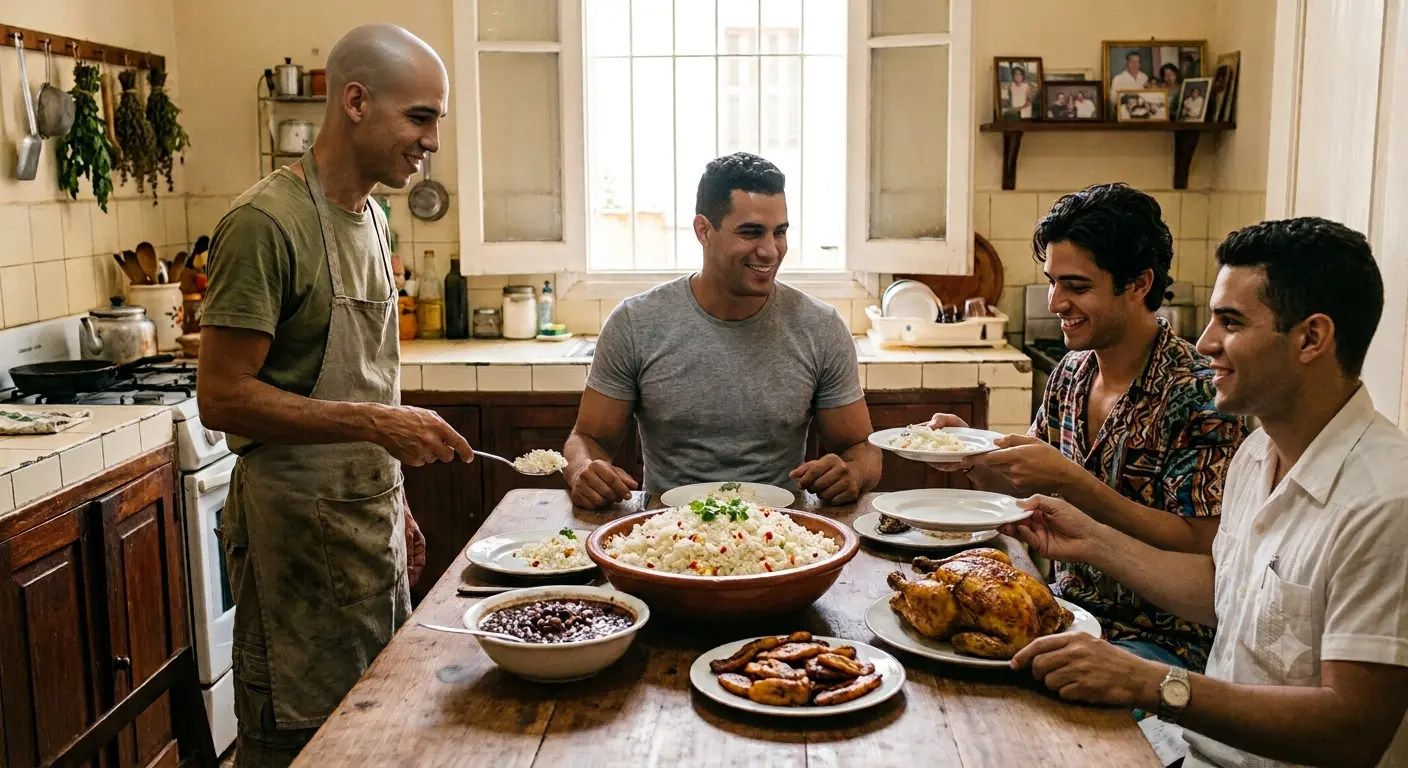
Cuban white rice, or arroz blanco, is a simple rice dish made with long grain white rice, water, oil, and salt, cooked using the absorption method until the grains turn light, fluffy, and fully separated. The trick isn’t fancy ingredients. It’s getting your ratio and technique right.
If you have ever ended up with a pot of gummy rice or a layer of burnt crust on the bottom, you are not alone. It looks simple on paper, but small mistakes turn it mushy, sticky, or undercooked fast. Let’s fix that for good.
What Is Cuban White Rice?
Cuban white rice is a daily staple in Cuban cuisine made from long grain white rice, water, oil, and a pinch of salt. It’s cooked with the absorption method, where rice simmers until the water disappears completely, then rests to steam. The result is light, fluffy rice with separated grains, never sticky or wet.
What Is the Difference Between Arroz Blanco and Spanish Rice?
Arroz blanco stays plain and neutral on purpose. Spanish rice includes tomatoes, spices, and color, which makes it a flavored dish all on its own. Cuban rice is meant to be a blank, fluffy base for saucy dishes like picadillo, ropa vieja, or black beans, not a star ingredient.
What Is Con Con in Cuban Cooking?
Con con is the toasted, slightly crispy rice that forms at the very bottom of the pot during cooking. Cuban families do not consider this a mistake. They treat it as a bonus. The trick is removing it from the pot while it’s still hot, since it gets harder to scrape loose as it cools.
Why Is My Cuban Rice Sticky or Mushy?
Sticky or mushy rice almost always comes down to too much water, too much stirring, or skipping the rinse that removes extra starch. Starch buildup is the real culprit here. Stick to your rice to water ratio, avoid lifting the lid, and let the rice cook undisturbed once it’s covered.
Why Does Stirring Rice Make It Sticky?
Stirring breaks the outer surface of each grain and releases more starch into the cooking water. That starch thickens the liquid and glues the grains together as everything cooks down. This is exactly why the no peeking rule matters so much for fluffy rice with separated grains.
Do You Have to Rinse Rice Before Cooking Arroz Blanco?
Rinsing rice is common, but it’s not required for an authentic Cuban rice recipe. Washing rice removes dust and extra starch, which helps prevent sticky rice and keeps your pot from boiling over on the stove. Some traditional cooks skip rinsing entirely and rely on oil and timing instead.
What Is the Correct Rice to Water Ratio for Cuban White Rice?
Most Cuban rice water ratios land somewhere between 1:1 and 1:2, depending on the cook and the type of rice. A solid starting point is 1 cup of long grain white rice to 1.5 to 2 cups of water. From there, you adjust slightly based on your stove and your pot.
[Comparison Table] Rice to Water Ratio by Rice Type
| Rice Type | Ratio (Rice to Water) | Texture Result |
| Long grain white rice | 1:1.5 to 1:2 | Fluffy, light, separated grains |
| Basmati rice | 1:1.75 | Lighter, more aromatic |
| Jasmine rice | 1:1.5 to 1:1.75 | Softer, slightly sticky |
| Short grain rice | Less water | Stickier, not ideal for Cuban style |
| Brown rice | More water, longer time | Firmer, less traditional |
| Parboiled rice | Standard ratio | Loose grains, hard to overcook |
Why Do So Many Cuban Rice Recipes Use Different Ratios?
Ratios vary mostly because of heat control, not personal preference. A stove that runs hot evaporates water faster and needs a little more liquid added up front. A slower stove needs less. Long grain white rice is forgiving enough that small ratio tweaks still give you fluffy rice.
How Do You Cook Cuban White Rice Step by Step?
Combine rinsed long grain white rice, water, oil, and salt in a pot and bring it to a boil. Reduce the heat to low, cover, and let it simmer using the absorption method until all the water is gone. Rest it off heat for 5 to 10 minutes, then fluff with a fork.
Here’s the breakdown:
- Rinse the rice until the water runs clear
- Add rice, water, oil, and salt, then bring everything to a boil
- Lower the heat, cover the pot, and simmer undisturbed
- Turn off the heat and let it rest, still covered, for 5 to 10 minutes
- Fluff gently with a fork instead of a spoon
Why Do You Cook Garlic in Oil Before Adding Rice?
The traditional method, adapted from Nitza Villapol’s Cocina Criolla, sautés mashed garlic in oil first, then removes the garlic and discards it. What’s left behind is garlic infused oil that flavors every single grain as it cooks. Most modern simplified recipes skip this step entirely.
Should I Fluff Rice With a Fork or a Spoon?
Always reach for a fork, never a spoon. A fork gently separates the grains and lets trapped steam escape without crushing anything. A spoon presses down on the rice, which raises your odds of turning fluffy rice into a mushy, clumped together mess.
How Do You Know When the Rice Is Done Cooking?
Your rice is done once all the visible water has been absorbed and small steam holes appear across the top with nothing bubbling up through them. At that point, take it off the heat, keep the lid on, and let it rest before fluffing it with a fork.
Why Does My Rice Burn on the Bottom Every Time?
Burnt rice bottoms usually happen because the heat stays too high for too long, or because the pot is too thin to spread heat evenly. Use a heavy bottom pot, drop the heat right after it boils, and don’t let the rice cook longer than your ratio actually calls for.
How Do Cubans Measure Rice Without a Measuring Cup?
Plenty of Cuban cooks use a spoon test, standing a spoon upright in the rice and water mixture to judge the level by feel instead of an exact measurement. It takes some practice to get right, but it reflects generations of cooking by instinct rather than strict ratios.
Can I Make Cuban Rice in an Instant Pot?
Yes, even though most traditional recipes never mention it. Use the same rice, water, oil, and salt ratio you’d use on the stove, cook on high pressure for a few minutes, then let the pressure release naturally before opening the lid and fluffing with a fork.
Stovetop vs Rice Cooker for Cuban Rice, Which Is Better?
The stovetop method is the traditional and preferred way to make this rice, since the oil adds richer flavor and you get a real shot at con con forming on the bottom. A rice cooker gives you a more uniform, foolproof texture, just with slightly less depth.
How Do I Scale This Cuban Rice Recipe for a Large Batch?
Keep the same rice to water ratio no matter how much you’re making, but add a little extra cooking time and use a pot big enough for proper steam circulation. Larger batches also benefit from a slightly longer rest before you fluff everything with a fork.
Does Altitude Affect How You Cook Rice?
Yes. Water boils at a lower temperature the higher up you go, so rice can take longer to fully absorb water and finish cooking. Adding a few extra minutes of simmer time, plus a touch more water, usually closes that gap without much guesswork.
Can I Use Brown Rice, Basmati, or Jasmine Instead of Long Grain White Rice?
You can, but each one changes the final result. Brown rice needs more water and a longer cooking time, with a noticeably firmer bite. Basmati comes out lighter and more aromatic. Jasmine turns out softer and a bit stickier than traditional long grain white rice.
How Should I Store and Reheat Arroz Blanco?
Let the rice cool slightly, transfer it into an airtight container, and refrigerate it within 1 to 2 hours of cooking for 3 to 4 days of freshness. To reheat without drying it out, splash in a little water, cover it, and warm it gently on the stove or in the microwave.
What’s the Difference Between Cuban Rice and Puerto Rican Rice?
Arroz blanco keeps things plain, built from just rice, water, oil, and salt for a neutral base. Puerto Rican rice dishes usually build in sofrito, sazon, and pigeon peas for a fully seasoned one pot meal. These are two structurally different approaches, not just regional twists on the same dish.
[Comparison Table] Arroz Blanco vs Other Caribbean Rice Styles
| Style | Base Ingredients | Flavor Profile | Cooking Method |
| Arroz blanco | Rice, water, oil, salt | Plain, neutral | Absorption method |
| Puerto Rican rice (arroz con gandules) | Rice, sofrito, sazon, pigeon peas | Fully seasoned, savory | Absorption method, one pot |
| Caribbean rice and beans | Rice, kidney beans, coconut milk, scotch bonnet | Spiced, coconut forward | Absorption method, one pot |
What Kind of Rice Do Cubans Actually Use?
Most Cuban households reach for basic long grain white rice, nothing fancy or expensive. The real focus stays on mastering the technique and the rice to water ratio, since that matters far more than which brand sits in your pantry.
Final Thoughts
Getting Cuban white rice right comes down to a handful of small, repeatable habits. Rinse if you want to, but keep your ratio steady, skip the constant stirring, and trust the resting time before you fluff. Once you nail those basics, you will have fluffy, perfectly separated grains every single time, no matter which pot or stove you’re working with.
FAQs
What is arroz blanco?
Arroz blanco is the Spanish name for Cuban white rice, a simple side dish made with long grain white rice, water, oil, and salt, cooked until fluffy and fully separated.
Why is my rice mushy?
Mushy rice usually means too much water was used or the rice cooked too long. Stick to the right ratio and let it rest off heat before fluffing.
Is Nitza Villapol’s method different from modern Cuban rice recipes?
Yes. Her traditional method infuses oil with sautéed garlic before adding rice and water, a step most modern, simplified recipes skip in favor of dumping everything in at once.
Can I substitute brown rice for white rice in this recipe?
Yes, but it will no longer be traditional arroz blanco. Brown rice needs more water and a longer cooking time, and it comes out firmer than classic Cuban white rice.
Why do you cook garlic in oil before adding rice?
It infuses the oil with flavor that coats every grain as it cooks. The garlic itself gets removed and discarded once it turns golden, leaving just the flavor behind.
Can I make Cuban white rice ahead of time?
Yes. It keeps well in the fridge for 3 to 4 days in an airtight container. Add a splash of water when reheating so it doesn’t dry out.