Singapore Cafes: The Complete Guide to Coffee, Brunch, and Cafe Hopping
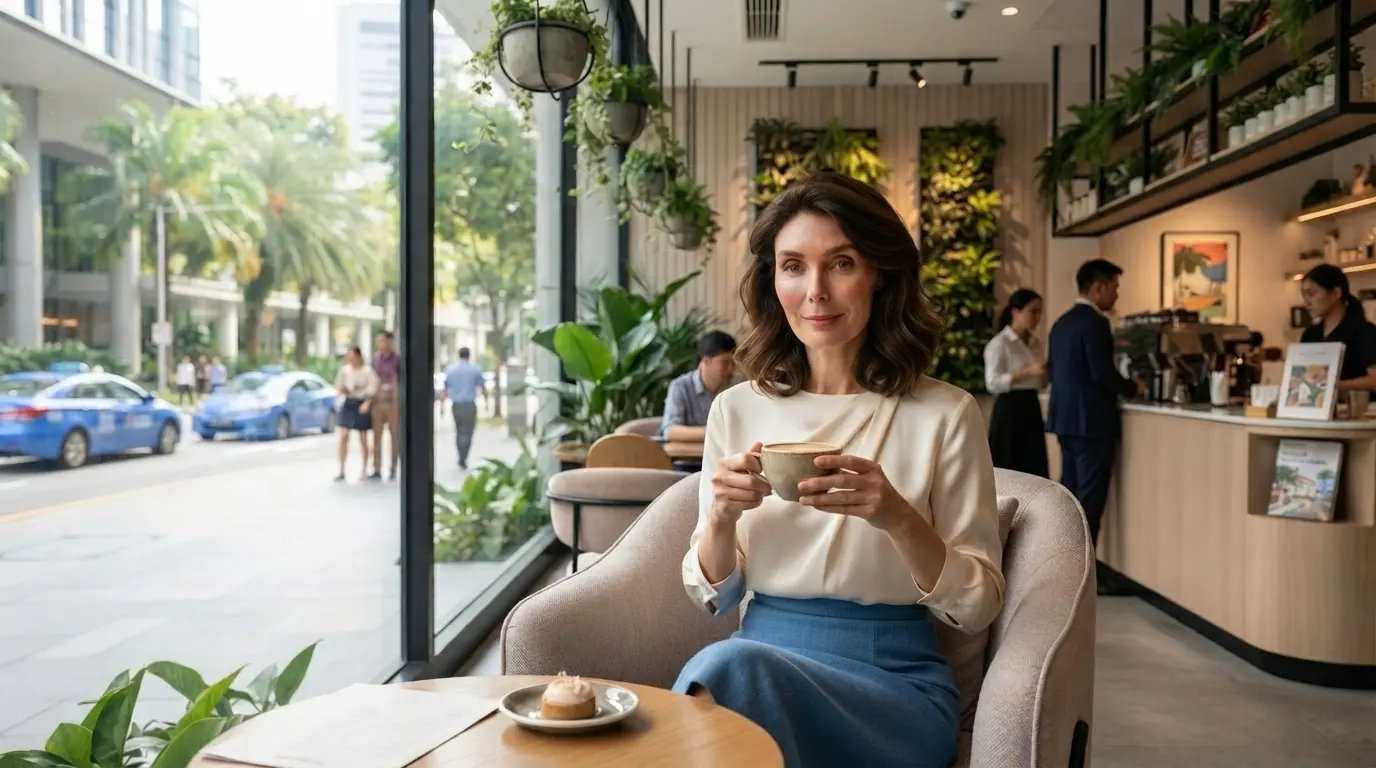
The best Singapore cafes span specialty coffee roasteries, Instagram-worthy brunch spots, and neighborhood favorites scattered from Tiong Bahru to Katong. With new cafes opening almost weekly and just as many quietly closing, keeping up with where to actually go can feel like a full time job even for people living here.
What Is Singapore Coffee Called?
Traditional Singapore coffee is called kopi, and it’s a completely different drink from anything you’ll find at a modern specialty cafe. Kopi is brewed from robusta beans roasted with sugar and margarine, giving it a deep, smoky flavor that’s a world away from the light, fruity arabica pour-overs served at places like Apartment Coffee or Kurasu. Locals recommend trying at least one proper kopi at an old-school kopitiam alongside your cafe hopping, since the two experiences genuinely don’t overlap. A common mistake first timers make is walking into a kopitiam near landmarks like Chinatown or Telok Ayer expecting a flat white, when the entire menu and vocabulary work on a different system entirely.
What Does ++ Mean on a Singapore Cafe Menu?
The double plus sign after a price means the listed amount doesn’t include service charge or GST, both of which get added at checkout, typically bringing the final bill up by roughly 19 percent above the menu price. Travelers consistently find this catches them off guard on their first visit, since a $22++ brunch plate actually lands closer to $26 once tax and service are included. Some cafes, particularly smaller indie roasters and bakeries, price without the ++ notation, meaning the number on the menu is exactly what you pay, so it’s worth glancing at the fine print before assuming either way.
What Is the Difference Between a Kopitiam and a Modern Cafe?
A kopitiam is a traditional coffee shop, often an open-air hawker style space serving kopi, kaya toast, and soft-boiled eggs at a fraction of modern cafe prices. A modern Singapore cafe, by contrast, leans into specialty coffee, brunch menus, and the kind of considered interior design built for lingering and photos. Both exist within a few minutes’ walk of each other in neighborhoods like Chinatown and Tanjong Pagar, and pairing a kopitiam breakfast with an afternoon specialty coffee stop gives a genuinely fuller picture of how Singaporeans actually drink coffee day to day.
What Are the Best Specialty Coffee Cafes in Singapore?
| Cafe | Neighborhood | Known For |
| Nylon Coffee Roasters | Tanjong Pagar | Locally roasted beans, best flat white, very limited seating |
| Apartment Coffee | Bugis / Rochor | Light roasts, ranked 6th on World’s Top 100 Coffee Shops in 2025 |
| Chye Seng Huat Hardware | Jalan Besar | Cold brew on tap, roasting visible through the windows |
| Highlander Coffee Espresso Bar | Outram | One of the city’s oldest specialty roasters |
| Kurasu Singapore | Bugis | Kyoto import, minimalist Japanese pour-overs |
Nylon Coffee Roasters consistently earns the strongest praise for its flat white, though the tiny space near Tanjong Pagar MRT means takeaway is often the more realistic option during busy hours. Apartment Coffee’s Rochor location focuses almost entirely on hand-brewed filter coffee, deliberately skipping pastries and hot food, and its weekend-only roastery outpost at Jalan Riang doesn’t even offer takeaway, a genuinely unusual choice that signals just how seriously the brand treats the coffee itself. Chye Seng Huat Hardware, set inside a converted hardware store, remains one of the few spots where you can watch beans being roasted mid-sip, making it a solid stop for anyone curious about the process rather than just the cup.
What Are the Best Cafes for Brunch in Singapore?
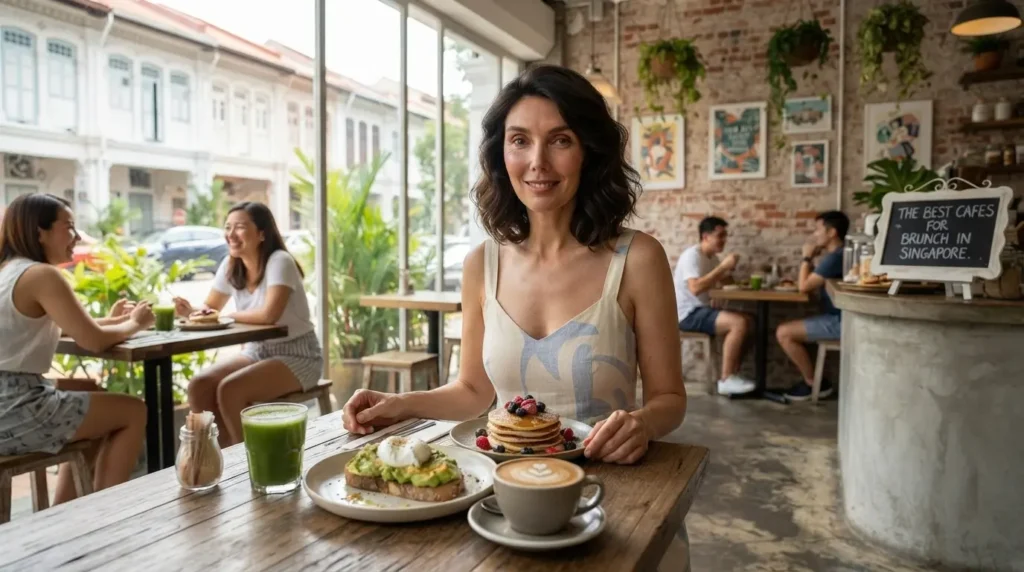
Fortuna Terrazza in Tanjong Pagar leans hard into an Italian holiday theme, with striped awnings and a menu built around dishes like an Aglio and Olio Benedict, sitting just a short walk from the CBD’s cluster of Craig Road cafes. The Glasshouse inside CHIJMES delivers a genuinely photogenic floor-to-ceiling greenhouse setting near City Hall, with coffee sourced from the same beans as Apartment Coffee, at prices noticeably gentler than the view suggests. Cloudfields, tucked into the industrial Tan Boon Liat building near Havelock MRT, stands out for a brunch menu shaped by a Michelin-starred chef, elevating dishes as simple as a big breakfast plate with fine dining technique. For something with a stronger local identity, Twenty Eight Cafe and Kopi 1930 inside the National Gallery serves both Nanyang staples like laksa and Western brunch classics side by side, so a table of mixed preferences never has to compromise.
Which Singapore Neighborhood Has the Best Cafes?
| Neighborhood | Vibe | Standout Spots |
| Tanjong Pagar / Duxton / Craig Road | Dense CBD cafe cluster | Nylon Coffee Roasters, Fortuna Terrazza, Bearded Bella |
| Chinatown / Telok Ayer | Heritage buildings, food-forward | Great Nanyang Heritage Cafe, Gelato Messina, Kafe Utu |
| Jalan Besar / Bendemeer | Indie, design-forward | Chye Seng Huat Hardware, SYIP, Average Service |
| Katong / Joo Chiat / East Coast | Slower pace, local heritage | PS. Cafe Katong, The Brewing Ground, Waved |
Tanjong Pagar and the surrounding Duxton and Craig Road pocket concentrate the highest density of genuinely good cafes within walking distance of each other, making it the easiest single neighborhood for a proper cafe crawl. Chinatown and neighboring Telok Ayer blend heritage shophouse architecture with newer openings, and Gelato Messina’s queues near Club Street prove the area’s pulling power even for dessert alone. Jalan Besar and Bendemeer have quietly become the city’s indie coffee corridor, home to roasters and minimalist brunch spots that skew toward locals rather than tourists. Katong and Joo Chiat reward a slower visit, with cafes like The Coastal Settlement in nearby Changi offering a genuine escape from the city center’s density.
What Are the Best New Cafes in Singapore?

Rise Bakehouse Heritage on South Bridge Road, the brand’s third outlet, pivots away from its earlier pastel aesthetic toward nostalgic Singapore decor, with exclusives like Kaya Pistachio and Kopi Tiramisu tying the menu directly to local flavor memory. POUT Rooftop Cafe, perched above Clarke Quay with skyline views, draws a younger crowd specifically for its brûlée-topped Basque cheesecake and elevated coffee list sourced from Brazil, Colombia, Ethiopia, and Laos. Alice Boulangerie’s second outlet inside Raffles City introduced Fine Crumbs, a bun concept using slow-fermented Japanese flour, with prices starting from just $3.40, a genuinely accessible entry point compared to most of the city’s newer openings. Given how many cafes have closed in the past year alongside rising costs, locals recommend checking a cafe’s social media the week of your visit, since operating hours and even survival itself can shift faster in this scene than most travel guides update.
Are Singapore Cafes Halal-Certified?
Coverage varies significantly, and it’s worth checking before committing to a specific spot if halal certification matters to your group. Several well-known cafes, including Rise Bakehouse, Royz et Vous, Anna’s Sourdough, Momolato, and Pancake & Waffle Place, hold halal certification, while many of the city’s specialty coffee roasters and Western-style brunch spots do not. A number of non-certified cafes still note they use no pork or lard, which is a meaningfully different standard from full certification, so confirming directly with the cafe remains the safest approach for anyone with strict dietary requirements.
Do Singapore Cafes Require Reservations?
For the busiest weekend brunch spots, yes, particularly places like Open Farm Community in Dempsey and PS. Cafe Katong, which fill up fast during their limited weekend brunch windows. Reservations typically run through Chope, a widely used local booking platform, and calling ahead works just as well for smaller cafes that don’t list online booking. Weekday visits generally don’t require advance planning, and arriving right at opening remains the most reliable way to snag a table at any cafe with limited indoor seating, some of which count their capacity in the teens rather than dozens.
What Are the Best Pet-Friendly Cafes in Singapore?
TO:YOU Cafe in the quiet Kembangan neighborhood offers dedicated pet-friendly outdoor seating alongside its Japanese-inspired brunch menu. Hellu Coffee near Telok Ayer MRT welcomes pets in its compact indoor and outdoor space, though its limited 16-seat capacity means a quick grab-and-go visit suits pet owners better than a long sit-down brunch. Well Collective in Punggol’s Northshore Plaza rounds out the list with a French-Japanese menu and enough space for pets to settle comfortably alongside laptop workers and families.
Final Thoughts
Singapore’s cafe scene rewards travelers who mix it up rather than sticking to just one style. Pair a proper kopi at a kopitiam with a specialty pour-over at a place like Nylon or Apartment Coffee, budget for the added service charge on brunch bills, and check opening hours the week of your visit given how quickly the scene shifts. Whether it’s a queue-worthy scoop of gelato in Chinatown or a quiet Sunday brunch in Katong, Singapore cafes consistently deliver more variety than a single neighborhood crawl can capture.
FAQs
How strong is Singapore coffee?
Traditional kopi is genuinely strong, brewed from robusta beans that carry more caffeine and a bolder, earthier flavor than the arabica beans used at most modern specialty cafes.
How do you order kopi at a kopitiam?
Say “kopi” for coffee with condensed milk, “kopi o” for black coffee with sugar, or “kopi o kosong” for black coffee with no sugar at all, and staff will understand immediately.
What is a glasshouse cafe?
A glasshouse cafe refers to a design style built around floor-to-ceiling windows and abundant natural light, often filled with plants, and it’s become one of Singapore’s most recognizable cafe aesthetics.
Are Singapore cafes expensive?
Prices run moderate to high by regional standards, with brunch mains typically landing between $15 and $30 before the added service charge and GST, though kopitiams remain a genuinely affordable alternative nearby.