
Best Snorkeling Big Island: Where to Go in 2026
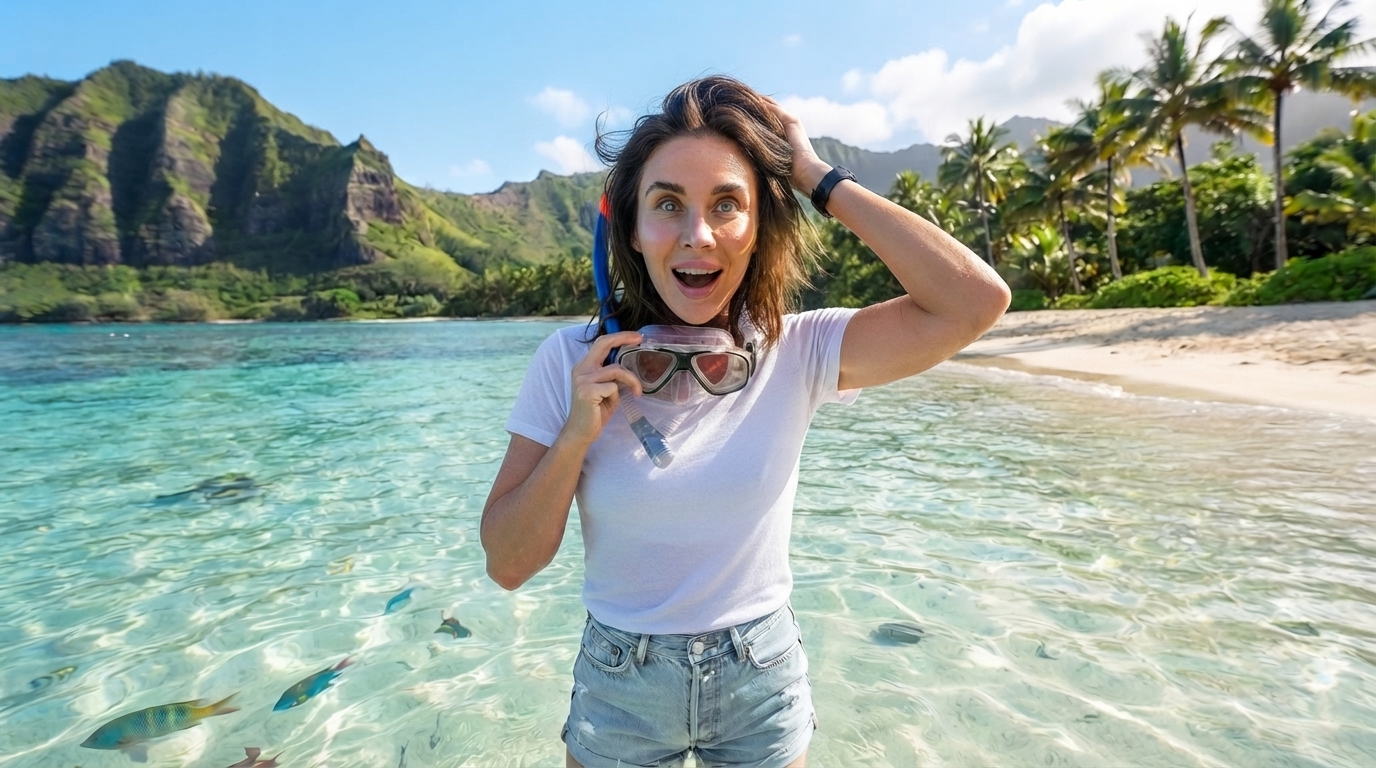
The best snorkeling on the Big Island is split across four regions. Kealakekua Bay and Two Step lead South Kona, Kahalu’u Beach Park anchors the Kailua-Kona side, Kua Bay covers the Kohala Coast, and Richardson Ocean Park handles Hilo. Each spot suits a different skill level, so the right pick depends on how far you want to hike and how much crowding you can tolerate.
Planning a Big Island snorkeling trip gets confusing fast, since parking fees, permit rules, and even which beaches still exist keep changing. Here is what actually holds up in 2026, region by region.
Why Is the Big Island Good for Snorkeling?
The leeward, west facing coastline of the Big Island gets little stream runoff, which keeps the water unusually clear compared to older, more eroded islands. Several stretches sit inside Marine Life Conservation Districts, where fishing bans have let coral and fish populations recover. That combination is why so many spots along the Kona and Kohala coasts hold up as some of the best snorkeling on the Big Island year after year.
Best Snorkeling Spots Near Kailua-Kona
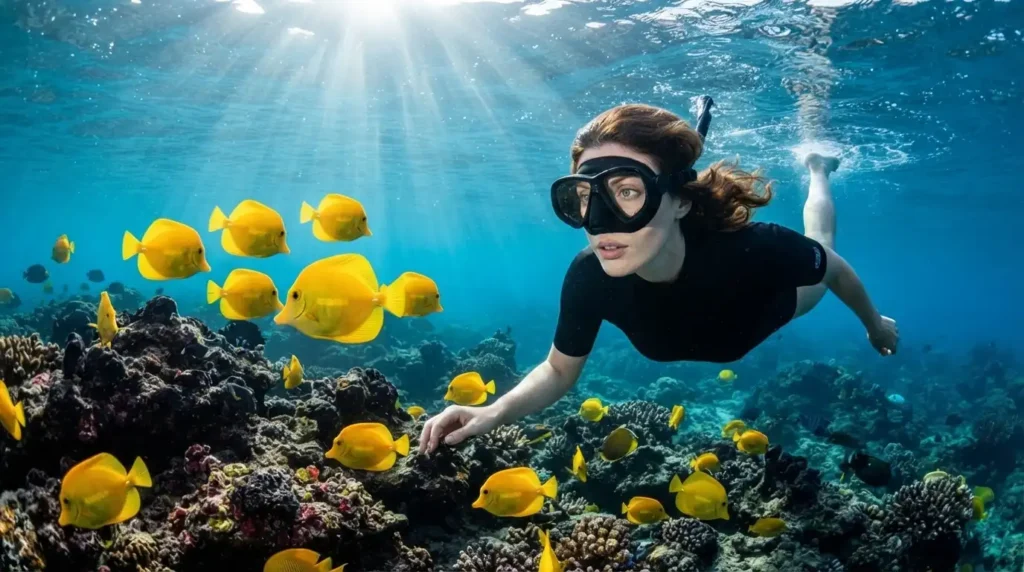
Kahalu’u Beach Park is the most consistently recommended beginner spot on the island, and it earns that reputation honestly. A rock wall built by ancient Hawaiians, stretching nearly 3,900 feet, shelters the bay and keeps the water calm even when the open ocean is choppy. Parking runs around 14 dollars in the lot, though free street parking is usually available nearby if you’re willing to walk a few extra minutes.
The honest downside is crowding. Kahalu’u sees an estimated 400,000 visitors a year, and the coral shows it. Sections near the entry points look bleached and broken compared to less trafficked spots. Enter from the sandy patches rather than the rock, and swim left of the entrance for calmer water and denser fish, since currents run stronger to the right near the surf break.
Two smaller options round out this stretch. Kailua-Kona Pier has a tiny beach right in town, easy to reach on foot if you’re staying downtown or arriving by cruise ship, with surprisingly good fish density once you swim past the pier. Magic Sands Beach, also called White Sands or Disappearing Sands, works well in calm summer conditions, but its sand literally washes away during winter swells, leaving a rockier, rougher entry.
Best Snorkeling Spots in South Kona
Kealakekua Bay routinely gets ranked as the best snorkeling on the Big Island, and for good reason. It’s the largest Marine Life Conservation District in the state, which means dense, undisturbed coral, curious reef fish, and visibility that regularly hits 100 feet on a calm morning. The catch is access. There’s no road to the water near the Captain Cook Monument, so every visitor has to choose one of three routes.
Getting to Kealakekua Bay works one of three ways:
- Hike the Ka’awaloa Trail, a genuinely tough 3.8 mile round trip with about 1,300 feet of elevation gain on the return climb, mostly with no shade
- Kayak across the bay with a free Division of State Parks vessel permit, required as of 2026 for any private kayak, though you’re not allowed to land at Ka’awaloa, so you snorkel straight from the kayak
- Book a guided boat or catamaran tour departing from Kailua-Kona, which handles gear, permits, and the crossing for you
Only two companies currently hold permits for guided kayak tours to Ka’awaloa, so if a self-guided kayak sounds appealing, confirm your rental vendor’s permit is current before you pay. Most travelers who try the hike say it’s harder than photos suggest, especially the climb back up under full sun, so pack more water than feels necessary.
Two Step, officially Honaunau Bay, sits just south and offers an easier way to get similar quality snorkeling. Two natural steps cut into the lava shelf lead straight into clear water, right next to Pu’uhonua o Honaunau National Historical Park, once a sacred place of refuge under ancient Hawaiian law. Parking costs around 5 dollars and fills up fast, so arriving before mid morning matters. Watch for sea urchins wedged in the rock steps, and know that the entry can be tricky at high tide, which is why Two Step suits intermediate snorkelers better than total beginners.
Best Snorkeling Spots on the Kohala Coast
Kua Bay, inside Kekaha Kai State Park, has good coral off its north end and only about ten public parking spots, so it stays surprisingly uncrowded if you arrive at opening. Waialea Bay, better known as Beach 69, offers shallow water up to 15 feet with fewer crowds than nearby Hapuna Beach, though the reef is less vivid than South Kona’s top spots. Mauna Kea Beach, accessed through the resort’s guard shack, has an average reef but genuinely stunning scenery, with the better coral sitting toward the north end of the bay.
Best Snorkeling Spots Near Hilo
On the rainier windward side, Richardson Ocean Park is the easiest and most protected snorkeling access around Hilo, frequented by Hawaiian green sea turtles, though a halocline from freshwater springs can cloud the water. Carlsmith Beach Park offers calmer, shallower conditions good for families and reliable turtle sightings, but skip it if you’re chasing coral, since the seabed here is mostly rock and sand rather than reef.
Where to Snorkel With Manta Rays
Manta Ray Village in Keauhou Bay is where nearly every manta ray tour on the island heads at night. Boats lower lighted platforms into the water to attract plankton, and in turn, some of the estimated 200 to 300 resident manta rays living along the Kona Coast. This only works as a guided tour, typically 100 to 150 dollars per person, since swimming in the bay at night without a guide is genuinely dangerous with so much boat traffic in the dark.
Daytime snorkeling at Keahou Bay is technically possible, but visibility is often poor and there’s no guarantee mantas will show up, since they’re wild animals following the plankton, not a scheduled attraction. If seeing a manta ray matters to your trip, book the night tour rather than hoping for a daytime encounter.
What Happened to Kapoho Tide Pools?
If you’ve read older Big Island snorkeling guides, you may have seen Kapoho Tide Pools listed as a top spot. It no longer exists. The 2018 Kilauea eruption buried the entire Wai’opae tide pool network under lava, permanently. Any current list still recommending it is working from outdated information, so cross it off your plan entirely.
Choosing a Spot by Skill Level
Beginners do best at Kahalu’u Beach Park, Kua Bay, or Richardson Ocean Park, all calm and shallow. Intermediate snorkelers should look at Two Step or Waialea Bay. Advanced snorkelers chasing deeper water and real solitude should aim for Kealakekua Bay by boat or kayak, since it rewards strong swimmers with the least crowded, healthiest coral on the island.
When Is the Best Time to Snorkel on the Big Island?
Summer, roughly May through September, brings the calmest water, with temperatures sitting around 75 to 80 degrees year round. Mornings consistently beat afternoons, since trade winds pick up toward midday and stir up chop that reduces visibility. Rainy season runs October through April, and hurricane season peaks quietly from July through September, so checking a swell and wind forecast the morning of your trip matters more than picking a specific month.
Is Snorkeling on the Big Island Safe?
For most visitors, yes, with a few real precautions worth taking seriously. Reef sharks, including white tipped reef sharks sometimes seen at Kealakekua Bay, are considered harmless to snorkelers and best viewed as a highlight rather than a threat.
The gear you choose matters more than most people realize. Full face snorkel masks have been linked to fatal incidents in Hawaii due to carbon dioxide buildup inside the mask, and several safety experts now recommend avoiding them entirely. A traditional mask, snorkel, and fins setup, while less trendy, remains the safer choice for anyone without prior scuba training.
Protecting Marine Life While You Snorkel
A few rules apply everywhere on the island:
- Wear reef safe, mineral based sunscreen, since chemical sunscreens damage coral
- Never touch or stand on coral, which grows only about 3 millimeters a year
- Stay at least 10 feet from sea turtles, since touching them is illegal
- Stay 50 yards from Hawaiian spinner dolphins under federal law, since approaching them disrupts their daytime rest
- Follow the Island of Hawaii Pono Pledge to respect the land and culture during your visit
Should You Book a Guided Tour or Snorkel on Your Own?
A guided tour makes sense for manta ray night snorkeling, which requires one, and is genuinely worth considering for Kealakekua Bay if the hike sounds unappealing. Going on your own works well for shore spots like Kahalu’u, Two Step, or Kua Bay, and saves real money, though it puts checking conditions and safety fully on you.
Final Thoughts
There’s no single answer to where the best snorkeling on the Big Island is, since it really depends on your swimming ability and patience for a hike. Beginners belong at Kahalu’u or Kua Bay, while stronger swimmers willing to work for it should make Kealakekua Bay the priority. Whichever spot you choose, check current permit rules and parking costs before you go, snorkel in the morning, and give the reef the same care that’s kept these waters worth visiting in the first place.
FAQs
Where can beginners snorkel on the Big Island?
Kahalu’u Beach Park, Kua Bay, and Richardson Ocean Park all offer calm, shallow, protected water suited to first timers.
Is Two Step or Kahalu’u better for snorkeling?
Two Step generally has healthier coral and fewer crowds, while Kahalu’u is easier to enter and better for true beginners.
Do you need a permit to kayak to Captain Cook Monument?
Yes. A free Division of State Parks vessel permit is required for any private kayak entering Kealakekua Bay as of 2026.
Is Kealakekua Bay worth the hike?
Most experienced snorkelers say yes, citing the visibility and undisturbed coral, though the 3.8 mile round trip hike is genuinely demanding.
Do Kapoho Tide Pools still exist?
No. Lava from the 2018 Kilauea eruption permanently buried the site.
How many manta rays live off the Kona Coast?
Researchers estimate 200 to 300 resident manta rays along the coast, seen mainly through night snorkel tours.
Are full face snorkel masks safe?
Safety experts generally advise against them due to CO2 buildup risk, recommending a traditional mask and snorkel instead.
What is the best time of day to snorkel on the Big Island?
Morning, before trade winds pick up and reduce visibility later in the day.


