
Best Places to Snorkel in Hawaii: Lifcircu
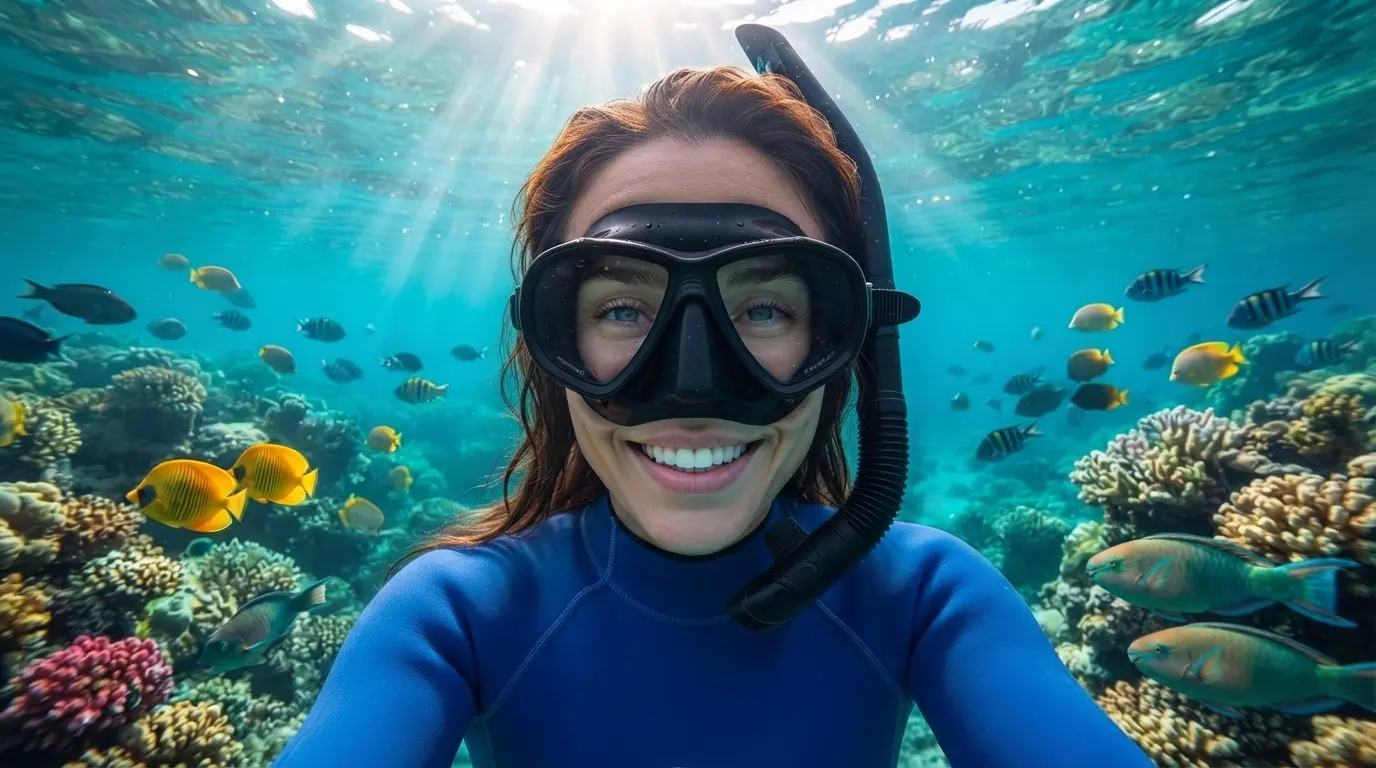
The best places to snorkel in Hawaii are Hanauma Bay and Shark’s Cove on Oahu, Molokini Crater and Honolua Bay on Maui, Kealakekua Bay on the Big Island, and Tunnels Beach on Kauai. Each spot offers different water conditions and marine life, so the right pick depends on your swimming skill, budget, and how far you’re willing to travel to reach it.
Picking just one is where most trip planning stalls. Entrance fees have gone up, reservation systems now control access to some beaches, and a spot that was empty five years ago might be packed by 8 a.m. today. Here is what actually matters when choosing where to snorkel in Hawaii in 2026, island by island.
Which Hawaiian Island Has the Best Snorkeling?
Maui and the Big Island generally have the healthiest coral and richest marine life, thanks to smaller crowds and less runoff than Oahu’s south shore. Oahu wins on convenience, since Hanauma Bay packs serious fish density into one protected bay a short drive from Waikiki. Kauai rewards snorkelers who want fewer people and don’t mind extra effort to reach the reef.
If you’re short on time and want a guaranteed good day in the water, Oahu or Maui are the safer bets. If you’re chasing the best possible visibility and don’t mind a boat ride or a hike, the Big Island and Maui’s outer spots pull ahead. Many travelers researching the best places to snorkel in Hawaii end up splitting their trip across two islands instead of one.
Best Snorkeling Spots on Oahu
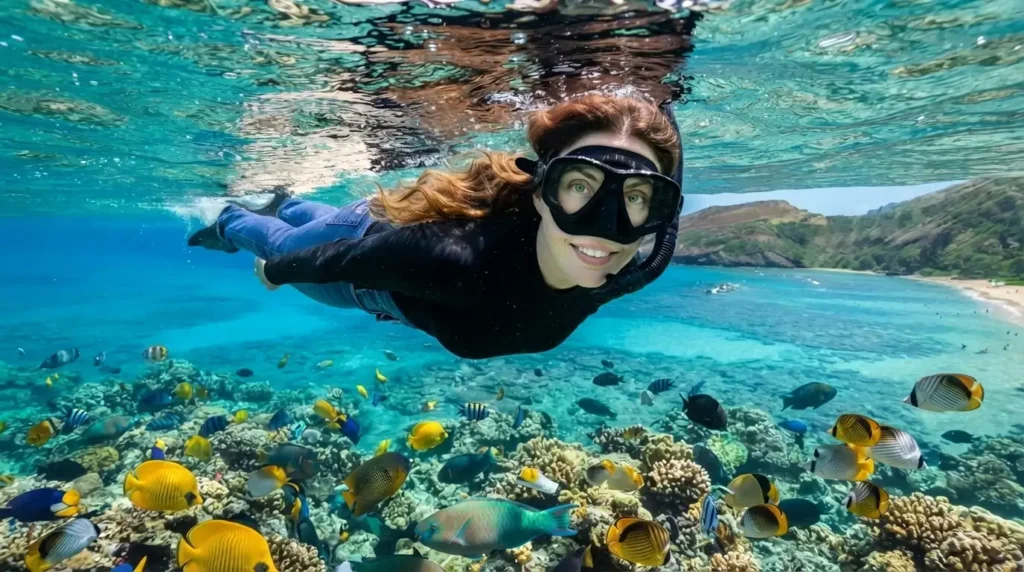
Oahu’s snorkeling scene centers on two very different spots: a managed nature preserve and a rough, rocky cove that feels almost wild.
Hanauma Bay Nature Preserve is Hawaii’s most visited snorkeling spot, earning that reputation with calm, current-free water and reef fish that swim right up to snorkelers. As of 2026, non-resident visitors pay a 25 dollar entrance fee plus parking, which runs 3 dollars for non-residents and 1 dollar for residents. Reservations open exactly two days ahead at 7 a.m. Hawaii time and sell out within minutes on weekends, so travelers who wait until the last day often get shut out. The bay is closed Mondays and Tuesdays to let the reef rest. Every visitor watches a short conservation video before heading down, useful for first timers who have never snorkeled around live coral.
Is Hanauma Bay worth 25 dollars? For a first Hawaii snorkeling trip, yes. The inner reef near the beach is shallow and beginner friendly, while the outer reef past a channel called the Slot rewards stronger swimmers with deeper water and bigger fish. The honest downside is crowding. By mid morning the sand is packed and the water gets murky from stirred up sand, so arriving right at opening is the difference between a great visit and a mediocre one.
Shark’s Cove, on the North Shore near Pupukea, is the opposite experience. Despite the name, sharks are not the concern here. This lava rock pool inside the Pupukea Marine Life Conservation District is calm and clear through summer, roughly May through September, but turns dangerous in winter when big surf pounds the North Shore. Reef shoes are essential since the entry is all rock, and checking a local surf report before heading out is not optional here the way it might be elsewhere.
Families with younger kids often do better at Paradise Cove or Kahe Point Beach Park, both known for shallow, calm water and easy shore access, though Paradise Cove has no restrooms nearby.
Best Snorkeling Spots on Maui
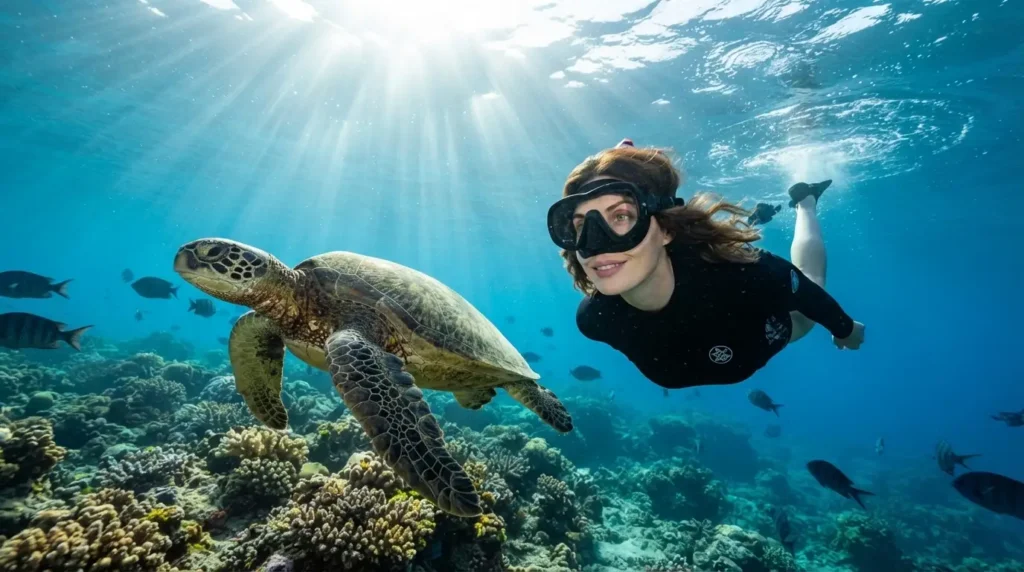
Maui splits into two categories: boat only spots with incredible visibility, and free shore spots that are almost as good.
Molokini Crater, a partially submerged volcanic crater about three miles off Maui’s south shore, is the island’s signature snorkeling trip. Because there’s no runoff or sand to cloud the water, visibility regularly reaches 150 feet and sometimes tops 200 feet on calm days. Half day boat tours typically run 100 to 160 dollars per person and include gear, though you’ll be sharing the water with other boats.
Honolua Bay, on Maui’s northwest coast, is the free alternative most locals actually prefer. It’s a Marine Life Conservation District with turtles and reef fish close to shore, reachable by a short walk through the forest instead of a boat ticket. The tradeoff is real: the bay can turn cloudy after heavy rain since a stream feeds into it, and the entry near the sand is often busy with surfers when the swell is up. Locals recommend swimming toward the boulders on the right side of the bay, where the water clears and the coral is in better shape.
For turtles without a boat, Turtle Town near Maluaka Beach and Chang’s Beach in Makena are reliable, low key options where green sea turtles feed close to the rocks. Black Rock on Kaanapali Beach is another shore entry favorite, with a sandy bottom that deepens along a basalt ledge where turtles like to shelter.
Best Snorkeling Spots on Big Island
Many longtime snorkelers rank the Big Island as having Hawaii’s best overall conditions, and Kealakekua Bay is usually the reason why. This Marine Life Conservation District near the Captain Cook Monument offers visibility that can reach 100 feet in good conditions, dense coral, and fish so close you barely need to swim. You can reach it by hiking roughly 2 miles down a steep trail with no shade, by kayak from Napoopoo, or by boat tour. Most locals suggest arriving before 10 a.m., before the tour boats fill the bay.
For something completely different, Manta Ray Village near Keauhou Bay runs nightly snorkel tours where floating lighted boards attract plankton, which in turn attracts manta rays gliding just beneath swimmers. Expect to pay somewhere around 100 to 150 dollars per person, and know that conditions vary night to night since the rays don’t show up on a schedule.
Pae’a, known locally as Two Step, sits beside Pu’uhonua o Honaunau National Historical Park and offers an easy lava shelf entry into clear water with turtles and the occasional dolphin. It’s a good pick for travelers who want strong snorkeling without the crowds of Kealakekua Bay.
Best Snorkeling Spots on Kauai
Kauai suits snorkelers who don’t mind extra planning in exchange for smaller crowds. Tunnels Beach, on the North Shore, has a semicircular reef with real depth and coral variety, best in summer when the swell drops. Anini Beach, protected by its own reef, is calmer and better suited to less confident swimmers, though the coral is scattered farther from shore.
Ke’e Beach, at the end of the road near Ha’ena State Park, requires an advance parking reservation, typically released about a month ahead through the state park system. It’s worth the extra step for the turtle sightings and the dramatic Na Pali cliffs as a backdrop.
How to Choose a Snorkeling Spot Based on Skill Level
Beginners and non swimmers should stick to protected, shallow conservation districts like Hanauma Bay, Kahalu’u Beach Park, or Anini Beach, ideally with a flotation vest. Intermediate snorkelers do well at Honolua Bay, Shark’s Cove in summer, or Two Step. Advanced snorkelers chasing deeper water and stronger currents often head to spots like 5 Graves on Maui or Lawa’i Beach on Kauai, both of which demand real swimming confidence and calm conditions. Matching your comfort level to the right spot, rather than chasing whatever list ranks highest, is the real secret to finding the best places to snorkel in Hawaii for your own trip.
When Is the Best Time to Snorkel in Hawaii?
Summer, roughly May through September, brings calmer water to north facing shores on Oahu and Kauai. Winter, November through March, flips that pattern and favors south and west facing beaches on Maui and the Big Island. Regardless of season, mornings almost always beat afternoons, since trade winds pick up after midday and stir up the water. A common mistake first timers make is showing up around noon expecting the same clarity they saw in a photo taken at 8 a.m.
Is Snorkeling in Hawaii Dangerous?
Snorkeling in Hawaii is safe for the vast majority of visitors. The real hazard is rip currents, not marine life. Shark encounters near typical snorkeling spots are extremely rare, with bite odds sitting around one in a million. If you do get caught in a rip current, don’t fight it directly. Swim parallel to the shore until you’re free of the pull, then angle back in.
Moray eels are common in rocky crevices and will only act aggressively if cornered, so keeping hands away from holes in the rock is smart practice. Portuguese man of war, sometimes called box jellyfish locally, tend to wash up more often 8 to 12 days after a full moon, so checking posted beach warnings before entering the water is worth the extra minute.
What Gear Do You Need for Snorkeling in Hawaii?
A well fitted mask, snorkel, and fins make the biggest difference in comfort. Reef shoes matter at rocky entries like Shark’s Cove or Two Step, and a rash guard cuts down on sunscreen use while protecting shoulders from sunburn. Renting gear on site typically costs 10 to 40 dollars a day depending on the shop and how many pieces you need, while buying a basic set runs somewhere between 40 and 100 dollars, a better deal for a multi island trip.
Should You Book a Guided Tour or Go on Your Own?
A guided snorkel tour makes sense for boat only spots like Molokini or Manta Ray Village, and for anyone who wants gear and instruction included. Going on your own works well for shore accessible spots and saves real money, though it means checking your own tide and surf reports and being fully responsible for your own safety.
How to Protect Hawaii’s Reefs While Snorkeling
Use mineral based reef safe sunscreen with zinc oxide or titanium dioxide, since Hawaii law bans the sale of sunscreens containing oxybenzone and octinoxate due to coral damage. Never stand on coral or touch a turtle, keep fins raised over reef structures, and stay at least 10 feet from turtles and monk seals, both of which are federally protected.
Final Thoughts
There is no single best places to snorkel in Hawaii answer that fits everyone. Beginners and families do best at Hanauma Bay or Kahalu’u Beach Park, while experienced snorkelers chasing clear water and fewer crowds should look at Kealakekua Bay, Two Step, or Honolua Bay. Whichever island you choose, check current fees and reservation rules before you go, snorkel in the morning, and give the reef the same respect you’d want at any place you’re lucky enough to visit twice.
FAQs
Is snorkeling in Hawaii safe for beginners?
Yes. Protected spots like Hanauma Bay and Kahalu’u Beach Park have shallow, calm water designed for first timers.
Can I snorkel if I’m not a strong swimmer?
Yes, with a flotation vest and by sticking to shallow, lifeguarded beaches.
Do I need a reservation to snorkel at Hanauma Bay?
Non-residents do. Reservations open two days ahead at 7 a.m. Hawaii time and often sell out fast.
Which island has the best snorkeling?
Maui and the Big Island generally offer the richest marine life, while Oahu offers the most convenient single spot.
Is Hanauma Bay or Honolua Bay better?
Hanauma Bay is more protected and beginner friendly. Honolua Bay is free and less crowded but weather dependent.
Is Kealakekua Bay or Molokini Crater better?
Kealakekua Bay has better shore and kayak access. Molokini has the edge in raw visibility but requires a boat.
What is the best month to snorkel in Hawaii?
May through September for Oahu and Kauai, and any winter month for Maui and the Big Island.
Are there sharks near popular snorkeling spots?
Reef sharks exist in Hawaiian waters but rarely approach snorkelers in typical reef areas.
Is reef safe sunscreen required by law?
Yes. Hawaii bans the sale of sunscreens with oxybenzone and octinoxate to protect coral reefs.


