Things to Do in Jordan: The Complete Guide For New Visitor
The top things to do in Jordan include exploring Petra, camping under the stars in Wadi Rum, floating in the Dead Sea, wandering the Roman ruins of Jerash, and canyoning through Wadi Mujib. All of it fits inside a country compact enough to cover in a week, which makes deciding what to skip the hardest part of planning.
Is Jordan Safe to Visit?
Yes, Jordan is considered one of the safest and most stable countries in the Middle East, despite sitting near countries with more unstable situations. Travelers consistently find the Jordanian people warm and welcoming, and Western tourists in particular are treated with genuine respect throughout the country. Jordan is a Muslim majority country but remains notably moderate and secular compared to many of its neighbors. A common mistake first timers make is letting news headlines about the wider region shape their expectations, when the actual experience on the ground rarely reflects that anxiety.
Do I Need a Visa to Visit Jordan?
Most visitors need a visa, and the standard single entry visa costs 40 JOD, valid for a stay of up to 60 days. There’s one useful exception worth knowing: entering Jordan through Aqaba is free of charge, as long as you stay in the country for at least three days. Purchasing the Jordan Pass also cuts the visa fee in half, which makes it worth buying even for travelers unsure whether they’ll visit enough paid attractions to justify the pass on its own.
Is the Jordan Pass Worth It?
For most travelers planning to visit Petra and at least a few other paid sites, yes. The Jordan Pass grants access to around 40 attractions across the country, and the entry fees for major sites add up fast enough that the pass usually pays for itself.
| Jordan Pass Tier | What It Includes | Approx Price |
| Basic tier | 1 day at Petra plus other sites | Around 70 JD |
| Standard tier | 2 days at Petra | Mid-range option |
| Premium tier | 3 days at Petra | Around 80 JD |
The premium tier, covering three days of Petra entry, is generally the smarter buy for most travelers, since Petra genuinely rewards more than a rushed single day visit. The pass also halves your visa cost once purchased, and it activates on first use, staying valid for 14 days after that. Buy it online before you arrive rather than at the gate, since pre-purchasing is required to unlock the visa discount.
How Many Days Do You Need in Jordan?
Most travel experts recommend 7 to 9 days to see Jordan’s highlights without feeling rushed. A workable split looks like two full days for Petra, two days in Wadi Rum, one day at the Dead Sea, one day in Aqaba, and one to two days in Amman with a day trip to Jerash or Madaba. Travelers with less time can still hit the major highlights in 5 days, but Petra especially rewards the extra day, since one day there is genuinely exhausting and leaves several major sites unseen.
What Is the Best Time to Visit Jordan?
Spring, from March through May, and autumn, from September through November, consistently offer the mildest, most pleasant conditions for exploring the desert sites. Daytime temperatures typically sit between 20°C and 30°C during these months, and both the Dead Sea and Aqaba region feel especially good with warm water and clear skies. Visiting in peak summer isn’t impossible, but temperatures in Petra and Wadi Rum can easily exceed 40°C, so plan for early starts, heavy hydration, and avoiding outdoor activity during the hottest midday hours if summer is your only option.
What Are the Best Things to Do in Petra?
Petra is the reason most people visit Jordan, and it earns that reputation. This rose colored Nabataean city was carved directly into sandstone cliffs more than 2,000 years ago, then effectively lost to the outside world for centuries until a disguised Swiss explorer rediscovered it in 1812. Access runs through the Siq, a narrow gorge that dramatically opens onto the Treasury, Petra’s most photographed monument. The site is enormous, and locals recommend budgeting at least two full days, since the Monastery sits at the top of a long climb involving hundreds of rock-cut steps and rewards the effort with sweeping views most day trippers never see.
How Much Does It Cost to Visit Petra?
Standalone Petra tickets run around 50 to 55 JD for a single day, though pricing and exact access windows shift depending on whether you’re buying through the Jordan Pass or independently. Given how close standalone multi-day pricing runs to the Jordan Pass cost, most travelers come out ahead buying the pass instead, especially once the halved visa fee is factored in.
What Is the Difference Between Petra and Little Petra?
Little Petra, also called Siq al-Barid, sits about 15 minutes from the main site and offers a smaller, quieter version of the same rock-cut Nabataean architecture. It’s free to enter and rarely crowded, making it a worthwhile add-on rather than a substitute for the main event. Little Petra once served as a resupply post for trade caravans heading into Petra itself, which adds useful context once you’ve seen the scale of the main site.
Is Petra by Night Worth It?
Yes, and it’s a genuinely different experience from a daytime visit. Petra by Night runs on select evenings, typically Monday, Wednesday, and Thursday from around 8:30 to 10:30pm, and it lights the walk through the Siq to the Treasury with over a thousand candles. Guides share stories while the Treasury glows in candlelight, and the crowd thins out considerably compared to daytime, making it feel far more intimate than the same spot a few hours earlier.
What Is Wadi Rum Known For?
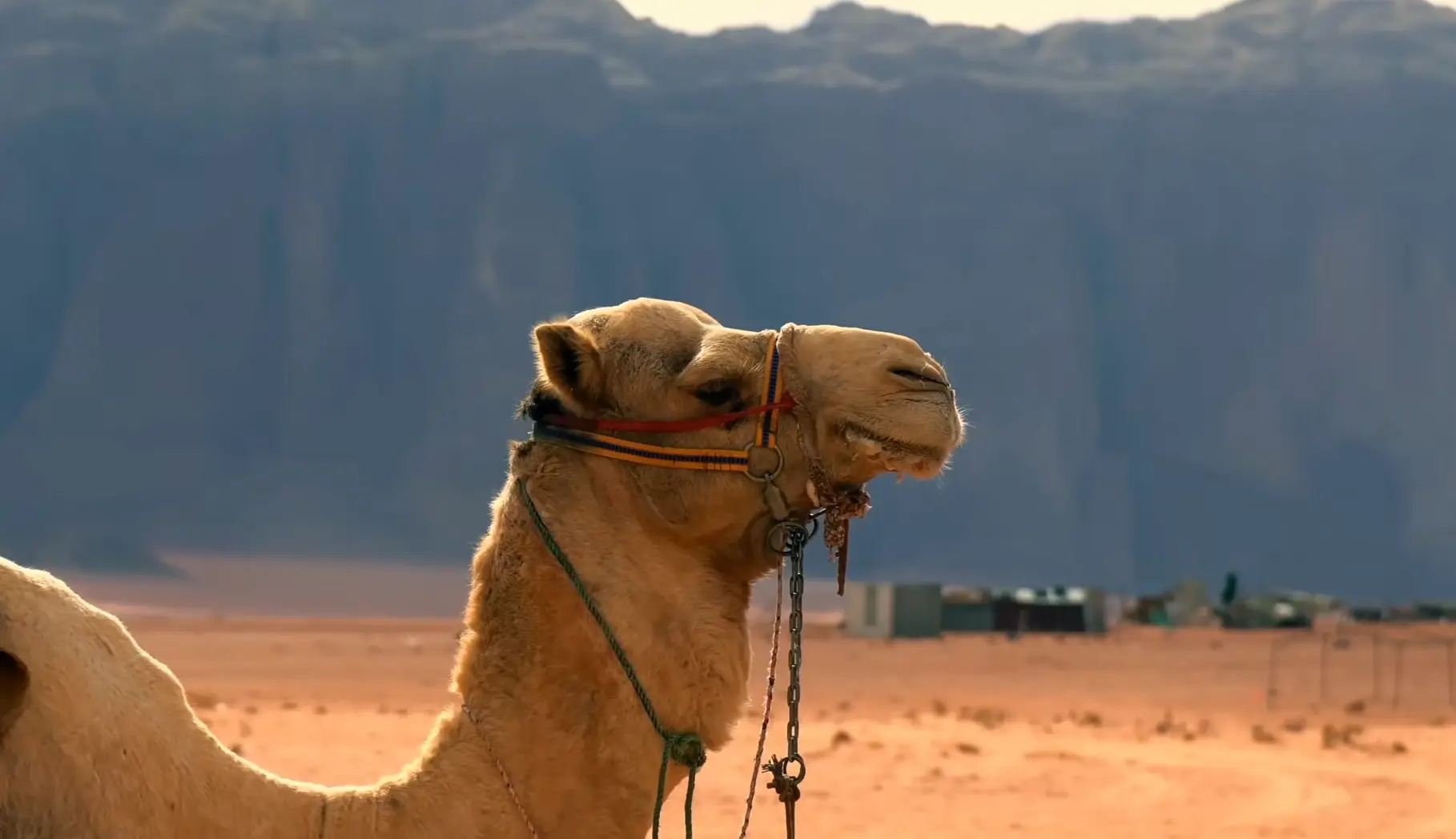
Wadi Rum, nicknamed the Valley of the Moon, is known for its otherworldly red sand and sandstone rock formations, which have made it a favorite filming location for movies including The Martian, Dune, and Lawrence of Arabia. Most visitors explore by 4×4 jeep tour, bouncing across the desert to viewpoints, natural rock bridges, and ancient petroglyphs, before settling in for sunset from one of the smaller mountains. An overnight stay is genuinely one of the best experiences in the entire country, whether in a traditional Bedouin tent or a glass-domed luxury camp, and the complete lack of light pollution makes for some of the best stargazing you’ll find anywhere.
Can You Float in the Dead Sea?
Yes, and it’s one of the strangest, most memorable sensations in travel. Sitting somewhere between 408 and 430 meters below sea level, the Dead Sea is the lowest point on Earth, and its extreme salinity means swimming down is essentially impossible, you simply float. The mineral-rich mud along the shore is famous for its skin benefits, and a full mud mask treatment costs just a few dinar at public beach access points, a fraction of what similar treatments cost elsewhere in the world. Resort access along the northeastern shore runs around €25 per person for day use, while a handful of free public access points exist for budget-conscious travelers willing to skip the resort amenities.
What Are the Best Things to Do in Amman?
Amman blends Roman ruins with modern city life across seven hills, and a couple of days here gives real texture to the rest of a Jordan trip. The Roman Theater, built between 138 and 161 AD and still used for performances today, sits alongside the Citadel’s Roman, Byzantine, and Umayyad ruins. King Abdullah Mosque, with its striking blue dome, is the only mosque in the city open to non-Muslim visitors, and modest dress is required, though a hooded gown is provided free of charge for anyone who needs it. Rainbow Street rewards an evening visit with cafes, boutiques, and live music, while Amman’s souks offer a genuine haggling experience for anyone looking to pick up spices, textiles, or jewelry.
What Are the Ruins of Jerash?
Jerash, ancient Gerasa, ranks among the best preserved Roman ruins outside of Italy, sometimes called the Pompeii of the Middle East despite never suffering the same volcanic burial. It was once part of the Decapolis, ten influential cities forming the eastern edge of the Roman Empire, and the site today spans a massive archaeological area including a large forum, colonnaded streets, and a theater still used for performances. Jerash sits just 55km from Amman, making it an easy half-day trip by car or bus from Amman’s North Terminal.
What Are the Best Day Trips from Amman?
Madaba, Mount Nebo, Ajloun Castle, and Umm Qais all make solid day trips from the capital. Madaba, known as the City of Mosaics, holds the famous 6th century Madaba Map, the oldest surviving map of the Holy Land, inside the Church of St George. Mount Nebo, just 10km further, is where Moses is said to have first viewed the Promised Land, and on a clear day the views stretch toward Jerusalem. Ajloun Castle, a 12th century Ayyubid fortress built to control trade routes, sits in a quieter, greener part of the country and pairs naturally with a Jerash visit. Umm Qais, ancient Gadara, overlooks the Sea of Galilee and the Golan Heights, and takes about two hours to reach from Amman.
When Is Wadi Mujib Open for Canyoning?
Wadi Mujib’s wet trails, the canyoning routes that involve wading and swimming through the gorge, are open only from April through the end of October. Outside that window, water levels and safety conditions close the routes entirely, so travelers hoping to canyon should check current status before building a Jordan itinerary around it. Wadi Mujib sits just a few kilometers from the Dead Sea, making it an easy add-on for anyone already staying in that area.
What Is There to Do in Aqaba?
Aqaba is Jordan’s only coastal city and the country’s Red Sea gateway, offering a genuinely different pace after days of desert and ruins. The coral reefs, shipwrecks, and even sunken tanks make it a legitimately strong scuba diving and snorkeling destination, with a number of well-regarded dive schools based in and around the city. Aqaba’s markets are also worth a wander for souvenirs, and the city works well connected to both Wadi Rum and Petra as part of what’s sometimes called Jordan’s Golden Triangle.
Do I Need a Car to Get Around Jordan?
Public transport connects Amman and Aqaba reasonably well, but it’s genuinely limited everywhere else, which makes renting a car the best option for independent travelers wanting real flexibility. Driving yourself opens up stops along the King’s Highway and remote spots most tour buses skip entirely, and travelers who’ve done it both ways generally report that a rental car saves money overall compared to piecing together tours and taxis. The tradeoff is unfamiliar road conditions and frequent speed bumps through towns, so confident drivers get the most out of this option.
What Should I Wear in Jordan?
Modest dress is recommended throughout Jordan, particularly at religious and cultural sites like Petra and Amman’s mosques. Women should cover shoulders, arms, and legs, and men should avoid shorts in these areas, though hotel pools and Red Sea beach resorts allow for more relaxed swimwear. Packing a lightweight scarf or shawl covers most situations where extra coverage is needed on short notice.
What Food Should You Try in Jordan?
Jordanian food centers on falafel, creamy hummus, and Mansaf, the national dish of lamb cooked in fermented yogurt sauce over rice. Maqluba, an upside-down rice and meat dish, and Baba Ganoush, a smoky eggplant dip, both turn up constantly across the country. Meat eaters are well catered for, but vegetarians genuinely won’t go hungry given how central hummus and falafel are to daily meals. For something sweet, knafeh, a cheese pastry soaked in syrup, is worth seeking out, and a Bedouin tea stop is practically unavoidable and a great way to connect with locals along the way.
Final Thoughts
Jordan rewards travelers who give it more than a rushed weekend. Buy the Jordan Pass if Petra is on your list, budget at least a week to properly cover the highlights, and don’t skip Wadi Rum’s overnight camps just because Petra gets all the attention. Between the desert, the ruins, and the strangeness of floating in the Dead Sea, the things to do in Jordan add up to one of the more varied trips you can pack into a single, compact country.
FAQ
Is Jordan expensive to visit?
Jordan sits at a moderate price point for the Middle East. Entry fees to major attractions add up quickly without the Jordan Pass, but food, transport, and mid-range accommodation remain reasonably affordable compared to Western Europe.
What is Ma’in Hot Springs?
Ma’in Hot Springs is a thermal spring area near the Dead Sea where natural water reaching 45 to 60°C cascades down cliffs, with both a resort and public bathing areas open to visitors.
What is Dana Biosphere Reserve?
Dana Biosphere Reserve is Jordan’s largest nature reserve, spanning 320 square kilometers of mountain and desert terrain, home to hundreds of plant species and considered the country’s best hiking destination.
Is Bethany Beyond the Jordan worth visiting?
It depends on your interests. The site, recognized as the traditional baptism location of Jesus, holds real religious significance and UNESCO status, though some travelers find the setup underwhelming compared to Jordan’s more visually dramatic sites.