Best Places to Visit in the USA in 2026: Top Destinations by Region
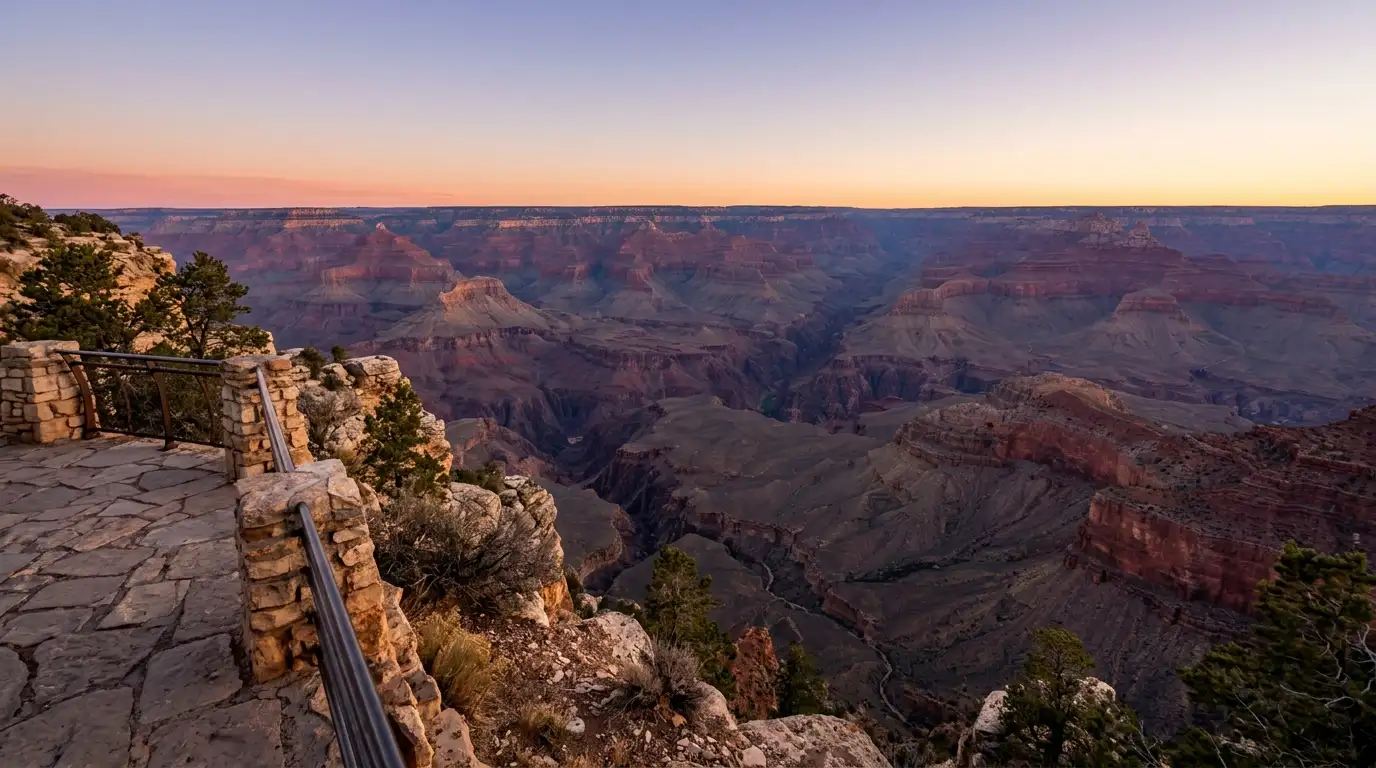
The best places to visit in the USA in 2026 include Grand Canyon National Park, Maui, Yosemite National Park, New York City, and Yellowstone National Park according to major travel rankings. These spots offer unique landscapes, culture, and activities for different travelers.
Grand Canyon and Southwest Highlights
Grand Canyon National Park in Arizona ranks as the top place to visit in the USA for 2026. Visitors hike trails like Bright Angel or take rim views from South Rim overlooks. The park covers a massive area with layered rock formations. Entry requires a vehicle pass or timed entry in peak season. Nearby, Zion National Park in Utah features slot canyons and river walks. Distances between parks run about 250 miles via highway. Families often combine these with Moab for outdoor adventure.
Check best hikes in Arches National Park for more red rock options in the region. Hotels near the canyon rim book early for summer months. Costs for park entry start around standard national park fees. The area works well for multi-day road trips.
National Parks in the West
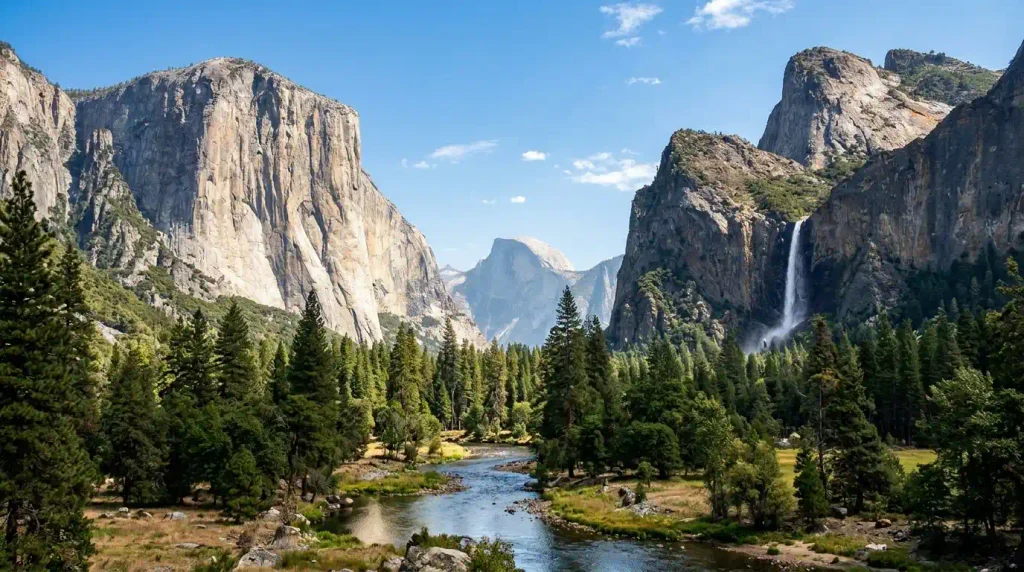
Yosemite National Park in California draws crowds for waterfalls and granite cliffs. Glacier National Park in Montana offers Going-to-the-Sun Road and turquoise lakes. Yellowstone features geysers and wildlife viewing. These parks sit hundreds of miles apart. Plan driving times of 8 to 12 hours between major ones. Summer brings high visitation so reserve lodging or campsites months ahead. Winter visits need preparation for snow and limited access.
See best places to see fall foliage if timing a trip for seasonal color in western mountains. Guided tours help with logistics in remote areas. Many travelers fly into nearby airports then rent cars.
East Coast Cities and History
New York City offers Broadway shows, museums, and diverse neighborhoods. Washington D.C. holds monuments and free museums. Savannah in Georgia provides historic squares and riverfront walks. Boston features colonial sites and universities. Distances between these cities range from 200 to 400 miles. Train options like Amtrak connect several. Walkable areas reduce the need for cars in city centers. Peak seasons vary by weather preference.
Look at boston must do for specific stops. Many visitors pair cities with nearby beaches or parks. Public transit handles most movement inside urban areas.
Hawaii and Island Destinations
Maui and Honolulu on Oahu rank high for beaches and volcanoes. Kauai offers quieter landscapes. Hawaii Volcanoes National Park on the Big Island shows active geology. Flights from mainland USA take 5 to 11 hours depending on departure city. Inter-island flights add short hops. Resorts provide full service stays. Activities include snorkeling, hiking, and cultural tours. Weather stays mild year-round with occasional rain on windward sides.
Review best places to snorkel in Hawaii for water activities. Book popular experiences in advance during high season from December to April.
Southeast and Florida Options
Everglades National Park protects wetlands and wildlife. Universal Studios and theme parks near Orlando attract families. Key West sits at the end of the Florida Keys with clear waters. Savannah and Charleston add southern charm. Driving from Miami to Orlando takes about 4 hours. Beach towns provide relaxed alternatives to big cities. Hurricane season from June to November requires checking forecasts. Many resorts include pools and dining.
Explore best family vacation spots California for comparisons if considering west coast family trips instead. Florida offers both urban and nature-focused days.
Midwest and Central Spots
Chicago features architecture and lake views. St. Louis holds the Gateway Arch. Texas Hill Country and Austin provide music and food scenes. Mount Rushmore and Badlands National Park in South Dakota showcase American history and geology. Distances span large areas so flights or multi-day drives work best. Summer festivals draw crowds. Winter brings snow in northern parts. Road trips allow flexible stops at state parks.
Check vacation in Texas for more on that state. These areas often cost less than coastal destinations for lodging and food.
Planning Tips for USA Travel in 2026
Book national park entries and popular hotels 3 to 6 months ahead. Use apps for real-time weather and traffic. Domestic flights connect major hubs quickly. Rental cars suit road trips while public transit handles cities. Average daily costs range from budget to luxury depending on choices. Shoulder seasons like spring and fall reduce crowds and prices in many spots. Check visa requirements if traveling from abroad. Health and travel insurance add protection for longer trips.
Consider best places to visit in October for seasonal timing. Pack layers for variable weather across regions. Many parks offer free entry days on certain dates.
Comparison of Top Destinations
| Destination | Best For | Distance from Major Airport | Peak Season |
|---|---|---|---|
| Grand Canyon | Scenic views and hiking | About 80 miles from Flagstaff | Spring and fall |
| Maui | Beaches and relaxation | Direct flights available | Winter |
| New York City | Culture and food | In city airports | Year-round |
| Yosemite | Nature and photography | About 170 miles from San Francisco | Summer |
This table highlights key differences for planning. Each location supports different trip lengths from weekend to two weeks. Combine nearby spots for efficiency. Local guides add context on history and ecology. Weather apps help decide daily activities. Reservations prevent disappointment at popular sites.
FAQs
What are the best places to visit in the USA in 2026?
Grand Canyon National Park, Maui, Yosemite, Yellowstone, and New York City rank among the top according to major 2026 travel lists. They cover nature, beaches, and cities.
How do I choose places to visit in the USA?
Match interests to regions. Nature lovers pick national parks. City fans choose New York or Chicago. Beach travelers head to Hawaii or Florida. Check weather and costs for the time of year.
What is the best time to visit national parks in the USA?
Spring and fall bring milder weather and fewer crowds in most parks. Summer offers full access but higher prices and more visitors. Winter suits some parks with snow activities.
How far apart are major USA destinations?
Distances vary widely. East coast cities sit 200 to 400 miles apart. Western parks often require 8 to 12 hour drives or flights. Plan logistics based on the region.
Are there affordable places to visit in the USA?
Yes. Many national parks have low entry fees. State parks and some Midwest cities cost less than coastal resorts. Road trips with camping reduce lodging expenses.
What should I pack for USA travel?
Layers work for changing weather. Comfortable shoes suit walking and hiking. Check specific park rules for gear. Adapters may be needed for electronics from other countries.
Do I need a car to visit places in the USA?
Cars help for national parks and road trips. Cities like New York offer strong public transit. Ride shares and shuttles cover many tourist areas. Rentals book easily at airports.
How long should a USA trip last?
A week covers one region well. Two weeks allow multiple parks or cities. Longer trips suit cross-country routes. Focus on 2 to 4 main stops to avoid rushing.
What are family-friendly places in the USA?
Theme parks near Orlando, national parks with easy trails, and cities like San Diego work for families. Check age-appropriate activities and lodging with pools or kitchens.
Are there visa requirements for visiting the USA?
Many countries need ESTA or a visa. Check official government sites before booking. Processing times vary. Have passport valid for the full stay.
What food is available at popular USA destinations?
Options range from local specialties to international cuisine. National parks have limited dining so plan meals. Cities offer diverse restaurants at various prices.
How do I get around within destinations?
Walking works in compact areas. Shuttles serve some parks. Taxis and apps handle cities. Bikes suit certain coastal or flat regions. Research each spot ahead.