When Can I Eat Solid Food After Tooth Extraction? Day-by-Day Timeline
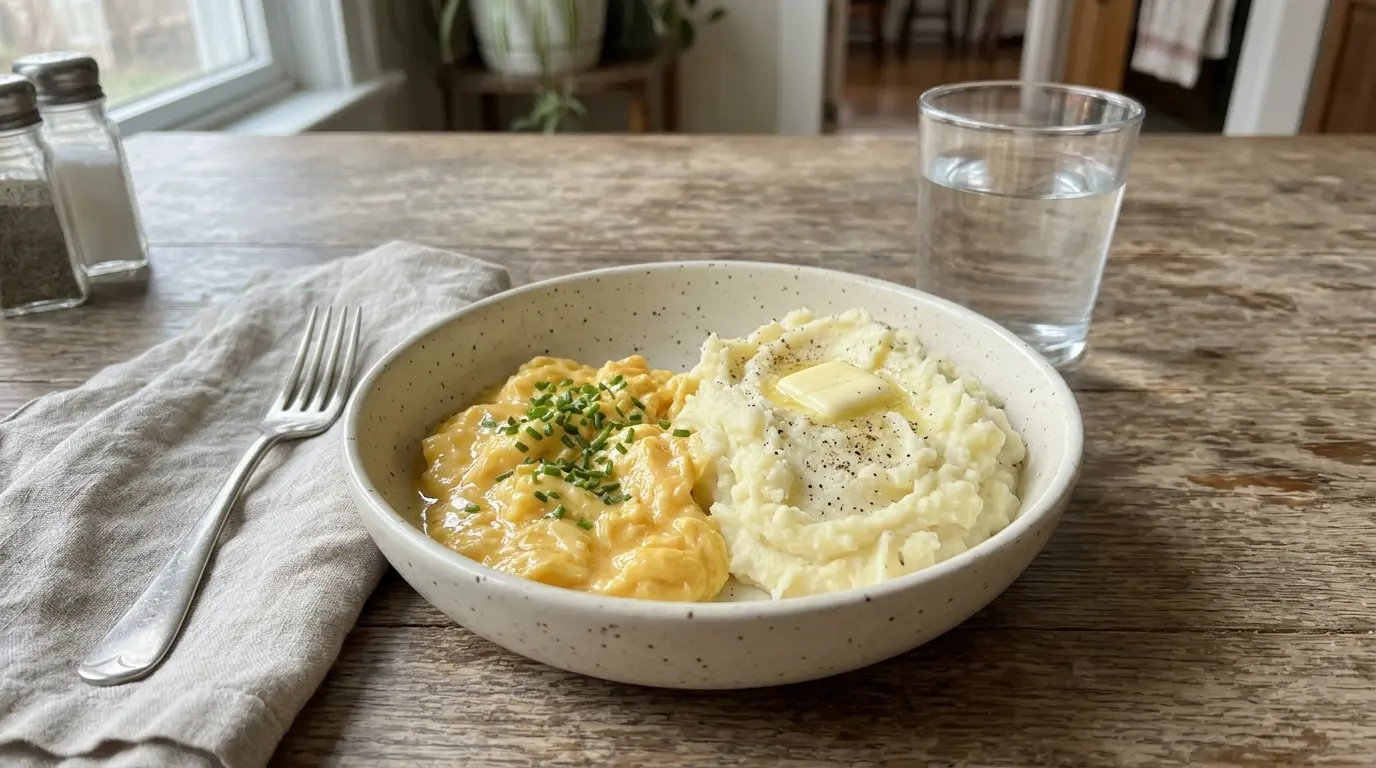
Most people can eat soft solid foods like scrambled eggs or pasta starting on day 2 or 3 after a simple tooth extraction. Full normal solids return around day 7 to 14 once the site heals and chewing feels comfortable on the opposite side.
First 24 Hours After Extraction
Stick to cool or lukewarm liquids and purees once numbness wears off. Yogurt, applesauce, pudding, smoothies eaten with a spoon, and blended soup work well. Avoid hot foods and drinks because heat can increase bleeding. Do not use straws. The suction can dislodge the blood clot that protects the socket. Alcohol and carbonated drinks also stay off the list. Protein shakes provide nutrition without chewing. Rest and keep the head elevated. The clot forms during this period so gentle care matters most. Pain and swelling peak then ease with proper rest and medication as directed.
Read soft food ideas for more options that fit this stage. Hydration supports healing without stressing the site.
Days 2 to 3: Soft Solids Begin
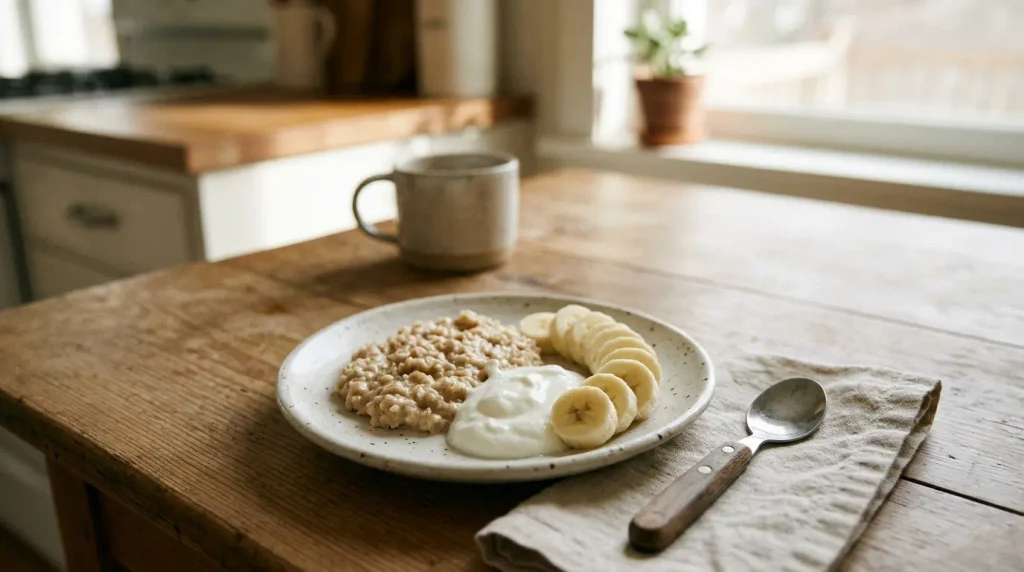
Soft solids become possible if comfort allows. Scrambled eggs, mashed potatoes, oatmeal, soft pasta, flaky fish, ripe banana, and cottage cheese fit here. Chew on the opposite side. Avoid crunchy, chewy, sticky, spicy, or very hot items. The clot stabilizes but remains fragile. Lukewarm temperatures continue to help. Small bites reduce pressure. Many people notice less pain by day 3. Continue saltwater rinses gently after meals starting the day after surgery. Nutrition stays important so focus on protein and soft textures. If swelling or pain increases, stay with liquids longer.
Check post extraction care for rinsing and medication tips. Progress depends on the individual and the type of extraction.
Days 4 to 7: Expanding the Diet
Soft sandwiches without crust, well-cooked rice, shredded chicken, soft cooked vegetables, avocado, and pancakes enter the menu. Light chewing on the safe side works for most people. Avoid chips, nuts, seeds, popcorn, tough meat, and crusty bread. New tissue fills the socket during this window. Comfort guides the pace. Some return closer to normal meals by day 7 after a simple extraction. Wisdom tooth or surgical cases often need more time. Monitor for food packing in the site and rinse gently. Energy levels usually improve as the diet broadens.
See healing after dental work for general recovery signs. Contact a dentist if unusual pain or bleeding appears.
Days 7 to 14 and Beyond
Most normal foods become fine once the socket shows pink tissue and chewing feels okay. Still avoid very hard or sharp items near the site for another week or two. Chew on the opposite side until tenderness disappears completely. Bone healing continues underneath for months. Simple extractions often allow regular diets by day 7 to 10. Surgical cases may need until day 14 or later for crunchy foods. Follow the dentist’s specific advice because every case differs. Good oral hygiene prevents complications during this phase.
Look at dental recovery timeline for longer-term expectations. The site continues to remodel even after eating returns to normal.
Foods to Avoid and Why
Hard, crunchy, sticky, and spicy foods risk dislodging the clot or irritating the site. Nuts, chips, popcorn, tough meat, and crusty bread fall into this group early on. Hot drinks raise blood flow and can soften a new clot. Alcohol interferes with healing and medications. Smoking delays recovery and raises dry socket risk. Seeds and small particles can lodge in the socket. Acidic foods may sting. Wait until the dentist clears harder textures. Even later, chew carefully around the area until fully comfortable.
Explore foods that help healing for nutrient-rich soft choices. Avoiding problem foods protects the clot and speeds recovery.
Tips for Comfortable Eating
Cut food into small pieces. Chew only on the safe side. Keep temperatures lukewarm or cool at first. Use a spoon for smoothies instead of a straw. Rinse gently with warm salt water after meals starting 24 hours later. Stay hydrated with water. Soft high-protein options like yogurt and eggs support tissue repair. Listen to pain signals and slow down if needed. Rest after meals if swelling increases. Over-the-counter pain relief as recommended helps with comfort during eating. Most people adapt quickly once the first few days pass.
Review oral hygiene after extraction for rinsing details. Consistent gentle care prevents setbacks.
Differences by Extraction Type
Simple extractions of a single tooth often allow faster return to solids. Wisdom teeth or multiple surgical extractions need a more cautious timeline. Impacted teeth involve more tissue trauma so soft foods last longer. Front teeth may heal with less chewing interference than back molars. Age, overall health, and following instructions also affect speed. Smokers and those with certain conditions heal more slowly. Always follow the specific post-op sheet from the dental office. When in doubt, stay softer longer rather than rush.
Check wisdom teeth recovery if that applies. Individual variation means the timeline serves as a guide not a strict rule.
When to Contact a Dentist
Call if pain worsens after day 3, bleeding restarts heavily, swelling increases sharply, or fever develops. A bad taste or odor can signal infection. Food constantly packing into the site despite rinsing needs attention. Dry socket produces severe pain a few days later. Most recoveries stay uneventful with proper care. Early contact prevents bigger issues. Keep the dental office number handy. Follow-up visits confirm healing progress. Do not ignore persistent problems in hopes they resolve alone.
See signs of dental infection for warning details. Prompt care keeps recovery on track.
FAQs
When can I eat solid food after tooth extraction?
Soft solids like eggs or pasta usually start on day 2 or 3. Most people return to normal solid foods between day 7 and day 14 depending on the extraction type and comfort.
What can I eat the first day after tooth extraction?
Cool liquids and purees such as yogurt, applesauce, pudding, and blended soup once numbness fades. Avoid hot items, straws, and anything that requires chewing.
When can I eat pizza after tooth extraction?
Soft versions cut small may work after day 7 if chewed on the opposite side. Wait longer for crusty or chewy pizza until the site feels fully comfortable, often around two weeks.
Can I eat ice cream after tooth extraction?
Yes in the first days if it is soft and not too cold. Avoid crunchy mix-ins. It can soothe the area for some people.
How long should I eat soft foods?
Plan on soft foods for about 7 days after a simple extraction. Surgical or wisdom tooth cases often need 10 to 14 days of softer textures.
When can I chew on the extraction side?
Wait until tenderness disappears, often around two weeks. Chew on the opposite side until then to protect the healing socket.
What foods should I avoid after tooth extraction?
Hard, crunchy, sticky, spicy, and very hot foods. Also avoid nuts, chips, popcorn, tough meat, alcohol, and straws in the early days.
Is it normal to have trouble eating after extraction?
Yes for the first few days. Swelling and soreness limit choices. Soft foods and opposite-side chewing make it manageable for most people.
Can I drink coffee after tooth extraction?
Lukewarm coffee may be fine after the first day if it does not cause discomfort. Avoid very hot drinks early on because heat can affect the clot.
How do I know the extraction site is healing well?
Pain and swelling decrease after a few days. The socket gradually fills with pink tissue. Eating becomes easier without sharp pain. Contact a dentist if symptoms worsen.
What if food gets stuck in the socket?
Rinse gently with warm salt water. Do not poke the area. If food keeps packing in or pain increases, call the dental office for advice.
Does the timeline differ for wisdom teeth?
Yes. Wisdom tooth extractions often require soft foods longer, with normal solids closer to day 10 to 14 or more depending on complexity.