
Must See in Norway: The Complete Guide to Fjords and Beyond
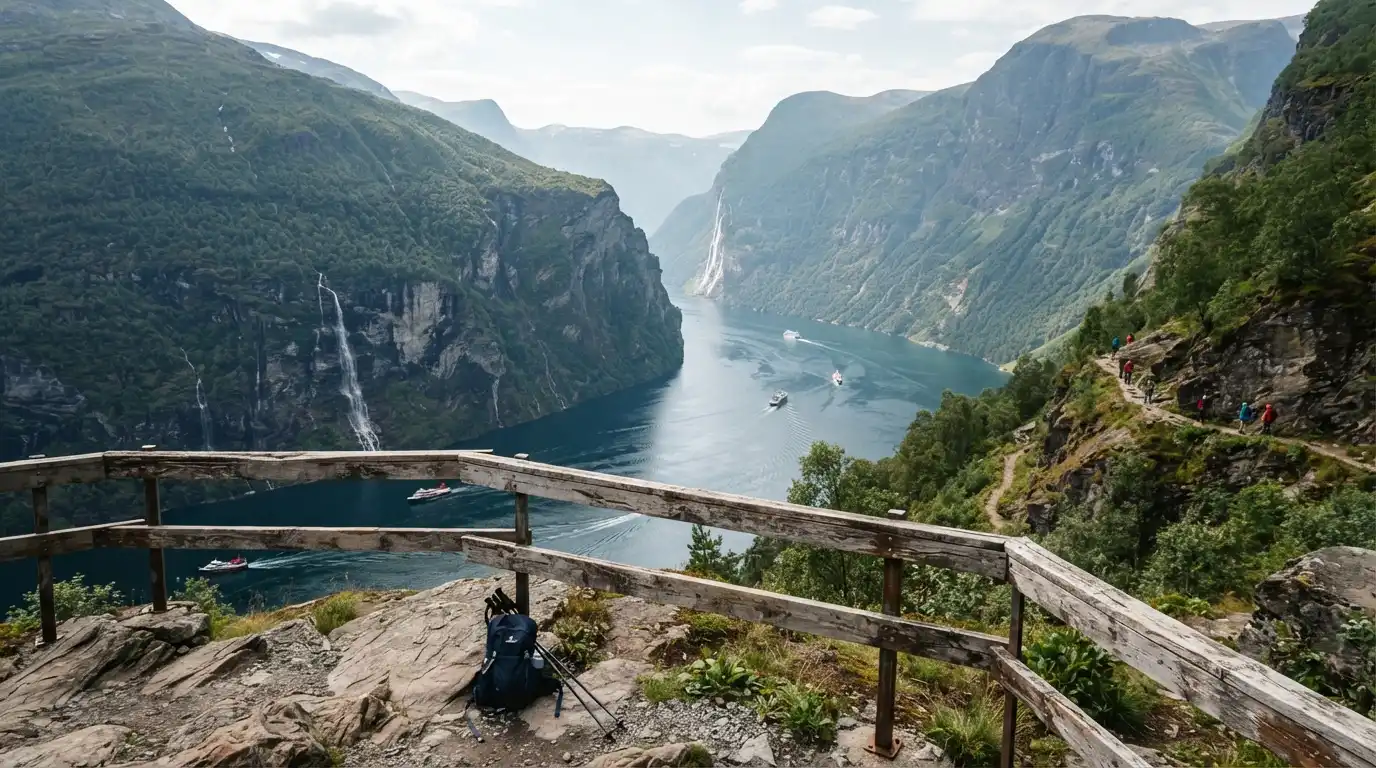
Must see places in Norway include Geirangerfjord, Preikestolen, the Flåm Railway, Bergen, and Lofoten. With a country this long and this spread out, most first timers assume Norway means choosing between fjords or mountains, when the real challenge is figuring out how much ground you can realistically cover and how to avoid the summer crowds at the places everyone else wants to see too.
Is Norway Worth Visiting in Summer Despite the Crowds?
Yes, and the honest reasoning holds up well once you understand how the crowds actually distribute. Norway is a genuinely large country, and only a small handful of its most famous spots get seriously crowded during peak summer, while the rest of the country remains as quiet and magical as ever. A common mistake first timers make is assuming every must see location in Norway will be packed simply because it’s peak season, when travelers who explore even slightly beyond the most popular viewpoints or trailheads consistently report having entire mountainsides or hiking trails to themselves, even in mid-June. Choosing a base slightly away from the biggest tourist magnets, or timing a hike for early morning or evening, genuinely delivers a quieter experience without sacrificing the scenery that makes Norway worth visiting in the first place.
Is Geirangerfjord Worth Visiting?
Yes, and it consistently ranks as the single most essential must see in Norway for travelers prioritizing classic fjord scenery. Geirangerfjord delivers astonishing beauty on its own, but the real draw is everything packed into the surrounding area near the small hamlet of Geiranger. Most visitors come specifically to view the fjord and its famous waterfalls, including the well known Seven Sisters, and driving up to Dalsnibba, a viewpoint sitting 1,500 meters above sea level, delivers one of the most dramatic panoramic views in the entire region. A walk to the nearby Storsæterfossen waterfall adds an easy, rewarding stop along the same route, and several viewpoints along the road offer stunning vantage points over the fjord itself. The honest downside worth knowing: Geirangerfjord draws large cruise ships during peak summer months, and travelers specifically hoping for a quieter, more intimate fjord experience should factor this into their expectations or consider timing their visit for shoulder season instead.
Should You Hike Preikestolen or Trollstigen?
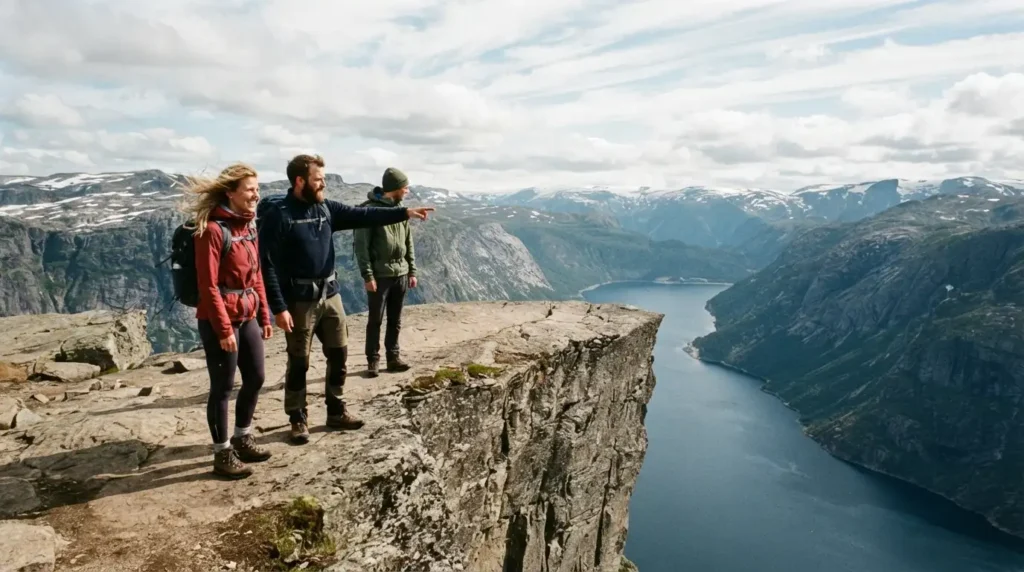
Both deliver genuinely different Norwegian experiences, and choosing between them depends on whether you want a hike or a drive. Preikestolen, known internationally as Pulpit Rock, sits above Lysefjorden and rewards hikers with one of the most photographed viewpoints in the entire country, a flat rock ledge jutting dramatically out over the fjord below. Trollstigen, by contrast, is a genuinely spectacular mountain road rather than a hike, winding through eleven hairpin turns with waterfalls visible along the route, making it accessible to travelers who’d rather experience dramatic scenery from behind the wheel than on foot. Travelers wanting a physical challenge and a rewarding payoff should choose Preikestolen, while those prioritizing a scenic road trip experience, or traveling with anyone unable to handle a demanding hike, should build Trollstigen into their route instead.
Is the Flåm Railway Worth Riding?
Yes, and the Flåmsbana, as it’s known locally, consistently earns a spot on nearly every must see in Norway list for good reason. This scenic railway climbs steeply through the mountains between Myrdal and the village of Flåm, delivering waterfalls, dramatic valleys, and mountain scenery that would otherwise require serious hiking effort to reach. It’s frequently paired with a fjord cruise along the nearby Nærøyfjord, one of the narrowest and most dramatic fjords in Norway, as part of a combined route sometimes marketed as Norway in a Nutshell, letting travelers experience train, boat, and bus scenery all within a single well-organized day.
What Is There to See in Lofoten?
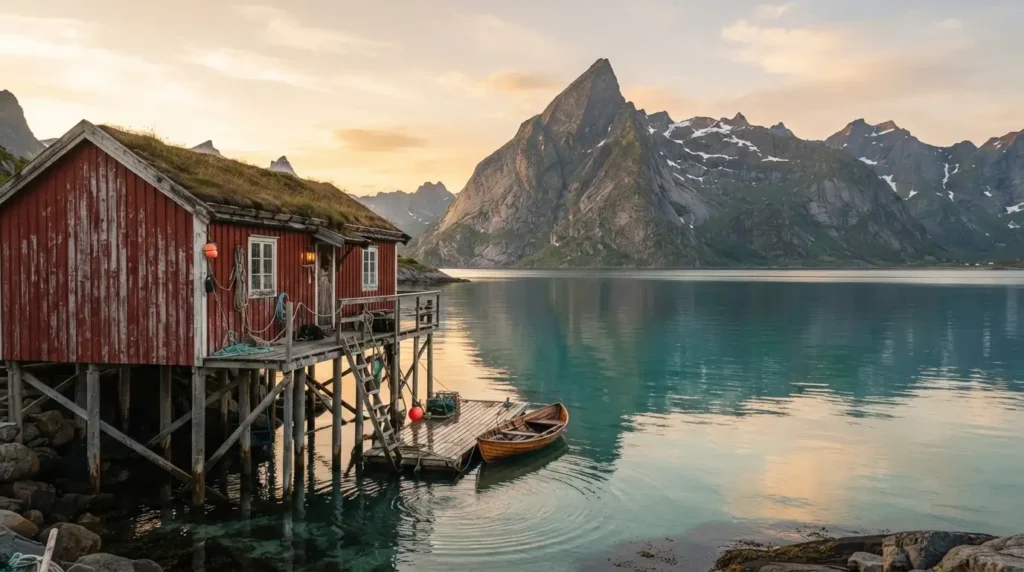
Lofoten’s dramatic, jagged peaks rising directly out of the sea have made it one of Norway’s most photographed regions, and despite its genuine popularity, it remains capable of delivering emotionally moving, near-empty experiences for travelers willing to explore beyond the most Instagram-famous spots. Travelers who’ve spent extended time in the region report finding completely empty hiking trails even during mid-June, simply by choosing routes that aren’t the most heavily marketed ones. For travelers specifically seeking Lofoten’s dramatic landscapes without quite as many crowds or the higher prices that come with its popularity, Vesterålen, the archipelago directly north of Lofoten, offers similar scenery along with the added bonus of reindeer and whale sightings, at a noticeably lower cost and with far fewer visitors.
Do You Need a Car to See Norway’s Must See Attractions?
For most of Norway’s must see destinations, yes, and this is genuinely important to plan around before your trip rather than after arriving. Public transport in Norway’s more rural areas remains genuinely limited, meaning many of the country’s most stunning fjords, mountain roads, and remote coastal villages simply aren’t reachable without a rental car. Comparing rental prices across a few providers before booking is worth the extra time, since rates can vary considerably, and travelers planning an extended road trip through multiple regions should budget both the rental cost and realistic driving times between destinations, since Norway’s winding mountain and coastal roads genuinely take longer to navigate than the straight-line distance might suggest. Travelers sticking primarily to well-connected areas like Bergen, Oslo, or the Flåm Railway route can rely more heavily on trains and organized tours, but venturing into fjord country, the far north, or off-the-beaten-path coastal regions genuinely requires your own vehicle.
Is Jotunheimen National Park Worth Visiting?
Yes, and it deserves a place on any serious must see in Norway list specifically because of what makes it different from the rest of the country. Jotunheimen is home to Norway’s two tallest peaks, along with more than 250 mountains reaching close to 2,000 meters, a genuinely unusual concentration given that most mountains elsewhere in Norway don’t reach nearly that height. Staying at a mountain lodge located directly inside the park works particularly well for travelers with limited time, serving as a base camp for a range of hikes without needing to drive in and out each day. This genuinely delivers one of the more unique hiking experiences available anywhere in the country, distinct from the fjord-focused scenery that dominates most other must see Norway destinations.
What Should You Know About Bergen?
Bergen consistently earns a spot on classic must see Norway lists as one of the country’s most charming and historically significant cities, serving as the traditional gateway to the western fjords for many visitors. Its colorful wooden buildings along the historic waterfront and its role as a starting point for fjord cruises and train journeys make it a natural first or last stop for a Norway itinerary. Travelers using Bergen as a base for exploring the surrounding fjord region should plan for genuinely busy summer crowds here too, given the city’s importance as a transit hub, so booking accommodation and any fjord tours well in advance during peak season matters more here than in Norway’s quieter, more remote regions.
Is Svalbard Worth Visiting?
Yes, for travelers wanting a genuinely different Norway experience far beyond the mainland. This remote group of islands sits well north of mainland Norway, close enough to the North Pole to feel like an entirely different destination altogether. Winter visits deliver Northern Lights viewing and Arctic scenery, while summer specifically opens up the chance to spot polar bears, narwhals, and walruses in their natural habitat. Flights to Svalbard are genuinely more affordable than the remoteness might suggest, making it a realistic add-on for travelers with extra time and a serious interest in Arctic wildlife rather than just fjord scenery.
Final Thoughts
Building the right must see in Norway list really comes down to balancing the classic, famous fjords against the reality that a car and a bit of flexibility unlock a genuinely quieter version of the same country. Ride the Flåm Railway and cruise Nærøyfjord for the classic combination, hike Preikestolen if you want the effort and payoff, and consider Jotunheimen or Vesterålen if the crowds at Geirangerfjord or Lofoten sound overwhelming. Whether it’s a cruise ship-crowded fjord viewpoint or an empty mid-June hiking trail found just off the main route, the best must see in Norway experiences reward travelers who plan around both the calendar and their own tolerance for company along the way.
FAQs
What is the best time to visit Norway?
Summer delivers the longest daylight hours and the most reliable access to hiking trails and mountain roads, though travelers specifically wanting to avoid crowds at Norway’s most famous spots should consider shoulder season months or plan to explore slightly beyond the most popular viewpoints.
Is Norway expensive to visit?
Norway carries a genuine reputation for high prices, particularly for food and accommodation, though renting a car and choosing quieter regions over the most famous tourist magnets can meaningfully reduce costs compared to sticking exclusively to Norway’s most visited fjords and cities.
What are the top waterfalls to see in Norway?
Vøringsfossen, Briksdalbreen, and Steinsdalsfossen all rank among Norway’s most impressive waterfalls, alongside the famous Seven Sisters waterfall along Geirangerfjord and the shorter walk to Storsæterfossen near the same fjord.
Can you see Norway without hiking?
Yes, scenic drives like Trollstigen, fjord cruises along routes like Nærøyfjord, and train journeys like the Flåm Railway all deliver dramatic Norwegian scenery without requiring serious hiking effort, making the country genuinely accessible for travelers who prefer sightseeing from a vehicle or boat.


