
Must See Tenerife: The Complete Guide to Volcanoes, Villages, and Beaches
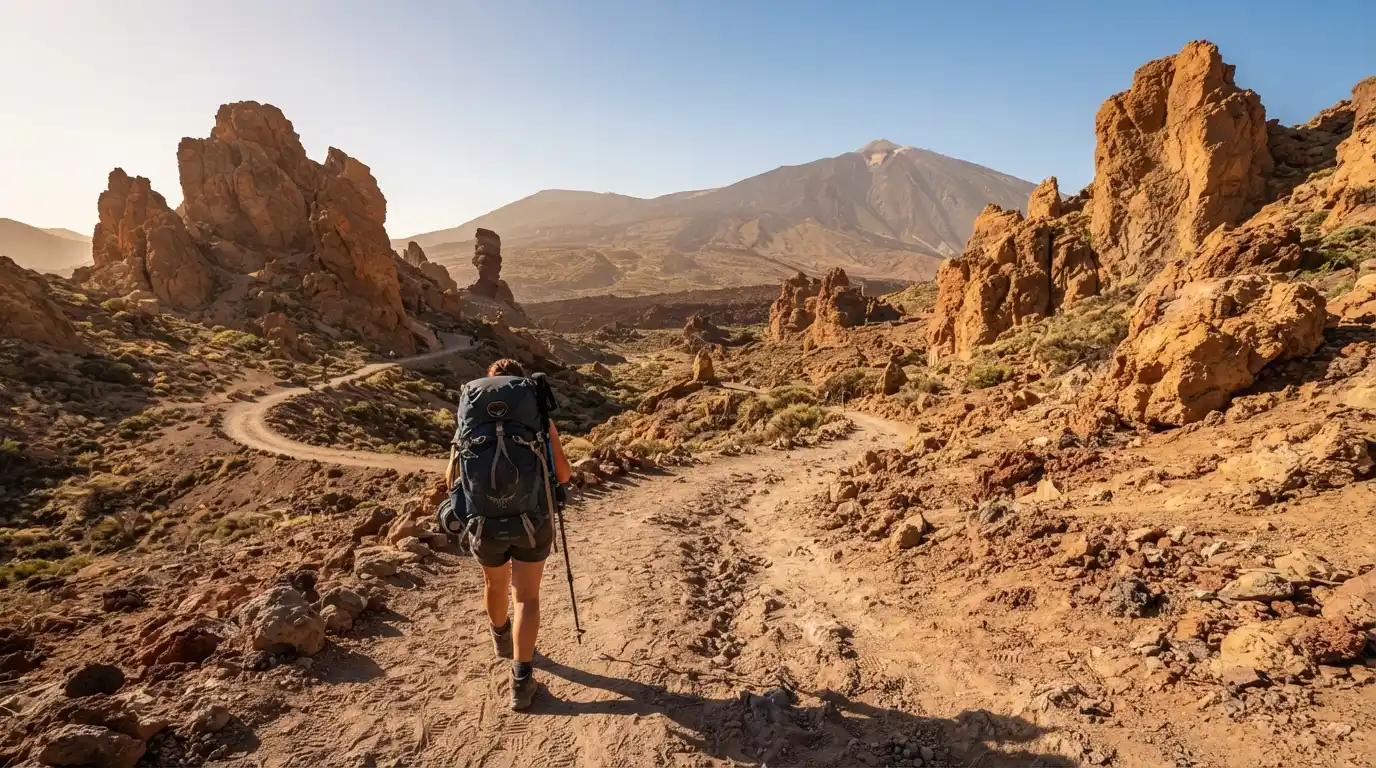
Must see Tenerife destinations include Teide National Park, the mountain village of Masca, and the colorful coastal town of Garachico. Most first timers arrive expecting a modern resort island and little else, and the real surprise is just how much moon-like volcanic landscape, ancient laurel forest, and dramatic coastline this island packs in beyond the beach.
Is Teide National Park Worth Visiting?
Yes, and it consistently ranks as the single most essential must see Tenerife destination on the island. Home to Mount Teide, an active volcano surrounded by moon-like landscapes and unusual rock formations, most visitors come either to hike one of the park’s many trails or ride the cable car to the summit. The cable car runs 24 EUR one way, and while some travelers find that steep, the views from the top are widely reported as genuinely spectacular. Sendero Roques de García offers a shorter but equally rewarding alternative, a 3.6 kilometer gravel path covering lava fields and dramatic rock formations in about 1.5 to 2 hours. Late afternoon delivers the best light and the fewest crowds here, though a common mistake first timers make is underestimating how quickly darkness falls at altitude, so plan to be back at the parking area before sunset rather than after. Driving from Santa Cruz takes about 1.5 hours along the scenic TF-21 road, and checking live weather webcams before setting out is genuinely worth doing, since thick cloud cover can ruin the visibility entirely. Staying after dark rewards patient visitors with some of the best stargazing conditions in Europe, thanks to remarkably low light pollution at the park’s elevation.
Should You Visit North or South Tenerife?
The north consistently delivers a noticeably different, greener experience compared to the drier, more resort-heavy south. Most people picture Tenerife’s dry, sun-baked landscapes, and while that’s genuinely accurate for the south, the north holds lush parkland, laurel forests, and cooler, cloudier weather that offers a welcome break during peak summer heat. Puerto de la Cruz works particularly well as a base for exploring this greener side of the island, sitting conveniently between black sand volcanic beaches, the Orotava Valley, and Mount Teide itself, with easy access to day trips toward Anaga, Garachico, and La Orotava. Travelers specifically drawn to hiking, dramatic scenery, and a more authentic island feel should lean north, while those wanting classic beach resort infrastructure will find the south a more straightforward, if less adventurous, base.
Is Masca Worth Visiting?
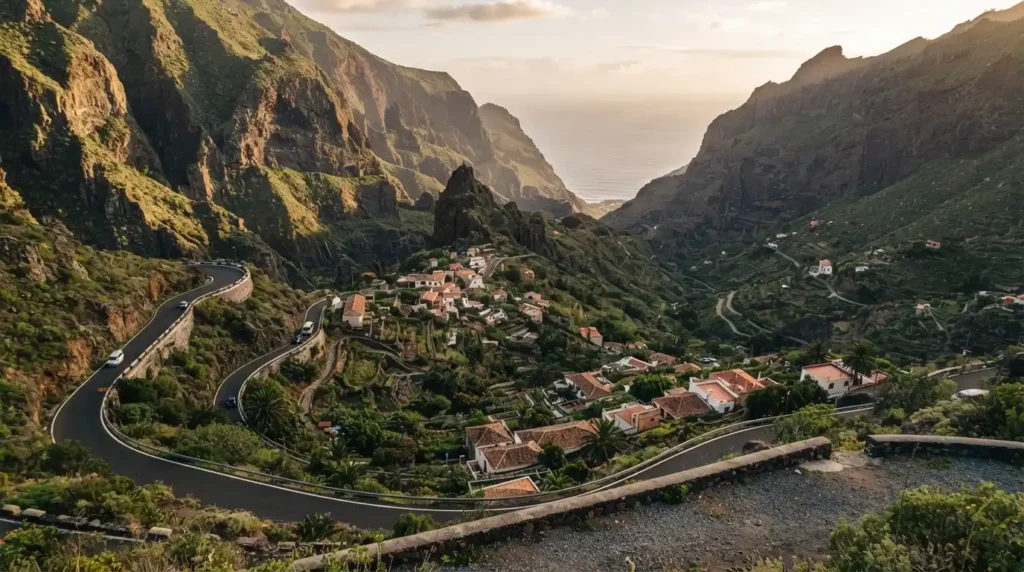
Yes, and it’s genuinely one of the most popular must see Tenerife destinations, nestled among the Teno Mountains with a dramatic setting some travelers compare to Machu Picchu. There isn’t much to actually do within the village itself beyond a handful of restaurants offering incredible valley views, but the setting more than compensates. The winding TF-436 road leading to Masca delivers one of the most scenic drives on the entire island, though it demands a confident driver given the hairpin bends and steep drops, and travelers in a rental car should confirm they have proper insurance before attempting it. Arriving before 9:30am secures easier parking and a quieter experience, while visiting after 4:30pm works nearly as well once the tour groups have cleared out. The genuinely famous Masca Gorge hike, a 5 kilometer one-way descent taking about 3 hours, ends at Masca Beach, where hikers must catch a taxi boat back to Los Gigantes rather than retracing their steps, and this entire experience, including the boat, must be booked online in advance given how popular and tightly regulated the route has become.
What Are the Best Volcanic Rock Pools in Tenerife?
| Rock Pool | Location | Notes |
| Charco de La Laja | San Juan de la Rambla | Crystal clear, good for snorkeling, no lifeguards |
| El Caletón de Garachico | Garachico | Family-friendly, shallow sections, lifeguards on duty |
| Piscinas Naturales de Bajamar | Northeast Tenerife | Protective walls, lifeguards, showers on site |
| Los Gigantes pools | Base of Los Gigantes cliffs | Exposed, swim only at low tide |
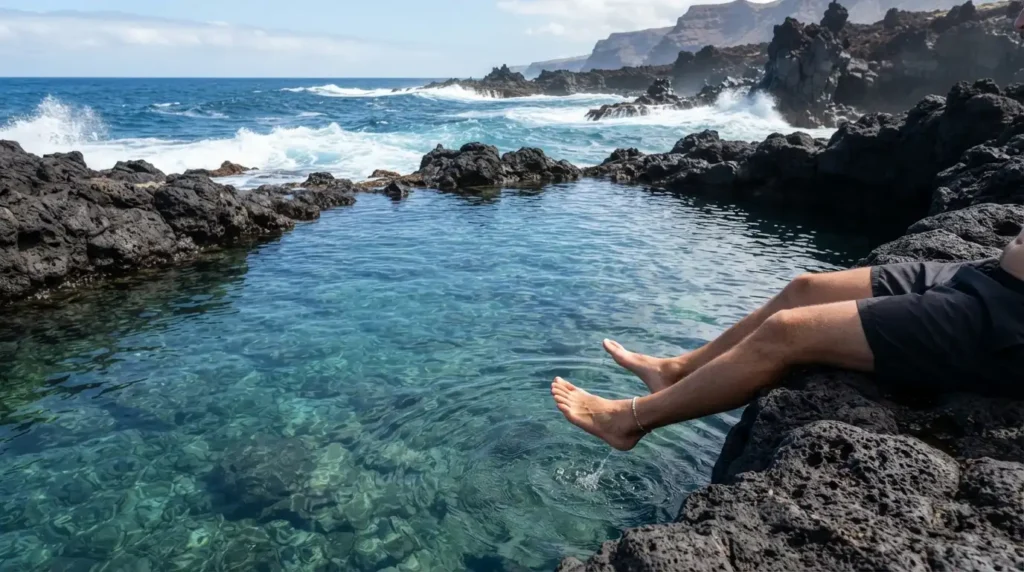
Tenerife’s volcanic activity has genuinely gifted the island with a wide variety of natural swimming pools formed by lava over the years, and these remain free to enter at any time. Charco de La Laja in San Juan de la Rambla offers some of the best snorkeling conditions on the island, though the complete absence of lifeguards means extra caution is warranted whenever the ocean turns rough. El Caletón de Garachico, formed by the same 1706 volcanic eruption that reshaped the town itself, includes shallower sections with steps for easier access, making it a genuine favorite among families, and lifeguards work here during the day. The Bajamar pools in the northeast offer some of the safest conditions on the island, with protective walls, on-duty lifeguards, and showers, while the pools at the base of the Los Gigantes cliffs remain among the most exposed, meaning they should only be attempted at low tide.
Which Tenerife Beaches Are Safe for Swimming?
| Beach | Swim Safety | Notes |
| Playa de Benijo | Not recommended for swimming | Wild waves, popular with surfers |
| Playa de Las Teresitas | Calm and shallow | Artificial golden sand, most popular beach |
| Playa del Bollullo | Less wavy | Peaceful, no hotels nearby |
| Playa de Castro | Not suitable for swimming | Strong currents, rocky shore |
| Playa de Los Gigantes | Sheltered, good for swimming | Small beach, fills up quickly |
Playa de Benijo, tucked into remote Anaga Rural Park, delivers dramatic cliffside scenery but wild waves that make it far better suited to surfers than swimmers. Playa de Las Teresitas, the island’s most popular beach thanks to imported golden Sahara sand and specially designed shallow, calm water, works well for families and casual swimmers alike, though arriving early is genuinely necessary to beat the crowds. Playa del Bollullo near Puerto de la Cruz offers a quieter, less wavy alternative without any hotels nearby, giving it a more remote feel despite its convenient location. Playa de Castro rewards a steep hike with a genuinely hidden, scenic beach, but its strong currents and rocky shore make it unsuitable for swimming regardless of how calm it looks. Playa de Los Gigantes, despite its wild, rugged surroundings, actually sits in a sheltered bay that’s genuinely good for swimming, though its small size means it fills quickly, so arriving early or after 4pm improves your odds of a spot.
Is Siam Park Worth Visiting?
That’s genuinely a personal decision, and it’s worth going in with full information either way. This Thai-themed water park consistently ranks among the best water parks in the world, with dramatic slides, wave pools, and a lazy river, and entry runs 42 EUR per person, with a fast pass recommended during high season given how busy the park gets. Picnics aren’t permitted, so budgeting extra for the on-site cafes matters too. The honest consideration worth knowing before booking: the park features captive sea animals, and travelers with genuine concerns about animal welfare in tourism should factor this into their decision, since plenty of alternative water activities and natural pools exist elsewhere on the island without this tradeoff.
Do You Need a Car to See Tenerife’s Must See Attractions?
Not entirely, though it genuinely opens up more of the island than public transport alone. Buses on Tenerife are surprisingly reliable and reach most towns and villages cheaply via the island’s green bus network, with a rechargeable travel card making repeat trips easier. Certain remote spots within parks like Anaga are more limited, with buses dropping passengers only at specific villages, meaning some walking is required to reach trailheads or viewpoints. Renting a car makes destinations like Masca, Teide National Park, and Anaga’s more remote corners considerably easier to reach on your own schedule, and comparing rental providers with included insurance is worth doing given how demanding some of the island’s mountain roads can be. Travelers without a confident driver in the group, or those simply preferring not to navigate hairpin turns themselves, can rely on organized day tours covering most of the island’s key must see spots instead.
Is a Day Trip to La Gomera Worth It?
Yes, for travelers with an extra day and an interest in a quieter, wilder island experience. La Gomera sits just a 50-minute ferry ride from Tenerife, and its lush landscapes, deep ravines, and ancient forests have earned it comparisons to Hawaii, despite being considerably smaller and far less developed than Tenerife itself. Garajonay National Park, home to one of the oldest laurel forests in the world, and the dramatic basalt formations of Los Organos both reward a visit, alongside the chance to hear the island’s famous whistling language, historically used by locals to communicate across its vast valleys. Travelers without their own vehicle should book a tour departing directly from the port, or one that includes round-trip transfer from Tenerife, to make the most of a single day on the island.
Final Thoughts
Building the right must see Tenerife list really comes down to balancing the island’s dramatic volcanic landscapes against its genuinely different personalities from north to south. Prioritize Teide National Park and Masca for the classic volcanic scenery, lean north toward Puerto de la Cruz if lush greenery and hiking matter more than resort infrastructure, and weigh the animal welfare tradeoff honestly before booking Siam Park. Whether it’s a sunset hike through Roques de García or a day trip ferry to La Gomera, the best must see Tenerife experiences reward travelers who plan around both the island’s natural beauty and its genuinely varied terrain.
FAQs
What is the best time to visit Tenerife?
Spring and summer offer the most reliable conditions for hiking Teide National Park, since winter can bring snow to the peaks, and the island’s tropical climate means beaches remain enjoyable most of the year regardless of season.
Is Barranco del Infierno hike safe?
Yes, with proper precautions, and the park provides helmets to all hikers given a small, unlikely risk of falling rocks along the 6.5 kilometer round trip route, which takes 3 to 4 hours and requires advance online booking due to limited daily numbers.
What is San Cristóbal de La Laguna known for?
This UNESCO listed university town is known for its colorful, palm tree-lined streets and restored 16th century mansions dating back to when it served as Tenerife’s original capital, drawing comparisons to South American colonial towns like Cartagena.
Is Tenerife good for whale and dolphin watching?
Yes, particularly along the west coast near Los Gigantes, home to large pods of bottlenose dolphins year-round, with December through April offering the best chance of spotting larger whale species, provided you choose a boat operator with proper ethical certification.


