
Belgrade Things to Do: Top Sights, Food Spots and River Activities in 2026
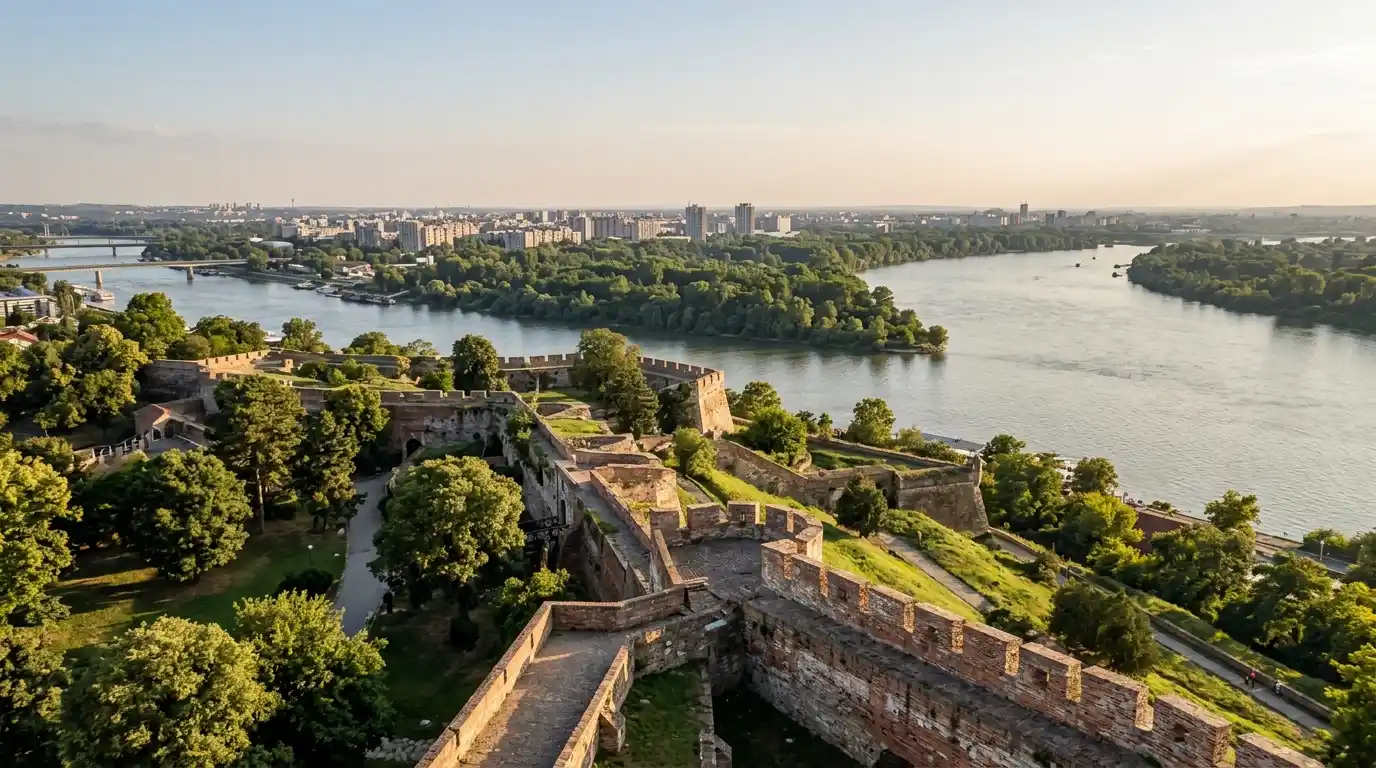
Belgrade things to do center on the fortress park above the river confluence, the pedestrian shopping street and floating clubs along the water. Visitors cover the main historic core on foot in one day and add museums or a river cruise on a second day. Public buses and trams have run free since 2025, which simplifies movement between districts.
What Are the Must See Places in Belgrade?
Belgrade Fortress and Kalemegdan Park sit on the ridge where the Sava meets the Danube. The site dates back roughly 2,000 years and holds a military museum, a Roman well, the Ružica Church with its bullet chandelier and open green space. Entry to the park itself is free. Walk the walls for views across both rivers. From Republic Square the walk takes about 15 minutes along Knez Mihailova Street. Similar compact historic centers appear in things to do in Edinburgh.
Knez Mihailova is the main pedestrian axis lined with 19th-century buildings, bookshops and cafés. Street performers appear most afternoons. Continue south to Skadarlija, the cobbled bohemian quarter. Traditional kafanas serve grilled meats and live music after 8 pm. The short street fills quickly on weekends. Compare the atmosphere with must do Rome old streets.
The Temple of Saint Sava in Vračar ranks among the largest Orthodox churches in the world. Its dome is visible from much of the city. Interior visits take 30 to 45 minutes. Nearby the Nikola Tesla Museum displays the inventor’s ashes in a golden sphere along with working models of his inventions. Museum tickets cost around 1,000 RSD for adults in 2026. Combine both stops with a short tram ride from the center. For more European capitals see must do Paris.
For a different angle visit Zemun on the far bank of the Danube. The Gardoš Tower offers a panorama back toward the fortress. A walk along the quay passes seafood restaurants and old Austro-Hungarian houses. The bus from central Belgrade takes about 25 minutes.
Where Should Visitors Eat and Drink in Belgrade?
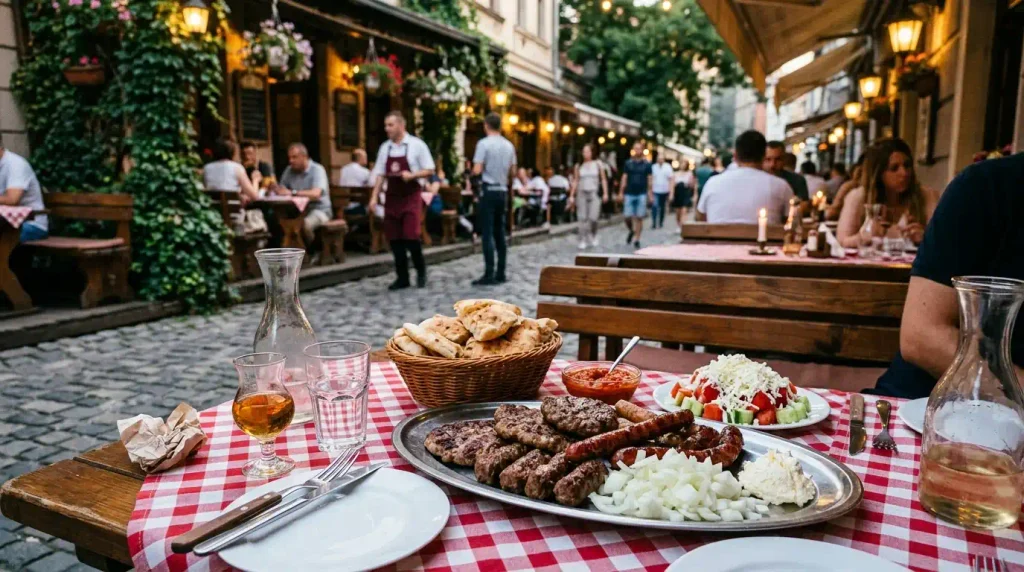
Serbian food highlights include pljeskavica, a large spiced burger patty, and ćevapi, grilled minced-meat sausages served with onion and kajmak. Loki near the center accepts cash only and sells pljeskavica for roughly 800 RSD. To Je To serves ćevapi at similar prices. Burek, a flaky pastry filled with meat or cheese, appears at Pekara Čarli early in the morning for about 200 RSD. Food-focused stops also appear in best foods in Singapore guides.
Stara Carinarnica occupies an old customs house by the river and focuses on freshwater fish such as catfish and carp. Reservations help on Friday and Saturday evenings. Rakia Bar stocks more than 100 varieties of the local fruit brandy. A small glass costs 300 to 500 RSD. Kafeterija combines coffee, a small shop and a kids’ area for daytime stops.
Floating restaurants and clubs called splavovi line both rivers. Daytime versions serve lunch with water views. After dark many turn into nightclubs with music until 3 am or later. Entry is often free before 11 pm. Dress codes stay casual. Check weather because strong wind can cancel some outdoor decks.
How Does a Visitor Move Around Belgrade?
The historic center stays walkable. From Belgrade Fortress to Skadarlija measures about 1.2 miles. Free public transport since 2025 covers buses, trams and trolleybuses. Buy a paper ticket or use the app for longer rides if needed, though most visitors stay within the free zone. Taxis and ride-share apps cost 400 to 800 RSD for a 10-minute trip in the center. Avoid unmarked cars. Similar free or cheap transit appears in things to do in Seattle.
Day trips leave from the main bus station. Novi Sad sits 50 miles north and the bus takes about 1 hour 20 minutes. Tickets run around 800 RSD one way. Avala Tower stands 11 miles south of the city center. A taxi takes 25 minutes and costs roughly 1,500 RSD. The tower offers an observation deck when open.
What Outdoor and River Activities Exist Near the Center?
Ada Ciganlija is a river island park with a long sandy beach, pedal boats and sports courts. The bridge from the center takes 10 minutes by bus or taxi. Summer weekends draw large local crowds. Entry to the beach area is free. Nearby the Sava and Danube confluence supports short boat tours that last 60 to 90 minutes and cost 1,500 to 2,500 RSD per person. River and park combinations also appear in Columbia River Gorge itinerary.
Kayak rentals appear at a few riverside points in warm months. Guided tours cover 3 to 5 miles of calm water. The military museum inside the fortress park explains the city’s layered history with indoor exhibits that stay open year-round. Hours run 10 am to 5 pm most days.
Which Museums and Historic Sites Add Context?
The Museum of Yugoslavia holds Tito’s mausoleum and related exhibits. It sits about 2 miles south of the center. A bus or taxi reaches it in 15 minutes. Tickets cost around 400 RSD. The Residence of Princess Ljubica near the fortress preserves 19th-century interiors and charges a small fee. St. Mark’s Church in Tašmajdan Park contains the tombs of Serbian rulers and stays open for visitors during daytime hours. Historic sites appear in many must do St Louis lists as well.
The Western City Gate, a pair of linked skyscrapers, appears in many skyline photos. The ruins of the former Yugoslav Army Headquarters remain visible near the center as a reminder of 1990s events. Both sites are free to view from the street. Plan indoor museum time for midday when outdoor light is strongest.
How Should a First-Time Visitor Plan Two Days?
Day one starts at Republic Square, walks Knez Mihailova to the fortress, then moves to Skadarlija for dinner. Day two covers Saint Sava, the Tesla Museum and either Ada Ciganlija or a river cruise. Add Zemun on a third morning if time allows. Most major sites close by 5 or 6 pm. Evening activity shifts to cafés and splavovi. Book popular restaurants one day ahead in peak season from May to September. Weekend planning tips also appear for Boston must do visits.
Accommodation clusters near the center or in Vračar. Mid-range hotels run 8,000 to 15,000 RSD per night in 2026 shoulder season. Hostels sit closer to 3,000 RSD. The Nikola Tesla Airport lies 12 miles west. An airport bus or taxi takes 30 to 40 minutes depending on traffic. Hotel choices compare with options in Vancouver where to stay guides.
Final Thoughts
Belgrade rewards visitors who mix fortress views, local grilled food and river evenings. The free public transport and compact center keep logistics simple. Start with the fortress and Skadarlija on the first day, then add one museum and a river stop. Check current opening hours online before you leave the hotel each morning.
FAQs
Belgrade things to do
The main activities include walking Belgrade Fortress and Kalemegdan Park, strolling Knez Mihailova Street, visiting Skadarlija for dinner and music, seeing the Temple of Saint Sava and the Nikola Tesla Museum, and spending an evening on a riverside splav. Most visitors cover the core sights on foot within one or two days.
Is Belgrade safe for tourists in 2026?
The central areas used by visitors stay busy and well lit into the evening. Standard city precautions apply after dark. Public transport remains free and reliable for daytime movement. Most reported issues involve pickpockets in crowded pedestrian zones rather than violent crime.
How many days do visitors need in Belgrade?
Two full days cover the fortress, main streets, two museums and one river activity. A third day allows Zemun, Avala Tower or a day trip to Novi Sad. Many travelers combine Belgrade with other Balkan stops and stay only one night.
What is the best time to visit Belgrade?
May through September brings the warmest weather and longest days for outdoor fortress walks and river activities. July and August see the highest temperatures and largest crowds. Shoulder months of April and October offer milder conditions and lower hotel rates.
How much does food cost in Belgrade?
A casual pljeskavica or ćevapi meal runs 700 to 1,200 RSD. Restaurant dinners with drinks often reach 2,000 to 3,500 RSD per person. Coffee costs 200 to 350 RSD. Street burek and bakery items stay under 300 RSD.
Can visitors use public transport for free?
Yes. Buses, trams and trolleybuses have operated without fares since 2025. Most tourist movement stays inside the free network. Longer rides outside the center may still require a ticket purchased from a kiosk or the official app.
What should visitors know about cash in Belgrade?
Many traditional kafanas and street vendors accept cash only. Cards work at larger restaurants, hotels and museums. ATMs appear throughout the center and dispense Serbian dinars. Carry small notes for taxis and tips.
Are there good day trips from Belgrade?
Novi Sad lies 50 miles north and takes about 1 hour 20 minutes by bus. Avala Tower sits 11 miles south. Both return the same day. Organized tours also cover nearby monasteries in the Fruška Gora hills.
What is the currency and how do cards work?
Serbia uses the Serbian dinar (RSD). One euro buys roughly 117 RSD in 2026. Major cards function at hotels and chain stores. Smaller places prefer cash. Exchange offices in the center offer better rates than the airport.
Is Belgrade good for a weekend trip?
Yes. The compact center and free transport let visitors see the fortress, main streets and one museum in a single weekend. Evening river clubs add a distinct local atmosphere. Direct flights reach the city from many European hubs.


