
Best Road Trip Routes in Europe: A Complete 2026 Guide
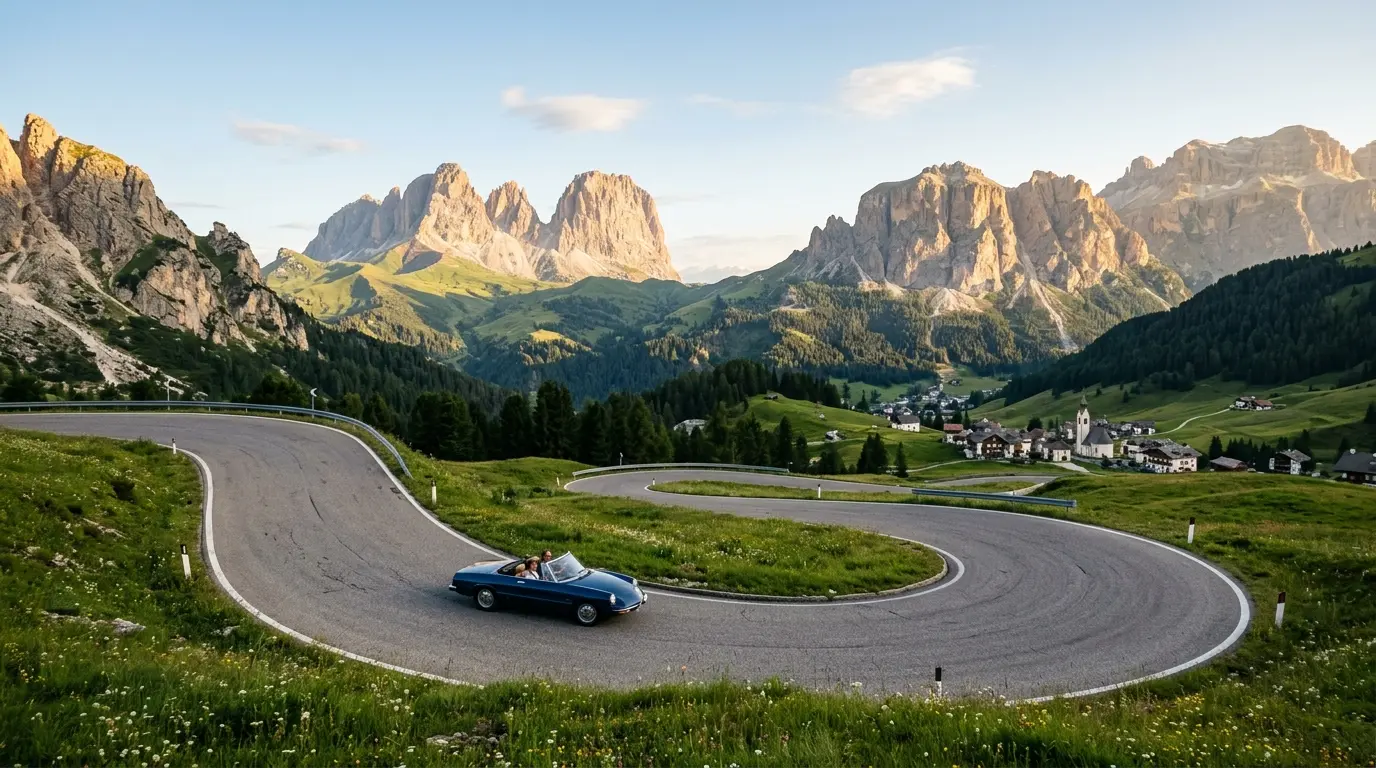
The best road trip routes in Europe mix manageable driving distances with real variety, from Germany’s Romantic Road to Scotland‘s North Coast 500 and Iceland‘s Ring Road. Each route delivers castles, coastlines, or mountain passes without requiring you to leave the continent. Planning one can feel overwhelming once you start comparing dozens of options that all promise to be the best.
What Is the Best Country for a Road Trip in Europe?
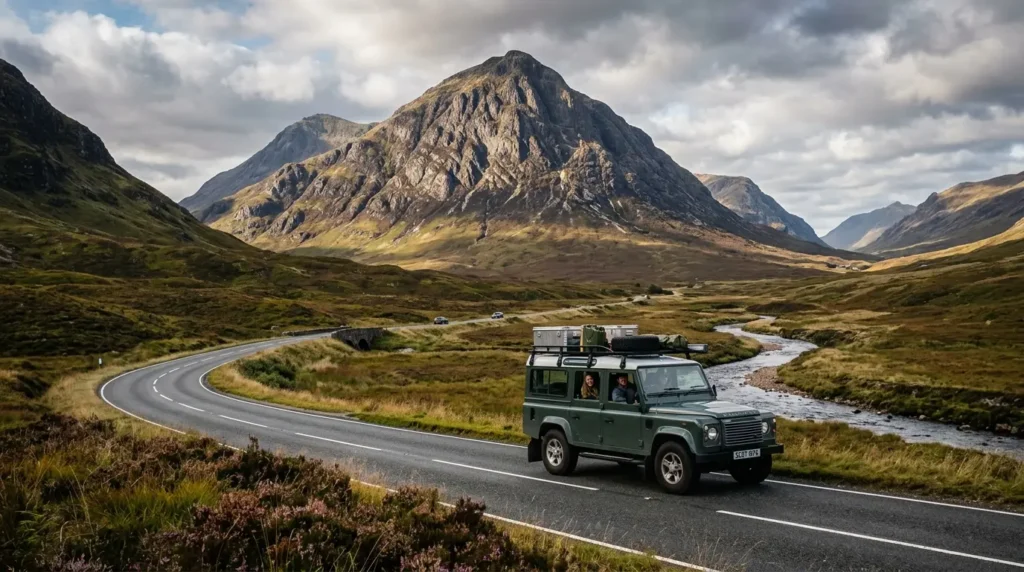
Iceland, Scotland, and Montenegro consistently rank among the best countries for a European road trip. Each one offers dramatic scenery, manageable driving distances, and roads that work for both new and experienced drivers. Iceland’s Ring Road wraps the entire island in 1,333 kilometers of paved, all season access to waterfalls and glaciers. Scotland’s Highlands pack lochs, castle ruins, and single track roads into a compact northern loop. Montenegro rewards drivers with dramatic coastline in Kotor Bay and mountain roads near the Albanian border, all at a fraction of the cost of Western Europe.
How Much Does a European Road Trip Cost in 2026?
Budgeting for a European road trip depends heavily on fuel prices, tolls, and the region you choose, but a realistic mid range daily budget runs between 100 and 180 euros for two people, covering fuel, one toll road, a mid range hotel, and meals.
| Cost Category | Typical Range | Notes |
| Car rental | 30 to 70 euros per day | Higher for SUVs or automatic transmission |
| Fuel | 1.60 to 2.10 euros per liter | Norway and Iceland run higher than Southern Europe |
| Vignette or toll | 10 to 90 euros per country | Depends on trip length and country |
| Accommodation | 70 to 150 euros per night | Mid range hotel or guesthouse |
| Insurance | 5 to 20 euros per day | Green Card coverage costs more outside Schengen |
Fuel is usually the biggest surprise for first time road trippers. A week long trip covering 1,000 kilometers in a standard car can easily run 150 to 200 euros in fuel alone once you factor in mountain routes and detours. Booking your car rental early, especially through a comparison platform, consistently brings better rates than booking directly with a single provider close to your travel date.
Do I Need an International Driving Permit to Drive in Europe?
Most travelers from the US, Canada, and Australia can drive in the EU using their home license, but an International Driving Permit adds a layer of protection and is often required outside the EU. Spain, Italy, Portugal, and Iceland are known for requesting an IDP alongside a national license, especially if that license is not printed in English or Roman script. Rental companies in Iceland regularly ask for one when picking up a car or motorhome, and getting turned away at the counter is a common and entirely avoidable first timer mistake. An IDP costs a small fee and takes about a week to process through a local motor authority, so apply for one before you fly rather than assuming your regular license will always be enough.
What Is a Vignette and Which Countries Require One?
A vignette is a toll sticker or digital permit that allows a car to use motorways in certain European countries, and it works differently from the pay per kilometer toll systems used elsewhere.
| Country | System | Approx Cost |
| Austria | Vignette (sticker or digital) | 10 days around 10 euros |
| Switzerland | Vignette (sticker) | Around 40 euros, valid one year |
| Slovenia | Vignette (digital) | 7 days around 16 euros |
| Czech Republic | Vignette (digital) | 10 days around 20 euros |
| France, Italy, Spain | Pay per kilometer tolls | Varies by distance driven |
| Portugal, Norway | Electronic toll, billed automatically | Varies by route |
Mixing up these systems is one of the most common and expensive mistakes on a multi country road trip. Driving through Austria or Switzerland without a valid vignette can trigger an automated fine that arrives weeks later, often higher than the sticker itself would have cost. Always check whether your route needs a vignette before crossing a new border, not after.
What Are Low Emission Zones and How Do They Affect Road Trip Planning?
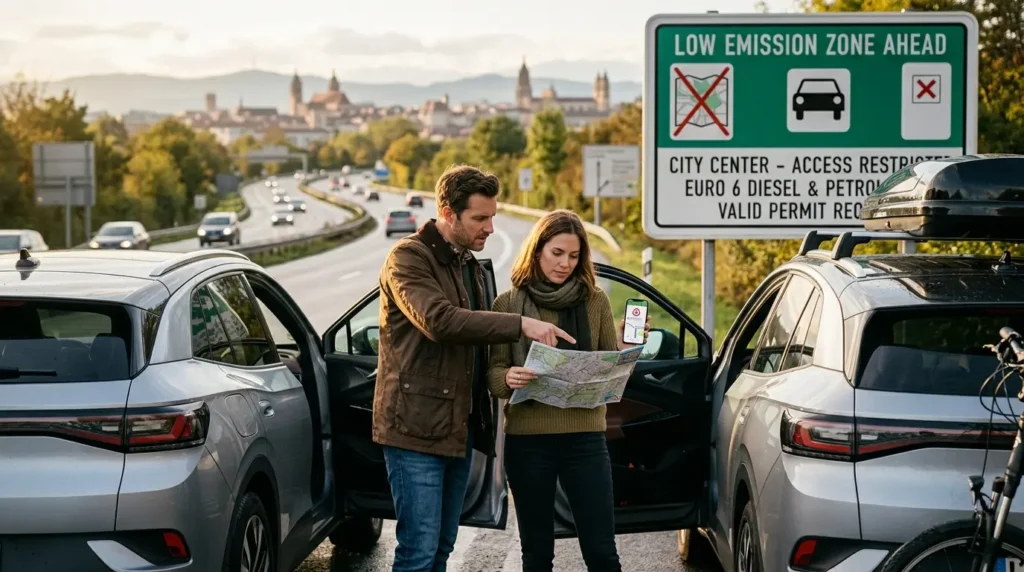
Low emission zones restrict which vehicles can enter certain city centers, and ignoring them is one of the easiest ways to rack up fines on a European road trip. Germany requires an Umweltzone sticker, purchased online in advance, to drive into cities like Munich or Berlin. France uses the Crit’Air sticker system for Paris, Lyon, and several other cities, with older diesel vehicles sometimes banned outright on high pollution days. Italy’s ZTL zones block non resident vehicles from historic centers in cities like Florence and Siena, and cameras issue fines automatically without any warning at the border. London’s Ultra Low Emission Zone charges older vehicles a daily fee just to enter the city.
The safest approach is to check every city on your route against its current low emission zone rules before you drive in, especially if you are renting an older diesel vehicle or a larger RV. Most rental companies can confirm whether their vehicles meet local emission standards if you ask directly.
What Are the Best Road Trip Routes in Europe by Region?
Each region rewards a different kind of driver, so picking a route often comes down to what kind of scenery and pace you want.
What Is the Best Road Trip Route in Germany?
The Romantic Road through southern Germany runs from Munich north through Bavaria, taking in Neuschwanstein Castle, the medieval walls of Rothenburg ob der Tauber, and the baroque Würzburg Residenz. Most travelers plan 7 to 9 days for the full route, with May through November considered the best window and autumn regularly cited as the most visually striking season, when the countryside turns gold. Roads are smooth and well signed, making this one of the easiest routes for first time European road trippers.
What Is the Best Road Trip Route in Scotland?
The North Coast 500 loops 516 miles from Inverness up the east coast, across the dramatic north, and back down the west through Torridon and Applecross. Travelers consistently find the Bealach na Bà pass, Scotland’s highest road, to be the highlight and the most nerve wracking stretch of the entire loop. Plan for 7 to 10 days rather than rushing it in 5, since the single track roads and unpredictable weather slow the pace considerably. Late May through August offers the longest daylight hours and the most reliable weather.
What Is the Best Road Trip Route in Iceland?
Iceland’s Ring Road circles the entire island in 1,333 kilometers, connecting the Golden Circle’s waterfalls and geothermal areas to the South Coast’s black sand beaches and glacier lagoons. Most visitors need at least 10 days to do the full loop without rushing, and the Jökulsárlón glacier lagoon looks completely different depending on season, with floating ice chunks visible mainly in winter rather than summer. Renting with unlimited mileage matters here since distances between stops add up fast, and the route is accessible year round for different reasons, summer for wildlife and long days, winter for the northern lights.
What Is the Best Coastal Road Trip in Europe?
The drive from Florence to Nice through the Cinque Terre and the French Riviera consistently ranks among the most indulgent coastal routes in Europe, combining historic cities with dramatic coastline over 10 to 12 days. One honest tip that saves a lot of frustration: never drive directly into Cinque Terre itself. Park outside the villages and take the local train between them, since the narrow coastal roads were never built for tourist traffic and driving in guarantees a standstill. Croatia’s Dalmatian Coast from Split to Dubrovnik offers a similar payoff with fewer driving headaches, best tackled in spring or autumn before the summer crowds arrive.
What Are the Best Off the Beaten Path Road Trips in Europe?
Serbia, North Macedonia, and the Albanian Riviera remain some of the least crowded road trip destinations in Europe, despite offering scenery that rivals better known routes. Serbia’s route from Belgrade to Niš passes the Kalemegdan Fortress and the surreal rock formations of Devil’s Town, a site that barely registers on most travelers’ radars. North Macedonia’s wine route through Tikveš pairs vineyard visits with a finish in Ohrid, a UNESCO listed lake town that regularly surprises first time visitors with how little tourism has changed it. These countries mean fewer amenities and rougher road surfaces in places, but also noticeably lower prices and none of the crowds found along the Adriatic or Mediterranean coasts.
Is It Cheaper to Rent a Car or an RV for a European Road Trip?
| Option | Daily Cost | Best For |
| Standard rental car | 30 to 70 euros | Cities, coastal routes, shorter trips |
| SUV | 50 to 100 euros | Mountain passes, gravel roads |
| Campervan or RV | 80 to 200 euros | Iceland, Norway, longer scenic routes |
A standard rental car works fine for routes centered on cities and coastlines, but mountain routes in Iceland, Norway, or Scotland often justify the extra cost of an SUV or campervan, since they skip nightly hotel bookings and handle rougher terrain more comfortably. RVs add convenience but also add fuel costs and driving difficulty in tight old town streets, so they suit remote, open routes better than a trip built around historic city centers.
Can I Cross Multiple Countries With One Rental Car?
Most rental agreements allow cross border driving within the EU, but always confirm this before signing, since some companies restrict it and charge significant fees for violations. Outside the Schengen zone, in countries like Albania, Montenegro, or Serbia, a Green Card proving valid insurance coverage is often required, and not every rental company automatically includes it. Ask specifically whether your insurance covers every country on your planned route, not just the country where you pick up the car, since gaps here cause real problems at border checkpoints.
When Is the Best Time for a European Road Trip?
| Season | Best For | Watch Out For |
| Summer | Long days, open mountain passes | Crowds, higher prices, limited wild camping |
| Autumn | Fewer tourists, dramatic foliage | Shorter daylight hours |
| Winter | Northern lights, snowy landscapes | Snow tires required, some roads closed |
| Spring | Blooming countryside, southern routes | Mountain passes may still be closed |
Summer offers the most reliable weather and the longest driving days, but it also means higher accommodation prices and crowded viewpoints along popular routes. Shoulder season, especially September and October, consistently offers the best balance of good weather and thinner crowds across most of Europe.
What Should You Pack for a European Road Trip?
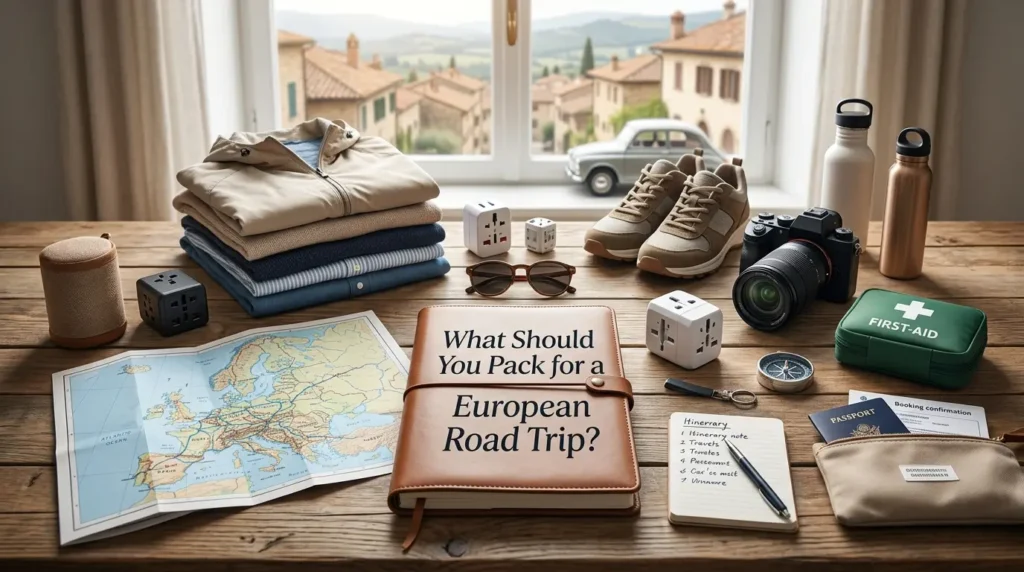
- Reflective vest, one per passenger, required by law in many countries
- Warning triangle, legally required almost everywhere
- Spare bulb kit, required in France, Spain, and parts of Italy
- Universal plug adapter and offline maps downloaded in advance
- Snow chains if traveling through mountains between October and April
Final Thoughts
Choosing between the best road trip routes in Europe really comes down to matching the route to your driving comfort and the pace you want. Budget realistically for fuel, tolls, and vignettes, confirm your insurance covers every border you plan to cross, and build in buffer days rather than packing the schedule too tight. Whether you pick Iceland’s Ring Road or Serbia’s quieter back roads, the right European road trip rewards drivers who plan ahead but stay flexible once they’re actually behind the wheel.
FAQs
Do I need winter tires for a European road trip?
Yes, in several countries between roughly November and March, including Germany, Austria, and Slovenia. Rental companies in these regions typically fit winter tires automatically during that window.
What is the alcohol limit for driving in Europe?
Most countries set the limit around 0.05 percent, stricter than the 0.08 percent common in the US, so even one drink can put you over the limit.
Do I need travel insurance for a road trip?
It is strongly recommended, especially for routes involving hiking or remote driving, since standard rental insurance rarely covers medical emergencies or trip interruptions.
How many days do I need for the North Coast 500?
Most travelers need 7 to 10 days to enjoy it properly, though 5 days is possible if you accept a faster pace with less time at each stop.
Can I do a Europe road trip without a car using ferries and trains?
Yes, routes like the Baltic capitals or Croatia’s islands work well by bus, train, and ferry, though you trade flexibility for a more fixed schedule.


