Bone Marrow Food: What It Is, Nutrition, and How to Eat It
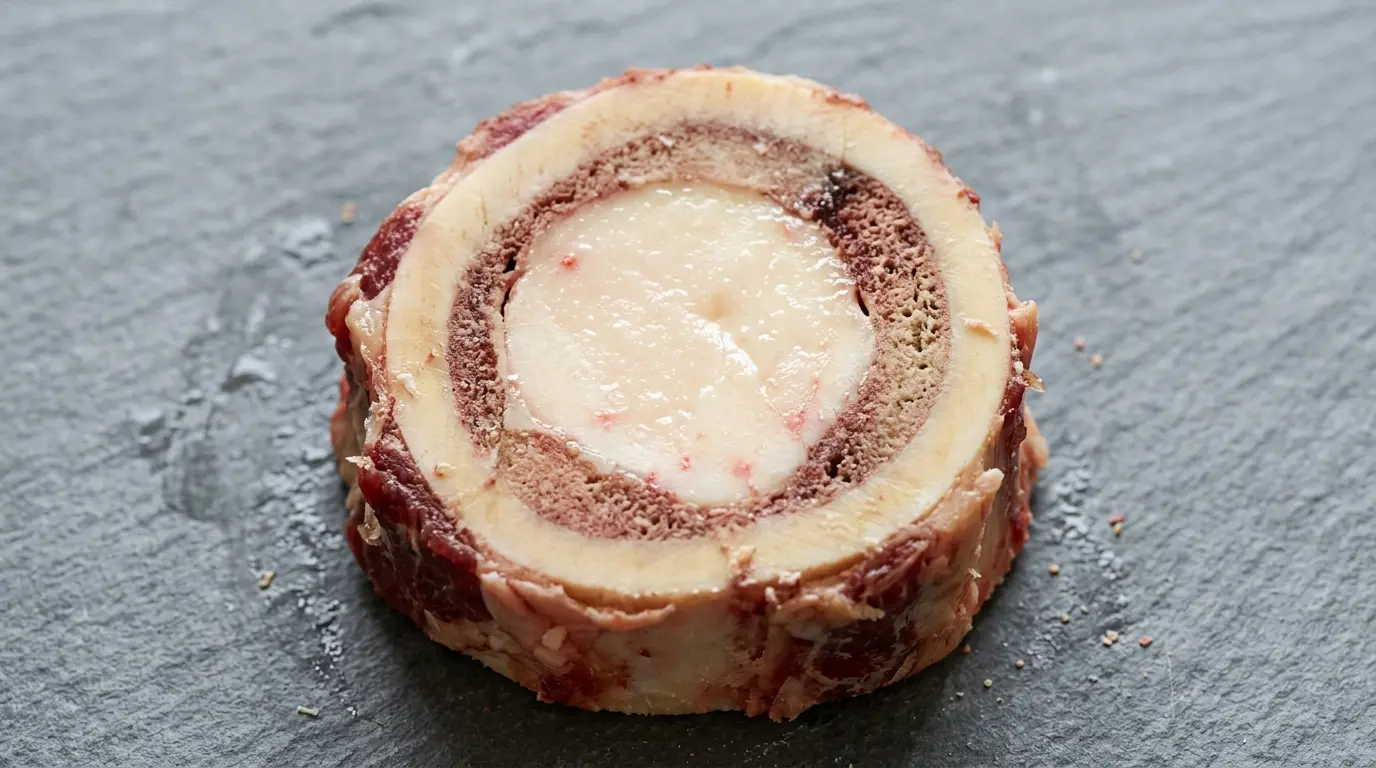
Bone marrow food is the soft fatty tissue inside animal bones, often roasted or used in broths. It offers rich flavor and nutrients like healthy fats and vitamin B12 in small servings.
What Is Bone Marrow
Bone marrow is the spongy tissue found in the center of bones, especially long bones from cattle, lambs, and similar animals. Yellow marrow, the type usually eaten, consists mostly of fat. It has a mild, slightly sweet taste and a creamy texture when cooked.
People have consumed bone marrow for thousands of years. Early humans cracked bones to reach the nutrient-dense center. Today it appears in restaurants as a main item or as the base for stocks and sauces. The tissue supports blood cell production in living animals, but the edible portion is primarily fat.
Nutrition Profile of Bone Marrow
A typical tablespoon of raw bone marrow contains about 110 calories, nearly all from fat, with roughly 12 grams of fat and 1 gram of protein. Larger portions reach higher numbers. One hundred grams can exceed 700 calories due to the high fat content.
It supplies vitamin B12, riboflavin, and small amounts of iron. Collagen-related amino acids such as glycine and proline are present. These compounds support connective tissue in the body. The fat includes some omega-3 fatty acids, though amounts stay modest compared with fatty fish.
Bone marrow is energy-dense. Small servings fit into balanced diets. Larger amounts add significant calories quickly.
Potential Benefits
The fats and amino acids in bone marrow may support joint comfort for some people. Glucosamine and related compounds appear in the tissue and surrounding cartilage. These are the same substances found in many joint supplements.
Vitamin B12 helps with energy metabolism and nerve function. People who eat little animal food sometimes fall short on this vitamin. Bone marrow provides a concentrated source in a small volume. The collagen precursors can contribute to skin and connective tissue maintenance when part of an overall protein-rich diet.
Evidence for specific health claims remains limited. Most benefits come from the overall nutrient density rather than any single compound. Including it occasionally adds variety without replacing other protein sources.
How Bone Marrow Is Prepared and Eaten
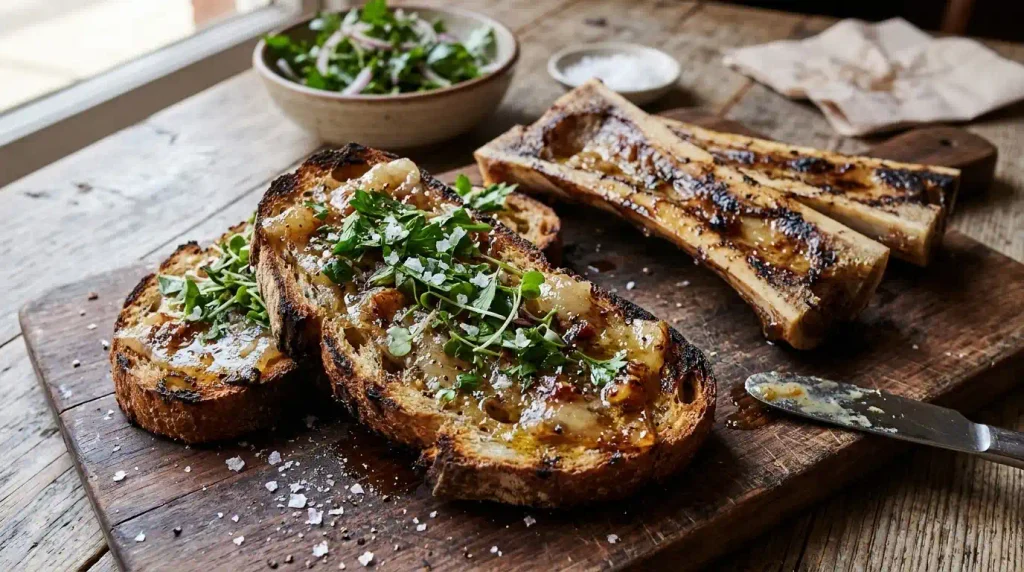
Roasting is the most common method. Bones are cut into sections, seasoned with salt, and cooked until the marrow softens and can be scooped out. It is often spread on toast or served with herbs and a simple salad.
Bone broths and stocks use marrow bones for depth of flavor. The slow simmer extracts collagen and fat into the liquid. Some cuisines feature marrow in stews or as a topping for pasta and risotto. In restaurants, a roasted bone with marrow is sometimes listed as a starter.
It pairs well with acidic elements such as lemon or vinegar to cut the richness. Bread, grilled vegetables, or a light salad balance the heavy texture. Portions stay small because of the high calorie content.
Where to Find Bone Marrow
Butcher shops and some grocery stores sell marrow bones, often labeled as soup bones or specifically for marrow. Specialty markets and online meat suppliers carry them year-round. Restaurants that focus on nose-to-tail cooking or Italian-inspired menus frequently feature roasted marrow.
Availability varies by region. In areas with strong grilling or braising traditions, bones appear more often. Ask the butcher to cut them into manageable sections for easier roasting at home.
Safety and Considerations
Bone marrow is high in fat and calories, so moderation matters for most people. Those watching saturated fat intake should limit portions. It is generally safe when cooked properly. Raw consumption exists in some traditional diets but is not recommended for everyone due to potential bacteria.
Quality depends on the animal’s diet and the source of the bones. Grass-fed or well-raised animals tend to produce better-tasting marrow. Store bones refrigerated or frozen until use. Cook thoroughly if roasting.
Related food topics include British foods that sometimes feature bone-based broths and Costa Rican food with its own slow-cooked traditions.
Comparing Bone Marrow to Other Foods
| Food | Calories per 100g | Primary Nutrient |
|---|---|---|
| Bone marrow | 700-850 | Fat, B12 |
| Beef liver | 135 | B12, iron |
| Salmon | 180 | Omega-3 |
Bone marrow stands out for calorie density and specific amino acids. It complements rather than replaces leaner proteins.
FAQs
What is bone marrow food?
Bone marrow food is the soft fatty tissue inside animal bones, commonly roasted or used in broth. It has a rich, creamy texture and mild sweet flavor.
Is bone marrow healthy?
It provides healthy fats, vitamin B12, and collagen-related compounds in small amounts. High calorie content means portion control is important for most diets.
How do you cook bone marrow?
Cut bones into sections, season, and roast until the marrow softens. Scoop it out and serve on toast or with herbs. It also works in slow-cooked broths.
What does bone marrow taste like?
It tastes mild and slightly sweet with a buttery texture. The flavor intensifies when roasted and pairs well with salt and acid.
Where can you buy bone marrow?
Butcher shops, some grocery stores, and specialty meat suppliers sell marrow bones. Restaurants that emphasize traditional cooking often serve it roasted.
Is bone marrow high in calories?
Yes. A tablespoon has about 110 calories, almost all from fat. One hundred grams can exceed 700 calories, so servings stay small.
Does bone marrow have protein?
It contains only about 1 gram of protein per tablespoon. The main value comes from fats and micronutrients rather than protein.
Can you eat bone marrow every day?
Small amounts fit into a varied diet for most people. Daily large portions add significant calories and saturated fat.
What animals is bone marrow from?
Common sources include cattle, lambs, and occasionally other animals such as caribou. Beef marrow is the most widely available.
How is bone marrow different from bone broth?
Bone broth simmers bones and marrow to extract flavor and collagen into liquid. Roasted marrow is eaten directly as a solid or spreadable food.
Is bone marrow suitable for low-carb diets?
Yes. It contains almost no carbohydrates and fits low-carb or keto approaches when portions are controlled.