
Budget for iceland trip: Realistic 2026 Cost Guide
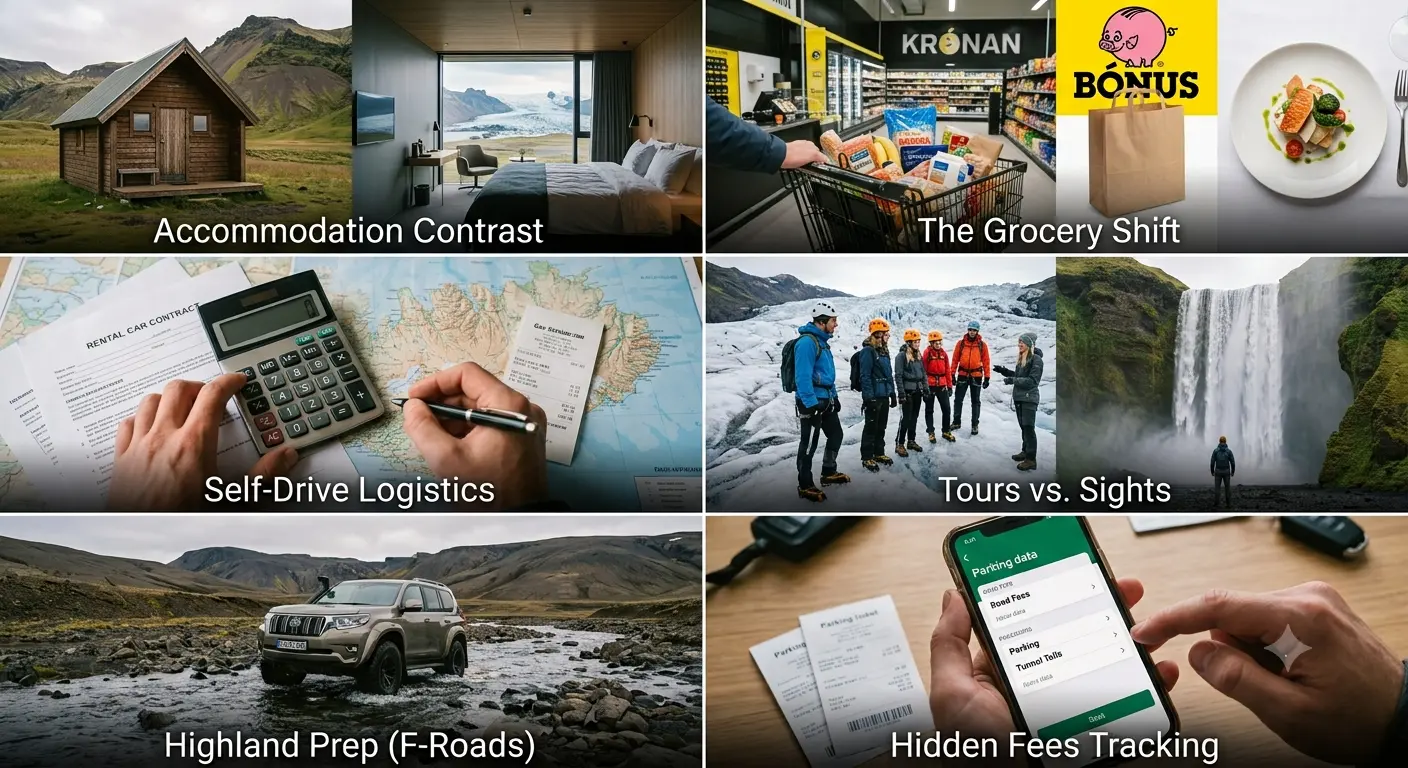
A realistic budget for iceland trip in 2026 depends on your season, route, travel style, and how much comfort you want. Most travelers should plan for high costs because hotels, rental cars, fuel, food, tours, parking, and road fees add up quickly. The good news is that Iceland still gives strong value if you plan smart.
What is a realistic Iceland trip cost in 2026?
A realistic Iceland trip cost starts with your travel style. Budget travelers can spend less by using hostels, campsites, groceries, and free natural attractions. Mid range travelers should expect higher daily costs because private rooms, rental cars, fuel, restaurants, and paid activities are expensive.
A real competitor trip example showed a 13 day Iceland road trip costing over $4,300 per person for two travelers sharing accommodation, car rental, and fuel. That was a peak summer trip with paid activities, restaurants, and a full road trip style.
Why is Iceland expensive for tourists?
Iceland costs more because it has a high cost of living, imports many goods, and has limited accommodation in rural areas. Prices also rise in summer because demand for hotels, rental cars, campervans, tours, and popular routes gets very strong.
The biggest budget pressure usually comes from accommodation, transport, food, and activities. Flights matter too, but once you arrive, daily spending can surprise first time visitors.
How much does Iceland cost per day?
Iceland can cost around $100 to $150 per day for a very tight budget traveler who camps, uses hostels, cooks groceries, and limits paid tours. A more realistic mid range trip often sits closer to $250 or more per day, especially with a rental car and private rooms.
Your daily cost drops when you split car rental, fuel, and rooms with another person. Solo travelers usually pay more per person because Iceland rewards shared costs.
What should a 2026 Iceland travel budget include?
Your Iceland travel budget should include flights, accommodation, transport, fuel, food, activities, parking, paid toilets, travel insurance, gear, baggage, and hidden road costs. Do not only budget for hotels and flights.
| Budget category | Main cost drivers |
| Flights | airfare, baggage, season, departure city |
| Accommodation | hotels, guesthouses, hostels, Airbnb, campsites |
| Transport | rental car, campervan, guided tours, 4×4 |
| Food | groceries, restaurants, cafes, gas station meals |
| Activities | Blue Lagoon, Sky Lagoon, whale watching, museums |
| Hidden costs | parking, toilets, tunnels, insurance, gear, road fees |
Your budget for iceland trip should include a cushion for weather changes, route changes, and price spikes. This matters more in winter and during major 2026 travel dates.
How does the 2026 kilometer fee affect self drive trips?
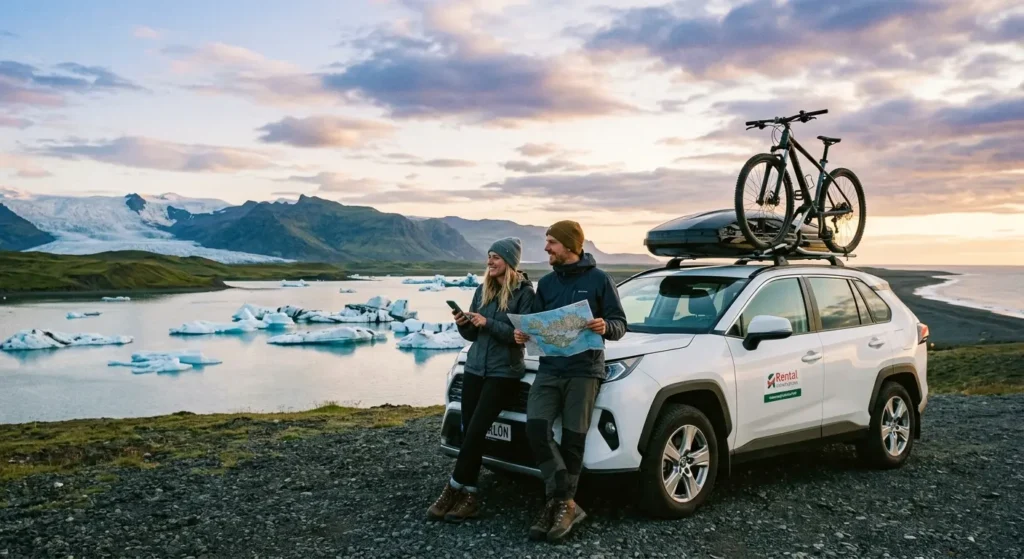
Iceland’s 2026 kilometer fee adds a new cost for self drive visitors. The official Iceland government site lists the fee at 6.95 ISK per kilometer for vehicles and SUVs up to 3.5 tonnes. This affects rental car and campervan budgets, especially on long routes.
Ring Road travelers should add a separate road fee line. If you drive Route 1, Snaefellsnes, the South Coast, Lake Myvatn, Húsavík, Akureyri, Egilsstadir, Höfn, Vík, and extra detours, fuel is not your only road cost anymore.
How much should you budget for 5, 7, 10, and 14 days?
Short trips cost less overall, but they can cost more per day because fixed costs do not spread as far. Longer trips give better value if you already rented a car, but they raise total hotel, fuel, food, and activity costs.
| Trip length | Best route style | Budget pressure |
| 5 days | Reykjavik, Golden Circle, South Coast | lower total cost |
| 7 days | South Coast, Snaefellsnes, Golden Circle | balanced choice |
| 10 days | short Ring Road or deeper south route | higher car and hotel cost |
| 14 days | full Ring Road with slower stops | highest total cost |
How much should I save for a 7 to 10 day Iceland trip?
For a 7 to 10 day Iceland trip, save enough for lodging, transport, fuel, groceries, a few restaurants, parking, road fees, and paid experiences. Couples can reduce per person costs by sharing rooms, rental cars, and fuel.
A careful traveler can keep costs down by choosing guesthouses, shared bathrooms, grocery meals, free waterfalls, and local swimming pools. A traveler who wants private hotels, restaurants, a 4×4, Blue Lagoon, and guided tours needs a much larger budget.
Is $150 per day enough for Iceland?
$150 per day can work only if major expenses are already paid or you travel very carefully. It becomes easier with hostels, camping, groceries, local pools, free attractions, and limited paid activities.
It becomes tight if you need hotels, restaurants, car rental, fuel, parking, premium lagoons, museums, or guided tours. For many visitors, $150 per day feels more like a strict savings plan than a comfortable trip.
What is the cheapest way to travel around Iceland?
The cheapest practical choice depends on your route. Guided tours can be cheaper for a short Reykjavik stay because you skip car rental, fuel, parking, insurance, and road fees. A shared rental car works better for flexible South Coast or Ring Road travel.
| Option | Best for | Budget warning |
| Rental car | freedom, Ring Road, couples | fuel, insurance, road fee |
| Campervan | flexible camping | campsites, weather, fuel |
| Guided tours | short Reykjavik base trips | less freedom |
| Public transport | city travel | weak for nature routes |
| 4×4 | F roads and highlands | much higher rental cost |
Is a campervan cheaper than hotels in Iceland?
A campervan can reduce hotel costs, but it does not remove overnight costs. You still pay for campervan rental, fuel, insurance, campsites, showers, bedding, and sometimes cooking equipment.
Visit Iceland says camping options exist for different budgets and preferences, including motorhomes, campervans, tents, and glamping. That makes camping useful, but it is not always the cheapest choice once all extras are included.
How can you reduce food costs in Iceland?
Reduce food costs by using grocery stores, booking stays with kitchens, choosing breakfast included, packing lunches, and limiting alcohol. Self catering usually saves more money than skipping one small attraction.
Restaurants and cafes add up fast. Gas station hot dogs, simple bakery items, yogurt, bread, fruit, pasta, soup, and packed sandwiches can keep daily food spending under control.
Is eating out expensive in Iceland?
Yes, eating out in Iceland is expensive for many visitors. Restaurant meals, coffee stops, snacks, and alcohol can turn a normal travel day into a costly one.
The smart approach is balance. Cook breakfast, pack lunch, and choose one restaurant meal when it feels worth it. This keeps the trip enjoyable without turning every meal into a budget problem.
What Iceland activities are worth paying for?
Paid activities are worth it when they give access you cannot get alone. Whale watching in Húsavík, horseback riding, guided glacier activities, RIB boat tours, and some thermal baths can be worth the cost.
| Worth paying for | Free or cheaper alternative |
| Whale watching | coastal viewpoints |
| Horseback riding | scenic hikes |
| RIB boat tour | free harbor walks |
| Sky Lagoon or Blue Lagoon | local swimming pools |
| Guided glacier activity | glacier lagoon viewpoints |
Are free attractions enough for an Iceland trip?
Yes, free attractions can fill most of an Iceland itinerary. You can visit waterfalls, canyons, black sand beaches, glacier lagoons, lava fields, churches, viewpoints, and hiking areas without paying high tour prices.
Popular free or low cost stops include Skógafoss, Seljalandsfoss, Goðafoss, Dettifoss, Jökulsárlón, Diamond Beach, Reynisfjara Beach, Fjaðrárgljúfur Canyon, Stuðlagil Canyon, Dimmuborgir Lava Field, and Seydisfjördur Rainbow Street. Parking may still cost money at some sites.
When is Iceland cheapest to visit?
Iceland is usually cheaper outside the summer high season. Summer gives better road access, longer daylight, more tours, and easier weather, but hotels and car rental often cost more.
Winter can be cheaper and good for northern lights, but it brings short daylight, storms, icy roads, and possible closures. Shoulder months like April, May, September, and October can offer a better price and comfort balance.
Should budget travelers avoid Iceland in August 2026?
Budget travelers should be careful with August 2026 because Iceland will be on the total solar eclipse path on August 12. Visit Iceland promotes the event, and NASA confirms the eclipse path crosses Iceland. Higher demand may affect accommodation, rentals, tours, and popular western regions.
Book very early if you want that date. Choose another month if your main goal is keeping costs low.
Can you visit Iceland on a budget?
Yes, you can visit Iceland on a budget if you accept trade offs. Use hostels, campsites, groceries, free natural sites, shared transport, carry on luggage, and fewer paid tours.
A strong budget for iceland trip is not about skipping everything. It is about spending where it matters, then cutting costs where the experience does not change much.
How much cash do you need in Iceland?
Most travelers need little cash because Iceland widely accepts cards and mobile payments. A credit card or debit card works for most hotels, fuel, restaurants, parking, toilets, and shops.
Still, carry a small backup amount for rare cases. The bigger issue is not cash access. It is tracking your spending before small payments stack up.
Is Iceland worth the cost?
Iceland is worth the cost if you love waterfalls, glaciers, hot springs, volcanoes, road trips, black sand beaches, northern lights, midnight sun, and unusual outdoor views. It feels expensive, but many top experiences are free once you pay for transport and lodging.
It may not feel worth it if you want cheap restaurants, low hotel prices, and a relaxed city break. Iceland works best when nature is the main reason for the trip.
What is the smartest way to plan your Iceland costs?
Start with season, trip length, route, and travel style. Then price accommodation, transport, fuel, food, activities, and hidden costs separately.
Use a simple spreadsheet or budgeting app. Add a 10 to 20 percent cushion because weather, route changes, road fees, parking, and gear can increase costs. For shared trips, agree early on hotel comfort, activity spending, and food style.
Final takeaway
For a smart budget for iceland trip, decide your route before you book anything. A Reykjavik and South Coast trip can stay more manageable, while a Ring Road trip needs more money for lodging, fuel, road fees, and time. Spend on the experiences you care about most, then use groceries, free sights, shared transport, and local pools to control the rest.


