
How to Get to Katmai National Park: Complete Travel Guide
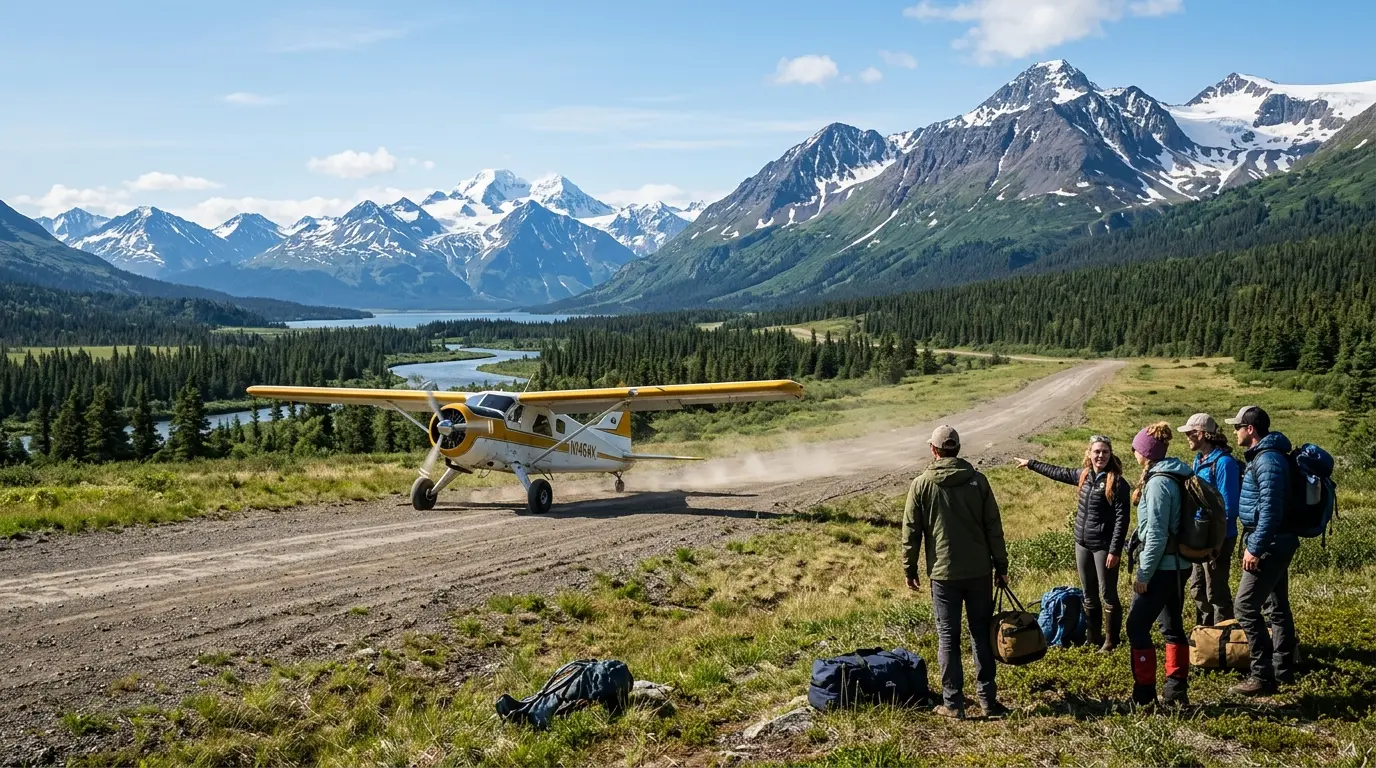
Getting to Katmai National Park requires a floatplane or boat, since no roads lead into this remote Alaska wilderness. Most travelers fly from Anchorage to King Salmon, then connect by air or water to Brooks Camp, where the park’s famous bears gather along the river.
That lack of road access is exactly what makes trip planning here feel overwhelming at first. Between flight connections, weather delays, and a campground that sells out in minutes, figuring out how to get to Katmai National Park takes more legwork than a typical national park visit. Here’s what actually happens at each step.
Where Is Katmai National Park Located?
Katmai National Park sits on the Alaska Peninsula, roughly 290 miles southwest of Anchorage, with no roads connecting it to the rest of the state. The park’s hub, Brooks Camp, sits on the shore of Naknek Lake near the small village of King Salmon, and reaching it means flying or boating in.
Can You Drive to Katmai National Park?
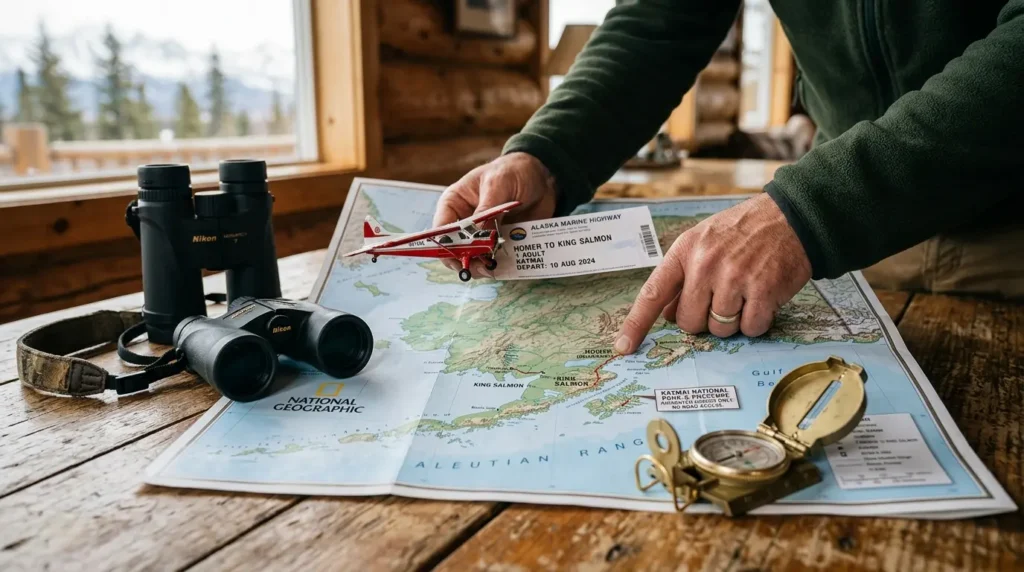
No, Katmai National Park has zero road access. Every visitor arrives by floatplane, small aircraft, or boat, which is a major reason the park stays so undeveloped and wild compared to places like Denali or Yellowstone.
How Do You Get to Katmai National Park?
Most visitors fly Alaska Airlines from Anchorage to King Salmon, a flight that takes about an hour, then connect to Brooks Camp by floatplane with Katmai Air or by water taxi across Naknek Lake. Some travelers skip the King Salmon layover entirely and book a direct floatplane charter from Anchorage, Homer, or Kodiak straight to Brooks Camp.
This two step journey confuses a lot of first time visitors, so it helps to break it down clearly. Step one gets you to King Salmon, the small village that serves as the park’s gateway. Step two covers the final short hop across the water to Brooks Camp itself.
Floatplane vs Water Taxi to Brooks Camp
| Option | Time | Typical Cost | Notes |
| Floatplane (Katmai Air) | About 30 minutes | Around 500 dollars round trip | Faster, scenic, 50 lb baggage limit |
| Water Taxi (Katmai Water Taxi) | About 45 minutes | Around 175 to 350 dollars per person | Slower, no strict weight limit, fewer runs per day |
Both options depend heavily on weather. Fog is the real culprit here, not storms, and it can ground floatplanes for hours or entire days even when the forecast looks fine on paper.
How Do You Get to Brooks Camp From King Salmon?
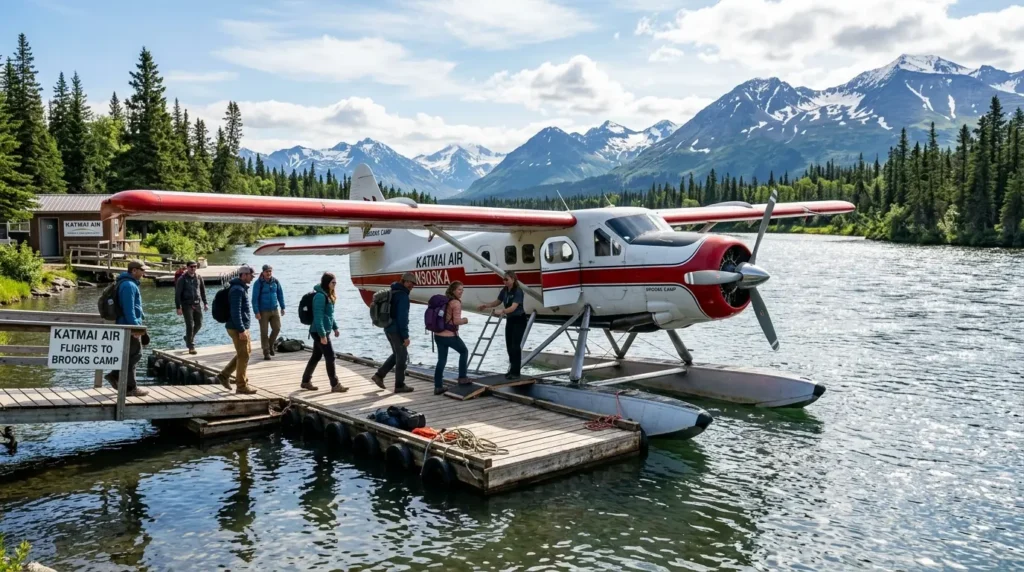
From King Salmon, travelers take either a roughly 30 minute floatplane flight with Katmai Air, priced around 500 dollars round trip per person, or a 45 minute water taxi crossing on Naknek Lake, generally a bit cheaper but slower and just as weather dependent. Katmai Air runs multiple flights daily throughout the summer season, typically June through mid September, and weighs your bags on the spot since the limit sits at 50 pounds per person.
A common mistake first timers make is assuming the water taxi is the safer backup option because it doesn’t fly. In practice it cancels almost as often as the floatplane during heavy fog, so travelers consistently find that booking either option still means building in some flexibility.
How Much Does It Cost to Get to Katmai National Park?
Total transportation costs from Anchorage typically run 850 to 1,000 dollars per person round trip, covering the flight to King Salmon plus the floatplane or water taxi connection to Brooks Camp. That number climbs fast once lodging, meals, and activities enter the picture, which is why Katmai consistently ranks among the more expensive national parks to visit in the United States.
Katmai National Park Transportation and Trip Costs
| Item | Cost (2026) |
| Anchorage to King Salmon flight (round trip) | 350 to 500 dollars per person |
| King Salmon to Brooks Camp floatplane (round trip) | Around 500 dollars per person |
| King Salmon to Brooks Camp water taxi (one way) | Around 175 dollars per person |
| Brooks Camp Campground | 18 dollars per person per night, peak season |
| Brooks Lodge cabin | Around 1,125 to 1,150 dollars per night |
| Meals at the lodge | 25 to 45 dollars per meal |
| Park entrance | Free |
Expect to pay around 850 to 1,000 dollars just to get yourself to Brooks Camp and back from Anchorage. Add a few nights of camping and lodge meals, and a modest 3 day trip easily lands in the 1,200 to 1,600 dollar range per person, before flights into Anchorage itself.
Can You Visit Katmai National Park From Homer or Kodiak Instead of Anchorage?
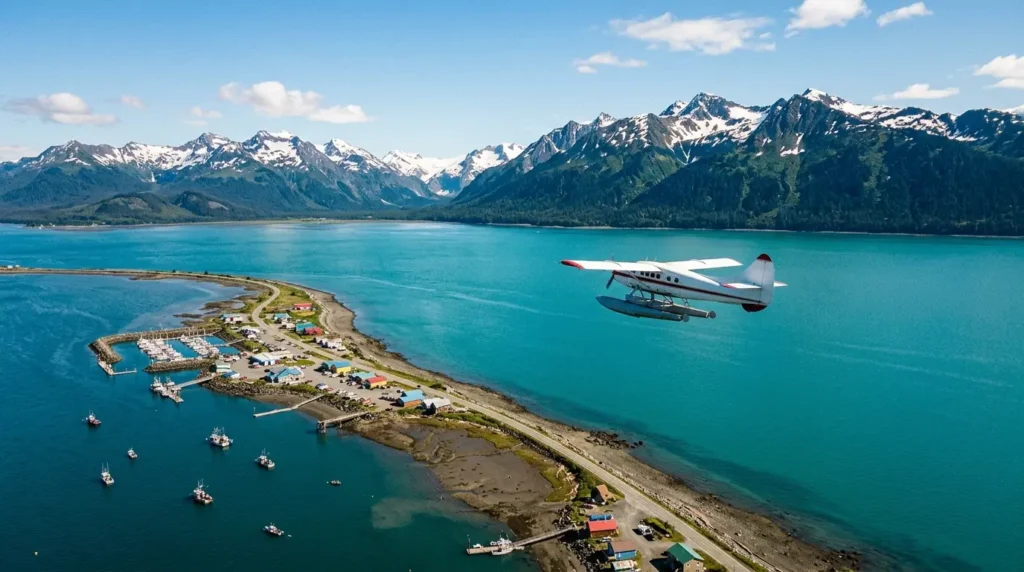
Yes, several operators run direct floatplane day trips to Katmai from Homer and Kodiak, which works well for travelers already based on the Kenai Peninsula or Kodiak Island. These flights often reach different, less crowded corners of the park than the standard Anchorage to King Salmon route, sometimes touching down closer to coastal bear viewing areas like Hallo Bay rather than Brooks Camp itself.
Homer based trips also tend to pair naturally with whale watching, since Kachemak Bay sits along the flight path and pilots often point out marine wildlife on the way in. Day trips from Homer generally run somewhat less than the Anchorage equivalent, since the flight distance is shorter.
Is It Better to Do a Day Trip or Stay Overnight at Katmai National Park?
A day trip works well for travelers on a tighter budget or schedule, while staying overnight at Brooks Camp meaningfully increases your bear sighting odds and gives access to Brooks Falls during the quieter early morning and evening hours after day trippers clear out. There’s no wrong answer here, it really comes down to what you’re optimizing for.
Day Trip vs Overnight at Brooks Camp
| Factor | Day Trip | Overnight Stay |
| Cost | Lower, one time flight cost | Higher, adds lodging and extra flights |
| Bear viewing time | A few hours, midday crowds | Multiple days, quiet early/late windows |
| Booking difficulty | Easier, book weeks ahead | Harder, lottery or fast reservation window |
| Weather risk | Trip lost if cancelled | Buffer days possible |
| Best for | Budget travelers, tight itineraries | Serious bear watchers, photographers |
Locals recommend the overnight route for anyone who genuinely wants to see bears fishing rather than just checking the park off a list. Day trippers get priority behind overnight guests when flights are limited by weather, so a cancelled day trip often means losing the whole visit rather than just losing a few hours.
How Do You Book a Campsite at Brooks Camp?
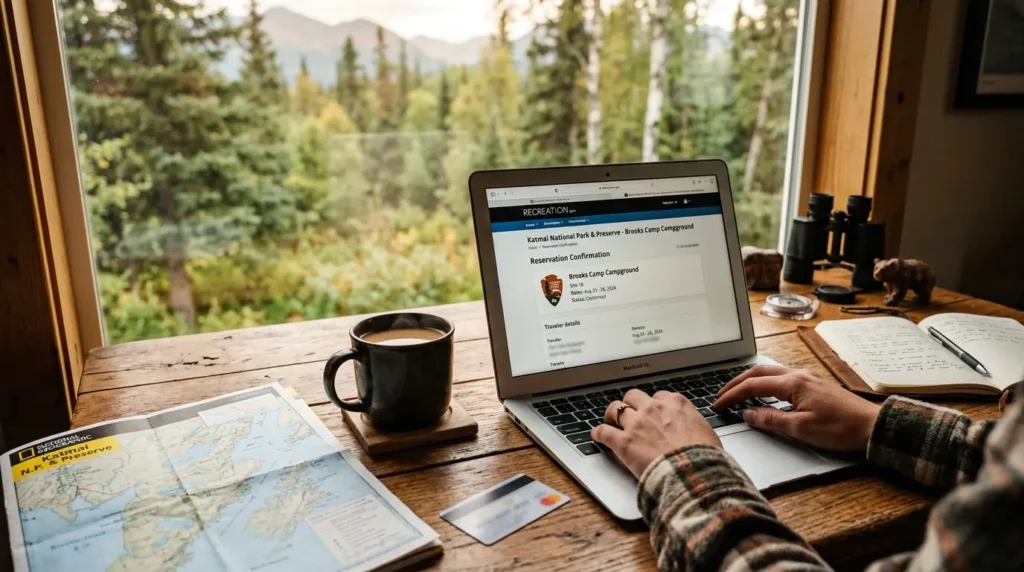
Brooks Camp Campground reservations open in early January on Recreation.gov and typically sell out within minutes for peak July dates. Booking rewards speed over research, so travelers consistently find that having your preferred dates, group size, and account already set up before the release window opens makes the biggest difference.
A few practical tips help here. Create your Recreation.gov account weeks in advance so you’re not fumbling through account setup when the window opens. Have two or three backup date ranges ready, since your first choice for peak July will likely vanish within the first minute. Some travelers even split the task across multiple people in their group logging in simultaneously to improve their odds.
Campsite fees run 18 dollars per person per night during peak season, June through mid September, dropping to around 10 dollars per person per night in the May and late September shoulder windows when services are more limited.
How Do You Win the Brooks Lodge Lottery?
The Brooks Lodge cabin lottery opens each December and awards spots roughly a year or more in advance, with selected applicants contacted directly by Katmailand, the park’s concessionaire. There are only 16 cabins total, each sleeping up to four guests, so demand far outpaces supply every single season.
Persistent travelers sometimes call directly to ask about last minute cancellations, though this takes real effort with no guaranteed payoff. If the lottery and cancellation route both fail, camping at Brooks Camp Campground remains the far more attainable way to sleep inside the park.
What’s the Best Time to See Bears in Katmai National Park?
Peak bear viewing runs from early to mid July, when the sockeye salmon run brings dozens of bears to Brooks Falls to catch fish leaping upstream. A second strong window opens in September, when spawning salmon die off downstream and bears feast before winter. June tends to have fewer bears since the run hasn’t fully started, and August often brings a noticeable lull between the two peaks.
Katmai Bear Viewing by Month
| Month | Bear Activity | Notes |
| June | Building, run may not have started | Drier weather, fewer bears |
| July | Peak, up to 20 to 40 bears at falls | Busiest month, longest platform waits |
| August | Lull, run typically finished | Bears scatter to find other food |
| September | Second peak, spawning and dying salmon | Fewer crowds, cooler weather |
Most visitors say the best time to go is mid July if bear numbers matter most, but travelers who prioritize quieter trails and fewer crowds at the viewing platform often prefer September instead, accepting slightly cooler weather in exchange.
When Is Fat Bear Week and Is It Worth Visiting Then?
Fat Bear Week takes place in early October, celebrating the park’s bears after a summer of heavy feeding, but by this point most Brooks Camp services, the lodge, and regular flights have already shut down for the season. Visiting specifically for Fat Bear Week in person isn’t realistic for most travelers, though the online voting competition run by explore.org is genuinely worth following remotely if you love the bears you saw earlier in the summer.
What Happens If Your Flight to Katmai Gets Cancelled Due to Weather?
Fog and wind regularly delay or cancel floatplane and water taxi departures, and day trippers get lower priority than campground or lodge guests when flights are limited. This isn’t a rare edge case, it’s a normal part of visiting Katmai that experienced travelers plan around rather than hope to avoid.
Building in buffer days before and after your trip is the single most effective way to protect against a lost visit. Trip insurance that specifically covers weather delays is also worth the extra cost here, since most lodges and flight operators do not refund no shows caused by delayed connecting flights elsewhere in your itinerary.
Is There Cell Service in Katmai National Park?
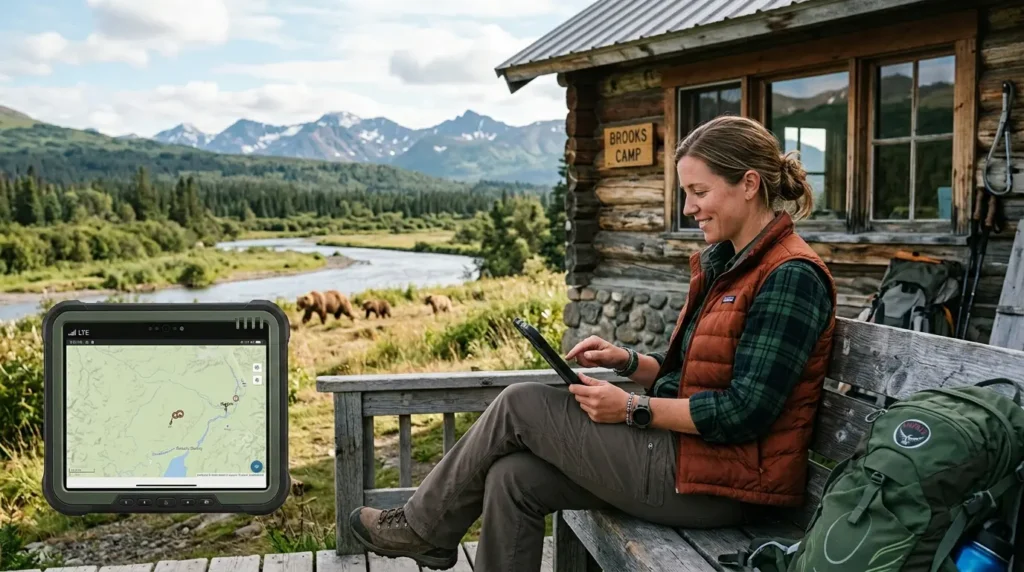
No, there is no cell service at Brooks Camp, and coverage in King Salmon itself is spotty at best. Visitors should plan to be fully offline during their stay and let family or friends know in advance roughly when to expect contact again, since checking in mid trip simply isn’t an option.
How Many Days Should You Spend at Katmai National Park?
A day trip is possible and fairly common, but staying at least 2 nights and 3 days gives far more flexibility around weather delays and noticeably better odds of quality bear sightings. Travelers wanting to add the full day Valley of Ten Thousand Smokes tour, which explores the otherworldly landscape left by the 1912 Novarupta eruption, should budget at least one additional full day on top of that.
Is Katmai National Park Worth It?
For travelers who prioritize bear viewing, volcanic landscapes, or checking off every national park on their list, Katmai is genuinely worth both the cost and the planning effort involved. It suits adventurous travelers who can handle weather uncertainty far better than those wanting a predictable, easy itinerary with guaranteed outcomes.
Final Thoughts
Getting to Katmai National Park takes more coordination than most national park trips, but the payoff of watching brown bears fish wild salmon at Brooks Falls justifies the effort for the right traveler. Book your campground or lodge spot first, build in buffer days for weather, and choose your travel month based on whether you want peak July crowds or a quieter September visit. Once you land that first floatplane on Naknek Lake, the planning stress fades fast.
FAQs
How do you get to Katmai National Park?
Fly from Anchorage to King Salmon, then connect to Brooks Camp by floatplane or water taxi.
Can you drive to Katmai National Park?
No, there are no roads into the park. Access is only by air or water.
How much does it cost to visit Katmai National Park?
Transportation alone runs 850 to 1,000 dollars per person round trip from Anchorage, with lodging and meals adding significantly more.
Is Katmai National Park worth it?
Yes, for bear watchers, photographers, and adventurous travelers, though it requires real budget and flexibility around weather.
How do you book a campsite at Brooks Camp?
Reservations open in early January on Recreation.gov and sell out within minutes for peak July dates.
What’s the best time to see bears in Katmai National Park?
Early to mid July for peak salmon run activity, or September for a quieter second peak with fewer crowds.
Is it better to do a day trip or stay overnight at Katmai?
Overnight stays give better bear viewing odds and quieter platform time, while day trips suit tighter budgets and schedules.
Is there cell service in Katmai National Park?
No, there is no cell service at Brooks Camp and only spotty coverage in King Salmon.


