
Malta in January: What to Expect, What It Costs, and Is It Worth It?
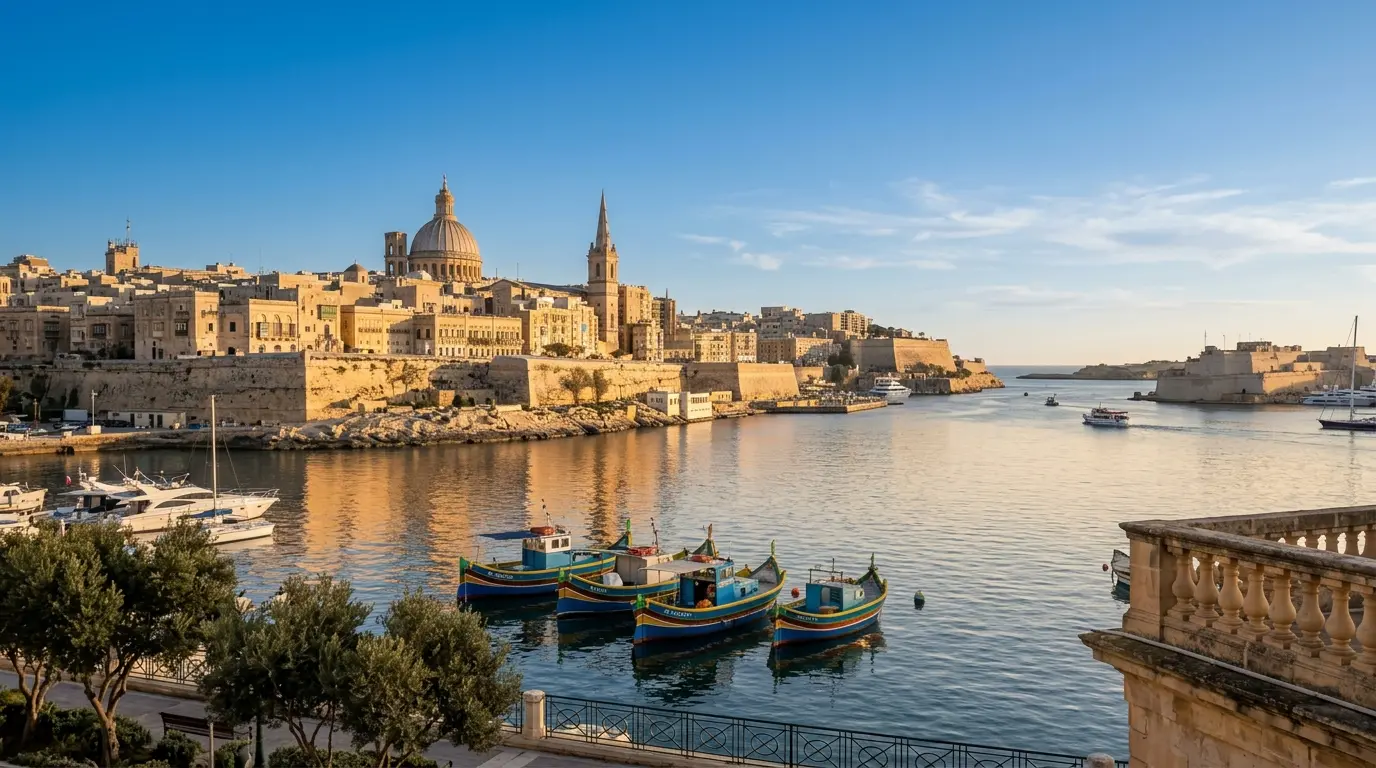
Malta in January is mild, quiet, and noticeably cheaper than a summer trip, with daytime highs around 14 to 16°C and enough sunshine to make sightseeing genuinely pleasant. It is not swimsuit weather, and the sea stays too cold for most people, but for travelers who want fewer crowds and lower prices, this is one of the smartest times of year to visit.
That trade off, cooler weather in exchange for space and savings, is exactly why so many people search for Malta in January before booking. This guide answers the real questions travelers ask: how cold it actually gets, what closes down, how to get around, where to stay, and whether the trip is worth it at all.
Is Malta Warm in January?
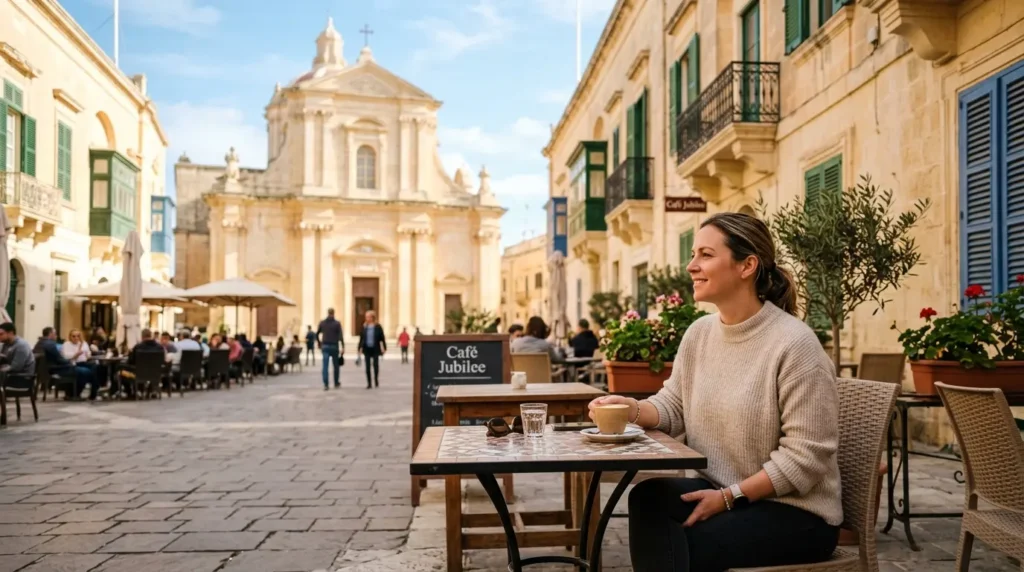
Malta in January stays mild rather than warm. Daytime highs typically sit between 14 and 16°C, with a sunny afternoon occasionally pushing past that. Once the sun drops, usually before 5:30pm, temperatures fall to somewhere between 9 and 13°C, and the evening breeze off the Mediterranean makes it feel colder than the number suggests.
Layered dressing solves most of this. A light top works fine in direct sun, but a jacket becomes necessary the moment you step into shade or after sunset.
What’s the Average Temperature in Malta in January?
January’s overall average sits close to 13.6°C, making it the coldest month on the islands, though still far milder than most of mainland Europe. Sea temperatures hover around 15 to 17°C, which feels sharp on first contact and rules out swimming for the vast majority of visitors. Rainfall totals roughly 95mm across the month, but it tends to arrive in short, heavy bursts rather than steady drizzle, so a rainy morning often clears into a bright afternoon.
Here’s how the winter months compare side by side:
| Month | Daytime High | Night Low | Sea Temp | Rainy Days |
| December | 15 to 18°C | 10 to 13°C | 18 to 19°C | 9 to 10 |
| January | 14 to 17°C | 9 to 12°C | 15 to 17°C | 8 to 9 |
| February | 14 to 18°C | 9 to 13°C | 15 to 16°C | 6 to 7 |
December edges out January slightly on warmth, mostly because the sea hasn’t fully cooled down yet. February often brings a touch more sunshine and fewer rainy days, even though the air temperature barely changes.
Can You Swim in Malta in January?
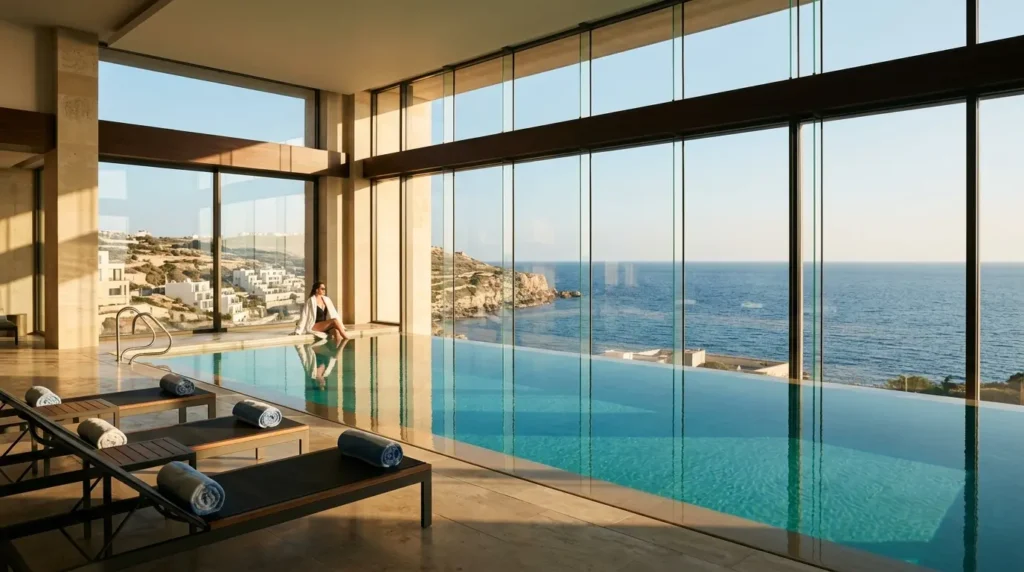
Technically yes, but almost nobody does. Sea temperatures around 15 to 17°C are workable for cold water swimmers used to a bracing dip, but uncomfortable for everyone else. Most visitors skip the water entirely and instead walk the coastal promenades at Golden Bay, Għajn Tuffieħa, or Mellieħa Bay, where the scenery is just as good without the shiver.
What Should You Pack for Malta in January?
Layering is the single most useful packing strategy for a Malta January trip. Pack:
- A waterproof jacket, since Maltese storms arrive suddenly and can be intense for an hour before clearing
- A jumper or sweater for evenings, when the temperature drop is sharper than the daytime forecast suggests
- Comfortable, sturdy walking shoes, because Valletta and Mdina are full of uneven cobblestones and steps that get slippery when wet
- A t-shirt or light top for sunny midday stretches
- A compact, windproof umbrella rather than a standard one, since coastal wind tends to destroy flimsy umbrellas fast
What’s Actually Closed in Malta in January?
This is the question most travel blogs gloss over, and it matters more than the weather stats. Blue Grotto boat trips into the caves typically pause during winter, since choppy seas make the short crossing unsafe. Many hotel outdoor pools and jacuzzis shut down for the season, even at higher end properties, so it’s worth checking directly with your hotel before booking if a pool matters to you. Beach clubs along the coast close for winter almost entirely.
Churches, including Mdina’s cathedral, close to visitors on Sundays for services, which catches first time visitors off guard if they plan a Sunday city walk around that stop. Gozo ferries run less frequently in winter and can cancel outright during storms, so building a buffer day into any Gozo plan is a smart move.
Everything else stays open. Museums, restaurants, cafes, and the major historical sites run on normal or near normal hours throughout January.
| Category | Status in January |
| Museums and historic sites | Open, normal hours |
| Restaurants and cafes | Open, normal hours |
| Blue Grotto boat trips | Usually paused |
| Beach clubs | Mostly closed |
| Hotel outdoor pools | Often closed, check first |
| Churches on Sundays | Closed to visitors during services |
| Gozo ferry | Reduced frequency, weather dependent |
How Do You Get Around Malta in January?
Public buses remain the cheapest and most practical way to get around. A single ride runs roughly 1.50 to 2.50 euros, and the 7 day Explore Card, priced around 21 to 25 euros, gives unlimited travel across Malta and Gozo, which pays for itself quickly if you’re sightseeing daily.
The catch in winter is frequency. Some routes drop to once an hour, and missing a connection on a multi bus journey can cost significant time. Planning routes in advance, rather than assuming a bus will show up soon, saves a lot of frustration.
Car rental tends to be cheaper in the low season, and parking, usually a headache in summer, gets noticeably easier. Taxis and ride hailing apps like eCabs, Uber, and Bolt cover late nights or airport runs well.
Is It Worth Renting a Car in Malta in January?
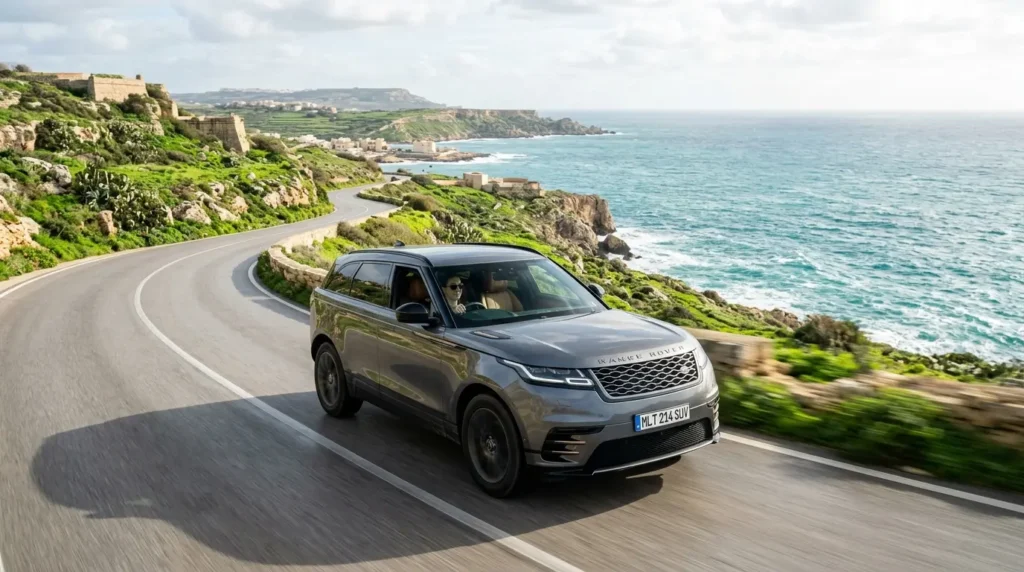
Renting makes sense if your plan includes multiple villages, nature trails, or remote spots like Dingli Cliffs or the Marfa Ridge in a single day, since reduced bus frequency makes that kind of itinerary slow without your own wheels. If you’re mostly based in Valletta, Sliema, or St. Julian’s and sticking to the main sights, the bus and ferry network alone covers your trip comfortably, and you avoid driving on the left side of the road through narrow, unfamiliar streets.
How Do You Get to Gozo in Winter?
The Gozo ferry shifts to running from the north ferry point at Ċirkewwa rather than direct from Valletta during winter months. The crossing itself takes about 10 to 15 minutes and costs somewhere around 4.65 to 4.90 euros round trip. Rough winter seas cause occasional delays or cancellations, so travelers heading to Gozo for the day should check conditions the morning of, and avoid scheduling anything time sensitive right after the return crossing.
Where Should You Stay in Malta in January?
Valletta suits travelers who want walkable history and evening atmosphere within reach of their hotel door. Sliema and St. Julian’s suit those who want a livelier nightlife scene and easier ferry access to the capital. Quieter villages like Mellieħa or Rabat suit hikers and travelers chasing a slower pace on nature trails.
Is Valletta or Sliema Better for a January Trip?
Valletta wins on atmosphere. Pedestrian only streets, a dense cluster of historic sites, and a genuinely different feel after dark make it the strongest base for travelers prioritizing culture. The tradeoff is Valletta’s hills and stairs, which make it a rough fit for anyone with mobility limitations or heavy luggage.
Sliema is flatter, generally a touch cheaper for winter accommodation, and connects to Valletta by a quick ferry ride. Travelers who want an easier physical layout, or who plan to split time between sightseeing and simply relaxing near restaurants and shops, tend to find Sliema a more practical choice.
How Much Does a Trip to Malta Cost in January?
Budget travelers can realistically manage 50 to 80 euros a day in Malta during January, which is noticeably lower than summer rates on flights and hotels.
| Expense | Typical January Cost |
| Hotel (budget to mid range) | 40 to 100 euros per night |
| Meal at a casual restaurant | 8 to 15 euros |
| Pastizzi snack | Around 0.50 euros |
| Single bus fare | 1.50 to 2.50 euros |
| 7 day Explore Card | 21 to 25 euros |
| Museum or temple entry | 5 to 10 euros |
Flights into Malta from other European cities often drop sharply in January compared to peak summer pricing, and hotels frequently run discounts to fill rooms during the quieter season. Rabbit stew, considered Malta’s national dish, tends to sit at the higher end of restaurant menus, so budget conscious travelers often order roasted rabbit instead, or fill up cheaply on pastizzi from bakeries throughout the day.
What Are the Best Things to Do in Malta in January?
Winter sightseeing in Malta centers on culture rather than beaches. Top picks include:
- St. John’s Co-Cathedral and the Upper Barrakka Gardens in Valletta
- The walled, car free streets of Mdina, often called the Silent City
- Ħaġar Qim and Mnajdra, prehistoric temple complexes that predate the pyramids
- A day trip to Gozo, including the Cittadella in Victoria
- Coastal hikes along Dingli Cliffs, empty of summer crowds
Is Gozo Worth Visiting in January?
Yes. Gozo in January means genuinely quiet streets, a still fully open Cittadella, and a slower pace in villages like Victoria that feel overrun during summer. Some smaller restaurants and shops in the quieter villages run reduced hours, so it helps to have a backup food option if your first choice is closed.
What Festivals or Events Happen in Malta in January?
January typically includes the Valletta Baroque Festival, a celebration of classical music and theater, along with lingering Christmas pantomime performances early in the month. The Feast of St. Paul’s Shipwreck, a national holiday, falls in early February and draws processions through Valletta. Exact 2026 dates shift slightly year to year, so checking Valletta’s official cultural calendar closer to your travel dates is worth the two minutes it takes.
Is Malta Good for Remote Work in January?
January’s quiet season, mild daytime weather, and lower accommodation rates make Malta a workable short term base for remote work. Valletta and St. Julian’s tend to offer the most reliable Wi-Fi and the widest range of apart hotels with longer stay pricing, which suits travelers looking to combine a few working days with weekend sightseeing.
How Does Malta in January Compare to Other Winter Sun Destinations?
Compared to Tenerife or Cyprus, Malta runs cooler and wetter, but wins clearly on affordability and historical depth packed into a small footprint.
| Destination | Daytime Temp | Rain | Best For |
| Malta | 14 to 16°C | Moderate | History, value, quiet streets |
| Tenerife | 20 to 22°C | Low | Reliable sunshine, beaches |
| Cyprus | 16 to 18°C | Moderate | Mix of sun and culture |
Travelers chasing guaranteed sunshine and warmer swimming water tend to find the Canary Islands a better fit. Travelers prioritizing culture, walkability, and lower costs consistently rate Malta higher.
Final Thoughts
Malta in January rewards travelers who come for history, food, and quiet streets rather than beach weather. Pack layers, expect a few closures around boat tours and beach clubs, and build in flexibility around the Gozo ferry schedule. Do that, and the lower prices and empty piazzas make this one of the smarter times of year to see the islands.
FAQs
Is January a good time to visit Malta?
Yes, if you value lower prices and thinner crowds over guaranteed sun. It suits history lovers and budget travelers well.
How many days do you need in Malta in January?
Three to four days covers Valletta, Mdina, and a Gozo day trip comfortably without rushing.
Is Malta cheaper in January?
Yes. Flights, hotels, and even bus fares often drop compared to summer peak pricing.
How busy is Malta in January?
Noticeably quieter than summer, though Valletta still has a steady evening buzz around restaurants and bars.
What’s the difference between Malta in December, January, and February?
December is slightly warmer with a warmer sea, January is the coldest and wettest, and February often brings a bit more sunshine with fewer rainy days.


