Croatian Food: Traditional Dishes and Regional Specialties
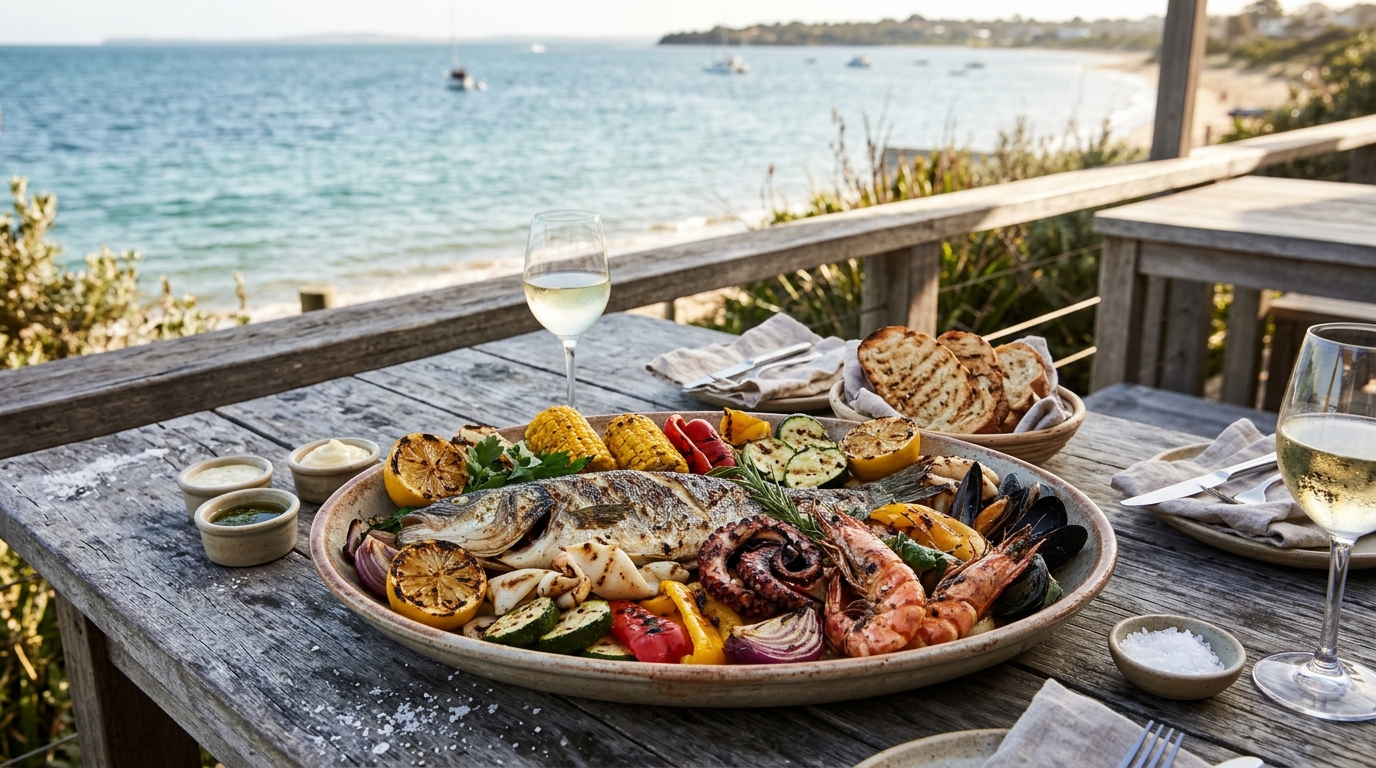
Croatian food blends Mediterranean seafood along the coast with hearty meat dishes inland. Signature plates include black risotto, peka, and pašticada, shaped by the country’s islands, mountains, and history.
Overview of Croatian Cuisine
Croatian cooking divides by region. Coastal areas emphasize fresh fish, olive oil, and slow-cooked seafood. Inland regions favor meats, stews, and root vegetables influenced by Central European traditions. Olive oil, garlic, and herbs appear throughout. Meals often start with cured ham and cheese, then move to a main course, and finish with a simple dessert or coffee.
The Adriatic coast and islands supply much of the seafood. Inland farms provide lamb, beef, and pork. Seasonal ingredients drive menus, with summer bringing more grilled fish and winter favoring stews. Family recipes and local restaurants preserve the styles.
Coastal and Island Specialties
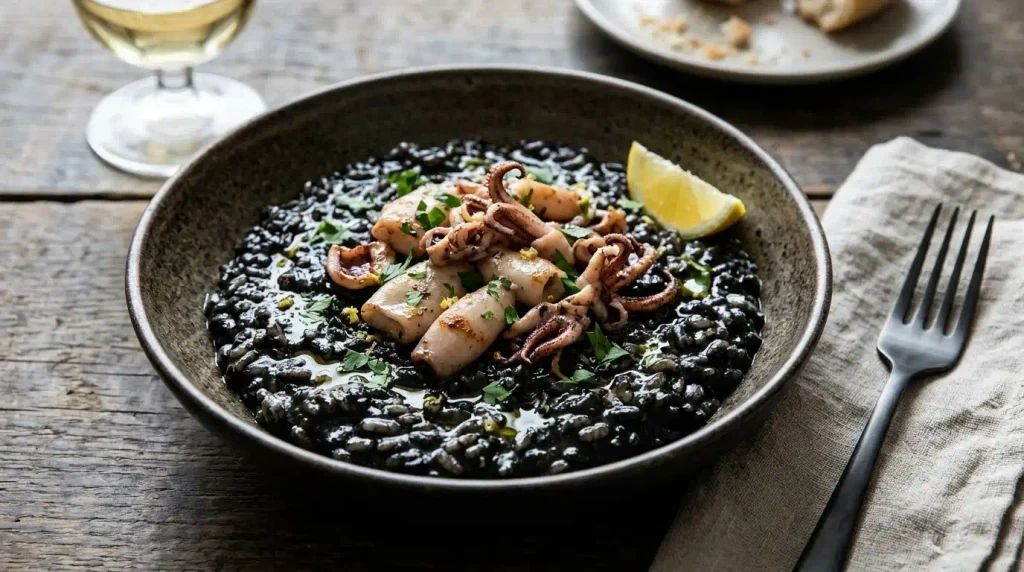
Black risotto, or crni rižot, uses cuttlefish or squid ink to color and flavor the rice. It appears on nearly every coastal menu and pairs well with a glass of white wine. Brudet, a fish stew, combines several types of seafood in a tomato-based broth, often served with polenta.
Grilled fish sold by weight is common. Octopus prepared under a peka bell turns tender after hours of slow cooking with potatoes and vegetables. Fresh oysters from the Mali Ston area remain a local specialty. These dishes highlight the proximity to the sea.
Peka requires advance ordering at many restaurants because of the long cooking time. The iron bell method produces exceptionally soft meat and vegetables.
Inland and Continental Dishes
Pašticada is a slow-braised beef dish marinated in vinegar and wine, then cooked with prunes and spices. It is often served with gnocchi and appears at celebrations. Ćevapčići, small grilled minced-meat sausages, are popular across the Balkans and commonly eaten with flatbread, onions, and ajvar.
Sarma consists of cabbage leaves stuffed with meat and rice. Štrukli, a pastry filled with cottage cheese, comes from the Zagorje region and can be baked or boiled. These plates reflect the cooler climate and agricultural traditions farther from the coast.
Common Ingredients and Flavors
Olive oil forms the base of many coastal recipes. Garlic, parsley, and bay leaves season fish and stews. Pršut, a dry-cured ham similar to prosciutto, starts many meals alongside local cheese such as Paški sir from the island of Pag. Ajvar, a red pepper relish, accompanies grilled meats.
Wine from Istria and Dalmatia pairs with both seafood and meat. Coffee culture is strong, with espresso or Turkish-style coffee ending most meals. Desserts stay lighter, often featuring walnuts, fruit, or simple cakes.
Where to Eat Croatian Food
Coastal towns such as Split, Dubrovnik, and Zadar offer konobas that specialize in local seafood and peka. Inland cities like Zagreb feature more continental plates and pastry shops. Markets sell fresh fish, cured meats, and cheeses for home cooking.
Many restaurants prepare traditional dishes daily. Tourist areas sometimes adapt portions, but smaller family-run places stick closer to original recipes. Seasonal availability affects menus, especially for specific fish and produce.
Travelers interested in related cuisines can explore Balkan food flavors and Costa Rican food for additional regional comparisons.
Practical Tips for Trying Croatian Dishes
Order peka in advance when possible. Share plates when sampling multiple items, as portions can be generous. Ask about the catch of the day for the freshest grilled fish. Pair coastal meals with local white wine and inland dishes with red.
Markets provide excellent opportunities to try pršut and cheese. Cooking classes in some towns teach simple versions of popular plates. Most traditional restaurants welcome questions about ingredients and preparation.
Comparing Regional Styles
| Region | Signature Dish | Main Influence |
|---|---|---|
| Dalmatia | Crni rižot, peka | Mediterranean |
| Istria | Fuži with truffles | Italian |
| Inland | Pašticada, sarma | Central European |
These styles coexist within one country. Visitors can sample both coastal and inland plates on a single trip.
FAQs
What is traditional Croatian food?
Traditional Croatian food includes black risotto, peka, pašticada, brudet, and grilled meats. Coastal areas focus on seafood while inland regions emphasize stews and roasted meats.
What is the most famous Croatian dish?
Black risotto and peka rank among the best-known. Pašticada is a festive favorite, and ćevapčići appears widely as everyday street food.
Is Croatian food spicy?
Most traditional dishes are not heavily spicy. Flavor comes from garlic, herbs, olive oil, and slow cooking rather than hot peppers.
What is peka in Croatian cuisine?
Peka is a slow-cooking method using an iron bell over hot coals. Meat or seafood and vegetables cook for hours until extremely tender. It often requires advance ordering.
Where can you find the best Croatian seafood?
Coastal cities and islands such as Split, Dubrovnik, and Hvar offer the freshest options. Mali Ston is known for oysters, and many konobas grill fish daily.
What should you drink with Croatian food?
Local white wines pair well with seafood. Red wines accompany meat dishes. Espresso or Turkish coffee finishes most meals.
Is Croatian food similar to Italian food?
Coastal and Istrian dishes share similarities with Italian cooking, including risotto, pasta, and olive oil. Inland plates lean more toward Central European styles.
What is pršut?
Pršut is Croatian dry-cured ham, similar to prosciutto. It is often served thinly sliced as an appetizer with cheese and bread.
Can you find vegetarian Croatian food?
Yes. Štrukli, vegetable sides, and some stews can be prepared without meat. Coastal areas also offer grilled vegetables and salads.
How do you pronounce common Croatian dishes?
Crni rižot is roughly “tser-nee ree-zhot.” Pašticada is “pah-stee-tsah-da.” Peka is “peh-kah.” Locals appreciate the effort.
Is Croatian food expensive?
Prices vary by location. Coastal tourist areas cost more, while inland restaurants and markets remain moderate. Fresh seafood is priced by weight.