
Halal Food Meaning: What It Is and What Counts as Halal
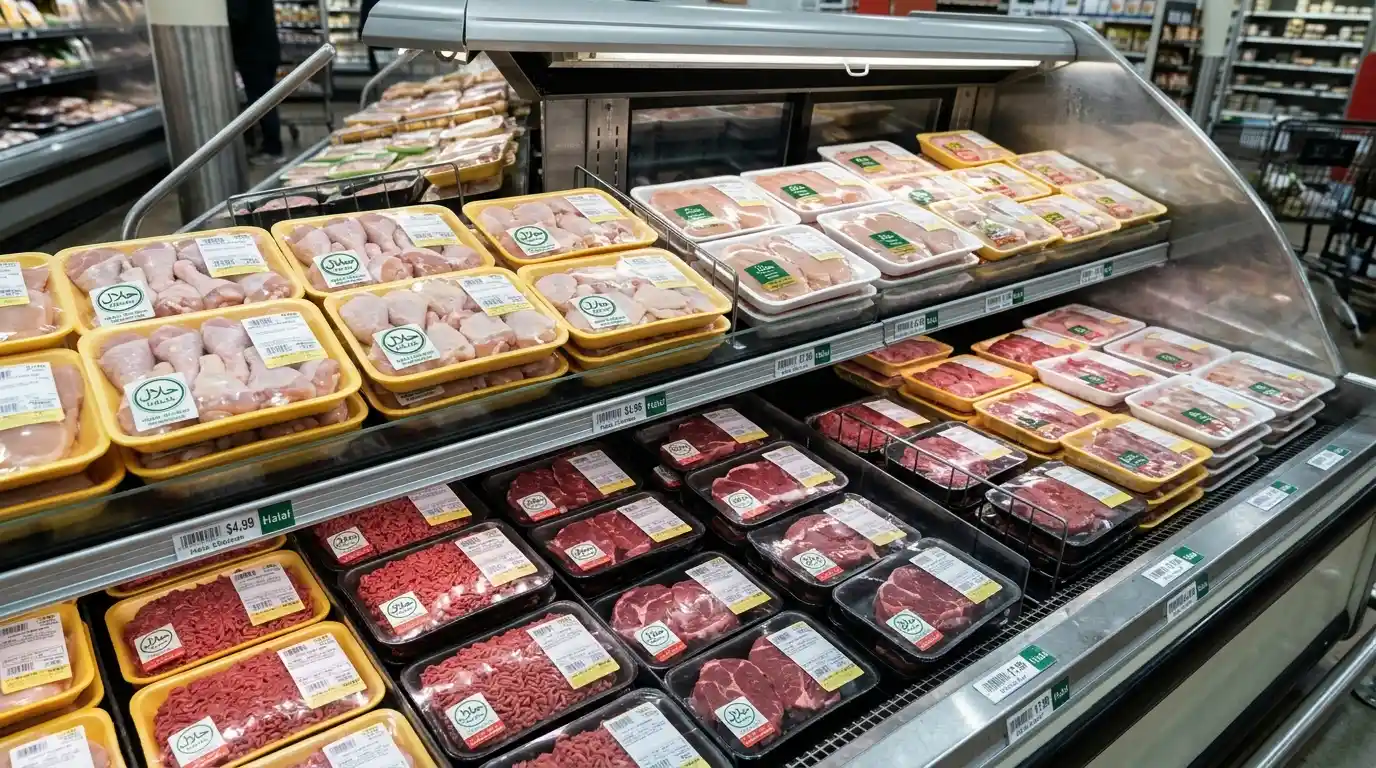
Halal food meaning refers to food permitted under Islamic law. The Arabic word “halal” means lawful or allowed, covering ingredients, preparation, and the method of slaughter for meat.
Definition of Halal
Halal comes from Arabic and translates to “permissible” or “lawful.” In everyday use it most often describes food and drink that Muslims may consume according to Islamic guidelines. The opposite term is haram, which means forbidden.
The rules come primarily from the Quran and the Hadith. Most foods start as permissible unless a specific prohibition applies. Fruits, vegetables, grains, milk, eggs, and fish are generally halal by default. Restrictions focus mainly on certain animals, blood, alcohol, and the way meat is handled.
What Makes Food Halal
Halal food must avoid prohibited items. Pork and its by-products are never allowed. Alcohol and intoxicants are forbidden. Blood and animals that die without proper slaughter are also excluded. Meat from permitted animals such as cattle, sheep, and poultry becomes halal only when slaughtered according to specific guidelines.
The slaughter process, called dhabiha or zabihah, requires a swift cut to the throat, draining of the blood, and the invocation of God’s name. The animal should be healthy and treated without unnecessary suffering. Cross-contamination with haram substances during processing or storage can also make a product non-halal.
Processed foods need careful checking. Gelatin, some emulsifiers, and flavorings may come from non-halal sources. Certification labels help consumers identify products that meet the standards.
Common Halal Foods
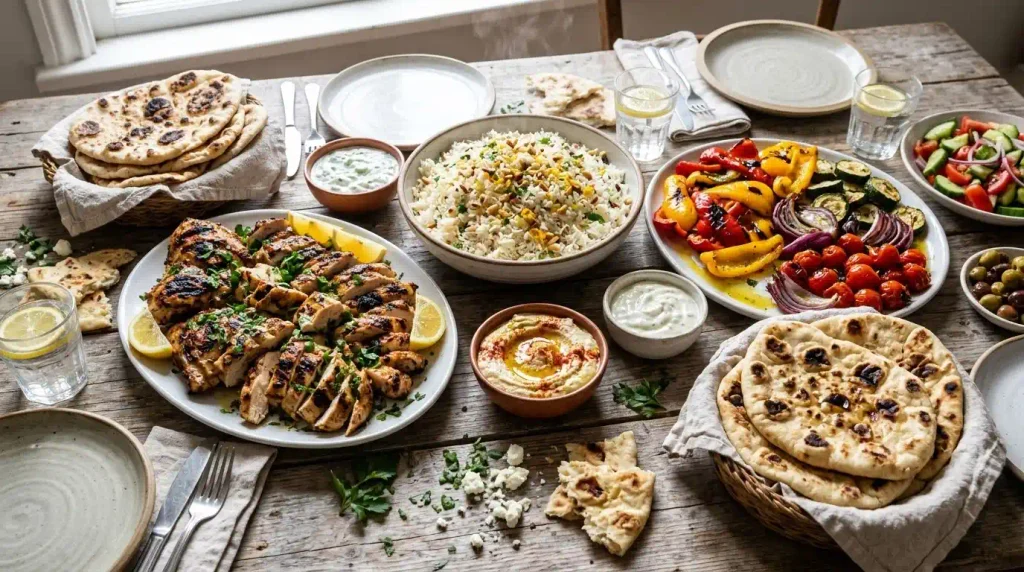
Plant-based foods are almost always halal. This includes fruits, vegetables, nuts, grains, and most legumes. Dairy products and eggs are permitted unless they contain added haram ingredients. Fish and most seafood are accepted as halal by the majority of scholars.
Halal meat includes beef, lamb, goat, and chicken when properly slaughtered. Many grocery stores and restaurants now label halal sections or menus. Traditional dishes from Middle Eastern, South Asian, and African cuisines often follow these guidelines naturally.
Desserts and snacks can be halal if they avoid alcohol, pork gelatin, and similar additives. Reading ingredient lists or looking for certification remains the safest approach for packaged items.
Halal vs Haram: Key Differences
Haram foods include pork, alcohol, blood, and meat from animals not slaughtered according to Islamic rules. Carnivorous animals and birds of prey are also excluded in most interpretations. Halal covers everything that falls outside these prohibitions and meets the preparation standards.
The distinction extends beyond ingredients to handling. A halal kitchen or production line avoids contact with haram substances. Some Muslims also consider the ethical treatment of animals and the overall cleanliness of the process.
Related food discussions appear in guides such as Colombian food and Denmark food, which show how different cultures approach ingredients and preparation.
Certification and Labeling
Halal certification comes from recognized organizations that inspect facilities and processes. Labels such as “Halal Certified” or specific agency logos appear on packaging. Not every product carries a label, so consumers sometimes rely on ingredient lists or direct questions to the seller.
Restaurants may display certificates or train staff on cross-contamination rules. In areas with large Muslim populations, dedicated halal butchers and markets are common. Online resources and apps also help verify products in many countries.
Practical Tips for Finding Halal Food
Look for certified labels on packaged goods. Ask restaurants about their meat sources and kitchen practices. In cities, search for halal grocery stores or markets that specialize in permitted products. Many international cuisines already align with halal rules when prepared traditionally.
Travelers can find halal options in most major airports and cities. Advance research or apps that list certified places save time. When in doubt, plant-based meals provide a straightforward choice.
FAQs
What is the meaning of halal food?
Halal food means food that is permitted under Islamic law. It excludes pork, alcohol, blood, and improperly slaughtered meat while allowing most plant foods and properly prepared animal products.
What foods are always halal?
Fruits, vegetables, grains, nuts, milk, eggs, and most seafood are generally halal. These require no special slaughter process and are permissible by default.
Is all meat halal?
No. Only meat from permitted animals that has been slaughtered according to Islamic guidelines counts as halal. Pork is never halal, and other meat must meet the process requirements.
What is the difference between halal and haram?
Halal means allowed or lawful. Haram means forbidden. For food, haram includes pork, alcohol, blood, and meat not prepared according to the rules.
Does fish count as halal?
Yes. The majority of Islamic scholars consider fish and most seafood halal without special slaughter requirements.
How can you tell if packaged food is halal?
Look for a recognized halal certification logo. Check the ingredient list for pork, alcohol, or non-halal gelatin. When unsure, contact the manufacturer.
Is alcohol ever allowed in halal food?
No. Alcohol and intoxicants are haram. Even small amounts used in cooking or flavoring make a product non-halal for those who follow the rules strictly.
Can vegetarians eat halal food?
Yes. Most plant-based foods are halal. Vegetarians can choose from the wide range of fruits, vegetables, grains, and dairy that meet the standards.
Why does slaughter method matter for halal meat?
The method ensures the animal is healthy, the blood is fully drained, and the process includes the invocation of God’s name. These steps fulfill the religious requirements.
Are there halal options in most restaurants?
Many restaurants now offer halal-certified meat or can prepare plant-based dishes. Availability is higher in cities with larger Muslim communities.
Does halal apply only to food?
The term applies to any action or object that is permissible, but it is most commonly used for food, drink, and related products such as cosmetics or pharmaceuticals.