Denmark Food: What to Eat, What to Order, and How to Eat Like a Local
Denmark food is best when you keep it simple. Try smørrebrød for lunch, a classic pork dish for dinner, and one pastry with coffee. If you know those three, you will eat well in Denmark without guessing.
What Danish food is known for?
Danish food leans on a few strong basics. Rye bread sits at the center. Seafood shows up in both casual and traditional meals. Pork is the most common meat in classic dinners. Cakes and pastries are not “extras” here. They are part of normal life.
You will also notice a clean style. Ingredients stay recognizable. Herbs and sauces support the main flavor. They do not hide it.
Rugbrød and the open sandwich culture
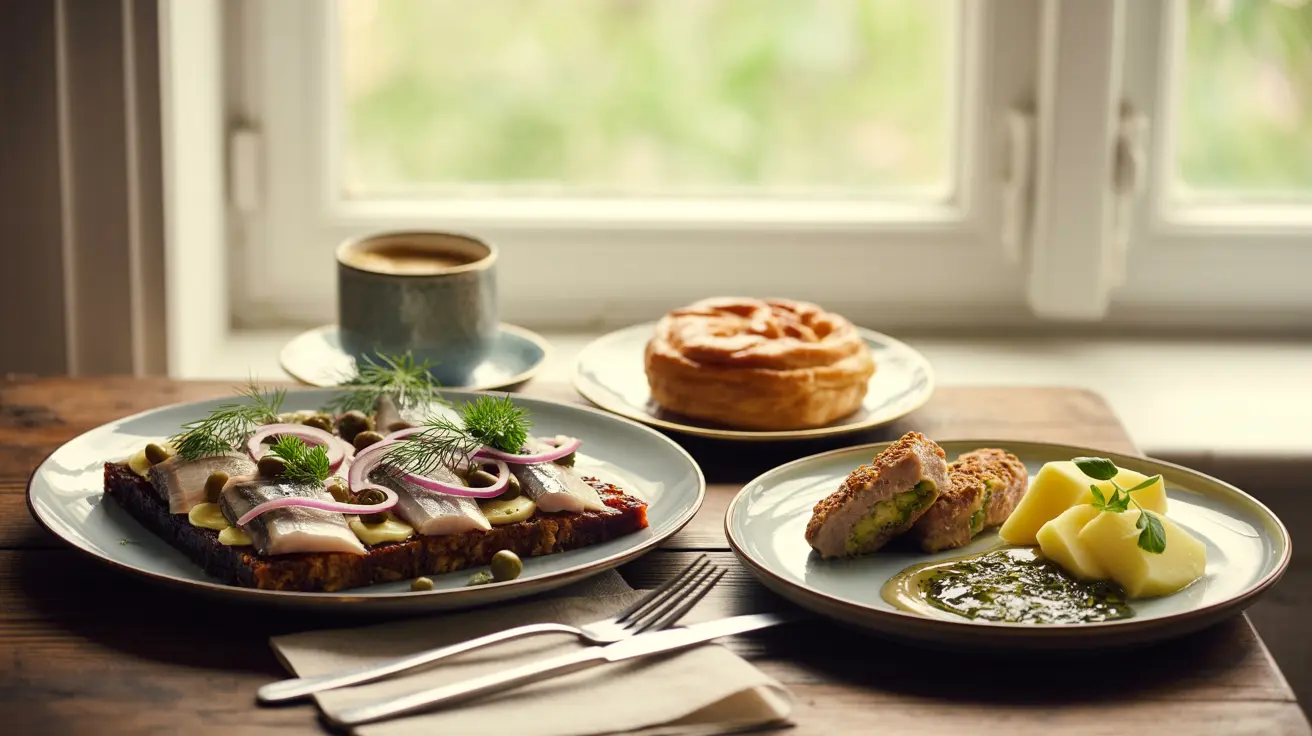
Rugbrød is dark rye bread with a dense bite. Danes use it like a base for lunch. That lunch often becomes smørrebrød, which is an open faced sandwich topped with fish, meat, eggs, cheese, or salads.
Smørrebrød looks fancy, but the idea is simple. One slice of bread. One main topping. A few sharp accents like pickles, onions, dill, or capers. When it is done right, every bite tastes balanced.
Pork dishes that feel like comfort food
If you want classic Danish comfort, order stegt flæsk med persillesovs. It is crispy pork with parsley sauce and potatoes. It feels home style and filling.
You will also see frikadeller, which are pan fried meatballs. Danes eat them as dinner and also as leftovers on bread. Flæskesteg is another big one. It is roast pork with crackling, often tied to holidays and family meals.
Seafood, especially herring
Denmark has a long coastline, so fish feels natural here. Pickled herring shows up often, especially at lunch spreads and festive tables. You will also see breaded fish, shrimp toppings, and simple fillets with lemon and herbs.
If you are unsure about herring, start with a mild version first. Many places offer creamy or curry style marinades that feel easier than a sharp vinegar bite.
Pastries, cakes, and the bakery habit
Danish bakeries are not just for tourists. Locals stop for pastries, buns, and coffee all the time. You will hear the word wienerbrød in Denmark, which points to the classic “Danish pastry” style.
Try kanelsnegle if you like cinnamon. Try spandauer if you like custard. If you want a soft sweet, look for flødeboller. For cake, you may see drømmekage or a layered birthday style cake.
The Denmark meal rhythm that helps you order fast
Most visitors order the wrong thing at the wrong time. That is when Denmark feels confusing. Follow the local rhythm and the menu starts making sense.
Breakfast stays light
Breakfast often stays simple. Many people grab bread, yogurt, cheese, or something quick. If you want the easy win, go to a bakery and order one pastry with coffee. Keep it small and enjoy it.
Lunch is the main cold meal
Lunch is where rye bread shines. This is the best time to try smørrebrød. You can order one or two pieces, depending on hunger. Start with a fish one and a meat one. That gives you the full picture.
Dinner is the hot meal
Dinner is where you go for stegt flæsk, frikadeller, or fish with potatoes. Portions can feel bigger than you expect. Order one main dish first, then see if you want dessert.
What to eat in Denmark in one day
If you have only one day, this plan covers the essentials without stress.
A simple one day food plan
- Breakfast: pastry and coffee at a local bakery.
- Lunch: two pieces of smørrebrød, one with fish and one with meat.
- Afternoon: a small sweet like flødeboller or a slice of cake.
- Dinner: stegt flæsk med persillesovs, or frikadeller with potatoes.
- Drink: beer with dinner, or snaps if you want a traditional toast.
If you want a Denmark focused recipe reference for later, browse the official Denmark recipes and save a few classics.
Must try Danish dishes and what they taste like
Use this as your quick ordering map. These are the foods you will see again and again.
Lunch favorites
Smørrebrød can be built in many ways, but these are common styles. Pickled herring with onion and a creamy sauce tastes salty and sharp. Roast beef with remoulade tastes rich and tangy. Egg and shrimp toppings taste clean and slightly sweet. Liver paté versions taste deep and savory.
If you only pick one, choose a herring version and a roast beef version. That mix shows both sides of the tradition.
Dinner classics
Stegt flæsk med persillesovs tastes crispy, creamy, and herby in one plate. Frikadeller taste like mild seasoned meatballs with a browned crust. Flæskesteg tastes rich with that crunchy crackling top. You may also see sausages like medisterpølse, which feels hearty and peppery.
Desserts that are worth it
Æblekage is a Danish apple dessert that often feels like a cold trifle. Risalamande is a sweet rice dessert often tied to Christmas season. Æbleskiver are round pancake puffs that show up during winter markets and holiday time. If you see gløgg, it is warm spiced drink that fits cold weather days.
Denmark food cheat sheet table
Use this table when you want fast answers while planning.
| What to order | What it is | Best time | Flavor vibe | Easy first choice |
|---|---|---|---|---|
| Smørrebrød | Open faced sandwich on rye | Lunch | Salty, tangy, balanced | Yes |
| Rugbrød | Dense rye bread | Lunch | Deep, earthy | Yes |
| Frikadeller | Pan fried meatballs | Dinner | Mild, savory | Yes |
| Stegt flæsk med persillesovs | Pork with parsley sauce | Dinner | Crispy, creamy | Yes |
| Flæskesteg | Roast pork with crackling | Dinner | Rich, salty | Yes |
| Pickled herring | Marinated herring | Lunch | Sharp, briny | Start mild |
| Remoulade | Tangy sauce | Lunch | Creamy, pickle notes | Yes |
| Wienerbrød | Laminated pastry | Breakfast | Buttery, sweet | Yes |
| Kanelsnegle | Cinnamon swirl | Breakfast | Sweet spice | Yes |
| Snaps or akvavit | Spiced spirit | Dinner | Strong, herbal | Only if curious |
For a broader traveler friendly list, you can also skim VisitDenmark’s traditional Danish food guide and pick the ones that match your taste.
Where to try Danish food without wasting money
The biggest problem travelers face is picking places that look “cute” but taste average. Denmark can be pricey, so you want good value.
Look for lunch focused spots for smørrebrød
Some restaurants do smørrebrød all day, but lunch is where it feels most normal. If a place treats rye bread like an afterthought, skip it. You want clean cuts, fresh toppings, and good balance.
Bakeries are the safest “great value” bet
If you want a low risk win, go to a bakery. The quality tends to stay high. You can try two different pastries without paying fine dining prices. Pair it with coffee and you are set.
Street hot dogs are fast and very Danish
The red sausage style hot dog culture is a real thing in Denmark. It is quick, salty, and satisfying. You will often get it with mustard, ketchup, fried onions, and pickles.
Food markets give you variety
Markets help when you are traveling with a group. One person can get smørrebrød. Another can get fish. Someone else can get something global. This solves the “we cannot agree” problem fast.
If you want ideas for Copenhagen areas with lots of options, this Copenhagen food scene guide can help you choose neighborhoods before you walk around hungry.
New Nordic cuisine and when it is worth it
Copenhagen made New Nordic cuisine famous. This style focuses on local ingredients, seasonal menus, and careful presentation. If you love tasting menus, it can feel like a once in a lifetime meal.
The common problem is budget shock. These meals cost a lot. They also require planning. If you still want the experience, pick one night for it and book early. If you want the “New Nordic feel” without the full price, look for modern bistros that use local fish, fermented flavors, and seasonal vegetables.
Common problems travelers have with Danish food and the fixes
This is where most “what to eat” guides feel useless. Real people run into real issues. Here is how to handle them.
Problem: You do not know what to order, so you play it safe
Many visitors default to burgers and pizza. They leave Denmark without tasting anything Danish.
Solution: Use a simple rule. One Danish lunch, one Danish dinner, one pastry. Start with smørrebrød, then try stegt flæsk or frikadeller, then finish with a pastry. After that, explore anything you want.
Problem: You feel unsure about pickled fish
Pickled herring can sound intense.
Solution: Start with a creamy style first. Avoid the sharpest vinegar versions on day one. Eat it with rye bread, not alone. Add something mild like egg or potatoes on the table if you can.
Problem: You have gluten issues and rye bread feels like a wall
Rye bread is everywhere, so gluten free travel can feel tough.
Solution: Decide your risk level early. If you need strict safety, ask clear questions and keep orders simple. Use this internal guide on gluten free fast food for short order scripts and the cross contact mindset, then apply the same logic to cafes and markets.
Problem: You get stomach trouble while traveling
Travel stomach issues can ruin the whole trip. It can come from rich foods, stress, or bad handling in tourist heavy areas.
Solution: Keep your first two days simple. Eat smaller portions. Drink water. Choose busy places with steady turnover. If you do get sick and you are trying to figure out what happened, read food poisoning vs stomach bug so you can focus on hydration and the right next steps.
Problem: You want to eat “healthy” but the food feels heavy
Some Danish classics are rich, especially pork dishes and creamy sauces.
Solution: Balance your day. Do a lighter breakfast, a normal lunch, and one rich dinner. Add fish meals between pork meals. Choose vegetables when they are offered. If you track minerals for kidney health, you may also want to watch seafood and dairy portions and see this guide on foods high in phosphorus for the simple list and hidden sources.
Problem: You are vegetarian and feel stuck
Traditional Danish meals lean meat and fish, but you can still eat well.
Solution: Look for vegetable smørrebrød, cheese based toppings, egg options, and seasonal soups. Markets also help because they usually offer more choices than small traditional restaurants.
Simple ordering tips that make you sound confident
You do not need perfect Danish. You just need a plan and a calm order.
How to order smørrebrød the easy way
Pick two pieces if you want a real lunch. Choose one fish topping and one meat or egg topping. Ask what they recommend if you like mild flavors. Tell them if you dislike pickles or onions. Many toppings include them.
When to use snaps
Snaps is strong. If you try it, take a small sip, not a big one. Pair it with fish or a festive meal. If someone says “Skål,” raise your glass and smile. Do not overthink it.
FAQs
What is the best food to try first in Denmark?
Start with smørrebrød at lunch, then frikadeller or stegt flæsk at dinner, then a pastry with coffee.
Is Danish food spicy?
Most traditional dishes are not spicy. You will taste salt, herbs, pickles, and rich sauces more than heat.
Is Denmark good for food lovers?
Yes, especially in Copenhagen. You can do both classic traditions and modern New Nordic style in the same trip.
What is the most “local” lunch in Denmark?
Smørrebrød on rugbrød is the most local feeling lunch, especially with herring or roast beef toppings.
What should I avoid if I have a sensitive stomach?
Start with smaller portions, avoid the richest pork dishes on day one, and choose simpler meals if you feel off.
Final takeaway
Denmark food gets easier when you stop trying to try everything at once. Follow the local rhythm, start with the classics, and add new dishes as you go. One good smørrebrød lunch, one classic dinner, and one bakery stop can make your whole trip feel complete.