
Adventures of Soulmates Together: What Real Connection Looks Like
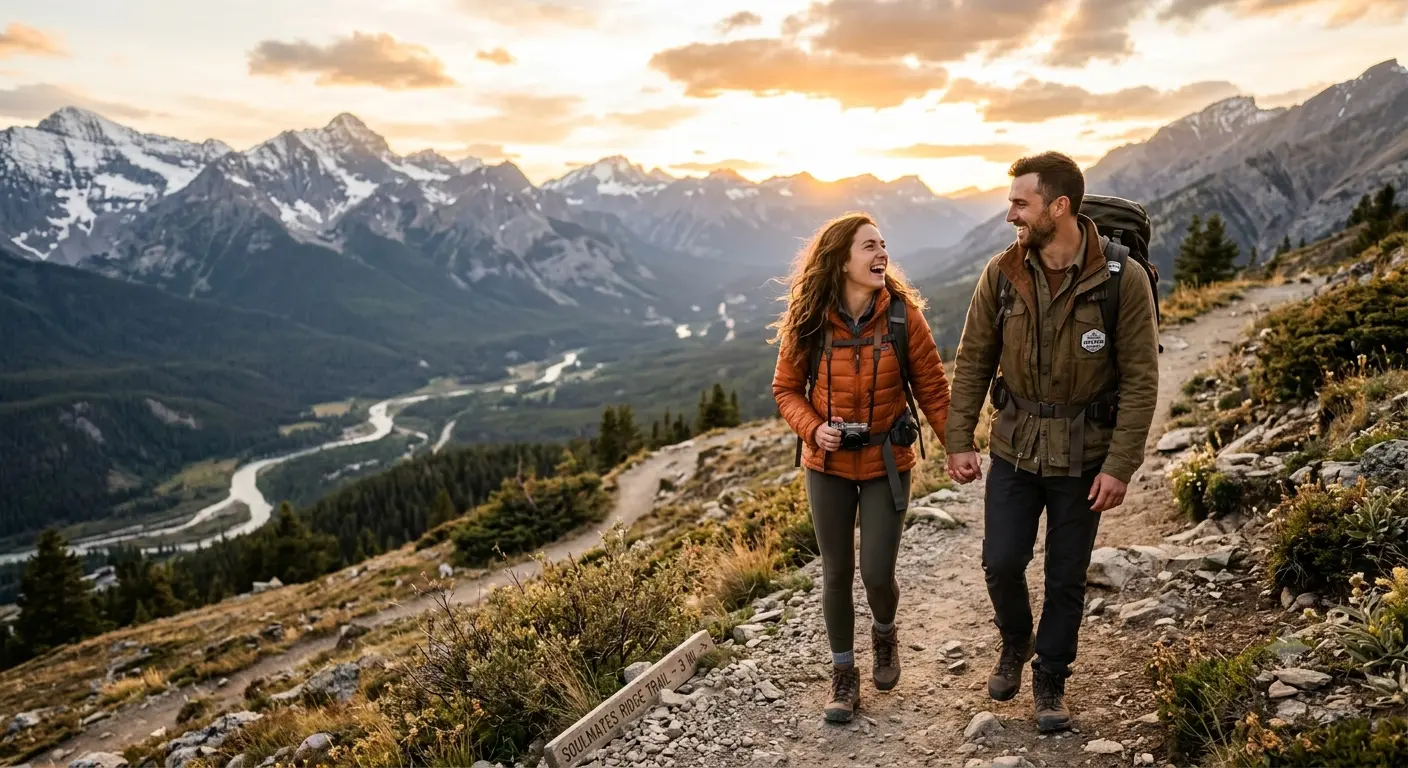
Adventures of soulmates together are more than shared trips. They are the moments that strip life back to what matters, where the wrong turn, the bad weather, and the exhausted silence tell you more about your connection than any conversation over dinner ever could. The hard truth is that not every person you love is the right person to adventure with.
What Is an Adventure Soulmate?
An adventure soulmate is someone willing to coddiwomple with you. That word, coddiwomple, means to travel purposefully toward a place you do not yet know. The destination matters less than who is beside you getting there. This kind of connection goes deeper than a travel partner or a hiking friend. It is a soulmate bond built on emotional resilience, shared decision making, and a real love for wilderness expedition, not just the highlight reel of it.
A platonic soulmate can fill this role just as powerfully as a romantic one. Some of the strongest soul connections in the world form between friends, teammates, and siblings who have pushed through something genuinely hard together and chosen to keep going side by side.
Why Shared Adventure Strengthens the Soulmate Bond
There is actual science behind why adventures of soulmates together create such lasting closeness. When two people experience something challenging and novel together, the brain releases dopamine and oxytocin, the same chemicals behind attraction, trust, and deep bonding. Shared risk links your soulmate’s presence to the feeling of survival and triumph, which is something ordinary daily routines rarely produce.
A 2021 YouGov poll of nearly 15,000 adults found that 60 percent of Americans believe in soulmates. What that belief points to is something real, the recognition that certain connections feel fundamentally different. Adventure accelerates that recognition by removing the comfortable padding of normal life.
When you are cold and tired on a wilderness expedition and your partner still makes you laugh, when they do not complain or make the hard moment worse, when they navigate a problem calmly instead of shutting down, that is when the soulmate bond becomes visible. Adventure does not create the bond. It reveals whether one already exists.
How Do You Know You Have Found Your Adventure Soulmate?
The clearest sign is this: you are already planning the next trip before the current one is over.
Beyond that, look for these:
- Conversations and silences both feel easy without effort
- Your natural pace matches without either person feeling pulled or held back
- Open communication happens automatically, especially when things go wrong
- Leaving No Trace matters to both of you
- You bring the best out of each other when conditions are hardest
An adventure soulmate also knows when to lead and when to follow. Team dynamics on a multi-day kayaking trip or adventure race reveal this fast. The people who need to control every decision or push the team past its agreed pace are usually not the right fit, no matter how much you love spending time with them elsewhere.
What Criteria Should You Use to Choose an Adventure Partner?
Some things you cannot teach in the field and some you can. Knowing the difference saves a friendship and sometimes a trip.
Non-negotiable qualities:
- Emotional resilience: the ability to handle pain, frustration, and fear without projecting onto the team
- A genuine sense of adventure and willingness to give things a go
- Honesty and open communication, especially when it is uncomfortable
- Basic physical fitness and some prior outdoor experience
Skills that can grow:
- Scuba certification and buoyancy control
- Kayaking, trail running, mountain biking, or horse riding
- Navigation and first aid
- Understanding of Leave No Trace principles
The real dealbreakers are not skill gaps. They are inflexibility, passive aggression, and an inability to apologise. On a long wilderness expedition or adventure race like the XPD Adventure Race, these traits amplify fast and fracture team culture in ways that are hard to recover from.
How Does Scuba Diving Deepen the Soulmate Bond?
Scuba diving offers something rare: a shared experience where words disappear entirely. Underwater, two people communicate through eye contact, hand signals, and trust alone. That silent coordination builds a kind of soulmate bond that conversation cannot replicate.
The physical benefits matter too. Diving is a full body workout and a low-impact exercise, which means people across different fitness levels can share it. Controlled breathing, central to every dive, mirrors meditative practice. Research published in the Journal of Health Psychology and Frontiers in Psychology supports the concept of blue health, the measurable improvement in mental wellness that comes from time in and around water.
When a dive buddy and their soulmate navigate a coral reef or explore a shipwreck together, they are building trust without words. Neptune Warrior, an organisation dedicated to mental wellness through scuba diving, has documented how this kind of shared underwater adventure reduces stress and increases emotional intimacy between partners.
That intimacy carries back to the surface. The moment of surfacing after a great dive, looking at each other with that same exhausted joy, is one of the most bonding experiences two people can share.
What Happens When Adventure Styles Do Not Match?
This is the most common and least discussed problem in any soulmate adventure relationship. One person wants to push the pace, summit by noon, and cover maximum distance. The other wants to sit with the view, take photos, and move slowly through the day. Neither approach is wrong. Together without a plan, they create real tension.
The fix is not compromise mid-trail. It is defining the team pace before you leave. Setting shared goals at the start of training and agreeing on what the trip is actually for, speed, enjoyment, or finishing together, prevents most of the power struggles that damage team dynamics in the field.
When mismatched adventure styles go unaddressed, the stronger or faster partner feels held back while the slower one feels like a burden. Both people end up resenting the trip instead of remembering it fondly. Honest conversation before the trip saves the trip.
Can Solo Adventure Strengthen a Soulmate Relationship?
An adventure soulmate who supports your individual challenges, whether that is a solo thru-hike, a solo trail running race, or a solo kayaking trip, gives you the space to grow without removing the closeness between you. Coming back from a solo expedition with new confidence, new stories, and new skills adds to what you bring to shared adventures rather than taking anything away.
Building emotional resilience on your own also makes you a better partner in the field. When you know how to manage your own frustration, fear, and exhaustion without leaning on someone else, you stop being a drain on team culture and start being a genuine contribution to it.
How Do You Build a Community of Adventure Soulmates?
Finding one adventure soulmate is meaningful. Building a community of kindred spirits around adventure gives you multiple sources of connection, challenge, and growth.
Practical starting points:
- Join a local dive club and attend regular training dives to find a long-term dive buddy
- Sign up for organised trail events or adventure races to meet people who self-select through shared values
- Use platforms like Backroads, TourRadar, or Viator for guided group adventure trips where like-minded people naturally converge
- Train regularly with the same group on routes like the Thorsborne Trail or multi-day kayaking runs before committing to a bigger expedition together
Training together over weeks and months reveals team dynamics faster than any interview process. By the time you head into a serious wilderness expedition, you already know who goes quiet under pressure, who keeps the energy up when it is hard, and who you want beside you when things do not go to plan.
Where Should Adventure Soulmates Travel Together?
For raw wilderness, Patagonia and the Franklin River stand at the top. Both strip life back to essentials and show you exactly who someone is when comfort is gone. Costa Rica and Bali layer scuba diving, hiking, and mountain biking into one trip, which suits soulmates who want variety rather than a single sustained challenge. Hawaii offers the same mix with world-class marine life and trails across four distinct islands. Tulum brings together cenotes, coastal wilderness, and a slow pace that suits reflection. Sedona delivers red rock hiking and a quiet kind of adventure built more around presence than adrenaline.
For European soulmates, Sorrento on the Amalfi Coast offers sea, cliffs, and a pace that rewards wandering without rushing. Saint John in the US Virgin Islands gives easy coral reef access and quieter beaches without the infrastructure of busier Caribbean destinations. Punta Cana suits soulmates who want warm ocean adventure without complex logistics.
Final Thoughts
The real test of any connection is how it holds up when things get hard. Adventures of soulmates together matter precisely because they put both people in conditions where pretending is impossible. You see each other clearly, honestly, and without the layers that comfortable daily life adds over time.
Find someone who makes the hard days worth having. Plan the next trip before the current one ends. Build around open communication, shared emotional resilience, and a genuine love of what the wilderness asks of you. That is where the lifelong bond lives, and it is worth every difficult mile to find it.
FAQs
Can you have more than one adventure soulmate?
Yes. Different soulmates often appear for different adventure types. You might have a dive buddy who is your scuba soulmate and a completely different person as your trail running partner. The soulmate bond is not limited to one person. It multiplies across meaningful shared experiences throughout your life.
What are the real dealbreakers when choosing an adventure partner?
Inflexibility, passive aggression, and low emotional resilience are the biggest dealbreakers, especially over multiple days in the field. Someone who cannot apologise, who ignores Leave No Trace, or who undermines team culture under physical stress will damage rather than deepen any soulmate bond you share.
Does shared adventure always make soulmates closer?
Not automatically. How both people handle exhaustion, frustration, and disagreement in the field determines the outcome. Training together and agreeing on open communication before a major trip is what separates a shared adventure that bonds from one that breaks. The expedition tests the bond. It does not create it by itself.
What is the difference between a soulmate and a twin flame in adventure?
An adventure soulmate offers stable, nurturing support that makes shared expeditions feel possible. A twin flame mirrors your deepest wounds and pushes growth through intensity rather than ease. On a wilderness expedition, a soulmate helps you keep going. A twin flame makes you confront why you stopped.
How does digital detox during an adventure affect the connection?
Removing phones forces real presence. Without screens, synchronised breathing on a difficult climb, quiet shared meals, and unfiltered conversation take over. Blue health research consistently shows that time in nature without digital distraction deepens emotional intimacy and supports mental wellness in ways that no amount of quality time at home fully replicates.
Can solo adventure strengthen a soulmate relationship?
Absolutely. Returning from solo challenges with new confidence, new stories, and new resilience makes you a better partner on shared expeditions. An adventure soulmate who celebrates your individual growth rather than feeling threatened by it is showing you one of the clearest signs that the bond between you is genuinely secure.


