Things to Do in Dublin: The Honest Guide Every Traveller Needs in 2026
If you are searching for the best things to do in Dublin, here is the short answer: you have a compact, walkable city that packs Viking history, world-class literary heritage, authentic pub culture, and genuinely great food and whiskey experiences into a surprisingly manageable space. Whether you have one day or a full week, Dublin delivers without requiring a massive budget or a complicated plan.
What Makes Dublin Worth Visiting?
Dublin is one of those rare European capitals that actually delivers on its reputation. It holds the title of UNESCO City of Literature, has over 700 pubs, and sits at the heart of Irish history stretching back over a thousand years on the Emerald Isle.
The city greets every visitor with céad míle fáilte, meaning a hundred thousand welcomes, and that warmth from locals is genuine. It is compact enough to walk across in an afternoon yet deep enough to keep you busy for a week. Viking-era streets, medieval manuscripts, Easter Rising monuments, and one of the world’s most iconic brewery experiences all sit within a few kilometres of each other.
How Many Days Do You Actually Need in Dublin?
This is one of the most common questions before visiting and the honest answer depends on your pace.
- One day: Trinity College Dublin, the Book of Kells, Ha’penny Bridge, Grafton Street buskers, and a pint in a proper traditional Irish pub
- Two days: Add Kilmainham Gaol, Phoenix Park, the Guinness Storehouse, and an evening of live traditional music
- Three or more days: Day trips to County Wicklow, Glendalough, and the coastal village of Howth become genuinely worthwhile
Most first-timers find two nights the sweet spot. You cover the must-sees without rushing and still leave room for something unplanned.
What Are the Best Historical Attractions in Dublin?
Dublin’s history is not confined to museums. It lives in the streets, the stones, and the stories people still tell. These five stops give you the full arc of the city’s past.
Why Is Kilmainham Gaol the One Historical Site You Cannot Skip?
Kilmainham Gaol is where leaders of the Easter Rising 1916 were executed under British rule during Ireland’s fight for independence. Walking through the original cells and the execution yard is a genuinely moving experience that no description fully prepares you for. Tickets cost €8 for adults. Book well in advance because slots fill up fast and walk-ins are rarely possible.
What Will You Find at Trinity College Dublin and the Book of Kells?
Trinity College is Ireland’s oldest university, founded in 1592, and its alumni include Oscar Wilde, Bram Stoker, Jonathan Swift, and Samuel Beckett. Inside the Long Room Library you find one of the most breathtaking spaces in Europe: a vaulted cathedral of books with over 200,000 manuscripts lining the shelves.
The Book of Kells is a 9th-century illuminated medieval manuscript containing the four Gospels and has been displayed here since 1661. Its pages are turned every six weeks, so each visit is slightly different. Get there before 10am because queues build quickly through the morning.
What Is Inside Dublin Castle and the Medieval Undercroft?
Dublin Castle is not just a building to photograph from the outside. Beneath it lie Viking foundations, Norman towers, and underground medieval undercroft passageways that most visitors never see. A guided tour (€8 for adults) covers everything from the earliest Viking settlement roots through British rule and into modern Irish statehood.
Christ Church Cathedral and St. Patrick’s Cathedral sit within a short walk and complete Dublin’s medieval story in a single half-day circuit. Christ Church is around 1,000 years old and still fully functioning as a place of worship.
Is the Guinness Storehouse Actually Worth It?
Yes, and this is the most searched question about things to do in Dublin for good reason. The Guinness Storehouse is a seven-storey self-guided experience inside the original St. James’s Gate Brewery. Each floor covers a different part of the story: the ingredients, the brewing process, the advertising heritage, and Arthur Guinness himself.
Everything builds toward the seventh-floor Gravity Bar where 360-degree panoramic views of Dublin come with a complimentary pint of Guinness included in your ticket. Prices start from around €22 in 2026. Book online for cheaper entry and to avoid a long wait at the door.
What Irish Whiskey Experiences Are Worth Booking?
Dublin was once the world’s top whiskey producer before the Great Whiskey Fire of 1875 damaged the industry for decades. The city has been rebuilding that reputation and the results are genuinely impressive.
Two options stand out in 2026:
- Jameson Distillery Bow St.: Tours from €26 with cocktail-making classes and premium Irish whiskey tasting sessions. Founded by John Jameson in 1780, this remains one of the most recognisable whiskey names in the world.
- Roe and Co: A boutique tasting experience at around €25 with a craft-focused approach and a beautifully designed distillery space.
The Irish Whiskey Museum on Grafton Street also runs guided tours and holds live traditional music sessions on weekends. Book ahead because tasting slots sell out.
What Are the Best Free Things to Do in Dublin?
Budget travel in Dublin is very possible. The city has a strong list of genuinely free experiences that most visitors underestimate.
- Phoenix Park: Europe’s largest urban walled park and home to free-roaming wild deer, Dublin Zoo (separate ticket), and Áras an Uachtaráin, the official residence of Ireland’s president. Entry to the park is always free.
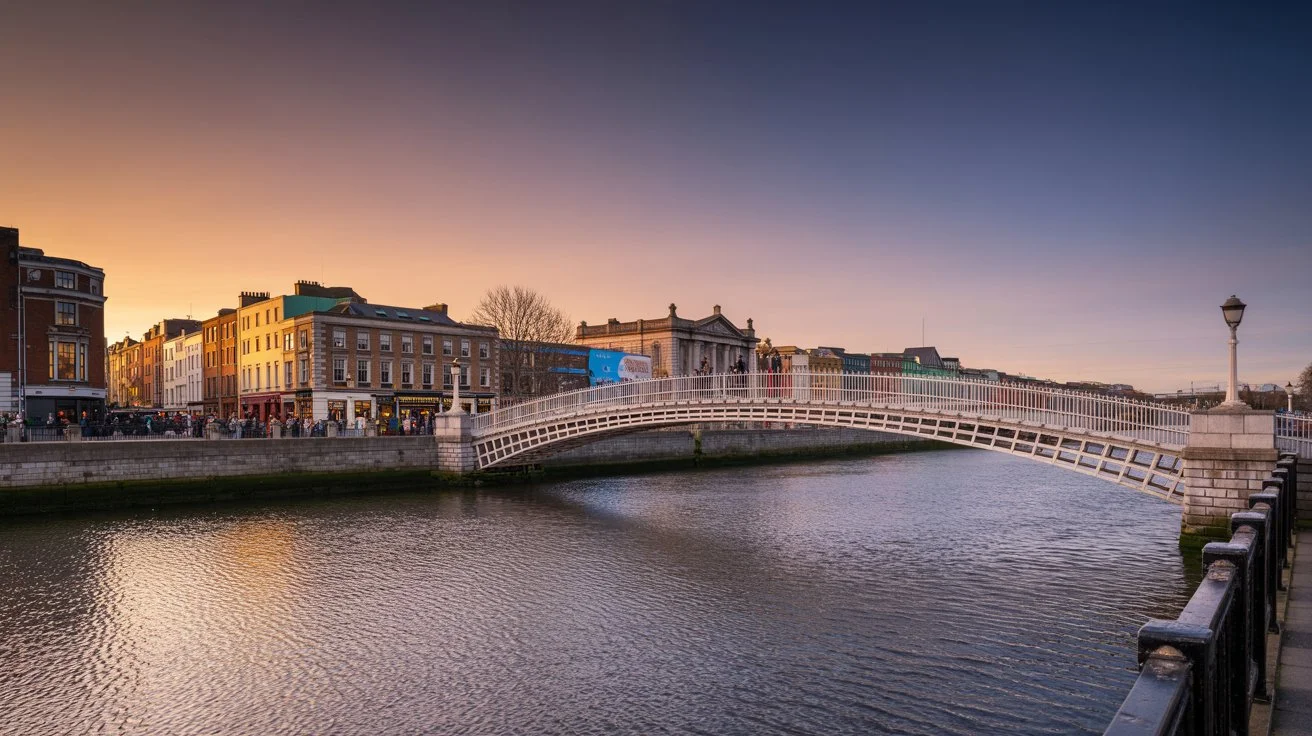
- Ha’penny Bridge: The iconic white iron bridge over the River Liffey, built in 1816. Crossing it costs nothing and the view at golden hour is one of the best free moments in Dublin.
- Grafton Street buskers: Hozier, The Script, and Damien Rice all played here before they became famous. Walk the street on any afternoon and you will catch something genuinely worth stopping for.
- St. Stephen’s Green: A well-kept Victorian park in the city centre. Perfect for a picnic on a good day and a peaceful escape from the tourist flow.
- Iveagh Gardens: Dublin’s best-kept secret. This walled garden has a waterfall, a small maze, and almost no crowds. Locals love it and most tourists walk straight past it.
- Merrion Square Park: Home to the Oscar Wilde statue, which sits opposite the house where Wilde grew up. Free to visit and a genuinely lovely spot.
What Hidden Gems Do Most Tourists Miss in Dublin?
Most visitors follow the same circuit: Trinity, Guinness, Temple Bar. All worth doing, but Dublin rewards the curious traveller who looks a little further.
Marsh’s Library is Ireland’s first public library, built by Archbishop Narcissus Marsh in the 18th century. It still operates today with books sitting in the exact positions Marsh originally assigned them. Entry is €7 and photography is actively encouraged. If you love Irish literature or old manuscripts this place is something special.
St. Michan’s Church holds 17th-century mummies in crypts beneath its floorboards. It is eerie, intimate, and unlike anything else in Dublin.
Glasnevin Cemetery Museum tells the stories of over 1.5 million people buried there, including Michael Collins and Brendan Behan. It also holds the best Irish genealogy research tools in the country.
EPIC: The Irish Emigration Museum in the Dublin Docklands covers the journeys of 10 million Irish people who left Ireland and shaped history, arts, and culture worldwide. It has been named Europe’s Leading Tourist Attraction. Tickets cost around €16.50. If you have Irish roots this is genuinely unmissable.
The National Leprechaun Museum explores Irish folklore and mythology through guided storytelling and immersive sets. Tickets range from €11 to €18 and it works far better than the name suggests.
What Are the Best Day Trips You Can Take From Dublin?
If you have three or more days, getting out of the city at least once is well worth the effort. The DART train makes most of these straightforward.
County Wicklow is the most rewarding day trip from Dublin. The DART puts you in stunning countryside within about 45 minutes. Glendalough, the Valley of Two Lakes, offers free entry with ancient monastic heritage sites and woodland hiking trails. Powerscourt Gardens (€10.50 for adults) has been voted one of the world’s top three gardens. Drive 20 minutes further and you reach Powerscourt Waterfall. End the day warming up at Johnnie Fox’s Pub, the highest pub in Ireland, which sits up in the Dublin Mountains.
Howth is a 25-minute DART ride and offers one of the best coastal cliff walks in Ireland with sweeping views across Dublin Bay. Kilkenny, a medieval city with its own 12th-century castle and the famous Medieval Mile, is a 90-minute drive if you have a hire car.
Is Temple Bar Worth Visiting or Is It a Tourist Trap?
Both, honestly. Temple Bar is worth one visit. The cobbled streets, energy, and live music are genuinely fun on a Friday or Saturday night. But pints regularly cost €7 or more and the crowd is almost entirely tourists.
For a cheaper and more authentic evening, locals head to Kehoe’s, Grogan’s Bar, or Cobblestone in Smithfield where real trad sessions run most nights and the craic is genuinely good. Visit Temple Bar once. Do not make it your base for the whole trip.
FAQs
Is Dublin safe for solo travellers?
Dublin is consistently rated one of the safer European capitals. The city centre is well-lit and busy at most hours. Locals are genuinely friendly and helpful. Solo female travellers regularly report feeling comfortable exploring at night.
What is the best time of year to visit Dublin?
Summer (June to August) brings the best weather and longest daylight but also the highest prices and biggest crowds. Spring and autumn offer a solid balance of decent conditions and fewer tourists. St. Patrick’s Day on March 17th is electric but book accommodation months in advance.
How much does a full day of sightseeing in Dublin cost?
Budget roughly €50 to €60 per person for paid attractions: Guinness Storehouse from €22, Kilmainham Gaol at €8, Trinity College and Book of Kells around €16, Dublin Castle at €8. Phoenix Park, Ha’penny Bridge, and Grafton Street buskers are all completely free.
What is the Gravity Bar at the Guinness Storehouse?
The Gravity Bar is the seventh-floor rooftop bar at the Guinness Storehouse with 360-degree panoramic views across Dublin. Your entrance ticket includes a complimentary pint of Guinness served at the top. It is one of the most photographed viewpoints in the city.
What is hurling and where can you watch it in Dublin?
Hurling is Ireland’s national field sport governed by the GAA and widely called the fastest ground sport in the world. Gaelic football is the other major national sport. Both are played at Croke Park, Europe’s third-largest stadium holding 82,300 people. If no match falls on your dates, the Croke Park museum tour is a solid alternative.
What Irish phrases should tourists know before visiting?
Two are enough: céad míle fáilte (pronounced “kade meela fawlcha”), meaning a hundred thousand welcomes, and craic (pronounced “crack”), meaning good fun or a great time. Use them in any traditional Irish pub and you earn genuine warmth from locals immediately.
Can you visit Dublin on a tight budget?
Yes. Phoenix Park, Iveagh Gardens, Merrion Square, Ha’penny Bridge, and Grafton Street buskers are all free. Book attraction tickets online for discounts, carry your student ID for savings at major sites, and avoid drinking in Temple Bar where prices are highest.
What area of Dublin is best for first-time visitors?
The city centre is the best base. You can walk to most major attractions within 20 minutes. The Portobello and Merrion Square neighbourhoods offer a quieter residential feel while keeping you well connected by public transport.
The Real Way to Experience Dublin
The honest truth about things to do in Dublin is that the best moments are rarely the ones you fully planned. Book Kilmainham Gaol and the Guinness Storehouse well in advance because both sell out regularly. Cover the landmarks. Then leave a couple of unplanned hours each day and let the city show you something on its own terms. Dublin always has something up its sleeve for the traveller who gives it the chance.