
Greece Must See: The Complete Guide to Islands and Mainland
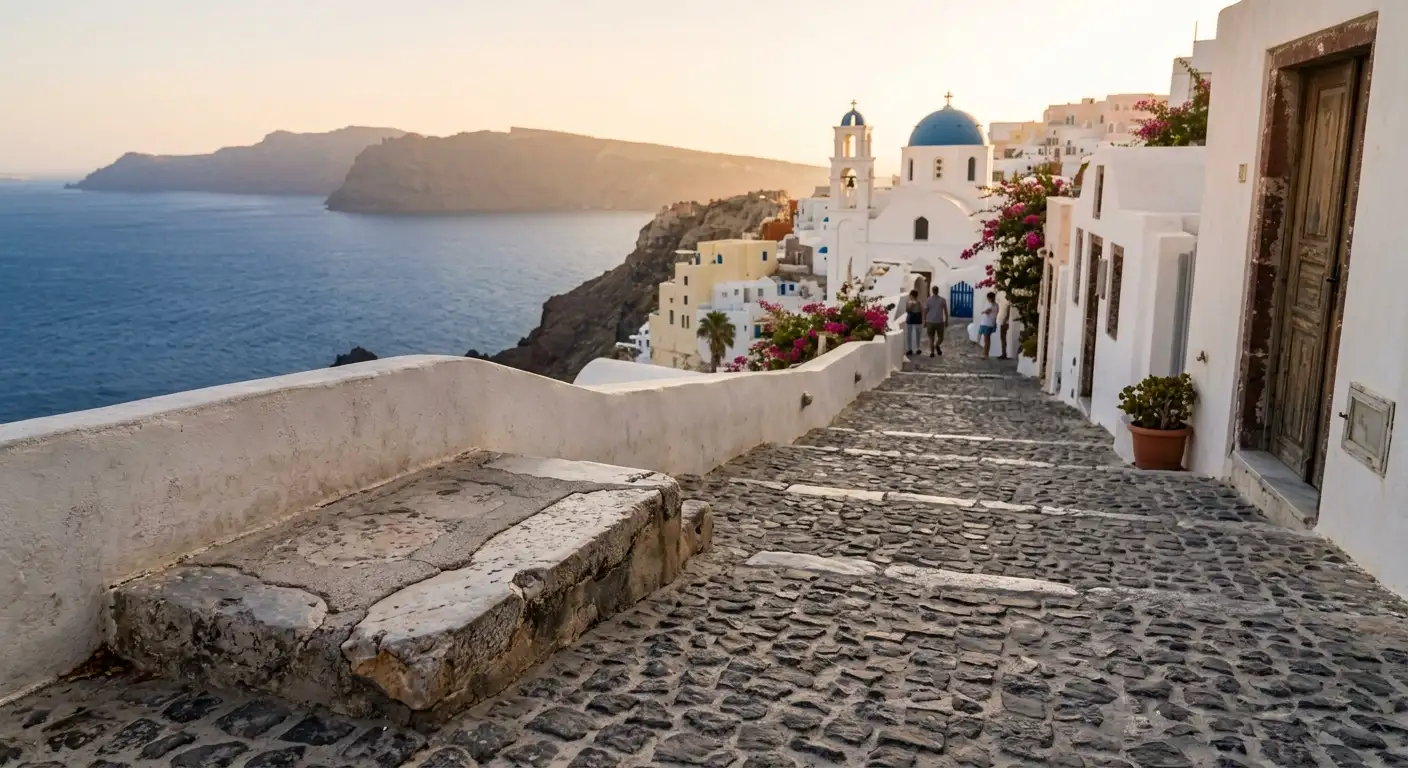
Greece must see destinations span the islands of Santorini, Mykonos, Crete, and Rhodes alongside mainland highlights like Athens, Meteora, and Nafplio. Most first timers plan an entire trip around one or two famous islands and completely overlook the mainland, missing out on ancient ruins, mountain monasteries, and coastal towns that genuinely rival the islands for beauty.
Should You Visit Greek Islands or Mainland Greece?
| Region | Best For | Standout Destinations |
| Greek Islands | Beaches, romance, island hopping | Santorini, Mykonos, Crete, Rhodes, Zakynthos |
| Mainland Greece | History, mountains, road trips | Athens, Meteora, Nafplio, Delphi, Mystras |
Greece’s islands deliver the postcard imagery most travelers picture first, whitewashed buildings, inky blue domes, and Aegean sunsets, but the mainland holds its own with ancient ruins, mountain monasteries, and charming towns easily reached from Athens. Travelers with a week or less should generally pick one region rather than splitting time thin between both, while a trip of ten days or more genuinely allows for a proper taste of islands and mainland together. A common mistake first timers make is assuming Greece begins and ends with two or three famous islands, when mainland destinations like Meteora and Nafplio consistently rank among the country’s most photographed spots.
What Is the Best Greek Island for Couples?
Santorini consistently earns the top recommendation for couples, often called one of the most romantic islands on the planet thanks to its cobbled streets, whitewashed buildings, and famously dramatic sunsets over Oia and Fira. Reachable via a 50-minute flight from Athens, the island rewards visitors with the ancient ruins of Akrotiri, the fiery red sands of Red Beach, and wine tasting at volcanic vineyards like Venetsanos Winery, where a crisp Assyrtiko white pairs perfectly with caldera views. Boutique hotels here consistently offer private plunge pools and caldera-facing rooms, and a volcanic hot-stone massage using local lavender and wild thyme rounds out a genuinely indulgent stay.
What Is the Best Greek Island for Nightlife?
Mykonos remains the clear pick for nightlife, reachable via a 2.5-hour high-speed ferry from Santorini, making the two islands an easy combination for travelers wanting both romance and energy in one trip. Beyond the party reputation, Mykonos genuinely delivers on beauty too, with striking white Cycladic architecture, cobbled lanes, and beaches ranging from lively Paradise to family-friendly Ornos and peaceful Elia. Clifftop clubs like Cavo Paradiso, perched 100 feet above the sea with an open-air dance floor, anchor the island’s after-dark reputation, while Little Venice and the sunset glow around Paraportiani Church offer a quieter counterpoint earlier in the evening.
What Is the Best Greek Island for Families?
Rhodes works particularly well for families, combining a storybook medieval Old Town with a genuinely family-friendly coastal hike to Saint Paul’s Bay near the ancient acropolis of Lindos. Crete similarly suits families well given its sheer size and variety, with the pink sands of Elafonissi and calmer coastal stretches offering gentler options than the island’s more strenuous hikes like Samaria Gorge. One honest downside worth knowing on Rhodes: the nightlife zone of Faliraki has grown genuinely dated and rowdy compared to the island’s quieter beach towns, so families should base themselves elsewhere on the island and treat Faliraki as one to skip rather than seek out.
What Are the Best Underrated Greek Islands?
Naxos, the largest island in the Cyclades, consistently earns praise as an underrated alternative to its glitzier neighbors, delivering sugar-soft beaches, whitewashed villages, and the iconic Portara at the Temple of Apollo without Mykonos-level crowds or prices. Thassos, reached via a direct flight to Kavala followed by a 40-minute ferry, rewards visitors with emerald pine forests and the genuinely striking Marble Beach, though it’s honestly not the destination for travelers seeking nightlife. Lefkada, connected to the mainland by a short floating bridge crossing of just over 30 minutes from Preveza, offers dramatic white cliff coastlines and the famous Porto Katsiki beach, though its south coast gets genuinely too windy for comfortable swimming, making it a better fit for windsurfers than sunbathers.
Is Meteora Worth Visiting?

Yes, and it’s arguably the single most essential mainland Greece must see destination beyond Athens. This UNESCO listed site dates back to the 14th century, with six active Eastern Orthodox monasteries perched on sandstone pinnacles rising more than 1,300 feet above the valley below, down from an original 24 built by monks between the 13th and 14th centuries. A four-hour train from Athens delivers you to the base town of Kalambaka, and reaching the monasteries themselves genuinely demands tackling steep, rock-carved staircases, so budgeting real physical effort into the visit matters. Great Meteoron and Varlaam consistently rank as the most rewarding of the six monasteries to explore, with Byzantine frescoes and genuinely spiritual atmosphere throughout. Guided tours through a local operator work well for first timers, since self-driving is generally considered the least desirable way to navigate the confusing trail network between sites.
What Day Trips Can You Take from Athens?
| Day Trip | Travel Time from Athens | Highlight |
| Meteora | 4-hour train | Monasteries on sandstone pinnacles |
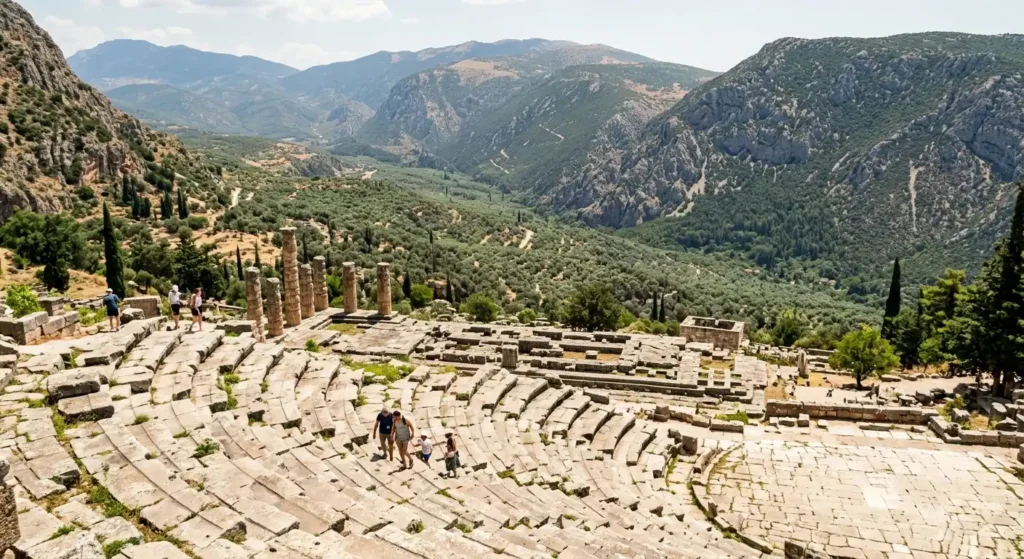
| Delphi | Just under 2.5-hour drive | Ancient theatre, €12 entrance fee |
| Nafplio | 2-hour drive | Bourtzi fortress, Palamidi Castle |
| Mystras | 3.5-hour bus (via Sparta) | Byzantine ruins, €12 entrance fee |
Nafplio makes an easy addition to any mainland Greece itinerary, reachable via a 2-hour drive, and its bayside setting, romantic cobblestone Old Town, and dramatic Venetian fortress consistently earn it a spot among Greece’s most charming towns. Delphi, one of the country’s most important archaeological sites, sits just under a 2.5-hour drive away and charges a €12 entrance fee, though travelers should expect little shade and genuine heat during the moderately steep 15-minute climb up to the ancient theatre. Mystras, reached via a 3.5-hour bus journey through Sparta, delivers crumbling Byzantine churches and fortress walls tumbling down a green hillside, and while it makes for a long day trip with an entrance fee matching Delphi’s €12, the panoramic views from the fortress genuinely justify the effort. Epidaurus and Mycenae both sit in the Peloponnese and can be combined into a single day trip, with Epidaurus’s ancient healing sanctuary and theatre pairing naturally with Mycenae’s Lion Gate and the possible tomb of Agamemnon.
What Should You Know Before Visiting Greece?
Several honest downsides are worth knowing before you commit to specific destinations. Faliraki on Rhodes has genuinely aged into a dated, rowdy nightlife zone best avoided by travelers seeking a quieter holiday. Laganas on Zakynthos gets similarly overwhelming during peak summer months, so travelers wanting more peace should look toward the island’s quieter corners instead. Lefkada’s south coast wind, while excellent for windsurfers, genuinely limits comfortable swimming, so pack accordingly if you’re headed there specifically for beach time. And archaeological sites like Delphi offer little shade, so visiting earlier in the day and bringing proper sun protection matters more than it might at a typical beach destination.
What Should You Eat and Drink in Greece?
Greek food and drink varies genuinely by region, and trying local specialties as you travel adds real depth to a trip. Santorini’s volcanic vineyards produce Assyrtiko, a crisp, mineral-driven white wine worth seeking out at a winery tasting. Rhodes rewards visitors with briam, oven-roasted courgettes, potatoes, tomatoes, and peppers drizzled with olive oil and oregano, often paired with honey-scented Mastiha liqueur. Nafplio’s cafes serve a proper freddo espresso alongside cinnamon-dusted bougatsa pastry, while Lefkada’s Vertzami red wine and a classic ouzo cocktail both round out the mainland and island drinking scene respectively. Mystras rewards a post-hike meal with smoky eggplant dip and gigantes plaki, baked giant beans in a rich tomato and herb sauce.
How Many Days Do You Need for a Trip to Greece?
A week works well for a single-region trip, either focusing entirely on two or three islands or spending the time exploring Athens and one or two mainland day trips. Ten days to two weeks genuinely allows for a proper combination, pairing a few days in Athens with mainland stops like Meteora or Nafplio before flying or ferrying out to islands like Santorini and Mykonos. Travelers with less than a week should resist the urge to island hop extensively, since the flight and ferry connections, even short ones like the 50-minute Athens-Santorini hop, add up quickly and eat into actual sightseeing time.
Final Thoughts
Deciding on the real greece must see list comes down to accepting that islands and mainland genuinely complement each other rather than competing for your limited time. Pick Santorini or Mykonos for the classic island experience, add Athens and a mainland day trip like Meteora or Nafplio if your schedule allows, and factor in honest downsides like Faliraki’s rowdiness or Delphi’s shadeless heat before finalizing your route. Whether it’s sunset over Oia or a steep climb up to a Meteora monastery, the best greece must see destinations reward travelers who plan around both the calendar and the country’s genuine geographic spread.
FAQs
Is Santorini or Mykonos better?
Santorini suits couples and travelers chasing romance and dramatic sunsets, while Mykonos suits those wanting nightlife and a livelier social scene, and the two islands connect easily via a 2.5-hour ferry, making a combined visit genuinely practical.
What is the best time to visit Greece?
Late spring through early autumn generally delivers the most comfortable weather for both islands and mainland sightseeing, though peak summer brings the heaviest crowds and highest prices at the most famous destinations.
Is Athens worth visiting?
Yes, and travelers who’ve visited multiple times consistently find more to love with each trip, from the Acropolis and Ancient Agora to characterful neighborhoods like Plaka and rooftop bars with Acropolis views.
What is the most underrated place in Greece?
Naxos, Thassos, and the mainland village of Trikala Corinthia all earn genuine underrated status, offering the beauty and charm of Greece’s more famous spots without the crowds or inflated prices.


