Things to Do in Iceland: The Complete Activity Guide for 2026
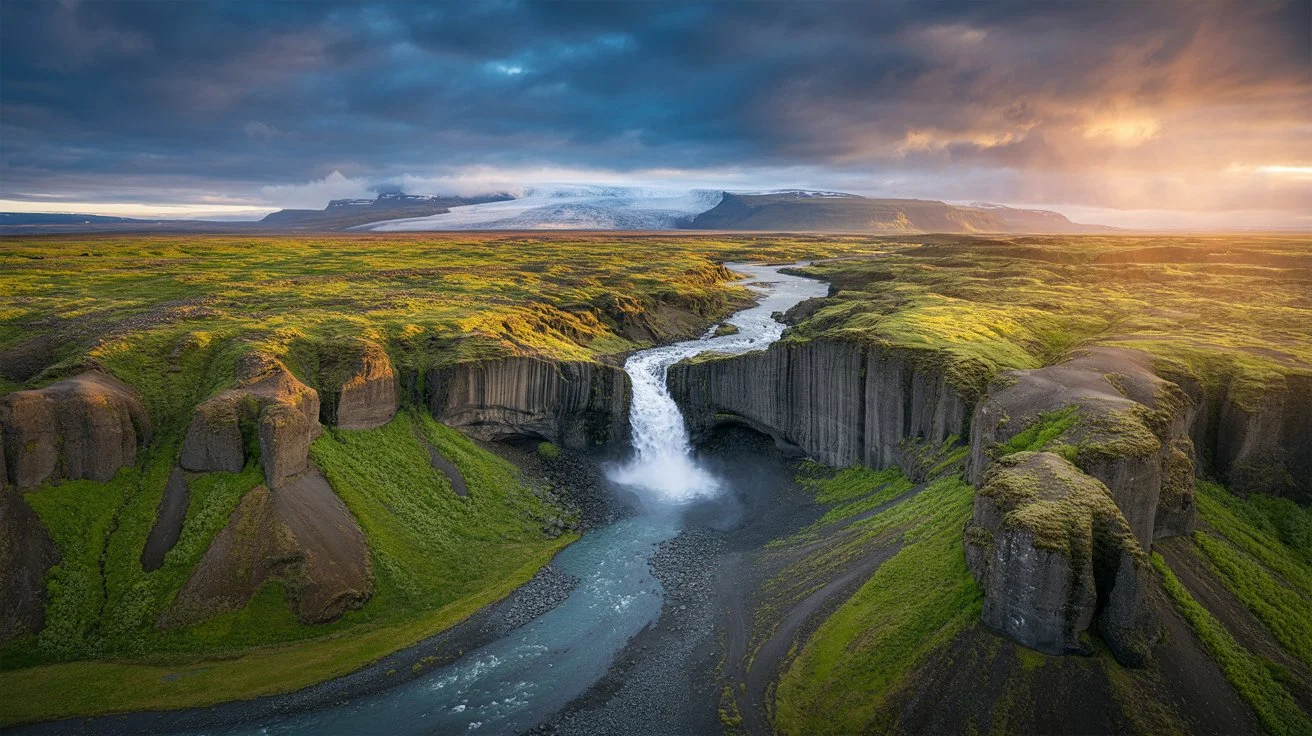
Iceland is one of the few places on earth where the landscape genuinely stops you cold. The things to do in Iceland range from snorkeling between two tectonic plates to watching puffins on ancient sea cliffs, soaking in geothermal pools, and chasing the Northern Lights across a dark winter sky. Whether you have four days or two weeks, this guide covers every major experience and every practical detail you need before you go.
What Is Iceland Actually Famous For?
Iceland earns its nickname: the land of fire and ice.
The country sits on the boundary where the North American and European tectonic plates meet, and that geological tension drives everything remarkable about the place. Active volcanoes, natural hot springs, geysers, and vast lava fields sit alongside massive glaciers. Vatnajökull alone covers nearly 8% of the island.
Add the Northern Lights in winter and the midnight sun in summer, and you have a destination that changes completely depending on the season. The real advantage is that Iceland is compact. The Golden Circle, South Coast waterfalls, glacier experiences, and geothermal spas all sit within a few hours of Reykjavik.
What Are the Best Things to Do in Reykjavik for First-Time Visitors?
Reykjavik is small, walkable, and genuinely worth two full days.
Walk Laugavegur, the main street lined with independent cafes, boutiques, and some of the best restaurants on the island. Take Rainbow Street (Skólavörðustígur) up to Hallgrímskirkja, Iceland’s largest church at 74.5 meters tall. A small fee gets you to the eighth floor, where the panoramic views of the city pay it back immediately.
Down by the harbor, the Sun Voyager sculpture and the Harpa Concert Hall are both worth a stop. The Old Harbor area now runs as a lively food and culture district with food halls and local shops.
One stop most visitors miss is Perlan Museum. This science and natural history museum covers Iceland’s geology, fauna, and history with hands-on exhibits. It gives solid context for everything you are about to see outside the city.
Before leaving Reykjavik, eat the Icelandic hot dog from Bæjarins Beztu Pylsur. Made primarily from lamb, topped with fried and raw onions, pylsusinnep (sweet brown mustard), and remoulade, it is one of the cheapest and most authentic meals you will find anywhere in Iceland.
What Is the Golden Circle and What Does It Include?
Among the top things to do in Iceland, the Golden Circle stands apart. It is a 200km loop from Reykjavik covering three iconic natural landmarks in a single day.
Thingvellir National Park is where to start. A UNESCO World Heritage Site sitting on the rift valley between the North American and European tectonic plates, it splits apart visibly at 2cm per year. This is also where Viking settlers established the Alþingi in 930 AD, the world’s first democratic parliament. Both its history and its geology are worth the visit.
Strokkur Geyser in the Geysir Geothermal Area erupts every 5 to 10 minutes, shooting water up to 35 meters into the air. You can stand remarkably close. The original Geysir, which gave every geyser in the world its name, no longer erupts but still anchors the area.
Gullfoss closes the main loop. Glacial meltwater drops in two cascades into a narrow canyon, and the path above puts you close enough to feel the spray.
Most bus tours stop here. If you are driving yourself, three stops are worth adding that most tourists skip:
- Kerid Volcano Crater, a 6,500-year-old caldera with an aquamarine lake at the base
- Bruarfoss, known as Iceland’s bluest waterfall
- Fridheimar farm, where tomatoes grow in geothermally heated greenhouses and the lunch is genuinely good
What Are the Must-See Stops on Iceland’s South Coast?
The South Coast is where Iceland’s landscape becomes completely unreal. Drive east from Reykjavik and the waterfalls start arriving one after another.
Seljalandsfoss lets you walk behind a 60-metre drop through a narrow cliff path. You will get thoroughly soaked. A waterproof jacket and trousers are not optional. Entry is free; only parking costs money.
Five minutes on foot from Seljalandsfoss is Gljúfrabúi, a hidden waterfall tucked inside a canyon that most visitors walk straight past. Step through the narrow canyon opening and you get one of the best surprises on the entire South Coast.
Skogafoss further along is one of Iceland’s most photographed waterfalls. A staircase climbs to the top, where a trail runs past 25 more waterfalls along the Skóga River toward Eyjafjallajökull.
Near Vik i Myrdal, the Reynisfjara Black Sand Beach delivers volcanic drama on a different scale. The Reynisdrangar Cliffs and towering basalt columns create a scene unlike any other beach on earth. Serious warning: sneaker waves here have swept tourists into the sea. Stay well back from the waterline.
Further east, Jökulsárlón Glacier Lagoon is where icebergs calve off Vatnajökull Glacier and drift slowly toward the ocean. Right next to it is Diamond Beach, where those icebergs wash ashore polished transparent as glass against black volcanic sand.
What Unique Things Can You Only Do in Iceland?
The most unique things to do in Iceland are experiences tied specifically to this island’s geology and wildlife. Some exist nowhere else on earth.
Snorkeling at Silfra tops the list. The Silfra Fissure in Thingvellir National Park runs directly between the North American and European tectonic plates. The glacially filtered water offers visibility up to 100 meters. Water temperature sits between 2 and 4 degrees Celsius year-round. You wear a full dry suit, and your face still feels every degree. At around $150 per person, it is expensive. Nothing else like it exists on the planet.
Horseback riding on an Icelandic horse is tied completely to this island. The breed exists nowhere outside Iceland and is known for its unique fifth gait, the tölt, which delivers a smooth ride standard breeds cannot match. Tours run along the south shore coastal dunes, and most riders call it the highlight of their whole trip.
Glacier hiking on Sólheimajökull or Vatnajökull takes you across ancient ice with crampons and a certified guide. In winter, guided ice cave tours go inside the glacier through tunnels of layered blue and black ice that form only in cold months.
For wildlife, the Westman Islands (Vestmannaeyjar) host the world’s largest puffin colony near Storhofoi. Visit between May and August. Whale watching tours depart from Reykjavik’s Old Harbor and from Ólafsvík on the Snæfellsnes Peninsula year-round.
Blue Lagoon vs Sky Lagoon: Which One Is Actually Worth It?
Both geothermal experiences are worth visiting but they serve different purposes.
The Blue Lagoon sits 50km from Reykjavik near Keflavik Airport. The milky turquoise geothermal pool, silica mud masks, and in-water snack bar set against black lava fields create an image most people recognize immediately. Entry runs $70 to $120 or more depending on the package. It is crowded and expensive. The setting is genuinely spectacular. Book weeks ahead because it sells out consistently.
The Sky Lagoon sits close to Reykjavik’s city center. It offers ocean views, a multi-step spa ritual, and a calmer atmosphere at a lower price point. For a relaxed soak without the tourist volume, Sky Lagoon wins.
| Feature | Blue Lagoon | Sky Lagoon |
|---|---|---|
| Location | 50km from Reykjavik | Near city center |
| Price range | $70 to $120+ | $50 to $90 |
| Crowd level | High | Moderate |
| Best for | Bucket list experience | Relaxed local spa |
Practical tip: combine the Blue Lagoon with your Keflavik Airport arrival or departure day. It sits just 23km from the airport and fits the schedule naturally.
What Are the Best Things to Do in Iceland in Winter vs Summer?
Iceland in winter and Iceland in summer are almost two different destinations.
Winter (October through March):
- Chase the Northern Lights (Aurora Borealis) far from city light pollution
- Book ice cave tours inside Vatnajökull while the caves are open
- Soak in geothermal pools surrounded by snow
- Go snowmobiling on glacier surfaces
Summer (June through August):
- Experience the midnight sun staying bright past midnight
- Watch puffins on the Westman Islands and Snæfellsnes Peninsula
- Join whale watching tours from Reykjavik
- Hike open trails including routes around the Snæfellsnes Peninsula
Year-round activities include snorkeling at Silfra, horseback riding, the Golden Circle, the Blue Lagoon, and the full South Coast drive.
For 2026 specifically: the solar maximum means Northern Lights activity is displaying with unusual intensity this season. If Aurora Borealis viewing sits on your Iceland bucket list, this winter is an exceptional window.
How Many Days Do You Actually Need in Iceland?
| Trip length | What you can realistically cover |
|---|---|
| 3 to 4 days | Reykjavik, Golden Circle, Blue Lagoon |
| 5 to 7 days | Add South Coast, Reynisfjara, Jökulsárlón |
| 8 to 10 days | Add Snæfellsnes Peninsula and Westman Islands |
| 2 weeks or more | Full Ring Road loop around the island |
Seven days works well for most first-time visitors. Rent a car. Iceland is built for self-drive travel, and your own vehicle means you stop when something demands it rather than following a group schedule. For glacier hiking, ice cave tours, and Silfra snorkeling, book guided options since certified guides are required for safety.
FAQs
What is the number one thing to do in Iceland?
Most visitors point to the Golden Circle. It covers Thingvellir National Park, Strokkur Geyser, and Gullfoss Waterfall in a single day from Reykjavik and works for any travel style or budget.
Can you see the Northern Lights in Iceland in summer?
No. The midnight sun keeps the sky too bright from June through early August. Come between October and March for reliable Aurora Borealis viewing. The 2025 to 2026 solar maximum makes this season particularly strong.
Is Silfra snorkeling worth the money?
If cold water does not bother you and you want a one-of-a-kind geological experience, yes. If you prefer warm water and colorful marine life, skip it. The visibility and the setting between two tectonic plates are extraordinary.
Is one day enough for the Golden Circle?
One full day covers the three main stops comfortably. Add Kerid Crater, Bruarfoss, and Fridheimar farm and you need a full seven to eight hours on the road.
Is Iceland good for families?
Yes. Horseback riding, waterfall walks, whale watching, Perlan Museum, and geothermal pools work well with children. Glacier hikes and ice cave tours have age restrictions depending on the operator, so check before booking.
What are the best hidden gems in Iceland?
Gljúfrabúi waterfall near Seljalandsfoss, Bruarfoss on the Golden Circle, Fjaðrárgljúfur Canyon near Vik, and Kirkjufellsfoss on the Snæfellsnes Peninsula are all spectacular and far less crowded than the headline sites.
What should I pack for Iceland?
A waterproof jacket, waterproof trousers, warm layers, and solid walking shoes. Iceland’s weather changes fast. South Coast waterfall stops guarantee you will get wet.
How expensive is Iceland in 2026?
Budget $150 to $300 per person per day covering accommodation, food, car rental, and activities. Blue Lagoon entry runs $70 to $120. Silfra snorkeling costs around $150. Book in advance; availability shifts quickly.
The Bottom Line
Iceland rewards the traveler who shows up prepared. The best things to do in Iceland are not scattered across a vast country, they are concentrated on a compact island you can drive in a week. Start in Reykjavik, follow the Golden Circle east, work down the South Coast toward Jökulsárlón, and leave room for at least one experience Iceland owns completely, whether that is floating between tectonic plates at Silfra or standing in silence while Strokkur shoots water 35 meters into the sky. Book early, rent a car, pack for rain, and go.