Things to Do in Norway: Your 2026 Guide to Fjords, Lights and Hidden Gems
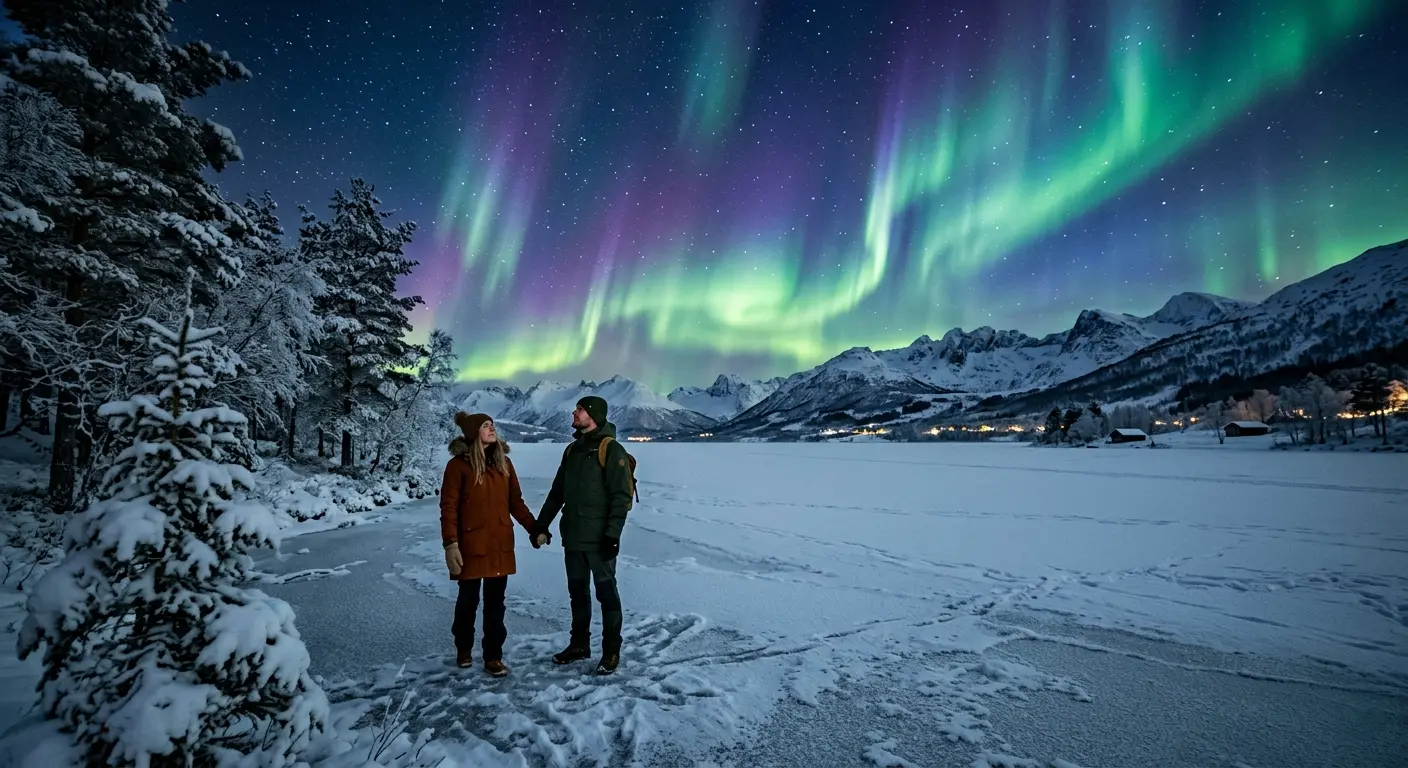
Norway is one of those rare destinations where the landscape does the talking. The best things to do in Norway include cruising the UNESCO-listed Naeroyfjord, riding the legendary Flam Railway, chasing the Aurora Borealis in Tromso, and hiking Preikestolen above Lysefjord. Whether you visit under the Midnight Sun or during the Northern Lights season, Norway delivers experiences that shift your perspective permanently.
Norway sees over 10 million tourists a year, nearly twice its own population. People do not visit once and move on. They come back. They plan longer trips the second time. And they always say the same thing: they wish they had gone sooner. Here is everything you need to plan a trip that actually goes deep.
What Is Norway Famous For as a Travel Destination?
Norway is world-famous for its dramatic fjords, Viking heritage, the Northern Lights Aurora Borealis and the Midnight Sun. It is also celebrated for iconic hikes like Trolltunga and Preikestolen, the Flamsbana Flam Railway, Bryggen Wharf in Bergen and a deeply rooted cultural philosophy called friluftsliv.
Friluftsliv translates loosely as outdoor life. It is the Norwegian belief that being outside in nature whether hiking, skiing or walking a fjord trail is essential to human wellbeing. Spend one day here and you will feel it.
One more concept every visitor should know: Allemannsretten, Norway’s right to roam law. Every person has the legal right to walk, hike and camp almost anywhere in the Norwegian wilderness, as long as you stay at least 150 meters from private homes and leave no trace. For budget travelers it is one of the best laws in Europe.
What Are the Best Things to Do in Bergen, Norway?
Bergen is Norway’s atmospheric coastal city tucked between seven hills and seven fjords. It is moody, cinematic and genuinely unforgettable.
- Bryggen Wharf: Walk the leaning colorful Hanseatic buildings along the harbor. These 14th-century wooden structures are a UNESCO World Heritage Site and now house museums, artisan boutiques and cozy cafes.
- Floibanen Funicular: Ride up to Mount Fløyen in under eight minutes for a panoramic view of Bergen’s red rooftops, surrounding fjords and the Seven Sisters Mountain range.
- Knosesmauet: Bergen’s best-kept secret. A cobbled lane lined with white-washed houses and flower boxes that most tourists never find. Go there.
Bergen has roughly 239 rainy days per year. Bring a layer. The rain adds to the atmosphere rather than taking away from it.
What Should You Do in Oslo on Your First Visit?
Oslo blends Viking heritage with a futuristic waterfront in a way few European capitals manage. Start at the Oslo Opera House, a building you can walk on top of. Then visit the Munch Museum, which holds the lifetime works of Edvard Munch. Stroll Akershus Fortress for medieval history and a sweeping harbor view.
Then head to Grunerlokka. This is Oslo’s creative neighborhood with natural wine bars, specialty coffee and a general energy that is very much its own thing. The Oslofjord at sunset is outstanding for photographers, where sleek glass architecture meets traditional wooden boats in one frame.
The Vigeland Sculpture Park is free to enter and holds over 200 sculptures. It is one of the most distinctive public art spaces in Scandinavia and most visitors are genuinely surprised by how impressive it is.
Why Is the Flåm Railway One of the World’s Best Train Journeys?
The Flåmsbana connects Flåm to Myrdal over 20 kilometers of track with a staggering elevation gain. The train climbs through emerald valleys and up into rugged windswept terrain that feels almost lunar.
The highlight is the stop at Kjosfossen Waterfall, where passengers step outside to feel the mist. Norwegian folklore says the dancing figure in the mist is the Huldra, a mythical forest creature. Standing at that waterfall, you may actually believe it.
The full journey takes about one hour each way. It pairs perfectly with a Nærøyfjord ferry as part of the Norway in a Nutshell tour, which combines the Flåm Railway, a Nærøyfjord cruise and the Bergen Railway into one seamless day trip. It is the most popular tour package in Norway and it earns that reputation.
What Are the Best Norwegian Fjords to Visit?
The Norwegian fjords are the country’s defining feature. Here is a clear breakdown:
- Nærøyfjord: A UNESCO World Heritage Site and one of Europe’s narrowest fjords. Part of the Norway in a Nutshell route.
- Sognefjord: Norway’s longest and deepest fjord.
- Geirangerfjord: The most photographed fjord with cascading waterfalls on both sides.
- Lysefjord: Home to Preikestolen (Pulpit Rock), the hike that tops most Norway bucket lists.
- Hardangerfjord: Known for the Trolltunga hike and the Hardangerjøkulen glacier.
The Hurtigruten coastal cruise connects fjord villages from Bergen all the way to the Arctic Circle. Even a short leg delivers a perspective of Norway’s coast that no road trip can replicate.
What Are Norway’s Most Famous Hikes?
Norway’s three most iconic hikes are Preikestolen (Pulpit Rock), Trolltunga and Kjeragbolten. Locals call them the Big Three. All three are best attempted between June and early September.
Pulpit Rock Preikestolen near Stavanger above Lysefjord is the most beginner-friendly. It is a four-kilometer round trip and the summit sits 604 meters above the fjord.
Trolltunga is a 12-hour round trip with serious elevation gain, sitting 700 meters above Ringedalsvatnet lake. After late September, weather can shift from clear to blizzard with almost no warning. Book a guided hike.
Besseggen Ridge in Jotunheimen National Park runs 14 kilometers across a narrow ridge between Gjende and Bessvatnet lakes. It is hard. The views are the kind people describe for the rest of their lives.
What Are the Best Things to Do in the Lofoten Islands?
The Lofoten Islands are one of the things to do in Norway that first-time visitors most commonly skip and most commonly regret. This is a chain of jagged mountain-backed islands above the Arctic Circle with a coastline built for photography.
Hike Reinebringen above the fishing villages of Reine and Hamnøy for views that are stunning in any season. Stay in a rorbuer, a traditional Norwegian fisherman’s cabin on the water. Combine your visit with a trip to Vesterålen for whale watching. In summer, Midnight Sun photography here is extraordinary.
What Are the Best Things to Do in Tromsø, Norway?
Tromsø sits 350 kilometers north of the Arctic Circle. It is the capital of Northern Lights tourism in Norway and where urban comfort meets extreme Arctic nature.
Tromsø sits directly under the Aurora Oval, making it one of the most reliable places on Earth to witness the Aurora Borealis. The Northern Lights season runs September to April. November through January offers the most darkness and best odds. Peak viewing hours fall between 11 p.m. and 2 a.m. The weeks around the March and September equinoxes are particularly active due to the Russell-McPherron effect.
Beyond the Northern Lights:
- Dog sledding and reindeer sledding in the surrounding wilderness
- Whale watching November and December are peak months
- The Arctic Cathedral, a striking church designed to resemble an ice flake
- The Blue Hour, a brief violet-hued light unique to the Arctic winter that no photograph fully captures
The Polar Night, when the sun does not rise at all, sounds harsh. In practice it is quietly magical.
What Traditional Norwegian Food Should You Try?
Norwegian cuisine is rooted in the sea and the land.
- Smoked salmon: A Norwegian staple. Fresh, simple and nothing like the packaged version you know from home.
- Norwegian waffles: Heart-shaped, served sweet or savory. A genuine cultural institution.
- Aquavit: The traditional Norwegian spirit flavored with caraway. Have it cold in a small glass.
- Under restaurant: A Michelin-starred underwater restaurant in Kristiansand. One of the most unique dining experiences in Europe.
The Bergen Matfestival is Norway’s largest local food festival, held in late summer and worth timing your trip around.
When Is the Best Time to Visit Norway?
This depends entirely on what you want.
- June to August: Best for Midnight Sun, fjord cruises, hiking the Big Three and Lofoten Islands photography.
- September to March: Best for Northern Lights, dog sledding and Polar Night in Tromsø.
- September and March shoulder seasons: The smartest windows for first-timers. Northern Lights are active and fjords are still accessible.
A 7-day Norway itinerary covers Oslo, Bergen and the Flåm Railway via Norway in a Nutshell. Add Tromsø or the Lofoten Islands for a 10-day itinerary. Use the Bergen Railway as your scenic transit between Oslo and Bergen.
Is Norway Expensive to Visit in 2026?
Norway is one of Europe’s most expensive destinations. But 2026 is a better window than most recent years. The Norwegian Krone (NOK) is historically weak against the USD and Euro, meaning your budget stretches further.
Key savings:
- Buy spirits at airport duty-free on arrival. You save up to 40% versus bar prices.
- Use Allemannsretten to camp legally in the wild.
- Book Hurtigruten cruises four to six months out for early-bird rates starting around USD 519 for seven nights.
Frequently Asked Questions About Things to Do in Norway
What is the most visited attraction in Norway? Bryggen Wharf in Bergen and Preikestolen (Pulpit Rock) above Lysefjord consistently rank as Norway’s most visited attractions. The Flåm Railway and Nærøyfjord cruise are the most booked paid experiences.
Is Norway worth visiting in winter? Yes. Tromsø and the Lofoten Islands in winter offer the Northern Lights, dog sledding and Polar Night. These experiences exist nowhere else at that quality. The weaker NOK in 2026 also makes winter trips more affordable.
Can you see the Northern Lights in Bergen? Not reliably. Bergen sits too far south. Travel north of the Arctic Circle to Tromsø, Lofoten Islands, Alta or Bodø for consistent Aurora Borealis sightings.
What is the Norway in a Nutshell tour? A self-guided route combining a Nærøyfjord ferry, the Flåmsbana and the Bergen Railway into one day. It is the most efficient way to experience Norway’s iconic scenery and absolutely worth the cost.
How hard is the Trolltunga hike? It is a demanding 12-hour round trip with serious elevation gain. Not beginner-friendly. Book a guided hike and only attempt it between June and early September.
What is Plogging in Norway? Plogging means picking up litter while jogging or hiking. On trails like Reinebringen or Trolltunga, participating signals genuine respect for Norwegian outdoor culture. Locals notice and appreciate it.
What is the Loen Skylift? An aerial tramway ascending 1,011 meters to the summit of Mount Hoven in five minutes. Sweeping views of Nordfjord. Opened in 2017 and now one of Norway’s most dramatic viewpoints.
What is the Sami culture in Norway? The Sami are Norway’s indigenous people with a culture rooted in reindeer herding and traditions recognized by UNESCO as Intangible Cultural Heritage. You can experience Sami culture most authentically in Northern Norway around Tromsø.
Final Thoughts
Norway rewards every traveler who plans properly. Yes, the fjords are as dramatic as advertised. The Northern Lights in Tromsø will stop you mid-sentence. The Flåm Railway will change how you think about train travel.
But the best things to do in Norway are often the quieter ones. A morning in Knøsesmauet. Smoked salmon in a Bergen cafe while rain hits the window. Standing on Pulpit Rock above Lysefjord realizing the world is much bigger than your screen.
Start planning now. Norway in 2026 is a genuinely rare opportunity given the NOK exchange rate and the solar cycle making Northern Lights more visible than usual. The experiences are world-class. The cost of not going is honestly higher.