
Rotorua Must Do: The Complete Guide to Geothermal Parks and Hot Springs
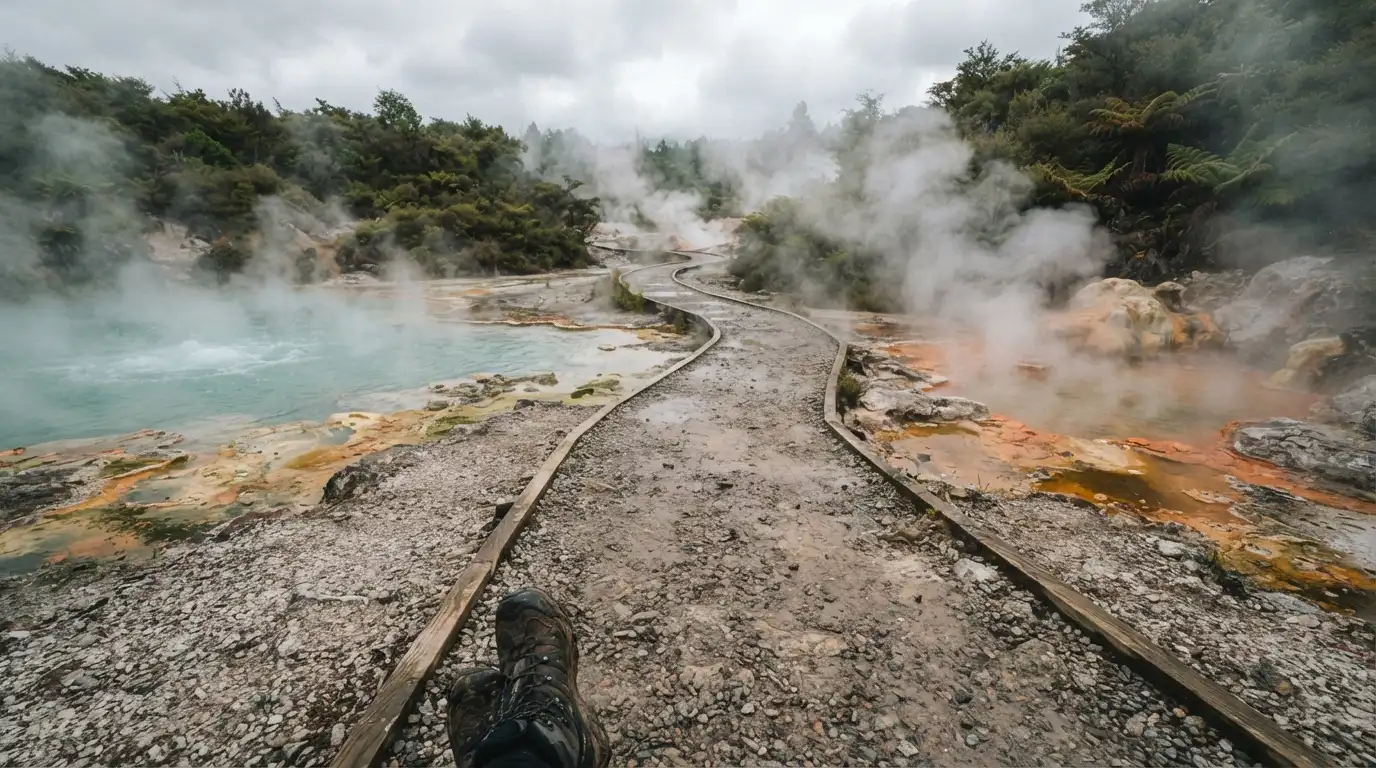
Rotorua must do experiences include visiting a geothermal park like Waimangu Volcanic Valley, soaking in a hot spring, and experiencing Māori culture through kapa haka and hāngī at Te Puia. With so many similarly named geothermal parks and thermal pools competing for attention, most first timers arrive genuinely unsure which ones actually deserve a spot on their itinerary.
Which Rotorua Geothermal Park Should You Visit?
Rotorua sits directly on top of a geothermal system, and each of its parks offers a slightly different version of the same steaming, sulphur-scented landscape.
| Geothermal Park | Price | Best For |
| Waimangu Volcanic Valley | From $75 | Quieter crowds, gentle downhill walk |
| Hell’s Gate | From $90 to $115 | Mud spa experience, barren moonscape |
| Te Puia | From $105 | Combined cultural and geothermal experience |
| Wai O Tapu | From $47 per adult | Champagne Pool, most photogenic |
Waimangu Volcanic Valley, formed when the 1886 eruption of Mt Tarawera destroyed the famous Pink and White Terraces, consistently earns the strongest recommendation among locals for its calmer atmosphere, since visitors spread out naturally along the 1 to 2 hour downhill walking track. Hell’s Gate stands apart as the only geothermal park offering a genuine mud bath experience, though the mud bath itself runs a strict 20 minutes and the “spa” label undersells just how rustic the experience actually is. Te Puia combines its geothermal valley, home to the mighty Pohutu Geyser erupting up to 20 times a day, with a New Zealand Māori Arts and Crafts Institute and kiwi conservation centre, though the standalone valley tour genuinely doesn’t compare to Waimangu or Wai O Tapu for pure geothermal interest. Wai O Tapu remains the busiest of the four, largely thanks to the photogenic Champagne Pool, a 65-metre boiling geothermal well with a bright orange rim and deep green water, and visiting outside mid-morning avoids the crowds that gather to watch the Lady Knox Geyser’s daily 10:15am eruption.
What Free Things Are There to Do in Rotorua?
| Free Activity | What to Expect |
| Kuirau Park | Steaming pools, boiling mud, free thermal foot baths |
| Sulphur Point | Lakefront walk past steam vents and mud pools |
| Ōhinemutu Māori Village | Carved meeting house, active geothermal cooking pools |
| Pohaturoa Track | Free lookout with views over Te Puia |
Kuirau Park, just west of Rotorua’s town centre, offers an easy, budget-friendly introduction to geothermal sights, with free thermal foot baths letting visitors soak their feet without paying a cent. Sulphur Point continues the free geothermal walking theme along the lakefront, starting near the Polynesian Spa and following steam vents right along the shore. Ōhinemutu Māori Village, a lakefront neighbourhood rather than a packaged tourist experience, rewards visitors with the striking Tama-te-Kapua meeting house and St. Faith’s Anglican Church, both decorated with traditional carvings, alongside geothermal pools still used for everyday cooking. For a free viewpoint, the Pohaturoa Track leads to the Whaka Lookout, with views over both Te Puia and Whakarewarewa Village, and timing your visit right might even let you catch the Pohutu Geyser erupting from a distance, at no cost at all.
What Is the Best Hot Spring in Rotorua?
| Hot Spring | Price | Best For |
| Wai Ariki | From $175 for 2 hours | Luxury, Māori-owned, sunset lake views |
| Polynesian Spa | Varies | Convenience, central lakefront location |
| Waikite Valley | Varies | Quiet pools, good value |
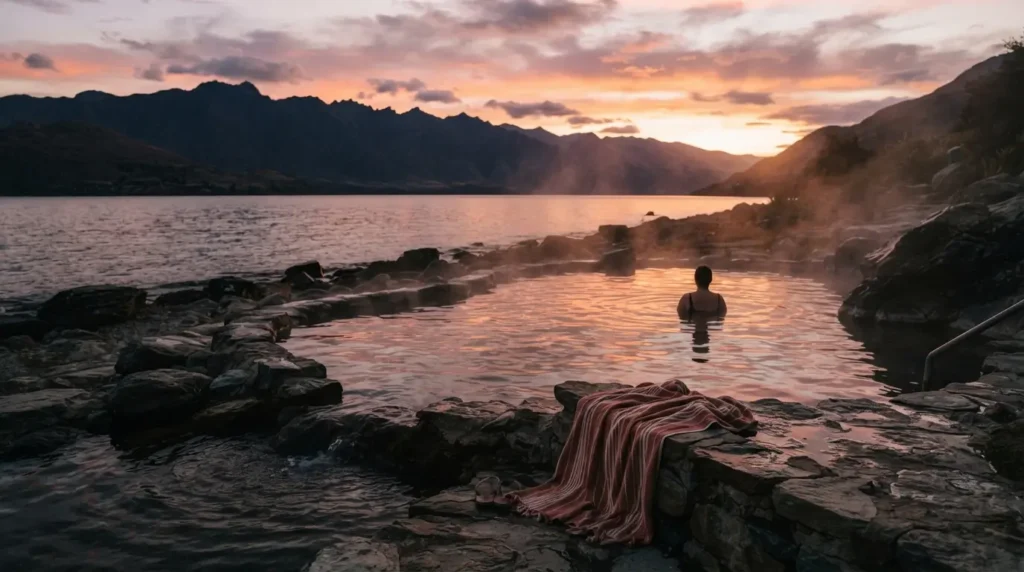
Wai Ariki, opened in 2023 and Rotorua’s only Māori-owned and operated thermal spa, delivers the most polished experience in town, guiding guests through a Restorative Journey of saunas, hot pools, and a mud room, with the lake view genuinely improving as sunset approaches. The Polynesian Spa wins on pure convenience, sitting right on the lakefront in the centre of Rotorua, though its facilities feel slightly dated compared to Wai Ariki, and visiting during peak summer heat can make the mostly uncovered pools uncomfortably hot. Waikite Valley, about 30 minutes south of town but close to Wai O Tapu and Waimangu, rewards the extra drive with genuinely quiet pools fed by Te Manaroa Spring, New Zealand’s largest single source of boiling water, and rarely feels crowded even during busy periods.
Is It Safe to Visit Rotorua’s Free Hot Pools?
With caution, yes. Kerosene Creek, Rotorua’s best known free thermal bathing spot about 30 minutes south of town, requires driving down a genuinely potholed gravel road to an area with a documented history of car break-ins, so locking your vehicle and keeping valuables completely out of sight matters more here than at any paid attraction on this list. The trail to the creek can also be muddy, and litter isn’t uncommon along the path. Hot and Cold, a further 10 minutes south near Wai O Tapu, sits beneath a road bridge and carries a posted warning about broken glass and other hazardous debris in the water, though the water itself runs clearer and hotter than Kerosene Creek. Both spots remain genuinely popular precisely because they’re free, but travelers should weigh these real safety considerations against the cost savings compared to a paid hot spring like Wai Ariki or Waikite Valley.
Is Te Puia Worth Visiting?
For the combined cultural and geothermal experience, yes, but the standalone valley tour alone doesn’t quite justify the trip on its own. Established in 1963 as an institute for teaching traditional Māori arts and crafts, Te Puia sits in the Whakarewarewa geothermal valley, and the standard 90-minute guided tour moves through in a fairly large, quickly hustled group. The real value comes from combining the valley tour with a cultural experience, and the Te Pō Combo, which pairs the daytime valley walk with a buffet hāngī dinner, a 45-minute kapa haka performance, and hot chocolate beside the Pohutu Geyser after dark, consistently earns the strongest recommendation among the dinner-and-show options in Rotorua for its genuine value and variety.
What Are the Best Adventure Activities in Rotorua?
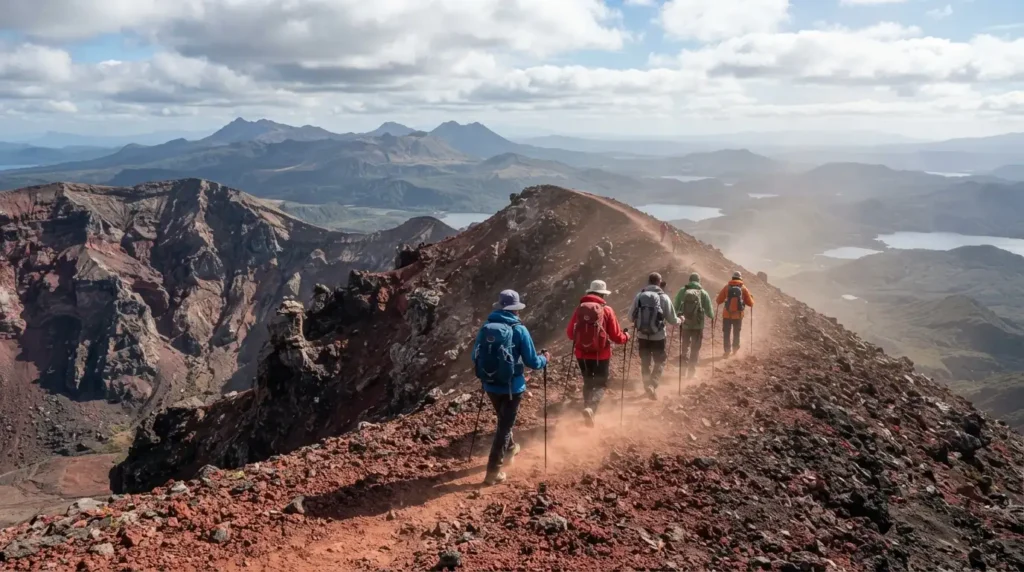
Rotorua ranks as one of New Zealand’s biggest adventure hubs after Queenstown, and travelers with an extra day should pick one standout activity rather than trying to squeeze in several. Hiking Mt Tarawera, the volcano responsible for the 1886 eruption, requires a guided tour since the land is privately owned, with a half day option running around 4 hours total and delivering sweeping views over the volcanic North Island landscape from the crater rim. Glow worm kayaking offers a genuinely unique nighttime alternative, paddling across a lake and nosing into small caves along the shoreline to watch glow worm light reflect off the water. Ziplining through native forest adds a conservation angle rarely found elsewhere, with operators funding predator control across the forest they operate in, and the chance to have a native bird eat from your hand genuinely sticks with visitors long after the zipline itself. For hikers wanting a full day outdoors, the Tarawera Trail leads to natural hot springs on the lake edge at Hot Water Beach, while the shorter walk to Tarawera Falls rewards visitors with an underground river bursting directly out of a cliff face.
What Is There to Do in Rotorua for Couples?
Wai Ariki’s sunset timing makes it a genuinely romantic choice for couples, with the lakefront views improving noticeably as the sky changes colour during the final stretch of a two-hour soak. The Redwoods Treewalk, a canopy walk suspended 9 to 20 metres above the forest floor, transforms into something closer to an enchanted forest after dark, when coloured lanterns light the trees, making an evening visit a far more atmospheric date option than the same walk during the day. A shared hāngī dinner and cultural performance at Te Puia or Te Pa Tu also offers couples a memorable evening built around shared food and storytelling rather than just sightseeing.
How Many Days Do You Need in Rotorua?
Two nights covers the bare minimum, enough time to visit one geothermal park, soak in a hot spring, and fit in one adventure activity. Three nights genuinely opens up more of the wider area, including the Kaituna River, considered one of the best whitewater rafting locations in the country, along with the area’s lakes for swimming and walking. Travelers combining Rotorua with the rest of the North Island should note it’s usually the first stop after arriving, sitting a straightforward 3 hour drive south of Auckland.
Where Should You Stay in Rotorua?
Larger hotel chains cluster on the fringe of town, while Fenton Street, just south of the centre, holds a long line of motels offering cheaper rates in exchange for a slightly less central location. A central hotel keeps you within easy walking distance of dinner and the town’s compact, walkable core, while staying further out near one of the area’s lakes suits travelers happy to self-cater and prioritize a quieter setting over walkability.
Final Thoughts
Checking off the real rotorua must do list comes down to picking one geothermal park rather than trying to see all four, and pairing it with a hot spring and one bigger adventure activity. Choose Waimangu for quieter crowds or Wai O Tapu for the Champagne Pool, pair Te Puia’s culture with its Te Pō Combo rather than the valley tour alone, and weigh the real cost savings of free hot pools like Kerosene Creek against their genuine safety considerations. Whether it’s a sunset soak at Wai Ariki or a hāngī dinner followed by kapa haka, the best rotorua must do experiences reward travelers who plan around both budget and crowds rather than trying to see everything at once.
FAQs
Is Wai O Tapu worth visiting?
Yes, particularly for the Champagne Pool, though it’s the busiest of Rotorua’s geothermal parks, so visiting outside the mid-morning Lady Knox Geyser eruption window avoids the heaviest crowds, and the free mud pool located just outside the park is worth a stop regardless of which geothermal park you choose to pay for.
What is the Redwoods Treewalk?
The Redwoods Treewalk is a 700-metre canopy walk suspended through Rotorua’s redwood forest, best experienced at night when coloured lanterns illuminate the trees, though the daytime version is considerably less remarkable given the forest’s uniform, plantation-grown character.
Is hiking Mt Tarawera worth it?
Yes, especially for travelers without time for the longer Tongariro Crossing, since the guided hike delivers sweeping volcanic views over the North Island in around 4 hours total, though the terrain involves loose scoria and a moderate level of fitness is genuinely needed.
How do you get to Rotorua?
Rotorua sits about a 3 hour drive south of Auckland and its international airport, making it a natural first stop for North Island road trips, and a smaller local airport also connects directly to Christchurch for travelers short on time.


