Utah Famous Landmarks: National Parks, Arches, and Natural Wonders
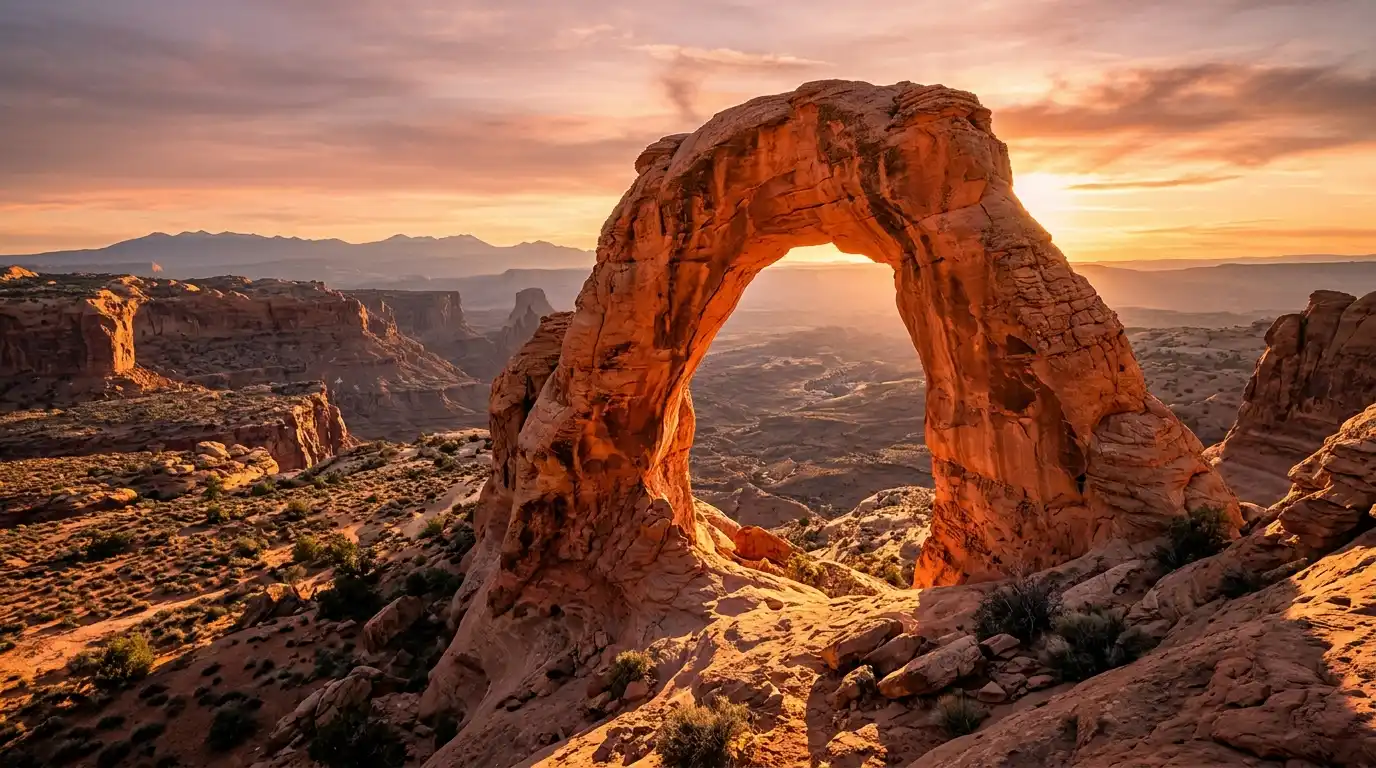
Utah famous landmarks include the five national parks known as the Mighty Five, Delicate Arch, and Monument Valley. These sites feature red rock formations, canyons, and hoodoos across the southern and eastern parts of the state.
Zion National Park
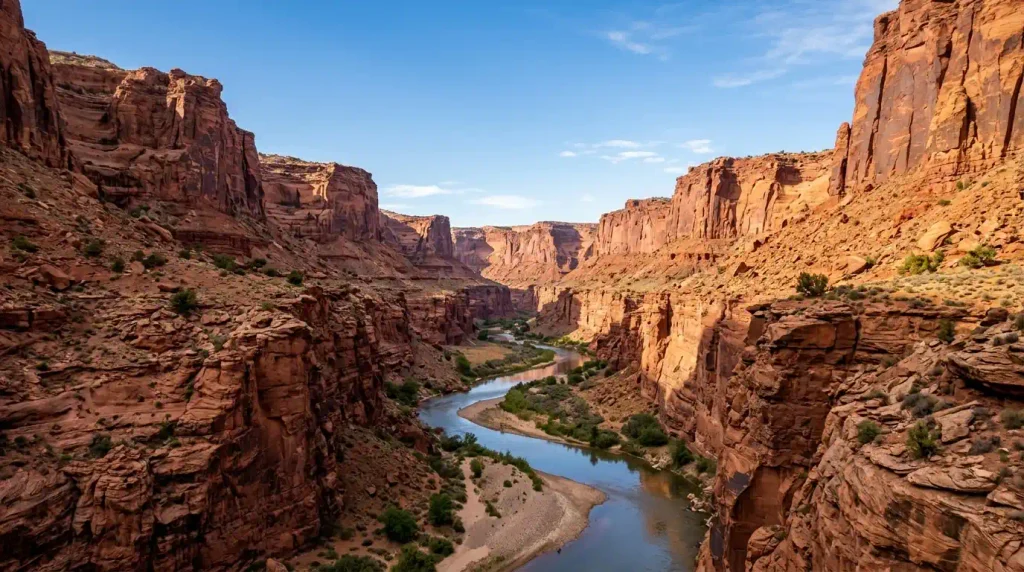
Zion ranks as Utah’s first national park and one of the most visited. The Virgin River carved steep sandstone cliffs reaching over 2,000 feet. The Narrows hike follows the river through a slot canyon. Angels Landing offers a challenging trail with chains for the final section. Entry requires a timed reservation in peak season or a park pass.
Spring and fall bring milder temperatures for hiking. Summer crowds fill the main canyon. Shuttle service operates in the main area to reduce traffic. Viewpoints along the scenic drive provide access without long walks. The park sits in southwestern Utah near Springdale.
Arches National Park and Delicate Arch
Arches holds over 2,000 natural stone arches, the densest collection on Earth. Delicate Arch stands as the most recognizable, appearing on Utah license plates. The hike to it covers about 3 miles round trip over slickrock. Other features include Park Avenue and Landscape Arch. The park lies near Moab in eastern Utah.
Reservations help in busy months. Sunrise and sunset light the red sandstone best. Best hikes in Arches National Park detail shorter options for limited time. Heat rises quickly in summer, so carry water. The visitor center provides maps and current conditions.
Bryce Canyon National Park
Bryce Canyon features the highest concentration of hoodoos, irregular rock spires formed by erosion. Natural amphitheaters display layers of pink, orange, and white. Sunrise and sunset enhance the colors. Rim trails and overlooks like Bryce Point require little hiking. The park sits in south-central Utah at higher elevation.
Cooler temperatures than lower parks make summer comfortable. Winter snow adds contrast to the rocks. Shuttle service runs in peak season. Short hikes descend into the amphitheater for closer views. Stargazing ranks high due to dark skies.
Monument Valley and Canyonlands
Monument Valley stretches across the Utah-Arizona border with towering buttes and mesas. Navajo guides lead tours among the formations. The scenic drive covers the main viewpoints. Canyonlands National Park nearby divides into districts with overlooks, arches, and river canyons. Both sites emphasize wide desert landscapes.
The area appears in many films for its dramatic shapes. Access stays open year-round, though summer heat limits midday activity. Dirt roads in Canyonlands require high-clearance vehicles in some sections. Viewpoints provide strong photography without long hikes. Combine the two for a full day from Moab.
Capitol Reef and Other Parks
Capitol Reef National Park centers on the Waterpocket Fold, a long wrinkle in the Earth’s crust. Scenic drives and short trails lead to petroglyphs and orchards. Grand Staircase-Escalante National Monument covers vast remote canyons larger than some parks combined. Both offer fewer crowds than Zion or Arches.
Capitol Reef sits between Bryce and Canyonlands. Fruita historic area includes a visitor center and picnic spots. Slot canyons require permits and experience in some cases. The monument rewards prepared visitors with solitude and geology. Check road conditions before remote drives.
Comparison of Major Utah Landmarks
| Landmark | Location | Best Feature | Time Needed | Best Season |
|---|---|---|---|---|
| Zion National Park | Southwest | Slot canyons and cliffs | 1-2 days | Spring, Fall |
| Arches National Park | Near Moab | Delicate Arch | 1 day | Spring, Fall |
| Bryce Canyon | South-central | Hoodoos | 1 day | Summer, Fall |
| Monument Valley | Utah-Arizona border | Buttes and mesas | Half day | Spring, Fall |
| Capitol Reef | South-central | Waterpocket Fold | 1 day | Spring, Fall |
Distances between parks range from 1 to 4 hours by car. Park passes cover entry for the national parks. Reservations apply at Zion and Arches in peak periods. Miles measure most trails and drives.
Planning a Utah Landmarks Trip
Base in Moab for Arches and Canyonlands or Springdale for Zion. A loop covering the Mighty Five takes 7 to 10 days. Shorter trips focus on two or three parks. Rental cars handle most paved roads. High-clearance vehicles help in remote monument areas.
Book lodging early for spring and fall. Salt Lake City Utah attractions cover the northern start if flying into the capital. Gas stations appear in gateway towns. Cell service drops in canyons, so download offline maps. Water remains essential on all trails.
Summer brings extreme heat in lower elevations. Winter snow closes some higher roads. Shoulder seasons balance weather and crowds. Many overlooks stay free or low cost outside park boundaries.
What to Expect at the Sites
Red sandstone dominates the color palette across southern Utah. Elevation changes affect temperatures by 20 degrees or more. Wildlife includes birds, lizards, and occasional larger animals near water. Photography works best at dawn and dusk. Visitor centers provide current trail status and safety information.
Fees range from park entry to guided tours in Monument Valley. Children and seniors often receive discounts. No major commercial development sits inside the parks. Respect Leave No Trace principles on trails. Return times for shuttles and tours stay fixed in busy seasons.
FAQs
What are the most famous landmarks in Utah?
The Mighty Five national parks lead the list: Zion, Arches, Bryce Canyon, Canyonlands, and Capitol Reef. Delicate Arch and Monument Valley stand out as iconic individual sites. Hoodoos and red rock canyons define the landscapes.
How many national parks are in Utah?
Utah has five national parks known as the Mighty Five. They are Arches, Bryce Canyon, Canyonlands, Capitol Reef, and Zion. Each offers distinct geology and hiking options.
Is Delicate Arch worth the hike?
Yes for most visitors. The 3-mile round trip reaches the freestanding arch that appears on Utah plates. Sunrise or sunset light improves the experience. Carry water and start early in summer.
What is the best time to visit Utah landmarks?
April to May and September to October bring mild temperatures and fewer crowds. Summer works for higher parks like Bryce. Winter adds snow but limits some access.
Do I need reservations for Utah national parks?
Timed entry reservations apply at Zion and Arches during peak season. Other parks usually allow entry with a pass. Check the National Park Service site for current rules.
Can you see multiple parks in one day?
Some pairs work, such as Arches and Canyonlands from Moab. Longer distances between Zion and Bryce make single-park days more practical. Plan drives of 1 to 3 hours between sites.
What should I pack for Utah landmarks?
Sturdy hiking shoes, water, sun protection, and layers for temperature changes. A park pass or reservation confirmation helps at gates. Offline maps cover areas with weak signal.
Is Monument Valley part of a national park?
No. It is a Navajo Tribal Park on the Utah-Arizona border. Guided tours and a scenic drive provide access. Nearby Canyonlands National Park covers additional canyon scenery.
How far is Zion from Arches?
The drive covers about 4 hours via paved highways. Most visitors spend separate days at each. Gateway towns like Moab and Springdale serve as bases.
Are there free viewpoints at these landmarks?
Yes. Many overlooks outside park boundaries or along scenic drives cost nothing. Rim trails at Bryce and viewpoints at Monument Valley offer strong views with minimal fees.
What are hoodoos?
Hoodoos are tall, thin rock spires formed by erosion. Bryce Canyon holds the highest concentration. They create the park’s distinctive amphitheater landscapes in pink and orange tones.