Top 10 Incredible Volcanoes to Visit in Indonesia: Practical Guide
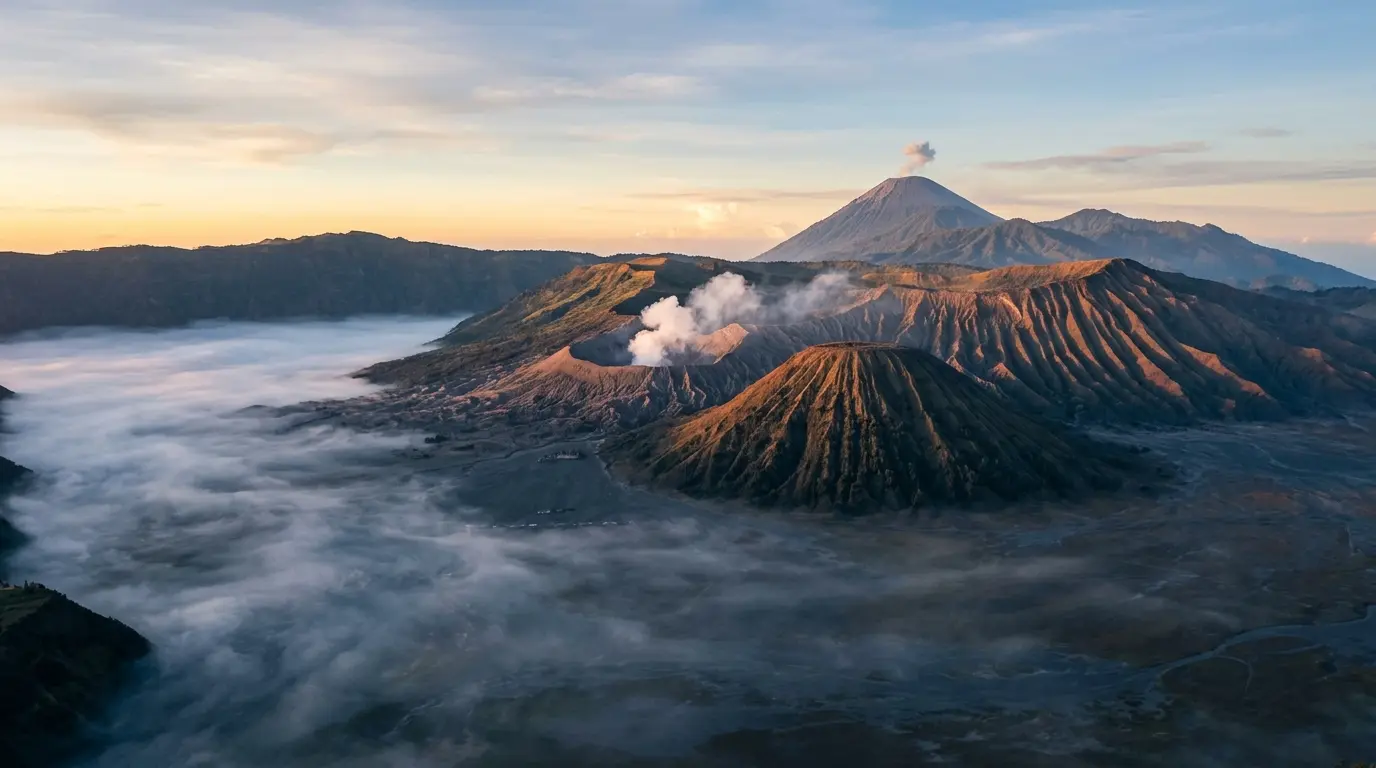
Indonesia holds more than 130 active volcanoes, and the top 10 for visitors include Mount Bromo, Kawah Ijen, Mount Rinjani, Mount Agung, and Mount Batur, each offering different hike lengths, sunrise views, and access levels in 2026.
Why Visit Volcanoes in Indonesia
The country sits on the Pacific Ring of Fire, so volcanic landscapes range from easy crater viewpoints to multi-day treks. Many sites combine dramatic scenery with cultural importance for local communities. Visitors can see blue flames, colored crater lakes, or vast sand seas without needing technical climbing gear on the most popular routes. Safety requires checking current alert levels from official sources before any visit.
Distances between islands mean most travelers combine volcano stops with beach time or city visits. Entry fees stay low, often under 20 U.S. dollars, while guided treks range higher depending on length. Dry-season months from April to October generally offer clearer trails and better visibility.
Mount Bromo, East Java
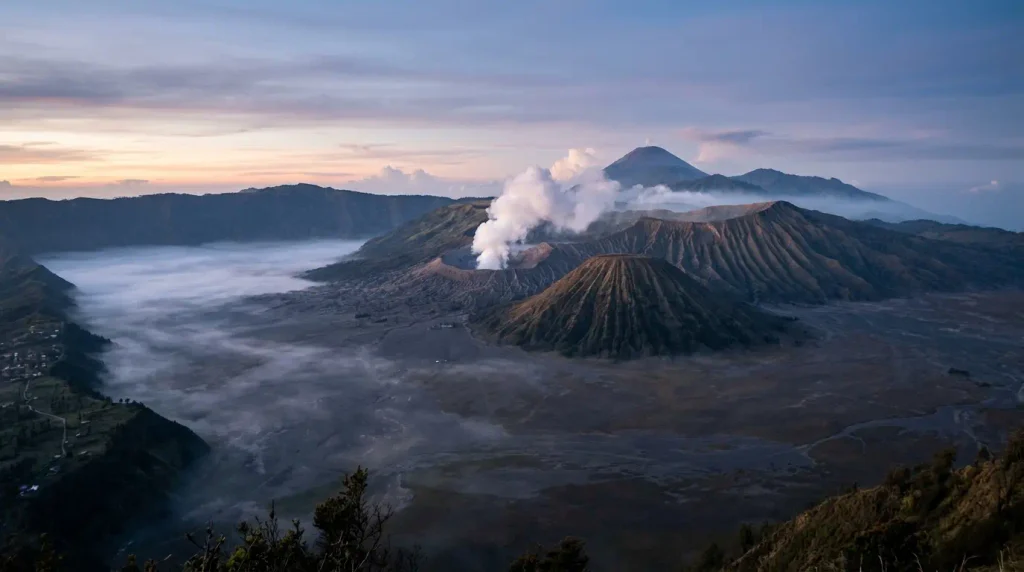
Mount Bromo rises 2,329 meters inside the Tengger Caldera. Sunrise from the Penanjakan viewpoint shows the smoking crater above a sea of volcanic sand. A short hike or jeep ride reaches the crater rim. The site works for most fitness levels and takes a half day from nearby hotels. Entry costs roughly 13 to 20 dollars. Crowds peak at sunrise, so early arrival helps. The area is about 4 to 5 hours by road from Surabaya.
Local Tengger communities hold ceremonies here. Respect for cultural sites is expected. Facilities include basic restrooms and food stalls near the viewpoints.
Kawah Ijen, East Java
Kawah Ijen is known for electric-blue sulfur flames visible at night and a turquoise acid lake. The hike covers about 650 meters of elevation gain and takes 5 to 6 hours round trip. Guides are optional but recommended for the dark trail. Entry is low, around 6 to 9 dollars. The crater is near Banyuwangi and pairs well with Bromo visits. The first Friday of each month sometimes sees temporary closures.
Sulfur mining continues at the site. Visitors should stay on marked paths and avoid the lake edge. Gas masks are sometimes available for rent because of sulfur fumes.
Mount Rinjani, Lombok
Mount Rinjani reaches 3,726 meters and holds Segara Anak crater lake. Full treks last 2 to 4 days and require a guide plus a SIMAKSI permit. Costs for guided trips range from 150 to 350 dollars. The summit push is strenuous. An annual closure runs from January to March. The volcano sits on Lombok, reachable by ferry or flight from Bali. Hot springs and the lake view reward the effort for fit hikers.
Camping gear is usually included in package tours. Weather can change quickly, so layers and rain protection are essential. Respect areas used for religious rituals.
Mount Agung and Mount Batur, Bali
Mount Agung stands 3,031 meters and holds deep cultural meaning in Balinese Hindu tradition. Hikes take 6 to 10 hours and require a guide. Alert levels and ceremony dates can close the trail. Mount Batur at 1,717 meters offers a shorter 3-to-4-hour sunrise hike with mandatory guides. Both are accessible from Bali resorts. Batur costs roughly 23 to 45 dollars guided; Agung runs higher. Batur suits average fitness for a morning outing, while Agung demands more preparation.
Check official status before booking. Local guides know current conditions and cultural protocols. Sunrise timing means very early starts.
Other Notable Volcanoes
Mount Kerinci in Sumatra is Indonesia’s highest volcano at 3,805 meters and requires advanced hiking skills inside a national park. Krakatoa (Anak Krakatau) is reached by boat from Java or Sumatra and shows ongoing activity. Tangkuban Perahu near Bandung allows vehicle access to the crater rim with no hike needed. Kelimutu on Flores displays three colored lakes and needs only a short walk. Each offers different logistics and difficulty.
Travelers planning multi-stop trips can also read about 10 things to do in Bali or trip to Langkawi for nearby options. Other regional ideas appear in things to do in Jakarta.
Practical Planning Tips
Always verify volcanic alert levels before travel. Hire licensed guides for any hike above moderate difficulty. Carry water, layers, and a headlamp for night starts. Entry fees are paid in Indonesian rupiah at most gates. Dry season improves trail conditions, though some sites remain open year-round. Combine volcano days with rest days to manage altitude and fatigue.
Transportation between islands uses flights or ferries. Domestic flights connect major hubs such as Jakarta, Surabaya, Denpasar, and Lombok. Road transfers to trailheads often take 2 to 5 hours. Budget for guide fees, park entry, and simple meals at base areas.
| Volcano | Island | Height | Hike Time | Guide Needed | Approx. Cost |
|---|---|---|---|---|---|
| Bromo | Java | 2,329 m | Half day | Optional | $13–20 entry |
| Ijen | Java | ~2,769 m | 5–6 hrs | Optional | $6–9 entry |
| Rinjani | Lombok | 3,726 m | 2–4 days | Yes | $150–350 |
| Agung | Bali | 3,031 m | 6–10 hrs | Yes | $90–150 |
| Batur | Bali | 1,717 m | 3–4 hrs | Yes | $23–45 |
The table summarizes the most visited options. Costs are approximate ranges reported for 2026 guided or entry fees and can change.
Further travel reading includes Amed Bali snorkeling, must do in Crete, and things to do in Sydney. Additional context is in best places to snorkel in Hawaii and Cape Town day trips.
Safety and Respect
Volcanoes can change activity levels with little notice. Official Indonesian sources publish alert status. Stay on marked trails, follow guide instructions, and leave cultural or ritual areas undisturbed. Carry out all trash. Altitude and weather affect even shorter hikes, so turn back if conditions worsen. Most popular sites have established rescue protocols, but prevention remains the best approach.
Local economies depend on tourism, so supporting licensed guides and community businesses helps sustain the areas. Simple gestures such as learning a few greetings and following posted rules improve the experience for everyone.
FAQs
What are the top volcanoes to visit in Indonesia?
Popular choices include Mount Bromo for sunrise over the sand sea, Kawah Ijen for blue flames, Mount Rinjani for a crater lake trek, and the Bali pair of Agung and Batur for shorter or sacred climbs.
Is it safe to visit Indonesian volcanoes?
Most visitor sites are monitored. Check official alert levels before going, hire guides for longer hikes, and stay on marked paths. Activity can change, so current information is essential.
How much does it cost to visit Mount Bromo?
Park entry is roughly 13 to 20 U.S. dollars. Jeep or horse rides to the crater cost extra. The half-day visit is one of the more affordable major volcano experiences.
Do you need a guide for Indonesian volcano hikes?
Guides are mandatory for Rinjani, Agung, and Batur. They are optional but recommended for Ijen and helpful for first-time Bromo visitors. Local guides know trail conditions and safety rules.
What is the best time to visit Indonesian volcanoes?
April to October is the main dry season with clearer skies and firmer trails. Some sites remain accessible year-round, though rain can make paths slippery.
How long is the Mount Rinjani trek?
Standard treks last two to four days. The full summit and lake circuit requires good fitness and a licensed guide plus permit. Shorter options exist but still involve significant elevation.
Can beginners hike volcanoes in Indonesia?
Yes. Bromo and Tangkuban Perahu need little or no hiking. Batur is a moderate morning hike. Longer treks such as Rinjani or Agung suit people with prior hiking experience.
What should you pack for a volcano visit?
Bring layers, sturdy shoes, water, snacks, a headlamp for night starts, and sun protection. Some sites rent gas masks or warm jackets. Weather changes quickly at elevation.
Are there entry fees for Indonesian volcanoes?
Yes. Most parks charge a small entry fee in Indonesian rupiah. Guided multi-day treks include higher package prices that cover permits, food, and equipment.
How do you get to the volcanoes from Bali?
Batur and Agung are on Bali. Bromo and Ijen require flights or ferries plus road transfers to East Java. Rinjani is on Lombok, reachable by short flight or ferry from Bali.
What is special about Kawah Ijen?
Night visitors can see blue sulfur flames. The crater also holds a large turquoise acid lake. The hike is moderate and often combined with Bromo in one Java itinerary.