
Palma Must See Sights for a First Visit in 2026
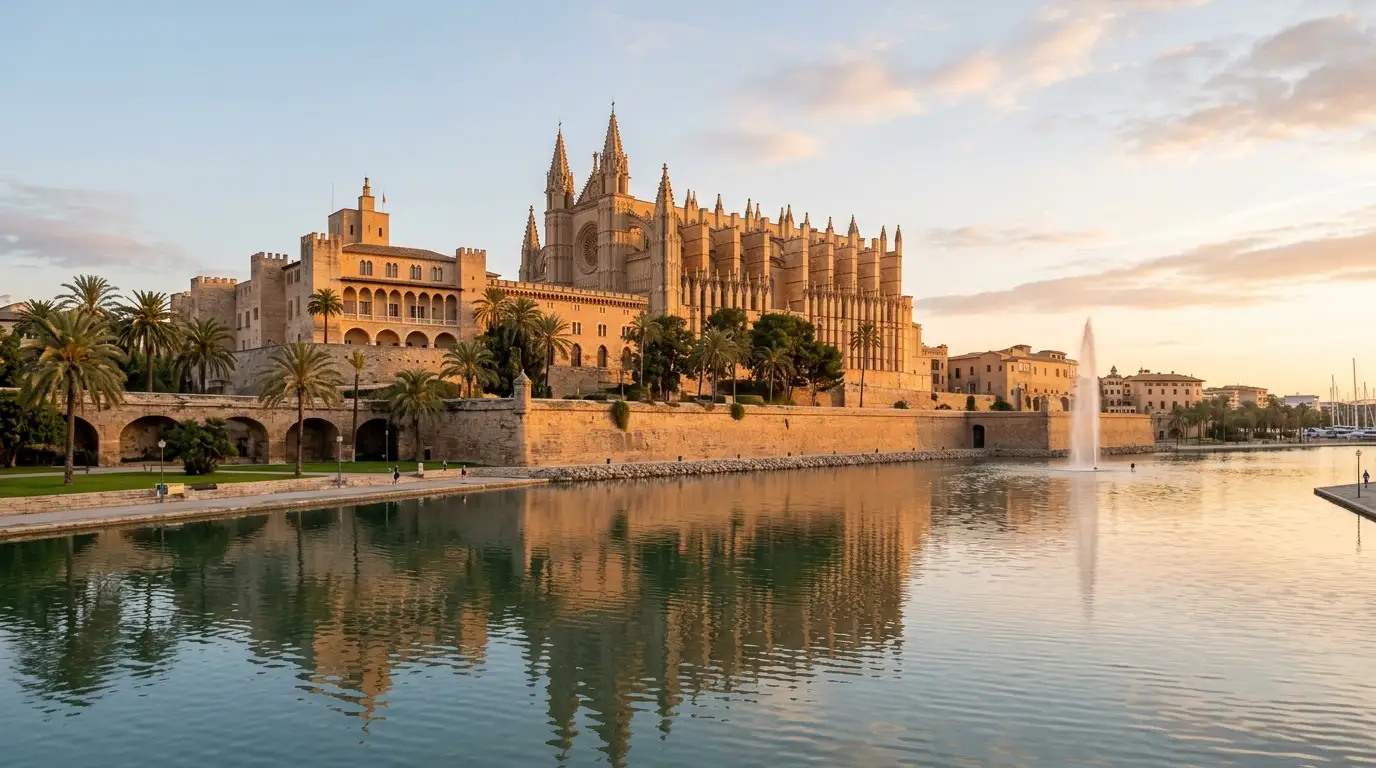
Palma must see sights start with La Seu Cathedral, the Royal Palace of La Almudaina, and circular Bellver Castle. The Old Town lanes, Arab Baths, and Santa Catalina market fill a full first day on foot. Bellver sits about 3 kilometres west and needs a short bus or taxi.
A tight plan beats a long list. Most visitors can cover the seafront landmarks in one morning and save the castle hill for late light. Cruise ships add crowds at La Seu before late morning, so an early start pays off.
What Counts as a Palma Must See Stop?
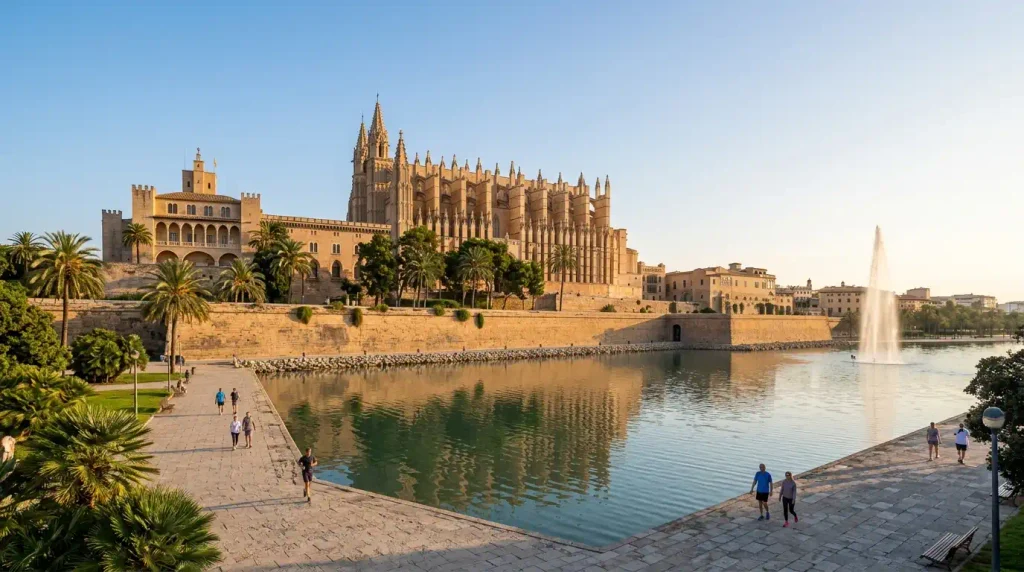
La Seu is the landmark that defines the bay. Work began in 1229 after the Aragonese conquest and the nave rises about 44 metres. The rose window and the Gaudí canopy over the altar are the two interior details worth a slow look. Adult entry is often listed near 10 EUR in 2026 and Sunday morning Mass is free.
Next door, the Royal Palace of La Almudaina sits on the site of an earlier Muslim alcázar. It is the working royal residence when the Spanish royal family is in Mallorca and a museum the rest of the year. Pairing it with the cathedral keeps the walk under 5 minutes.
Castell de Bellver is the rare circular castle in Spain. Jaume II ordered it around 1300 and the walls still give a full circle view of the bay. Grounds around the hill are free. Castle entry is commonly about 4 EUR. Bus lines from Plaça d’Espanya reach the hill in about 15 minutes.
Three smaller stops finish the core. The Banys Àrabs date to the 10th century and take 20 minutes. Es Baluard museum looks over the ramparts and its roof terrace is a calm photo spot. Santa Catalina is the food neighborhood for market stalls and a long lunch.
| Stop | Time needed | Best window | Cost note |
|---|---|---|---|
| La Seu Cathedral | 60 to 90 minutes | Before 10:30 | Paid. Free at Sunday Mass |
| La Almudaina | 45 to 60 minutes | Mid morning | Paid palace ticket |
| Bellver Castle | 60 to 90 minutes | Late afternoon | About 4 EUR for the castle |
| Arab Baths | 20 minutes | Any quiet hour | Small entry fee |
| Santa Catalina | 90 minutes | Lunch | Food costs only |
How Should a First Day in Palma Run?
Start at Parc de la Mar for the cathedral view before ticket lines build. Move into La Seu, then La Almudaina, then the Old Town streets toward Plaça Major. The Arab Baths sit a short walk inland and work as a cool break.
Lunch in Santa Catalina keeps the day from turning into a museum march. The market area is about 1.5 kilometres from the cathedral, an easy 20 minute walk or a short bus ride. After lunch, ride to Bellver and walk the pine path down toward Passeig Marítim if the heat allows.
Evening belongs on the seafront. The Passeig Marítim promenade runs west toward Portixol, a former fishing village about 3 kilometres from the center. That walk is one of the better free Palma walks after the paid sights close.
Which Palma Sights Need Tickets in 2026?
La Seu, La Almudaina, Bellver, and Es Baluard all use timed or same-day tickets in busy months. Buy the cathedral ticket online on ship days. Roof terrace access is a separate higher ticket and involves a long stair climb, so it does not suit every visitor.
Bellver is closed on Mondays in the usual pattern and shortens hours in winter. Check the day before a Monday plan. The city history museum inside the castle is part of the same visit and does not need a second queue.
Free sights still fill a day. Parc de la Mar, the sea wall, Plaza de Cort, and the Santa Catalina streets cost nothing. Travelers comparing island capitals can use a Valletta must-see route to see how a compact fortified city packs the same mix of free walls and paid interiors.
How Far Are Palma Places by Road?
Palma de Mallorca Airport sits about 8 kilometres east of the center. A taxi or bus usually takes 15 to 25 minutes outside rush hour. Base a hotel inside the Old Town or Santa Catalina and the main sights stay on foot.
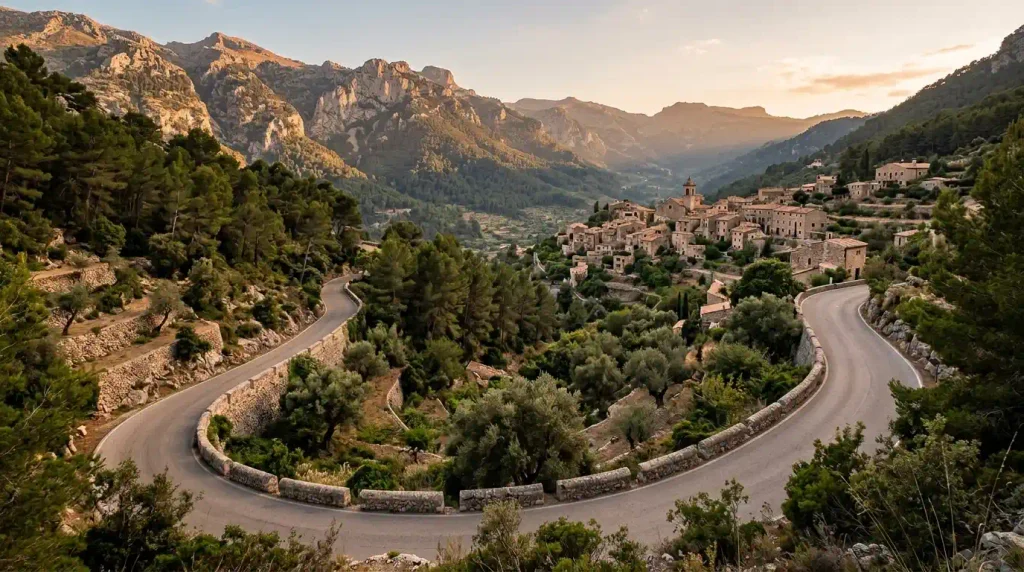
Valldemossa is about 18 kilometres north and about 30 minutes by car through the Tramuntana foothills. The Carthusian monastery and the Chopin cell are the reason most people go. Sóller is about 30 kilometres and about 35 minutes through the tunnel, or longer on the old train.
Deià sits about 28 kilometres up the coast and takes about 40 minutes. Port de Pollença is about 60 kilometres and about 55 minutes on the Ma-13. Alcúdia old town is a similar drive and adds Roman walls. Santanyí is about 50 kilometres southeast and about 50 minutes, useful for a quieter stone town and nearby coves.
These six drives cover the usual week. Visitors who want a mainland comparison can look at Seville day trips for a similar mix of a city core plus short drives.
Where Should Visitors Stay in Palma?
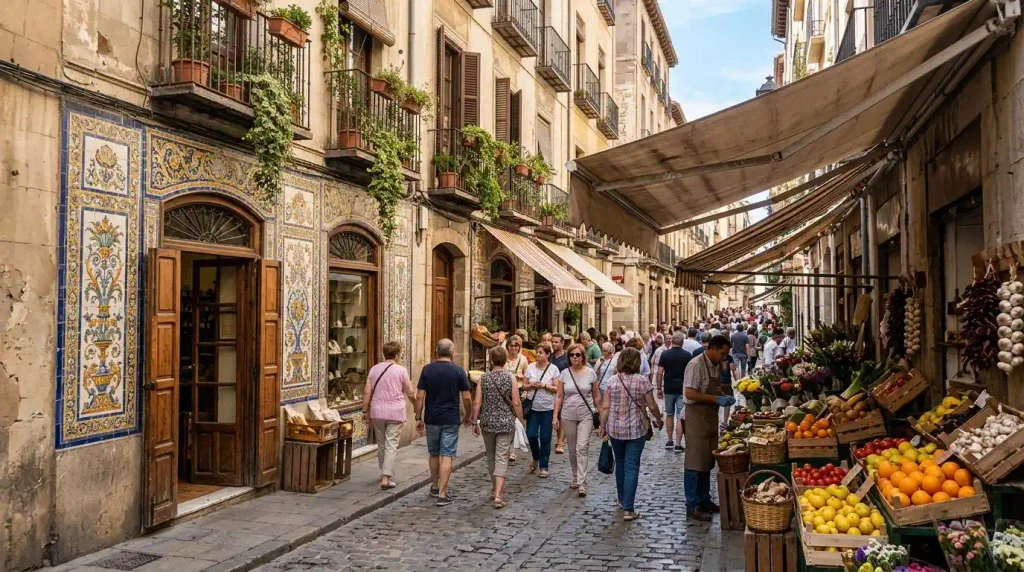
Where to stay in Palma depends on walking range. The Old Town puts La Seu and La Almudaina outside the door but rooms can be noisy on weekend nights. Santa Catalina suits travelers who want food streets and a calmer sleep.
Portixol and El Molinar sit 2 to 4 kilometres east along the water and work for a beach walk without leaving the city. The resort strip at Playa de Palma is about 10 kilometres and 15 minutes by bus. It is fine for sand and weak for evening walks to the cathedral.
A city-first base also makes sense if the next stop is another Spanish port. The Barcelona must-do list and the beach at Barcelona show how a second city can add sea time after the Mallorca core.
What Day Trips Fit Around the City?
The Serra de Tramuntana is the main day trip. Valldemossa, Deià, and Sóller can share one loop if the start is early. The historic train from Palma to Sóller is slower than the tunnel and better as a one-way treat.
East coast villages such as Santanyí and Cala Figuera take about an hour and suit swimmers who want smaller coves. North bays at Alcúdia and Port de Pollença suit a full beach day. Cap de Formentor is a further 20 minutes past Port de Pollença and the road is narrow, so a morning slot is safer.
Travelers building a wider Spain week can add Malaga must-do stops or day trips from Benidorm if the flight home routes through the mainland. Island hoppers often compare notes with Tenerife must-see spots and a Gran Canaria must-see guide.
What Should a Palma Plan Leave Out?
Skip a second castle if Bellver is already booked. Skip Magaluf unless the goal is nightlife. It sits about 15 kilometres southwest and about 25 minutes by bus and does not add much to a sightseeing day.
Do not stack La Seu, the palace, Bellver, and a Tramuntana drive on the same day. Heat and hill roads make that mix tiring from June through September. A split of one city day and one mountain day is the cleaner Palma things to see plan.
Readers mapping other old ports can borrow pacing from a things to do in Trieste guide and from Lisbon must-do stops, a Porto must-do walk, and must-do stops in Rome. A Venice must-do route and a Santorini must-do plan show the same rule: one landmark morning, one neighborhood afternoon.
Final Thoughts
Keep the first day on La Seu, La Almudaina, the Old Town, and Bellver. Add Valldemossa or Sóller only after the city core is done. For a mainland follow-up with the same city-plus-drive shape, open the day trips from Naples guide and match the pacing before booking the next flight.
FAQs
palma must see
The core is La Seu Cathedral, La Almudaina palace, and Bellver Castle, plus a walk through the Old Town and Santa Catalina. That set covers the bay view, the royal past, and the food streets. One full day is enough for the city itself.
Is one day enough in Palma?
One day covers the cathedral, the palace, the Arab Baths, and Bellver if the start is early. A second day is worth it for Valldemossa or Sóller. Beach time needs a third day or a resort base.
Is Bellver Castle worth the trip?
Yes for the circular walls and the bay view. The ride from Plaça d’Espanya takes about 15 minutes and entry is low. Go late in the day when the Old Town is hottest.
Can visitors walk between the main sights?
La Seu, La Almudaina, the Arab Baths, and Santa Catalina are all walkable. Bellver is the exception at about 3 kilometres uphill. A bus up and a pine-path walk down is the usual mix.
What is the best month to visit in 2026?
April, May, and October give warm walking weather and fewer cruise crowds. July and August are hot and busy on the seafront. Winter is mild but some castle hours shorten.
How much walking does the old town take?
A core loop is about 5 to 6 kilometres with stairs in the lanes. Flat shoes beat sandals on the cathedral stone. Shade is limited at midday, so a water break in Santa Catalina helps.
Are the Arab Baths worth a stop?
They are small and quick, about 20 minutes, and they show the city before the cathedral. The garden is the calm part. Skip them only if the day is already full.
Where is the best sunset in the city?
Bellver hill and the Parc de la Mar wall both face the bay light. Portixol adds a quieter waterfront about 3 kilometres east. Ship days make the cathedral wall crowded at dusk.
Is Palma good without a car?
Yes for the city. Airport buses and city buses cover Bellver and Playa de Palma. A car helps only for the Tramuntana villages and the north bays.
What food area is best for a first lunch?
Santa Catalina market and the streets around it are the easy choice. Expect tapas, rice dishes, and grilled fish priced in EUR. Book a terrace table on Saturday.
How early should cathedral tickets be booked?
Same-week booking is enough in shoulder months. On cruise mornings, buy the night before. Sunday Mass is free but not a sightseeing slot.
Does Palma work for families?
Yes if the castle and the seafront come before long museum rooms. Bellver grounds are the best free play space. The roof terrace stairs are a poor fit for small children.


