
Porto Must Do: The Complete Guide to Attractions, Food, and Day Trips

Porto must do experiences include crossing the Dom Luís I Bridge, wandering the Ribeira waterfront, and taking a day trip to the Douro Valley. With around 4 million visitors now arriving every year to a city that was relatively little-visited not long ago, figuring out which of Porto’s countless charming details actually deserve your limited time is where most first timers get stuck.
Is the Lello Bookshop Worth Visiting?
Honestly, probably not, and it’s worth hearing this from someone who lives here. The world-famous Lello Bookshop in the Clérigos neighborhood is often said to have inspired Harry Potter, though locals consistently note this myth was likely fueled by the bookshop’s own marketing rather than any confirmed connection. The interior is genuinely beautiful, but the lines to get inside are notoriously long, and locals recommend simply walking past, admiring the exterior, and spending that time elsewhere in the city instead. A common mistake first timers make is building an entire morning around waiting in this line, when Porto has far more rewarding ways to spend an hour.
How Do You Get to the Douro Valley from Porto?
Several options exist, and the right one depends on your budget and how much of the landscape you want to see.
| Option | Cost | Best For |
| Full-day boat cruise | Around €100 per person | Meals and wine tasting included, no driving |
| Self-drive | Rental car cost | Seeing the most terrain independently |
| Train to Pinhão | Standard train fare | Budget travelers, taking a local tour on arrival |
| Guided small-group tour | Varies, capped groups available | Wine tasting without the driving |
The Douro Valley starts about an hour from Porto and stretches all the way to the Spanish border, delivering vineyard-covered hills, winding roads, and countless wineries along the river. Driving yourself lets you cover the most ground and stop wherever the view demands it, while full-day boat cruises departing from Porto, running around €100 per person, typically bundle in meals and a wine tasting without the hassle of driving. Travelers without a car who still want to taste wine are often better off booking a guided tour from Porto or taking the train to the small town of Pinhão and arranging a tour from there, since driving and drinking obviously don’t mix.
What Historic Monuments Should You Visit in Porto?

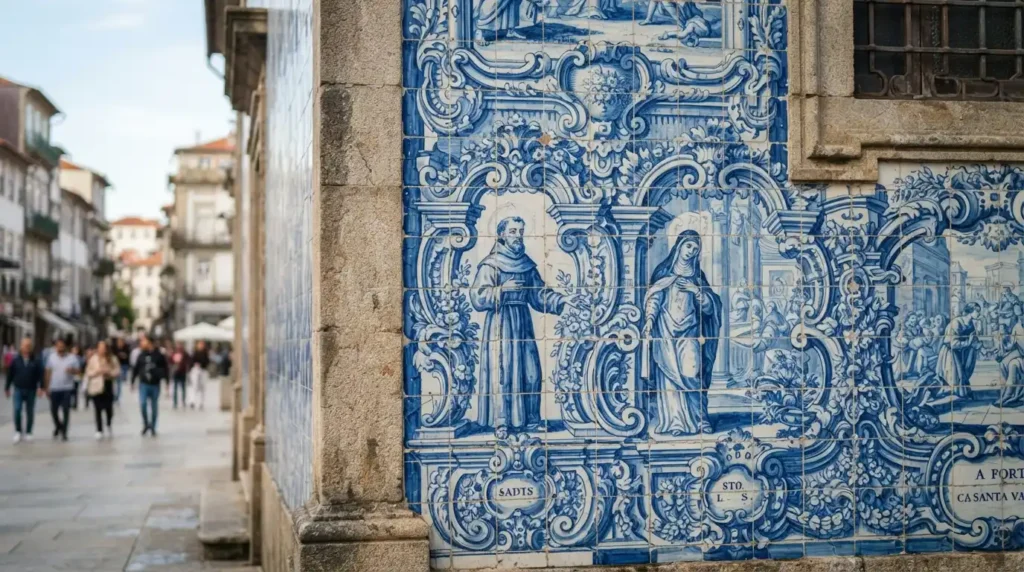
Clérigos Tower anchors the city’s skyline, and climbing its 240 steps rewards visitors with panoramic views, especially if timed around noon, when the adjacent church hosts a free organ concert daily. Sé do Porto, the city’s Romanesque cathedral dating back to the 12th century, stands out as one of the few heavily fortified churches you’ll encounter anywhere, a genuinely unusual architectural detail. The Church of São Francisco holds a stunning gilded Baroque interior worth the stop, while Capela das Almas, tucked quietly on an unremarkable street corner, surprises visitors with its exterior covered in 16,000 hand-painted blue and white tiles depicting religious scenes. São Bento train station rounds out the must-see monuments, and it’s worth visiting purely for its entrance hall, lined with 20,000 hand-painted tiles telling the story of Portuguese history and local traditions.
Is Palácio da Bolsa Worth Visiting?
Yes, if the guided-tour-only format doesn’t bother you. This 19th century neoclassical former stock exchange building houses lavish rooms, including the breathtaking Arab Room with its intricate Moorish design, and it still functions today as a reception hall for visiting dignitaries. Unlike most attractions on this list, visiting independently isn’t an option here, since tours run in groups of around 50 people at set times throughout the day. Building this into your schedule around a specific tour time, rather than showing up expecting flexible entry, avoids disappointment.
What Are the Best Free Gardens and Parks in Porto?

| Garden | Vibe | Best For |
| Jardim das Virtudes | Social, lively | Drinks with a Douro River view |
| Morro Garden | Touristy but safe | Post-bridge photo stop |
| Jardim do Palácio de Cristal | Quieter | Peaceful strolling |
| Parque de São Roque | Underrated, few tourists | Genuine local escape |
Virtudes is actually two connected spaces, a chill-out garden and a sidewalk overlook where locals and tourists gather each afternoon for drinks and river views, forming a genuine unofficial Porto tradition. Morro Garden, just past the Dom Luís I Bridge, has transformed dramatically from its rougher past into a safe, popular spot for street musicians and casual gatherings. Crystal Palace garden offers a quieter, less social alternative for anyone wanting green space without the crowd. Parque de São Roque, on the other side of the city, remains genuinely underrated, with locals noting it sees virtually no tourists despite being just as pleasant as the more famous options.
What Is There to Do in Vila Nova de Gaia?

Crossing the Dom Luís I Bridge into Vila Nova de Gaia, technically a separate city from Porto, is essential rather than optional. Most major Port Wine producers maintain large cellars right along the Gaia riverfront, offering tours followed by guided tastings, and simply strolling the waterfront promenade here is worthwhile even without stopping for wine. Travelers with extra time should continue walking down the riverfront to Afurada, a charming fishing village packed with excellent, affordable seafood restaurants that most tourists never make it to.
Is Matosinhos Beach Worth Visiting?
Yes, particularly for surfers, sitting just 2 kilometers from Porto’s city center. Several pop-up surf schools in the area, including options for complete beginners, make it easy to try the sport even without prior experience. Even non-surfers benefit from the wide pedestrian promenade running along the coast, starting at Jardim do Passeio Alegre, lined with snack shops, seafood restaurants, and bars, and the whole stretch is bikeable for anyone renting a bike from the city center.
What Neighborhood Should You Stay in Porto?
| Neighborhood | Vibe | Best For |
| Aliados & Bolhão | Grand, commercial | Modern hotels, high-end bars |
| Clérigos | Busy, touristy | Steps from major attractions |
| Ribeira | Flat, riverside | River views, historic architecture |
| Cedofeita | Residential, trendy | Locals still live here, good cafes |
| Bonfim | Local, laid back | Budget prices, art scene |
Aliados and Bolhão suit travelers wanting modern hotels and a more commercial atmosphere near the city’s political and financial center. Clérigos offers unmatched convenience, sitting just steps from most major attractions, though it’s genuinely busy and touristy as a result. Ribeira delivers the classic postcard experience, with flat, riverside walking and historic architecture, but it carries the same tourist density as Clérigos. Cedofeita, right next to the historic center, trades a bit of sightseeing convenience for a genuine residential feel where locals still live, with strong cafes and restaurants. Bonfim rounds things out as the most local, laid back option, ideal for travelers prioritizing budget prices and Porto’s trendiest art scene over central sightseeing convenience.
What Food Should You Try in Porto?
Francesinha stands as Porto’s signature dish, a towering sandwich layered with cured meats, ham, and steak, covered in melted cheese and smothered in a spicy tomato and beer sauce. Tripas à Moda do Porto, a tripe stew made with white beans and various meats, gives the city’s residents their nickname, tripeiros, and remains a genuine point of local pride despite its divisive ingredients. Caldo Verde, a kale and potato soup studded with chorizo, and Bacalhau à Brás, made from salted cod, shoestring potatoes, and eggs, both represent Northern Portugal’s broader culinary identity beyond just Porto specifically. Pastel de Nata, while not unique to the city, appears on nearly every café menu and remains an essential flaky, custard-filled treat worth trying at least once. Port Wine, produced exclusively in the Douro Valley, ties the whole food scene together as the region’s signature drink.
How Many Days Do You Need in Porto?
Two days covers the city’s major highlights for most visitors, but three days is genuinely better, giving enough time to explore lesser-known neighborhoods, make it out to Matosinhos for the beach, and move at a more relaxed pace overall. Travelers wanting to use Porto as a base for exploring Northern Portugal should budget five to seven days, which allows for unhurried city exploring plus day trips to destinations like the Douro Valley, Braga, or Guimarães.
What Is the Best Time to Visit Porto?
June and July consistently rank as the best months, offering warm summer weather ideal for exploring while avoiding the heaviest crowds that arrive in August. Winter isn’t a bad time to visit either, especially for travelers who enjoy cozy restaurants and watching rain from inside with a glass of wine, though there’s simply less to do outdoors compared to summer. Spring and fall carry genuine risk, since both seasons can bring wet, cold weather despite the appeal of fewer summer crowds. The honest reality is that Porto has become such a popular weekend destination for travelers across Europe that there’s no real quiet shoulder season anymore, so even April, May, September, or October visits should expect real crowds regardless of the calendar.
What Is There to Do in Porto for a Day?
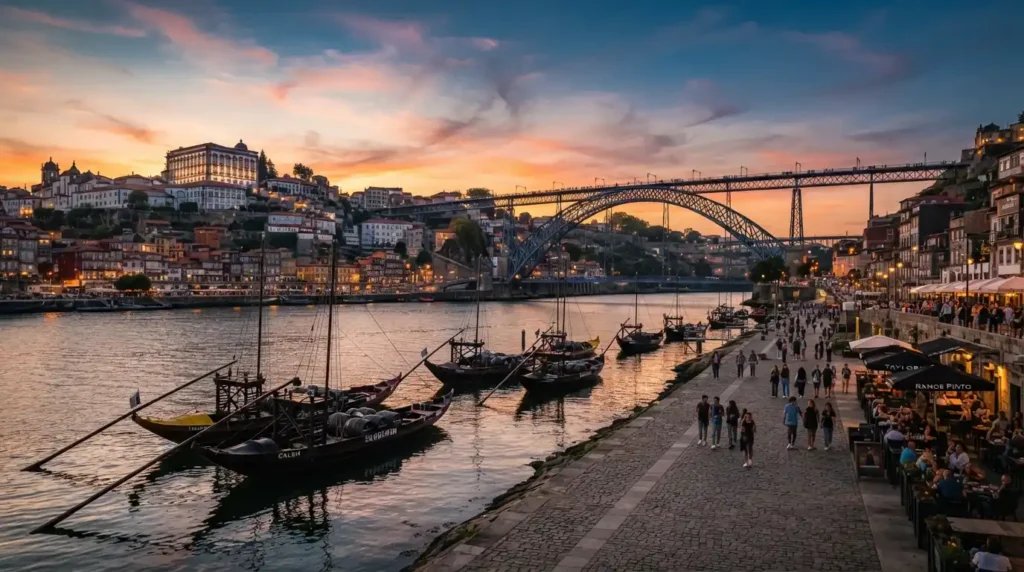
A single day works best focused entirely on the historic center on foot, starting with a stroll down Rua de Santa Catarina and Rua das Flores before ending at Ribeira Square, ideally timed for sunset. Squeeze in a climb up Clérigos Tower around noon for the free organ concert, a peek inside São Bento train station’s tiled entrance hall, and a crossing of the Dom Luís I Bridge for photos from both Porto and Vila Nova de Gaia. With only one day, skip the Douro Valley entirely, since the round trip alone eats up more time than a single day realistically allows for both the drive and any meaningful wine tasting.
Final Thoughts
Checking off the real porto must do list comes down to balancing the city’s famous landmarks against its slower, more local pleasures. Skip the Lello Bookshop line in favor of a Virtudes garden beer with a view, budget a proper day for the Douro Valley rather than rushing it, and pick a neighborhood that matches whether you want convenience or a genuine local feel. Whether it’s a Francesinha at Lado B or sunset from the Dom Luís I Bridge, the best porto must do experiences reward travelers who slow down enough to actually feel the city rather than just see it.
FAQs
How do you get to Porto?
Porto’s Francisco Sá Carneiro Airport has direct flights from most major European cities, plus a few US and Canadian routes, and sits less than 20 kilometers from downtown with a direct metro connection into the city.
Is Porto Bridge Climb worth it?
Yes, this guided climbing excursion up the Arrábida Bridge is more accessible than it looks, suitable for most fitness levels and ages despite feeling genuinely thrilling at height.
What is the best nightlife in Porto?
Ferro Bar suits night owls wanting electronic music until 5am, Club Gare leads the city’s techno scene, and Maus Hábitos has delivered live music and niche parties for well over a decade for a more eclectic crowd.
Is São Bento train station worth visiting?
Yes, even if you’re not catching a train, since its entrance hall’s 20,000 hand-painted tiles rank among the most beautiful public spaces in Portugal and take only a few minutes to admire.


