Banff Hiking Trails: What You Need to Know
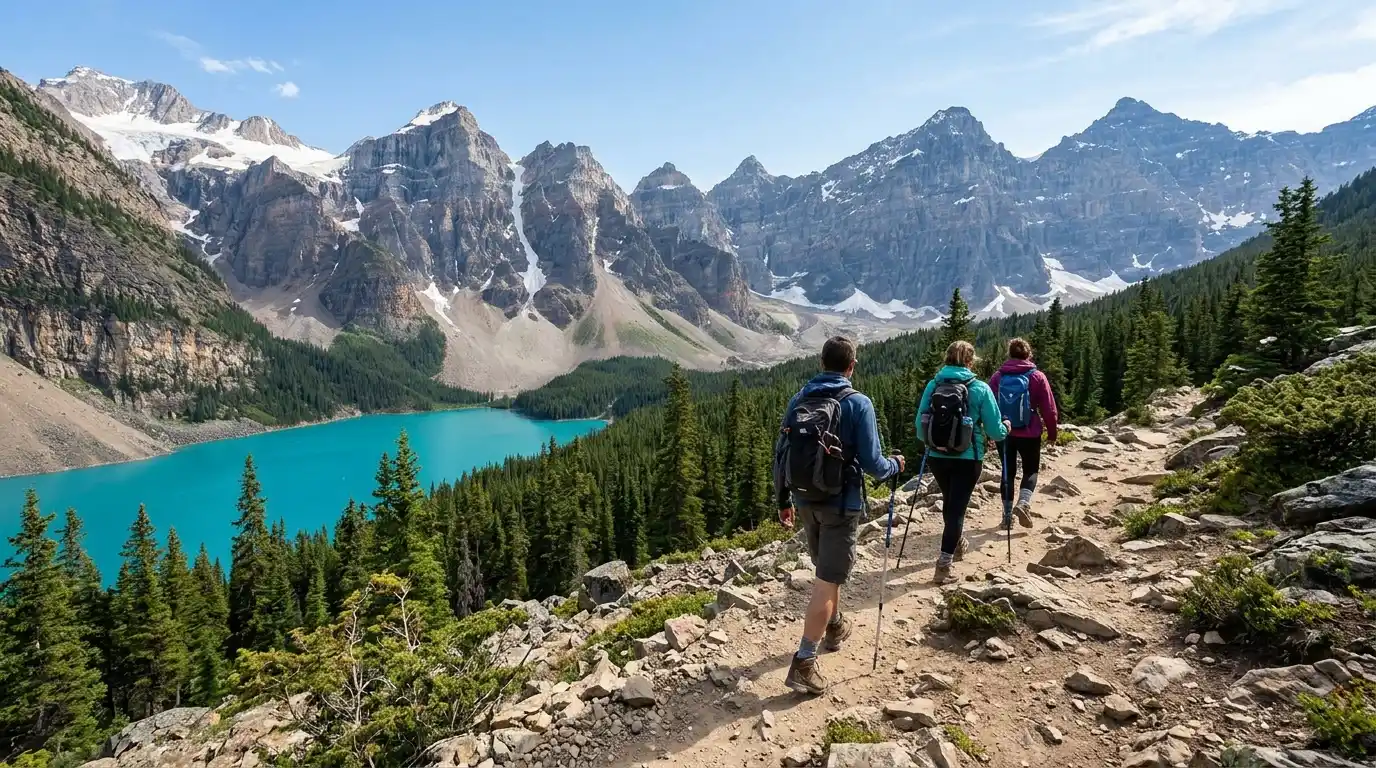
Banff National Park offers trails from easy town walks to full-day alpine climbs. Popular options include Tunnel Mountain at 4.6 kilometres return and Sentinel Pass at 11.6 kilometres. Most require a Parks Canada pass. Distances use kilometres here.
Easy Trails Near Banff Town
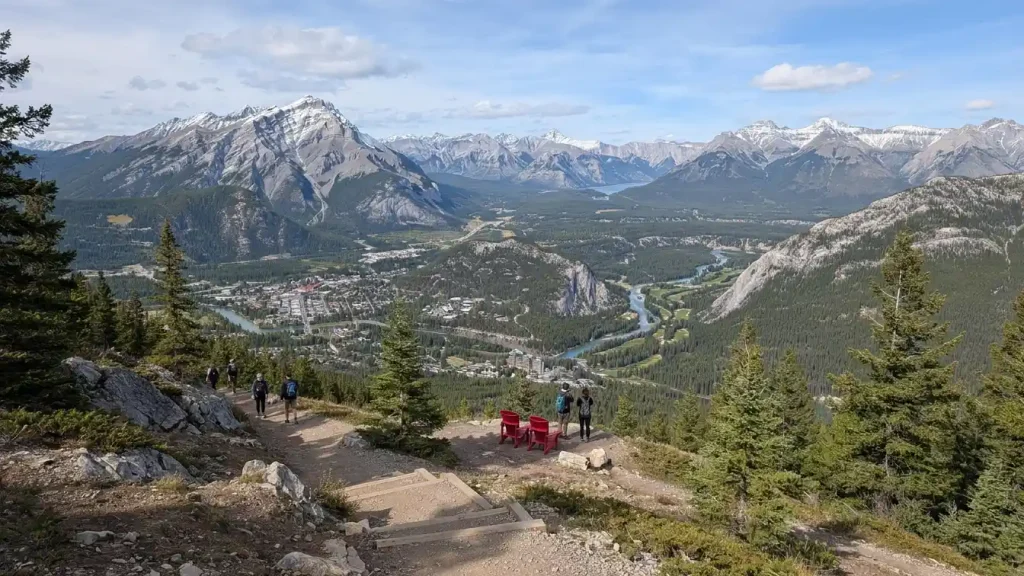
Tunnel Mountain rises 300 metres over 4.6 kilometres return and takes 1.5 to 2 hours. Views cover the Bow Valley and town. Johnston Canyon to Lower Falls covers 2.2 kilometres return with minimal gain. Bow Falls walk follows the river for a flat outing. Banff must-do activities often start with these accessible paths.
Moderate Hikes for Most Visitors
Lake Agnes Trail runs 7.4 kilometres return with 400 metres gain and reaches a teahouse. Plain of Six Glaciers extends 13.8 kilometres with glacier views. Sunshine Meadows offers gondola access to alpine paths of various lengths. Arches hikes share similar moderate ratings.
Challenging Full-Day Options
Sentinel Pass via Larch Valley covers 11.6 kilometres return with 800 metres gain and peaks at 2,611 metres. Healy Pass stretches longer with meadow and pass views. These demand good fitness and early starts. Alaska hikes provide comparable elevation challenges.
Park Pass and Access Rules
A daily Parks Canada pass costs around 11 dollars for adults. Buy online or at gates. Moraine Lake and Lake Louise require shuttle reservations in peak season. Parking fills early so arrive before 7 am or use transit. Other national park tips apply for seasonal crowds.
Best Seasons for Hiking
July through September brings full trail access and wildflowers. Larch Valley peaks in late September with golden color. Snow lingers on higher routes into June. Winter limits options to lower elevations. Check conditions daily. Fall foliage spots overlap with larch season.
What to Bring on Banff Trails
Layer clothing for changing mountain weather. Carry water, snacks, and a map. Bear spray stays recommended in remote areas. Sturdy shoes handle rocky sections. Download offline maps as signal drops. Travel essentials cover basic hiking gear.
Wildlife and Safety Notes
Bears and other animals appear on trails. Make noise and keep distance. Stay on paths to protect habitat. Weather shifts quickly so check forecasts. Inform others of your route for longer hikes. Sedona trails share similar wildlife awareness needs.
Comparison of Popular Trails
Tunnel Mountain suits beginners near town. Lake Agnes adds a teahouse reward. Sentinel Pass delivers high alpine views but requires more effort. Choose based on time and fitness. Road trip planning can include Banff as a stop.
FAQs
Banff Hiking Trails: What You Need to Know
Banff offers easy to challenging trails with distances from under 5 kilometres to over 15. A Parks Canada pass is required. Start early for popular spots like Lake Louise.
What is the easiest hike in Banff?
Tunnel Mountain or the Bow Falls walk provide short, accessible options near town with good views and low elevation gain.
How long is the Sentinel Pass hike?
Sentinel Pass via Larch Valley measures about 11.6 kilometres return with roughly 800 metres of elevation gain. Plan 5 to 6 hours.
Do I need a reservation for Lake Louise hikes?
Yes, shuttle reservations are required for Lake Louise and Moraine Lake in peak season. Book ahead as spots fill quickly.
When is the best time to hike in Banff?
July to September offers the most open trails and stable weather. Larch Valley shines in late September for fall color.
Is bear spray necessary in Banff?
Recommended for longer or remote hikes. Learn how to use it and carry it accessible. Most town trails see lower risk.
Can I hike with dogs in Banff?
Some trails allow leashed dogs. Check specific rules and shuttle policies as not all vehicles permit pets.
How much does the park pass cost?
Daily adult passes run about 11 dollars. Family and annual options exist. Purchase online or at park entrances.
Are there restrooms on the trails?
Facilities exist at major trailheads like Lake Louise. Carry out waste on longer routes where none appear.
What should I wear for Banff hikes?
Layered clothing handles temperature swings. Sturdy shoes, sun protection, and a rain shell cover most conditions.