What to Do in Vienna: Best Sights, Food, and Local Experiences in 2026
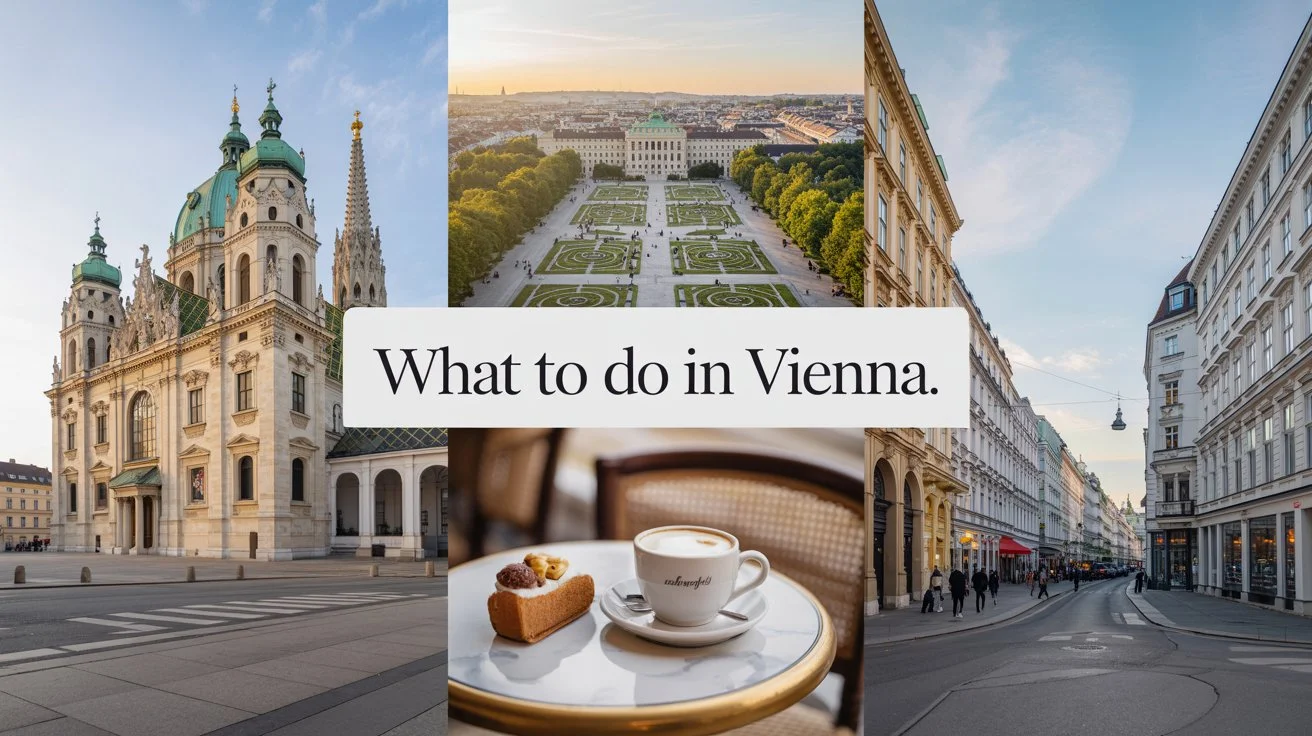
Wondering what to do in Vienna? Start with the imperial icons, Schönbrunn Palace, Hofburg Palace, Belvedere Palace, and St. Stephen’s Cathedral, then balance them with Viennese coffeehouse culture, a strong museum stop, good local food, and one memorable evening plan. That mix gives first time visitors the best version of the city.
Vienna is best when you do not treat it like a checklist. The city is compact enough to enjoy in a short stay, but rich enough to overwhelm you if you try to do everything. The smartest plan is to group the city into four layers: imperial history, old town landmarks, art and music, and food and café culture. That structure matches both official tourism guidance and the strongest competitor patterns, but it also makes the city easier to enjoy in real life.
Why is Vienna worth visiting in the first place?
Vienna stands out because it gives you several major European city experiences at once. You get Habsburg grandeur, a walkable historic center, major museums, strong music culture, and a café tradition that is part of Austria’s recognized intangible cultural heritage. Official Vienna tourism pages still center the city around Museums & Exhibitions, Music & Stage Shows, Dine & Drink, and See & Do, which tells you exactly how the city wants to be experienced in 2026.
That matters because many travelers ask the same thing in different ways. Some ask if Vienna is worth a weekend. Others ask if two days are enough. Others want quick answers on Reddit, like what to do with only a few hours, what not to miss, or whether they should focus on palaces, cafés, or museums. The good news is that Vienna handles all of those travel styles well because the core city is dense with sights and public transport is easy to use.
What are the best things to do in Vienna for a first visit?
If you are asking what to do in Vienna on a first trip, start with the big three palace and history cluster: Schönbrunn Palace, Hofburg Palace, and Belvedere Palace. Schönbrunn Palace is the place for imperial rooms, Rococo interiors, and the Maria Theresa story. Hofburg Palace gives you the heart of imperial Vienna, with the Imperial Apartments, Sisi Museum, and Imperial Treasury nearby. Belvedere Palace adds art, gardens, and one of the city’s most famous museum moments through Gustav Klimt’s The Kiss at the Upper Belvedere.
After the palaces, move into the old center. St. Stephen’s Cathedral, or Stephansdom, is the symbol of the city, and its South Tower gives one of the best views across Vienna if you can handle the 343 steps. From there, the Ringstrasse area helps you understand the city’s grand scale, while the Austrian National Library and nearby churches add depth if you want more than postcard stops.
Then give Vienna one strong museum or art stop. The safest first choices are the Kunsthistorisches Museum, Albertina, MuseumsQuartier, or the Secession if you want to see the Beethoven Frieze and connect with Viennese Modernism. This matters because many visitors underestimate how important art is to the city’s identity. Official Vienna itineraries for first timers repeatedly include these institutions, which is a strong sign that they belong in any serious short stay plan.
Finally, finish your first day like you are actually in Vienna, not just passing through it. Sit in a classic café, order a Melange, and try Sachertorte or Apfelstrudel. Viennese coffeehouse culture is not just a food stop. It is part of the city’s social life and heritage, with its own look, mood, and rituals. That is why a palace and museum day feels incomplete without it.
Which palace should you choose if you do not have much time?
This is one of the most useful questions to answer because travelers often waste time trying to do all three major palace stops. If you only want one classic imperial experience, choose Schönbrunn Palace. It is the most complete and cinematic version of royal Vienna, and the official site makes it easy to plan with timed entries and clear visitor information. If you want central location and more political history, choose Hofburg Palace. If you care most about art, gardens, and Klimt, choose Belvedere Palace.
A simple way to think about it is this:
- Schönbrunn Palace for imperial rooms, palace grounds, and a big first impression
- Hofburg Palace for Sisi, treasury collections, and old city convenience
- Belvedere Palace for The Kiss, art lovers, and a lighter palace visit
That comparison is far more useful than treating the palaces as identical attractions. It helps readers decide, and that is exactly the kind of clarity AI summaries tend to reward.
What should you do in Vienna in 1, 2, or 3 days?
If you only have one day, stay central. See St. Stephen’s Cathedral, walk the old town, visit Hofburg Palace, pause for a café, and end with the Vienna State Opera area or a short evening concert. That gives you religion, empire, city atmosphere, and music without spending half the day in transit.
If you have two days, use the second day for Schönbrunn Palace or Belvedere Palace, then add Naschmarkt and either Prater or a museum. This is where many Reddit itinerary threads land too. Travelers want one day for the classic center and one day for a major palace plus a more relaxed city experience.
If you have three days, Vienna opens up properly. You can add MuseumsQuartier, Albertina, Kunsthistorisches Museum, the Danube Canal, or a Heuriger wine tavern area like Grinzing. That third day is what turns Vienna from a rushed sightseeing stop into a city break that actually feels like Vienna.
A practical short stay plan looks like this:
- Day 1: Stephansdom, Hofburg Palace, café stop, old town walk
- Day 2: Schönbrunn Palace or Belvedere Palace, Naschmarkt, evening music or Prater
- Day 3: MuseumsQuartier, Albertina or Kunsthistorisches Museum, Danube Canal or Heuriger
That flow works because each day feels different. One day is imperial, one day is classic sightseeing with food, and one day is art or local life.
What should you eat and drink in Vienna?
A lot, but start simple. The most classic food and drink pairing is a Melange with something sweet, usually Sachertorte or Apfelstrudel, in a traditional coffeehouse. Then make room for a proper Wiener Schnitzel and one market or wine experience, usually Naschmarkt or a Heuriger. These are not random tourist picks. They are core parts of Vienna’s food identity, and official 2026 tourism content is pushing culinary discovery even more heavily through the city’s Vienna Bites theme and current event listings.
The reason coffee matters so much here is that the café is part of the city’s rhythm. You are not meant to rush in and out. You sit. You read. You slow down. That atmosphere is part of why Viennese coffeehouse culture made it into Austria’s intangible cultural heritage inventory in 2011. If you skip the café layer, you see Vienna, but you do not really feel it.
What can you do in Vienna at night?
The easiest answer is music, views, or relaxed city atmosphere. The Vienna State Opera remains one of the city’s signature evening choices and is officially described as one of the most important opera houses in the world, with a huge repertoire. If opera is too formal for your mood, look for a church concert, a lighter classical performance, or simply spend the evening around the Ringstrasse and opera district.
If you want a more casual night, go to Prater and ride the Wiener Riesenrad, or walk the Danube Canal for a more local city feel. For couples, these are easy wins. For solo travelers, they are also low pressure and memorable. Reddit travel advice often brings up Prater, Danube Island, and wine areas near the city because they add fresh air and local texture after a day of heavy museum and palace time.
What are the best unique and non touristy things to do in Vienna?
This is where you can beat most generic travel articles. Beyond the obvious core, Vienna gets more interesting around the water, the neighborhoods, and the wine culture. Danube Canal, Donauinsel, Alte Donau, Leopoldstadt, and a Heuriger visit give you a version of Vienna that feels less formal and more lived in. Some travelers also love the city’s Red Vienna housing story and neighborhood architecture because it adds a social history angle most short guides ignore.
If your taste runs more niche than royal, Vienna also has unusual museum options and lesser discussed stops. That can be a better use of time than forcing yourself through one more palace room just because a listicle told you to. Vienna is strong enough that your best memory might be a café, a canal walk, or a quiet museum rather than the busiest attraction in the city.
What practical tips will save time in Vienna in 2026?
First, book major sights smartly. Schönbrunn Palace specifically warns visitors about fake ticket sites and points people to official ticket channels, so do not leave that to chance. Second, keep your daily plan tight. One major palace, one church or museum, one café, and one evening activity is usually enough for a full day. Third, look at the official event calendar if your trip falls during a busy week, because 2026 includes major city programming like Vienna Bites, museum exhibitions, and event spikes around dates such as Eurovision in May.
It is also worth checking whether the Vienna City Card fits your trip. The official city card includes mobility and discounts, and it makes most sense when you plan to move around often and stack several paid attractions. If your plan is mostly central and walkable, you may not need it. That simple rule keeps you from buying a pass just because it sounds efficient.
FAQs about visiting Vienna
What are the must see attractions in Vienna?
Start with Schönbrunn Palace, Hofburg Palace, Belvedere Palace, St. Stephen’s Cathedral, and one of the big museums such as Albertina or Kunsthistorisches Museum. That is the clearest first trip core.
Is 2 days enough in Vienna?
Yes, for a strong first impression. Two days is enough for the historic center, one palace, one museum, café culture, and one evening plan, but three days feels more relaxed.
What should I book ahead in Vienna?
Book Schönbrunn Palace, popular museum time slots, and any opera or concert you really care about. Timed entry helps a lot in busy seasons.
Which palace is best in Vienna?
Schönbrunn Palace is best for classic imperial grandeur, Hofburg Palace is best for central history, and Belvedere Palace is best for art and Klimt.
What are the best free things to do in Vienna?
Walk the old town, explore the Ringstrasse area, spend time in a park or along the Danube Canal, and enjoy the city’s architecture without trying to turn every hour into a paid attraction.
Is Vienna good for solo travelers?
Yes. It is easy to navigate, rich in museums and cafés, and comfortable for people who like independent city time. Reddit solo travel threads reflect that clearly.
What should I eat in Vienna?
Try Wiener Schnitzel, Sachertorte, Apfelstrudel, and a proper Melange. Add Naschmarkt or a Heuriger if food is a priority.
What can I do in Vienna at night?
Go to the Vienna State Opera, a classical concert, Prater, or the Danube Canal. Choose music if you want classic Vienna, or the canal and amusement park zone if you want something lighter.
Is Vienna worth visiting for a weekend?
Yes. Vienna is one of the easier European capitals to enjoy on a short trip because the main sights, food culture, and evening options stack well into two or three days.
Final Overview
If you still feel unsure about what to do in Vienna, keep it simple: choose one palace, one old town walk, one museum, one café, and one evening plan. That gives you the city’s real shape without turning your trip into a race. Vienna rewards good pacing more than brute force sightseeing.