
Istanbul Must See: The Complete Guide to Top Attractions and Where to Stay
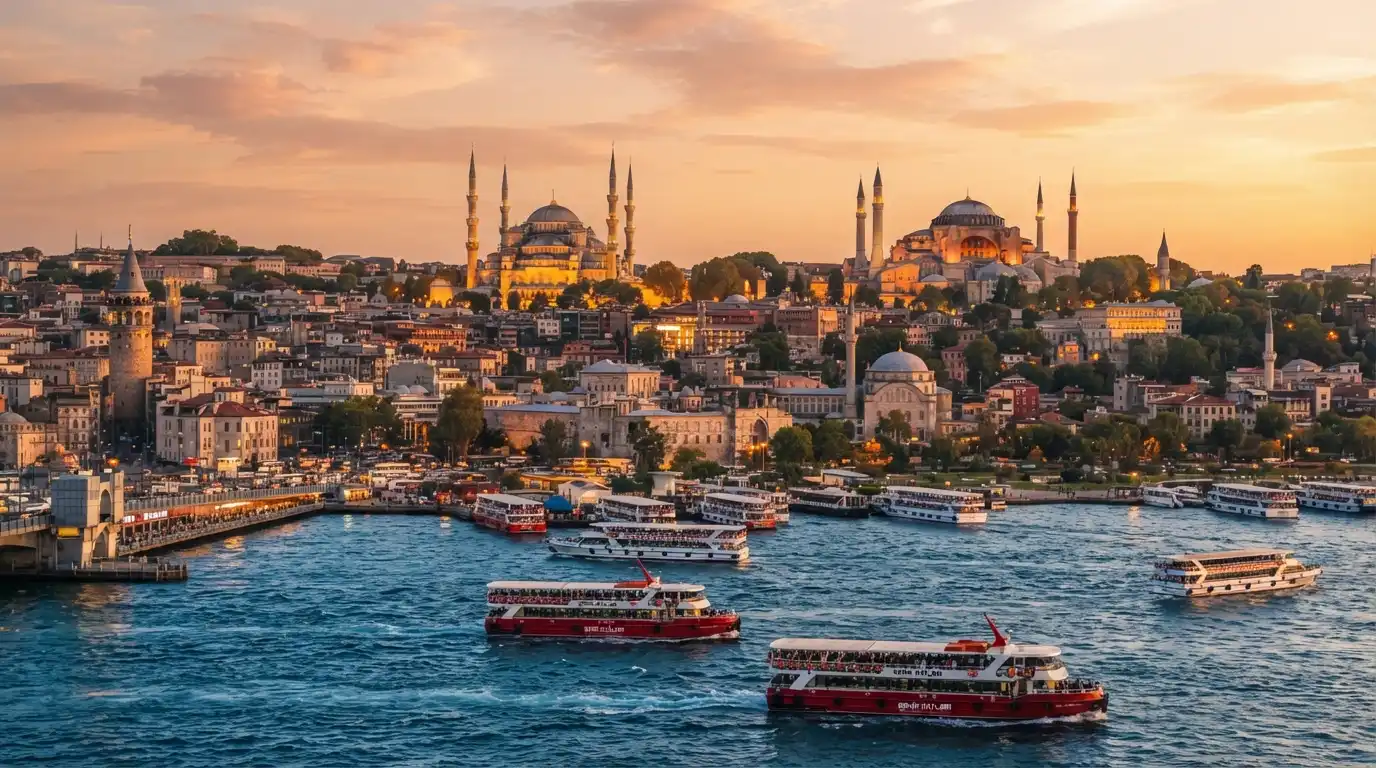
Istanbul must see attractions include the Blue Mosque, Hagia Sophia, Dolmabahçe Palace, the Grand Bazaar, and a Bosphorus cruise. Spread across a city that literally straddles two continents, first timers consistently underestimate just how much ground there is to cover here, and the sheer density of history packed into every neighborhood can feel genuinely overwhelming without a plan.
Is the Blue Mosque or Hagia Sophia More Must See?
Both, honestly, but they tell very different stories. The Blue Mosque, UNESCO listed since 1985 and known locally as Sultanahmet Mosque, is named for the handmade blue tiles lining its interior, and even a stroll through the courtyard to admire the exterior is worthwhile if the interior happens to be closed for renovation during your visit. Hagia Sophia carries a genuinely complex history, originally built as a Byzantine cathedral, converted to a mosque after Constantinople fell to the Ottoman Empire, turned into a secular museum from 1935 until 2020, and then converted back into a religious building. Both sites sit close together in the historic Sultanahmet district, so pairing them into the same day makes logistical sense regardless of which one you prioritize first. Given Hagia Sophia’s queues run notoriously long, booking a skip-the-line ticket or joining a small group tour that bundles access with Topkapi Palace and the Basilica Cistern saves real time.
What Is There to Do at Dolmabahçe Palace?
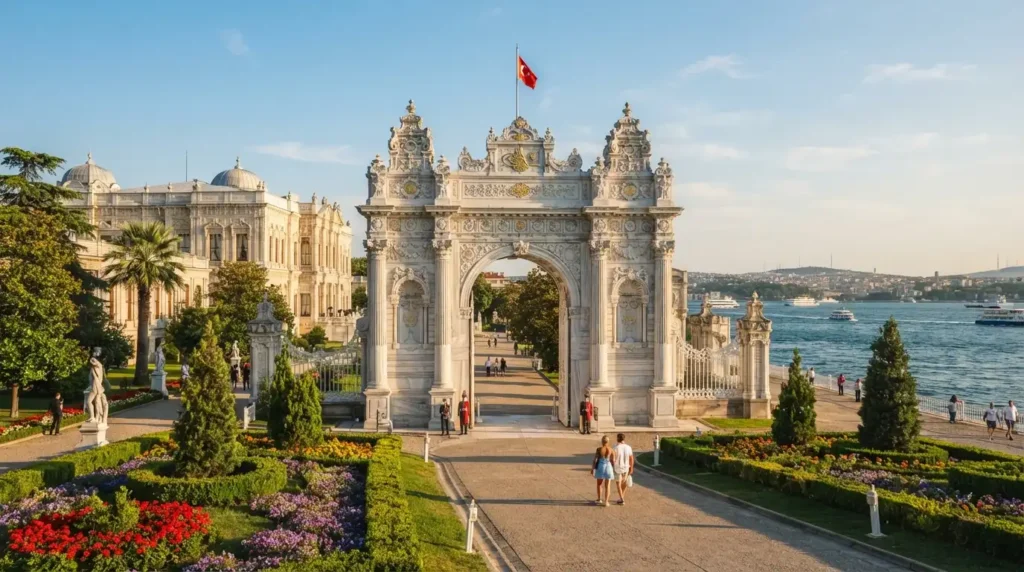
Dolmabahçe Palace, in the Beşiktaş district, served as the Ottoman Empire’s main administrative center from 1856 to 1887 and again from 1909 to 1922, and it remains Turkey’s largest palace, home to the world’s largest ballroom. Entry runs around 300 TL, and locals recommend allowing 2 to 3 hours to properly see the three sections of the palace and its surrounding gardens. Budget conscious travelers who’d rather skip the entry fee can still stroll the lovely entrance gardens and admire the archways from outside completely free, which delivers a meaningful taste of the palace’s grandeur without the ticket cost.
Is the Grand Bazaar Worth Visiting?
Yes, despite the honest downsides. It’s touristy, it’s genuinely crowded, and covering all 61 streets without getting turned around is a real challenge, but no trip to Istanbul feels complete without at least a wander through this enormous historic marketplace. Whether you’re hunting for souvenirs, teas, spices, soaps, or Turkish towels, the Grand Bazaar remains the definitive place to find them. Travelers worried about getting lost or overwhelmed by the size of the place should consider a guided tour instead of navigating solo, which turns what could be a stressful maze into a genuinely enjoyable few hours.
Is a Bosphorus Cruise Worth It?
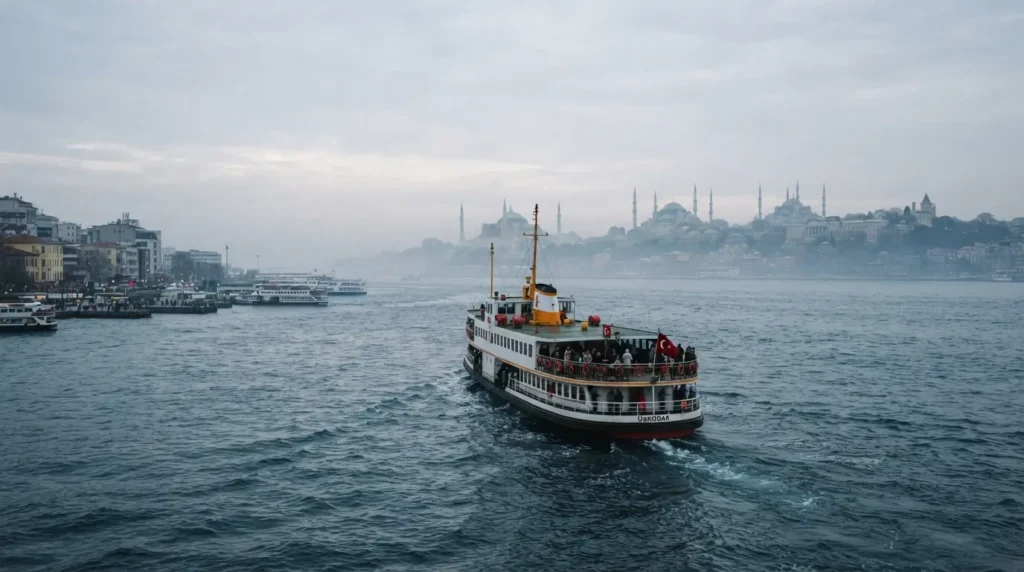
Yes, and it’s one of the only free-of-charge ways to literally cross between two continents in a single afternoon. Ferries depart from multiple docks across the city, including Karaköy, Kabatas, Beşiktaş, and Eminönü on the European side, plus Üsküdar and Kadıköy on the Asian side, with 22 public ferry lines running and departures typically no more than 15 minutes apart. Pricing depends on the distance traveled, so simply picking a destination and buying the corresponding ticket at the dock works fine without needing to book ahead. One practical note worth remembering: Bosphorus ferries stop running at 11pm, so plan any evening crossing with that cutoff in mind.
What Are Free Things to See in Istanbul?
| Free Attraction | What to Expect |
| Ortakoy Mosque | Waterway setting, open to non-Muslims, photos allowed |
| Yıldız Park | Elevated city views, rope bridges, near-deserted paths |
| Istiklal Avenue | Historic trams, street performers, live music |
| Bosphorus ferry crossing | Continent-hopping views, no advance booking needed |
Ortakoy Mosque sits right on the European banks of the Bosphorus and offers a genuinely beautiful, less crowded alternative to the Blue Mosque, with photography allowed inside and a stunning ceiling in the main prayer room. Yıldız Park delivers some of the best peace and quiet in the entire city, with gentle walkways and rope bridges winding through an elevated setting that’s ideal for a picnic or simply escaping the tourist crowds. Istiklal Avenue, Istanbul’s main shopping street leading off Taksim Square, mixes historic trams and ancient churches with buskers and street performers, making a simple walk down the cobblestones one of the better free experiences in the city.
Where Should You Stay in Istanbul?
| Area | Best For | Notes |
| Sultanahmet | Old City sightseeing convenience | Walking distance to Blue Mosque, Hagia Sophia, Grand Bazaar |
| Kadıköy | Better value, local atmosphere | Asian side, regular ferries to European side |
| Eminönü | Ferry and market access | Close to Spice Bazaar and Galata Bridge without Galata prices |
| Üsküdar | Quieter Asian-side base | Ferry and Marmaray train access |
Sultanahmet consistently earns the top recommendation for first time visitors, since staying here puts you within easy walking distance of Istanbul’s Old City attractions, cutting down significantly on transport costs and time. Kadıköy, on the Asian side, often delivers better value on both accommodation and restaurants, with a livelier, more local feel and regular ferries connecting back to Eminönü, Karaköy, and Beşiktaş, effectively turning a daily commute into a budget Bosphorus cruise. Room prices across the city generally sit at the affordable to lower mid-range end, and booking Sunday through Thursday stays, ideally between November and March excluding the Christmas and New Year period, consistently delivers the cheapest rates. Families prioritizing convenience over local atmosphere should lean toward Sultanahmet or Eminönü, while those comfortable with a short ferry ride each day will find genuinely better value across the water in Kadıköy or Üsküdar.
Is the Istanbul Welcome Card or Museum Pass Worth It?
For travelers planning a second visit focused on sites like Topkapi Palace, the Archaeological Museums, the Museum of Turkish and Islamic Art, and the Basilica Cistern, either pass can genuinely pay off. Both offer fast track entry, which matters enormously at sites known for long queues, and the right choice comes down to exactly which attractions each pass includes, so checking the current inclusions and prices before purchasing is worth the extra few minutes.
What Should You Do on a Second Visit to Istanbul?
Topkapi Palace, the former residence of Ottoman sultans, rounds out the historic sites most first time visitors miss on a single trip. The Archaeological Museums and the Museum of Turkish and Islamic Art both add real depth for travelers who want to go beyond the headline landmarks, while the Basilica Cistern offers a genuinely atmospheric underground detour unlike anything else on a typical Istanbul itinerary. A walking tour through the Fener and Balat World Heritage area is also worth squeezing in if your schedule allows, offering a quieter, more residential side of the city’s layered history.
What Is the Best Time to Visit Istanbul?
May and September both consistently rank as the ideal months to visit, delivering plenty of sunshine and comfortable temperatures for city sightseeing without the peak crowds or humidity of high summer. June through August can get genuinely too hot for extended walking between sites, while November through February brings cold enough weather to make outdoor sightseeing considerably less pleasant. Even during the recommended shoulder season months, though, weather can turn surprisingly chilly and wet with little warning, so packing for both sun and rain matters more than the “perfect month” label might suggest.
What Should You Pack for Istanbul?
A headscarf, along with a long skirt or trousers and a long sleeved top, is essential for anyone planning to enter mosques like the Blue Mosque or Ortakoy Mosque, since modest dress is required at every religious site in the city. A lightweight, waterproof jacket is worth packing regardless of season, since even May and September can deliver unexpectedly chilly, wet days despite generally being the best months to visit. A reliable travel camera also earns its place in the bag, given how photogenic the city is from the bustling Grand Bazaar to the waterside views along the Bosphorus.
Final Thoughts
Narrowing down the real istanbul must see list comes together once you accept you likely can’t see everything in a single trip. Pair the Blue Mosque and Hagia Sophia into one Sultanahmet day, take a free Bosphorus ferry to see the city from the water, and pick your base, Sultanahmet for convenience or Kadıköy for value and local atmosphere, based on what actually matters to your trip. Whether it’s wandering the Grand Bazaar’s 61 crowded streets or finding quiet at Yıldız Park, the best istanbul must see experiences reward travelers who plan around the city’s scale rather than trying to out-hustle it.
FAQs
How many days do you need in Istanbul?
Four to five days lets you properly cover the major must see sites in Sultanahmet, take a Bosphorus cruise, and explore at least one additional neighborhood like Kadıköy or Karaköy without feeling rushed.
Is Istanbul safe for solo travelers?
Generally yes, and travelers consistently report feeling comfortable exploring the city’s major districts, though standard city precautions around crowded tourist areas like the Grand Bazaar and Istiklal Avenue still apply.
What is Istiklal Avenue known for?
Istiklal Avenue is Istanbul’s main shopping street, known for its historic trams, live street performances, and a constant buzz of buskers, ice cream vendors, and shoppers stretching from Taksim Square down toward Karaköy.
Is a food tour worth it in Istanbul?
Yes, a guided evening food tour with a small group and a minimum of four tasting stops offers a genuinely efficient way to sample the city’s food scene while learning the stories behind each dish from a local guide.


