
Bucket List Travel: How to Build a List You Will Actually Complete

Bucket list travel means turning a collection of dream destinations and experiences into a real, plannable trip, built around your time, budget, and personal interests instead of a generic must-see checklist. The hard part is never making the list. It is figuring out which items to book first, what they cost, and how to get there without feeling overwhelmed.
Most people start a bucket list after seeing a stunning photo online, then never open it again. That happens because the list grows faster than the plan. A good bucket list travel strategy fixes that by turning wishes into a sequence of doable trips.
What Counts as a Bucket List Versus a Travel Wish List
A travel wish list is open ended. It grows every time you scroll through Instagram or Pinterest and see something beautiful. A bucket list works differently because it implies a deadline and a real intention to finish it, not just admire it.
Think of a bucket list quest as the sharper version of a wish list. Instead of collecting random places, you pick one theme and chase it on purpose. Visiting every continent, hiking every national park in a region, or eating your way through ten countries are all quests. They give a scattered list direction, which is exactly what most first time list makers are missing.
How Many Things Should Be on a Travel Bucket List

There is no correct number. Some travelers keep a tight list of twenty meaningful experiences. Others build sprawling lists with a thousand entries covering everything from major landmarks to small personal goals like trying a new dish or sleeping in a treehouse.
A shorter, quest style list tends to get finished. A massive list works better as a lifelong reference you revisit each year, adding a few items and crossing off a few more. The mistake is treating a thousand item list like something you need to complete this decade. It is a menu, not a deadline.
How to Start a Bucket List Without Feeling Overwhelmed
The easiest starting point is sorting ideas into categories instead of dumping everything into one long list. Common categories include:
- Places and landmarks you want to see in person
- Food and drink experiences tied to a specific region
- Wildlife and nature encounters
- Major events, concerts, or festivals
- Personal growth goals, like learning a language or running a marathon
- Experiences you want to share with specific people
Sorting by category does two things. It shows you which parts of your life are underrepresented, and it makes the list far less intimidating because you are choosing from ten items in a category instead of scrolling through hundreds.
What Should Go on Your Bucket List First

Skip the obvious landmark entries for a moment and ask what would genuinely mean something to you. A generic Eiffel Tower photo does not carry the same weight as a trip built around your own interests, whether that is golf courses, live music, or slow food travel.
Once you know your theme, prioritize by two things: what is realistically affordable this year, and what has a narrow booking window, like a seasonal festival or a trek that requires permits months in advance.
How Do You Afford Bucket List Travel
Money is the biggest reason bucket lists stay lists instead of trips. The good news is that most bucket list travel does not require luxury level spending.
Booking flights during shoulder season, comparing fares across multiple airlines using a flight search tool, and staying in hostels or short term rentals instead of resorts can cut a trip’s cost significantly. A general guide to what popular experiences cost:
- Multi day guided treks, including permits and a guide, typically run in the low to mid hundreds of dollars per day depending on the country
- Half day adventure tours, like ziplining or snorkeling trips, usually fall in the range of forty to one hundred fifty dollars per person
- Safari packages vary enormously, from budget camping safaris in the low hundreds per day to luxury lodge safaris well into four figures per night
- Overwater bungalow stays are the most expensive entry on most lists, often starting around five hundred dollars a night in shoulder season and climbing sharply during peak months
These numbers shift with fuel prices, currency exchange, and demand, so treat them as a starting range rather than a fixed quote, and always check current listings before booking.
Best Bucket List Travel Experiences Around the World
Some experiences show up on almost every serious travel list because they deliver something a photo cannot fully capture. In the United States, that includes watching wildlife move through Yellowstone National Park, driving the Pacific Coast Highway through Big Sur, and spending an evening in New Orleans between live jazz and a plate of gumbo.
Internationally, the list tends to center on a handful of destinations that reward the effort it takes to reach them. Hiking to Machu Picchu, standing at the base of Victoria Falls, watching sunrise over Angkor Wat, and floating in the Dead Sea all fall into this category. Each one takes planning, but each one is genuinely worth the logistics.
Best Adventure and Adrenaline Experiences
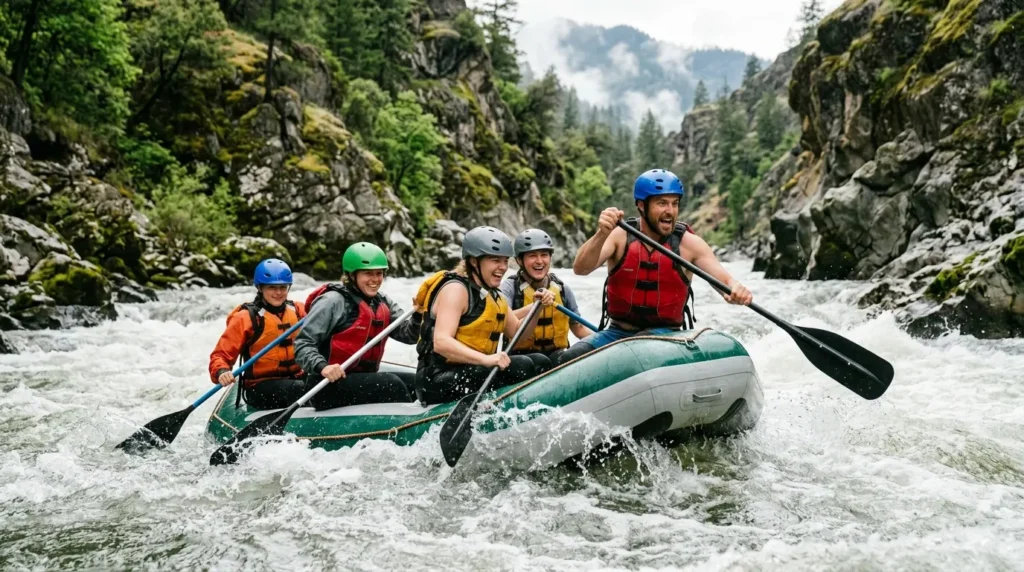
Travelers chasing an adrenaline rush usually gravitate toward a specific set of experiences. Ziplining through Costa Rica’s cloud forest near Monteverde is a favorite starting point because the tours are well established and reasonably priced. White water rafting on the Nile River in Uganda and climbing Mount Kilimanjaro in Tanzania sit at the more demanding end, both requiring a real fitness baseline and, for Kilimanjaro, several days of altitude acclimatization.
A common mistake first timers make is underestimating altitude. Kilimanjaro summit attempts fail more often because of altitude sickness than physical exhaustion, which is why longer routes with slower ascent profiles have noticeably higher success rates than the shortest, cheapest options.
Best Wildlife and Nature Experiences
Wildlife encounters are consistently among the most requested bucket list items, from whale watching off Maui between December and April to safari drives through the Serengeti and Ngorongoro Crater in Tanzania. Swimming in Jellyfish Lake in Palau, where the jellyfish have lost their sting over thousands of years of isolation, is another standout that draws visitors specifically for that one experience.
How do you choose an ethical wildlife tour operator? Look for operators that keep animals in open, natural environments rather than enclosed tanks or pens, avoid any tour that allows physical contact framed purely as a photo opportunity, and check whether the operator publishes information about conservation funding. Dolphin and stingray encounters in particular deserve scrutiny, since not every operator treats the animals the same way, and the difference is not always obvious from the marketing photos.
How to Plan a Round the World Bucket List Trip
A round the world trip works best when it follows a rough geographic direction instead of zigzagging across time zones. A common approach starts on one coast, moves west or east in a continuous line, and groups nearby countries together so flights stay shorter and cheaper.
A sample route might link the Pacific Coast Highway, the Galapagos Islands, Machu Picchu, and Patagonia across the Americas, then continue to Petra in Jordan, Bhutan’s Tiger’s Nest, and Angkor Wat in Southeast Asia before finishing in Bora Bora. Building in buffer days between major legs matters more than people expect, since delayed flights and visa processing can derail a tightly packed itinerary fast.
How to Book Bucket List Experiences and Tours
Most travelers rely on a small set of tools to handle bucket list travel logistics. Tour marketplaces let you compare guided experiences and read recent traveler reviews before booking. Flight comparison tools help track fares across airlines, while hostel and short term rental platforms cover accommodation at different budget levels.
Travel insurance is worth the cost for anything involving remote destinations, high altitude trekking, or multi country itineraries. Losing a connecting flight in a country with limited rebooking options, or needing medical evacuation from a place like Patagonia or Antarctica, can cost far more than the insurance premium itself.
Is Bucket List Travel Realistic for Solo Travelers and Families

Solo travelers can access nearly every experience on a typical bucket list, though group tours are worth prioritizing for safety and cost sharing on activities like multi day treks or safaris. Solo female travelers in particular tend to find that joining a small group tour, rather than booking every leg independently, reduces both cost and logistical stress.
Families can do the same trips with adjusted pacing. A safari with young children works better as a shorter, lodge based itinerary rather than a long camping route, and high altitude treks like Kilimanjaro are generally not recommended for children under twelve due to altitude risk. Matching the experience to the traveler, rather than forcing every item to look the same, is what makes a bucket list workable for a whole family instead of just one person.
How to Avoid Bucket List Burnout
A list with hundreds of entries can start to feel like a chore instead of an inspiration. The fix is treating the list as a living document rather than a race. Revisit it once or twice a year, remove items that no longer feel meaningful, and celebrate the ones you finish instead of immediately shifting focus to what is left.
Comparing your progress to someone else’s travel feed is one of the fastest ways to drain the joy out of bucket list travel. The goal was never to match another person’s list. It was to build one that reflects what you actually want.
Final Thoughts
Bucket list travel works best when it stops being an abstract dream and becomes a short list of specific, bookable trips. Pick one theme, check the realistic cost and timing, and book the first experience instead of waiting for the perfect moment to start on all of them at once. The list will always be there. The trips are what actually count.
FAQs
What is a reverse bucket list?
A reverse bucket list is a record of experiences you have already completed instead of ones you still want to do. It works as a gratitude practice, reminding you how much you have already accomplished when the forward facing list starts to feel endless.
What is the best time of year for popular bucket list experiences?
Timing depends entirely on the experience. Maui whale watching peaks from December through April. High altitude treks like Kilimanjaro and the Salkantay trail to Machu Picchu are best attempted during the regional dry season, which varies by hemisphere, so checking specific monthly weather patterns before booking is worth the extra ten minutes.
How do you afford bucket list travel on a normal budget?
Focus on shoulder season pricing, mix budget accommodation with one or two splurge experiences, and prioritize a handful of items over trying to fund everything on the list at once. Budget and luxury travelers can often do the exact same core experience, like a safari or a trek, at very different price points depending on lodging choices.
Is bucket list travel safe for solo travelers?
Yes, with reasonable precautions. Sticking to established tour operators for remote or high risk activities, researching regional safety conditions in advance, and telling someone your itinerary are standard practices that apply whether you are traveling solo or in a group.


