
Beach in Mexico: The Complete Guide to Every Coastline
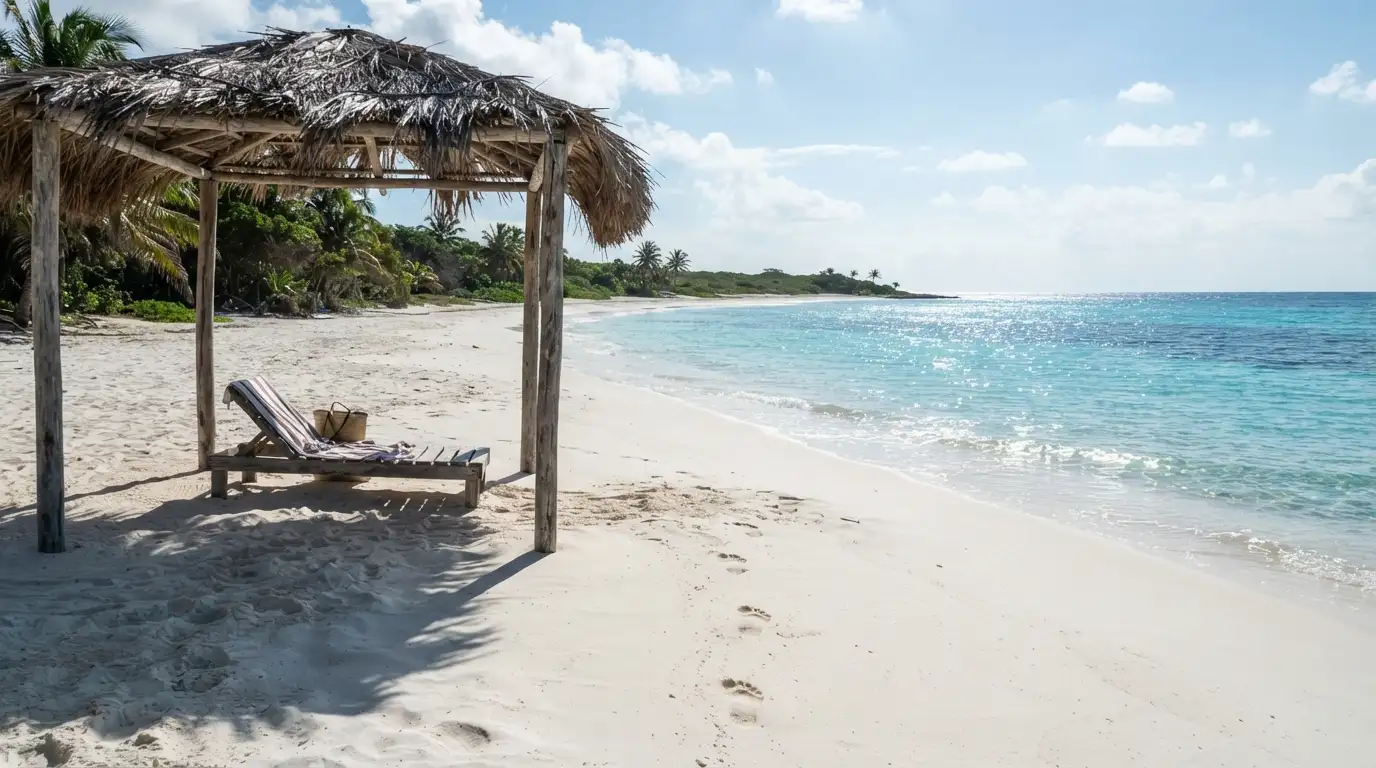
The best beach in Mexico depends on which coastline you choose, spanning the Caribbean beaches of Quintana Roo, the gentle Gulf of Mexico coast of Yucatán, and the surf-friendly Pacific Coast. Most travelers default to Cancun or Tulum without realizing Mexico stretches nearly 10,000 kilometers of coastline across four genuinely distinct regions, each offering a completely different kind of beach in Mexico experience.
Which Mexican Coastline Has the Best Beaches?
| Coastline | Region | Character |
| Caribbean Sea | Quintana Roo | Turquoise water, idyllic resort towns and islands |
| Gulf of Mexico | Yucatán, Campeche | Gentle waves, calm emerald water, local culture |
| Pacific Ocean | Nayarit, Jalisco, Oaxaca, Sinaloa | Surf-friendly waves, laid-back beach towns |
| Gulf of California | Baja California | Diverse marine life, fewer crowds |
Mexico’s Caribbean coast in Quintana Roo delivers the postcard image most people picture, bright turquoise water and white sand around famous towns like Cancun, though this region draws the heaviest crowds of any Mexican coastline. The Gulf of Mexico coast, running along Yucatán and Campeche, offers noticeably gentler waves and calmer, emerald-green water, flanked by small fishing villages, mangroves, and estuaries that reveal far more local culture than the big beach resorts further east. The Pacific coast, spanning Nayarit, Jalisco, Oaxaca, and Sinaloa, suits travelers chasing surf, with waves ranging from gentle beginner breaks to genuinely serious pipeline surf depending on the exact beach. The Gulf of California along Baja California rounds out the country’s coastline with some of its most biodiverse marine life and noticeably fewer visitors than the other three regions.
What Is Sargassum and Which Mexican Beaches Are Affected?
Sargassum is a type of brown seaweed that periodically washes up along parts of Mexico’s Caribbean coast, and it’s genuinely worth understanding before booking a beach-focused trip to this region specifically. Hotel Zone beaches in Cancun typically stay clear thanks to dedicated local cleanup crews, though the problem can still appear elsewhere along the coast during certain months. Cozumel’s western beaches have historically avoided sargassum better than the eastern side of the island, and travelers heading to Cozumel’s east coast should specifically ask locally before making the trip over, since conditions can shift. A common mistake first timers make is assuming every Caribbean beach in Mexico will look exactly like the marketing photos, when checking current conditions for your specific destination and dates genuinely matters, especially for beaches along the more affected stretches of the coast.
Which Beaches in Mexico Are Calm and Safe for Swimming?
| Beach | Region | Notes |
| Playa Gaviota Azul | Cancun | Calm, clear, striking blue water |
| Isla Holbox beaches | Quintana Roo | Gentle, shallow throughout |
| Bahia Los Frailes | Cabo Pulmo | Sheltered bay, calm shallow water |
| Playa Zicatela | Oaxaca | Not recommended, strong pipeline surf |
| Playa Mazunte | Oaxaca | Surf often too strong for casual swimming |
Playa Gaviota Azul in Cancun’s hotel zone offers calm, clear, strikingly blue water with plenty happening nearby, making it a genuinely reliable choice for swimming. Every beach on Isla Holbox delivers gentle, shallow water suitable for casual swimming, a big part of why the island has built such a strong reputation among travelers wanting a relaxed beach in Mexico experience. Bahia Los Frailes near Cabo Pulmo offers a sheltered, calm bay ideal for splashing around, a genuinely different experience from the rougher Pacific coastline found in more popular parts of Los Cabos. On the other end of the spectrum, Playa Zicatela’s pipeline surf in Oaxaca is far too strong for casual swimming, and Playa Mazunte similarly sees surf conditions too rough for anyone but strong, experienced swimmers, so researching specific water conditions before choosing where to spend a beach day genuinely matters here.
Is Tulum the Best Beach in Mexico?
Not necessarily, and it’s worth hearing an honest take before assuming Tulum automatically belongs at the top of every list. Tulum’s beaches are genuinely beautiful, but the town itself has shifted in recent years toward a trendier, more upscale crowd rather than the relaxed, family-friendly atmosphere many travelers actually want from a beach in Mexico. Pricing has climbed considerably too, and travelers specifically seeking value or a more laid-back pace should look at alternatives like Puerto Morelos, El Cuyo, or Isla Holbox instead, each delivering a genuinely different, often calmer and more affordable, experience.
Is It Ethical to Swim with Sea Turtles in Mexico?
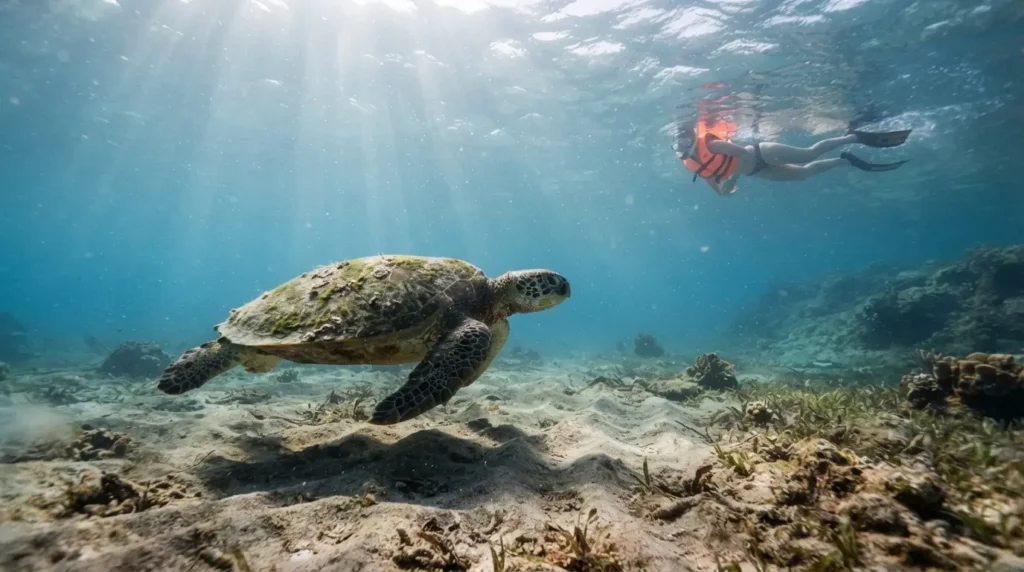
Yes, but only when done through a properly licensed guide following strict rules, and this genuinely matters for the wellbeing of the turtles themselves. Akumal remains the most well known spot for this experience, and travelers should pay a licensed guide and stay within the specific area they designate rather than swimming freely. Wearing the provided life jacket isn’t for your own safety but specifically to prevent divers from swimming down and touching the turtles, and remaining horizontal in the water without ever standing on the reef or seagrass beds protects the fragile ecosystem the turtles depend on. Sunscreen should be avoided entirely in favor of a proper swim vest for sun protection, and crowding the turtles is never appropriate regardless of how close other tour groups might get. Choosing an operator who genuinely enforces these rules, rather than one that lets guests get closer for a better photo, is the clearest sign you’re supporting an ethical operation.
What Is the Best Time for Whale Watching on Mexico’s Beaches?
| Location | Season | Species |
| Cabo Pulmo | December to April | Humpback whales |
| Puerto Vallarta | Winter months | Humpback, grey whales, porpoises |
| Loreto | Winter months | Blue whales |
Cabo Pulmo’s protected marine park sees humpback whales passing through between December and April, adding a genuine wildlife dimension to what’s already one of the calmer, more family-friendly beach regions in Baja California. Puerto Vallarta runs popular winter whale watching tours with reliably high sighting rates, primarily humpbacks but occasionally grey whales and porpoises as well. Loreto stands out as one of the best places in the entire world to see blue whales, the largest animal on Earth, within the boundaries of Loreto Bay National Park during the winter months. Travelers specifically planning a beach in Mexico trip around whale watching should prioritize these winter months regardless of which of the three regions they choose.
What Are the Best Beaches in Baja California?
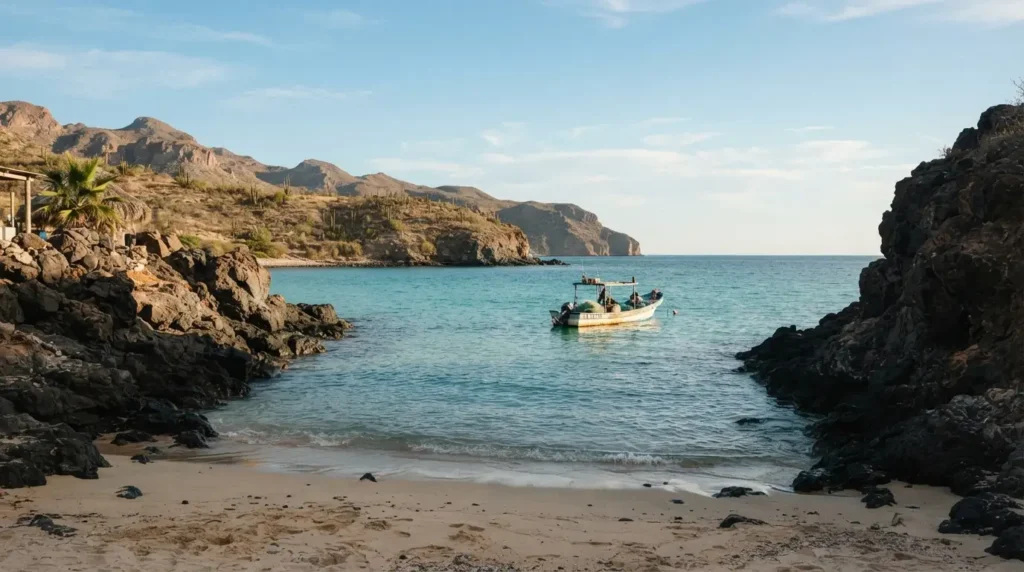
Loreto anchors the Gulf of California coast with a relaxed, compact town overlooking the Sea of Cortez, one of the most biodiverse marine areas on the planet, with beaches along the town’s Malecón easily accessible on foot and Isla Coronado offering a genuine day trip destination with sprawling white sand and panoramic ocean views. Cabo Pulmo, a tiny, laid-back beach town offering a glimpse of what the Los Cabos region looked like before mass tourism arrived, delivers calm, swimmable beaches along the Sea of Cortez, a genuine contrast to the rougher Pacific coastline found in the busier parts of Los Cabos. Cabo San Lucas rounds out the region for travelers specifically chasing surf, with beginner-friendly waves at Acapulquito Beach and soft-top foam board rentals running around $10 an hour, making it accessible even for complete beginners wanting to try the sport for the first time.
Do You Need a Car to Reach Mexico’s Best Beaches?
For some of the country’s more remote beach towns, yes, and renting a car genuinely opens up destinations that public transport simply can’t reach conveniently. El Cuyo, one of the gentlest and most beautiful stretches of coast in Yucatán, is difficult to reach and explore without your own vehicle, and this remoteness is honestly part of its appeal. Yucatán more broadly is considered extremely safe and easy to self-drive, making a rental car a genuinely practical choice for travelers wanting to string together several Gulf of Mexico beach towns in one trip. Better-connected beach towns like Cancun, Puerto Vallarta, and Mazatlan work fine without a car, given their established tourist infrastructure and easy access to taxis and organized tours.
Final Thoughts
Finding the right beach in Mexico really comes down to matching the coastline to what you actually want from the trip. Choose the Caribbean for classic turquoise water despite the crowds, the Gulf of Mexico for calm water and local culture, the Pacific for surf, and Baja California for quieter beaches and genuinely world-class marine life. Whether it’s an ethical turtle swim in Akumal or watching blue whales off Loreto, the best beach in Mexico experiences reward travelers who research sargassum conditions, water safety, and wildlife seasons before choosing where to spend their trip.
FAQs
What is the best beach in Mexico for a quiet, uncrowded trip?
El Cuyo in Yucatán and La Boquilla near Mazunte on the Oaxaca coast both deliver genuinely quiet, uncrowded beach experiences, though both require some extra effort to reach compared to Mexico’s busier, more famous resort towns.
Is Cancun or Playa del Carmen better for beaches?
Both offer stunning Caribbean coastline, but Cancun’s hotel zone beaches benefit from dedicated cleanup crews keeping sargassum at bay more consistently, while Playa del Carmen offers easier access to nearby islands like Cozumel for a day trip.
What is the best beach in Mexico for surfing?
Sayulita on the Pacific coast offers approachable surf lessons for beginners, while more experienced surfers head to spots like Playa Brujas in Mazatlan or the Sea of Cortez and Pacific coastlines around Cabo San Lucas depending on the season.
Is Cabo Pulmo worth visiting?
Yes, particularly for travelers wanting calm, swimmable beaches paired with genuinely world-class snorkeling and diving, since the surrounding national park protects the largest coral reef on the west coast of North America and hosts humpback whales from December through April.


