
Cleanest Lakes in the US in 2026: 10 Crystal Clear Lakes Worth Knowing
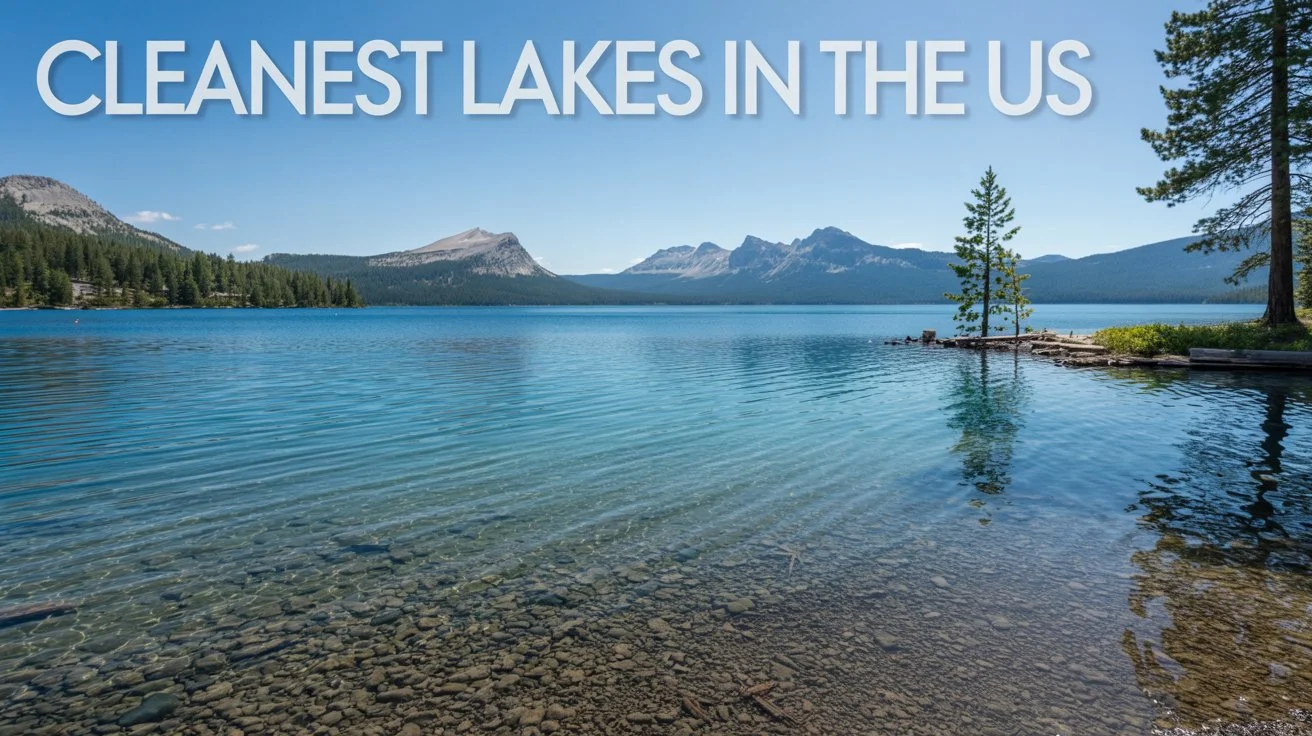
The cleanest lakes in the US are usually the lakes with strong water quality, low turbidity, healthy dissolved oxygen, and protected watersheds. In 2026, Lake Superior leads most data based rankings, while Crater Lake, Lake Tahoe, Lake George, and Newfound Lake stand out when people care more about clarity, beauty, and swimming appeal.
What are the cleanest lakes in the US right now?
The most commonly cited names in current rankings are Lake Superior, Lake Chelan, Lake Hartwell, Lake of the Ozarks, Lake Pend Oreille, Lake Winnibigoshish, Kentucky Lake, Lake Norman, Lake Mead, and Flathead Lake. That list comes from recent data driven rankings focused on measurable water quality signals, not just pretty photos.
That said, this topic gets messy fast because readers often mean two different things at once. Some people want the lake with the best overall water quality. Others want the one with the most dramatic crystal clear water. Those are related, but they are not identical. Crater Lake is famous for extraordinary clarity, Lake Tahoe is heavily monitored for visibility, and Lake George is known for unusually high water standards in New York.
Lake Superior is the strongest current answer if you want a data backed “cleanest” pick, while Crater Lake is the easiest answer if you mean “clearest looking.”
What makes a lake clean instead of just clear?
A lake is usually considered clean when it shows strong readings for dissolved oxygen, low turbidity, manageable total dissolved solids, balanced pH, and low nutrient pollution from things like phosphorus and nitrogen. Those signals matter because too many nutrients can trigger algae blooms, while cloudy water can point to sediment, runoff, or ecological stress. The broader U.S. monitoring system also treats these as standard water quality indicators.
By contrast, a clear looking lake may simply have excellent visibility or deep blue water. Crater Lake is the classic example. The National Park Service says its great depth, purity, and clarity are what create its famous color, with average clarity around 103 feet. That makes it a clarity icon, but a clarity icon is not always the same as the top all around “cleanest” lake in every ranking.
Which lakes deserve a place on a cleanest lakes list in 2026?
Here is the balanced version. I am mixing the current data heavy leaders with the lakes that peoples keep asking about because of their reputation for clarity, recreation, and trust.
- Lake Superior is the strongest overall answer in current rankings. Recent reports say it stands out for high dissolved oxygen, very low turbidity, and low total dissolved solids. The EPA also notes that it has seen less development and urbanization than the other Great Lakes, while the National Park Service describes it as oligotrophic, meaning nutrient poor and naturally clear.
- Lake Chelan stays near the top because of its very low mineral load and long standing reputation for good clarity. Washington state assessments have described it as having good water clarity, and local reporting says the lake has shown strong long term stability in clarity and nutrients.
- Lake Hartwell ranks well in recent clean lake studies, even though it is not usually the first lake casual travelers mention. It helps your article because it shows you are not just repeating the same scenic names everyone already knows.
- Lake Pend Oreille also appears in recent clean lake rankings and fits the pattern of a deep, cold lake with strong natural appeal. It gives your list geographic range and helps the page feel more national.
- Flathead Lake is worth including, but with nuance. It is widely praised for clear water and often appears in “cleanest” lists, yet monitoring groups also note that the lake faces nutrient and sediment pressure and needs ongoing protection. That makes it a great example of a beautiful lake that still needs active monitoring.
- Crater Lake belongs in any serious article because people constantly ask about it. It is the deepest lake in the United States, and the National Park Service highlights its depth, purity, and exceptional clarity. If the reader asks for the most visually striking blue water, this is one of the safest answers you can give.
- Lake Tahoe deserves a section because it dominates real user curiosity. Tahoe’s clarity is tracked year after year, and recent reports say its long term clarity record is stable, with current visibility often in the 60 to 70 foot range even as summer clarity remains a concern. That gives you a strong “clear but actively protected” angle.
- Lake George is a strong inclusion for readers who care about swimming and public trust. The lake is rated Class AA Special in New York, which is an unusually high classification, though local groups also note pressure from stormwater runoff and erosion. That mix of quality and vulnerability makes it useful in a 2026 article.
- Newfound Lake works well for a practical angle. Local monitoring from 2025 reported clearer water, lower phosphorus, and no harmful algal blooms, while New Hampshire lake classifications list it as oligotrophic, which fits a clean, low nutrient lake profile.
- Torch Lake is often discussed because of its color and visual appeal. It may not lead every science heavy ranking, but it helps serve the real search intent behind this topic, which often blends clean, clear, and beautiful into one question.
Why do some lakes stay cleaner than others?
Clean lakes usually share the same pattern. They have protected watersheds, lower development pressure, colder water, lower nutrient input, and better long term water monitoring. Lake Superior benefits from limited development compared with other Great Lakes, Lake Tahoe has decades of clarity tracking and restoration work behind it, and Lake George has high legal protections plus active community science.
The opposite pattern is also clear. When lakes take on too much stormwater runoff, sediment, road salt, failing septic systems, or excess phosphorus, water gets cloudier and algae risk rises. That is why even very clean lakes can slip if shoreline growth moves faster than protection efforts. Newfound Lake’s runoff updates and Lake George’s impairment notes are good real world examples.
Which clean lakes are best for swimming, kayaking, and family trips?
If you cares most about swimming, Lake George and Newfound Lake are easier recommendations than Crater Lake. They combine clean water with a more practical family recreation feel. Newfound Lake’s recent monitoring also reported no harmful algal blooms, which is reassuring for summer use.
If the goal is kayaking, Lake Tahoe, Lake Chelan, and Flathead Lake stand out because they combine clear water with broad scenic payoff. Tahoe and Chelan feel iconic, while Flathead delivers that big open freshwater view people remember.
FAQs about the cleanest lakes in the US
What is the cleanest lake in the US?
Right now, Lake Superior is the strongest answer if you want a data based ranking. Multiple 2025 and 2026 reports place it first because of low turbidity, low total dissolved solids, and strong dissolved oxygen.
What is the clearest lake in the United States?
Crater Lake is the most famous answer for clarity. The National Park Service says its depth, purity, and clarity define the lake, with average visibility around 103 feet.
Is Lake Tahoe the cleanest lake in America?
Not in the latest data led rankings. Lake Tahoe is one of the country’s best known clear lakes, but current ranking style reports place Lake Superior ahead of it for all around water quality.
Is Crater Lake cleaner than Lake Tahoe?
If you mean visual clarity, many people would point to Crater Lake. If you mean long term monitored lake health and broader water quality measures, the answer depends on the metric being used.
What makes a lake crystal clear?
Usually a mix of low nutrients, low sediment, low turbidity, and a protected watershed. Deep lakes with cold, low nutrient water often look the clearest.
Are the cleanest lakes always the safest for swimming?
Not always. A lake can be very clear but still be extremely cold, hard to access, or temporarily affected by local conditions. Swimming safety depends on temperature, current conditions, and public health advisories, not just how clear the water looks.
Are there lakes as clean as Lake George?
Yes. That is exactly why this topic is so debated. Lakes like Newfound Lake, Lake Superior, Crater Lake, and Lake Tahoe are often mentioned in the same conversation, though each is being praised for a slightly different reason.
Can man made lakes be among the cleanest in the country?
Yes. Recent rankings include several reservoirs and managed lakes, which shows that a lake does not have to be fully natural to score well on modern water quality indicators.
Final take
In 2026, Lake Superior is the strongest overall pick for the cleanest lakes in the US if you want a ranking backed by measurable water quality. If your reader cares more about breathtaking visibility, Crater Lake and Lake Tahoe deserve the spotlight, while Lake George and Newfound Lake make more practical picks for swimming and family trips.