Best Places to Visit in Vietnam for First-Time Travelers

The best places to visit in Vietnam for most first-time travelers are Hanoi, Ninh Binh, Ha Long Bay, Hoi An, Da Nang, and Ho Chi Minh City. Add Phong Nha if you want caves and wild scenery. Add Phu Quoc if you want beach time at the end. These places work because they give you a strong mix of food, history, nature, and easy travel flow from north to south.
Planning Vietnam often feels harder than it should. There are too many famous stops, many routes look packed, and weather changes by region. That is why travelers end up asking the same questions. Should you choose Ha Long Bay or Ninh Binh? Is Hanoi better than Ho Chi Minh City? Is Hoi An worth the hype? The smartest answer is not to see everything. It is to choose places that match your travel style and the time you really have.
Why Northern Vietnam gives most first-time trips a strong start
If you want a trip that feels rich from day one, start in Northern Vietnam. This part of the country gives you old streets, deep local food culture, dramatic karst scenery, and easy short add-ons. The official tourism board highlights Ha Noi, Ha Long, Ninh Binh, Sapa, and Ha Giang as key northern destinations, and that makes sense because the region offers the widest mix of city life and natural beauty in a short span.
Hanoi
Hanoi feels alive in a way few cities do. You come here for the Old Quarter, Hoan Kiem Lake, small cafés, roadside meals, and streets that seem chaotic at first but quickly start to make sense. Official Vietnam tourism recommends Hanoi for its mix of culinary highlights, architecture, and historic sites, which is exactly why it works so well as a first stop. It gives you the feeling of being in Vietnam right away.
For many travelers, the real problem in Hanoi is not whether it is worth visiting. It is how much time to give it. Two full days usually works well. That gives you time for Hoan Kiem Lake, the Old Quarter, local food, and a slower evening walk when the city calms down a little. If your trip is short, keep Hanoi. It is a better anchor than trying to rush through too many smaller stops.
Ninh Binh
A lot of travelers only think about Ha Long Bay, but Ninh Binh solves a different problem. It gives you huge limestone scenery, peaceful boat rides, and green countryside without forcing you onto a cruise. Official tourism highlights Trang An, Tam Coc, and boat tours through karsts and grottoes as the core draw here. That is why so many people call it the easier, land-based answer to Vietnam’s famous bay scenery.
It also works well for short trips. If you only have one week, Ninh Binh often makes more sense than adding too many transport days. You get a strong nature stop, beautiful photos, and a slower pace after Hanoi. If you like viewpoints, Hang Mua is the obvious add-on. If you want the classic boat route, choose Trang An or Tam Coc.
Ha Long Bay
Yes, Ha Long Bay is iconic for a reason. The limestone towers, green water, island views, and overnight cruises still make it one of Vietnam’s big bucket list experiences. The official tourism site keeps Ha Long among the country’s headline destinations, and that lines up with its global appeal.
Still, this is where people make a planning mistake. They book it because it is famous, not because it fits their style. If you love boats, wide-open views, and one relaxing night on the water, go. If you hate fixed schedules or do not want a cruise, Ninh Binh may suit you better. Travel Nation also points travelers toward Lan Ha Bay and Bai Tu Long Bay if they want similar scenery with a quieter feel. That is a useful option if crowds worry you.
Sapa or Ha Giang
Both Sapa and Ha Giang are beautiful, but they are not always the best fit for a first trip. Official tourism points to Sapa for rice terraces and good shoulder-season travel, while Ha Giang is known for remote mountain scenery and stronger road-trip appeal. They are great if mountains are your main goal. They are not ideal if you only have a few days and want a broad first taste of Vietnam.
Central Vietnam is the easiest part of the country to love
If the north feels intense, Central Vietnam often feels easier. This region blends coast, heritage, food, and a more relaxed pace. The official tourism board highlights Da Nang, Hoi An, Hue, Phong Nha, Nha Trang, and Da Lat here, which shows how much variety the center of the country offers.
Hoi An
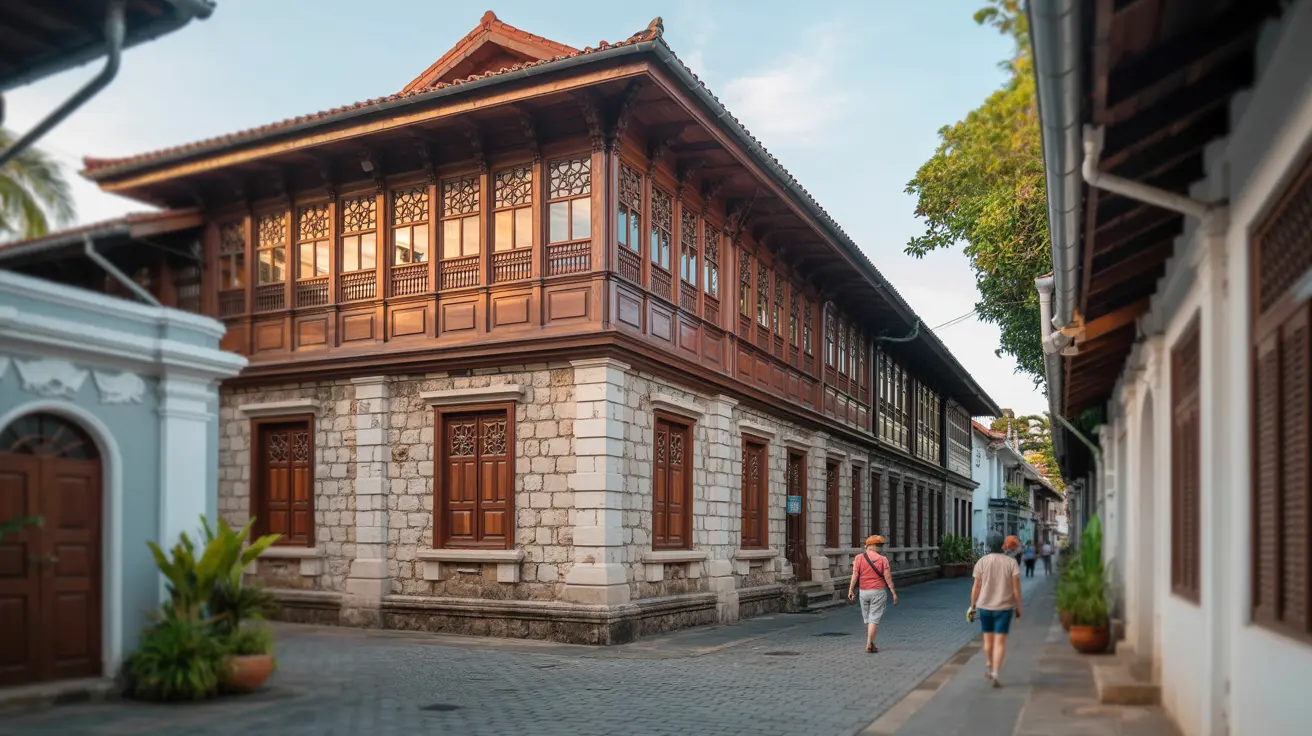
There is a reason Hoi An shows up on nearly every Vietnam list. The old streets, yellow walls, lanterns, riverside evenings, and deep food culture make it easy to enjoy. Official tourism describes Hoi An Ancient Town as a UNESCO cultural heritage site with old-world architecture and colorful lanterns. It also points to the town’s long trading history, which adds more depth than its pretty photos suggest.
The risk with Hoi An is going in with the wrong expectation. It is not a big, fast city. It is best when you slow down. Stay two or three nights. Eat local dishes like Cao Lau, wander after dark, and enjoy the fact that it is easy on foot. Travel Nation also highlights tailors as one of the town’s signature experiences, which is still one of the biggest reasons people stop here.
Da Nang
Some travelers skip Da Nang too quickly, and that is a mistake. It is one of the easiest places in Vietnam to use as a base. You get city comfort, good beaches, modern hotels, and quick access to Marble Mountains, Ba Na Hills, and Hoi An. Official tourism describes Da Nang as the City of Bridges and highlights the Dragon Bridge, Golden Bridge, and Marble Mountains as standout draws.
This is the answer if you want balance. Hoi An gives you charm. Da Nang gives you convenience. Many travelers do best by staying in one and visiting the other. If beaches matter, Da Nang usually wins. If atmosphere matters more, Hoi An wins. That simple split helps a lot when people feel stuck between the two.
Phong Nha
If caves, outdoor activity, and greener landscapes matter to you, add Phong Nha. Travel Nation recommends it as an easy addition between bigger stops, and official tourism backs that up with a long list of cave experiences, including Paradise Cave, Phong Nha Cave, and Dark Cave. The national park is also home to hundreds of caves and the region connected to Son Doong, the world’s largest cave.
This is a strong fix for travelers who feel their itinerary looks too city-heavy. Two nights in Phong Nha can break up the route and give you something far more active. It is especially good if you enjoy kayaking, ziplining, cave walks, or just being somewhere less polished.
Hue
Not every traveler needs Hue, but history lovers often do. It fits well between the north and the center, and the official tourism map keeps it among Central Vietnam’s key places. If you care about imperial history and heritage rather than beach time, Hue is the smarter add-on than trying to stretch your days elsewhere.
Southern Vietnam works best for energy, history, and a softer finish
The south feels different right away. It is faster, warmer, and more urban in parts, but it also gives you river life and island escapes. Official tourism highlights Ho Chi Minh City, Mekong Delta, Can Tho, Chau Doc, Phu Quoc, and Con Dao as major southern picks.
Ho Chi Minh City
A lot of travelers treat Ho Chi Minh City as a quick arrival or departure point. It deserves more than that. Official tourism points to the city’s colonial architecture, history sites, and walkable central attractions such as the War Remnants Museum, Ben Thanh Market, Dong Khoi, and Nguyen Hue. That mix gives the city more range than its traffic first suggests.
If Hanoi feels older and more layered, Ho Chi Minh City feels sharper and more modern. Choose it if you like nightlife, rooftop views, café culture, and wartime history. Choose Hanoi if you want older streets and a stronger old-city mood. Both are worth seeing, but on a short trip, many people enjoy one deep city stay more than two rushed ones.
Mekong Delta
The Mekong Delta gives you a side of Vietnam that feels calmer and more rooted in daily life. Travel Nation describes it through rice fields, floating markets, rivers, and stilt houses, while the official tourism board includes it in its top southern routes. This is a good stop if cities tire you out and you want waterways, villages, and a more open pace.
The common mistake here is trying to do too much in a rushed day trip. If the delta really interests you, give it time. Even one overnight stay can make the experience feel more real. That is especially true if you want early market scenes or a quieter boat ride.
Phu Quoc is the easiest beach finish for most travelers
If your trip needs downtime at the end, Phu Quoc makes a lot of sense. Official tourism describes it as a southern island with white-sand beaches, seafood, and a long coastline suited to water sports and sunset views. It also points travelers toward Long Beach, Ganh Dau, and Bai Thom for different beach moods.
This is not the best stop for travelers chasing old towns or big culture. It is for rest. It is for a few lazy days after moving around cities, caves, or long travel routes. If that is what you need, it fits perfectly. If not, save the days for Hoi An, Phong Nha, or another destination with more sightseeing depth.
The best route depends on how many days you really have
If you only have 7 days, keep it simple. Hanoi, Ninh Binh, and either Ha Long Bay or one extra city stop is enough. If you have 10 days, a very strong route is Hanoi, Ninh Binh, Ha Long Bay, Hoi An, and Ho Chi Minh City. If you have two weeks, you can do that route and add Da Nang, Phong Nha, or Phu Quoc depending on whether you prefer beaches or adventure. Both competitor itinerary pages and official tourism routes support these north-to-south combinations.
One simple rule helps here. Do not pack every famous stop into one trip. Vietnam rewards slower travel more than box-ticking. Pick one city you want to feel, one scenery stop you really care about, and one wild card that matches your taste. That could be Phong Nha, Phu Quoc, Hue, Sapa, or Ha Giang. The trip will feel fuller, not smaller.
When to go so the route actually works
Vietnam’s weather is one reason travelers get confused. The country stretches long enough that conditions change a lot by region. Official tourism says March to May usually offers the best weather countrywide, while also noting there is no single bad time because some part of Vietnam usually has good skies. That means weather should shape your route, not stop your trip.
For Northern Vietnam, cooler months and spring work well, while Sapa often shines in April to May and September to October. Ha Giang is especially popular from September to November. In the south, island travel like Phu Quoc often feels best in the drier stretch. The solution is simple. Match your route to the season instead of forcing one perfect national weather window.
Final Overview
For most travelers, the strongest first trip is Hanoi, Ninh Binh, Ha Long Bay or Lan Ha Bay, Hoi An, and Ho Chi Minh City. Swap in Da Nang if you want beaches and comfort. Add Phong Nha if you want caves and adventure. Add Phu Quoc if you want to end with sea, sand, and rest. Those are the smartest choices because they solve the real question behind the search. Not what is famous, but what is truly worth your time.